



Première section de solo et turnaround
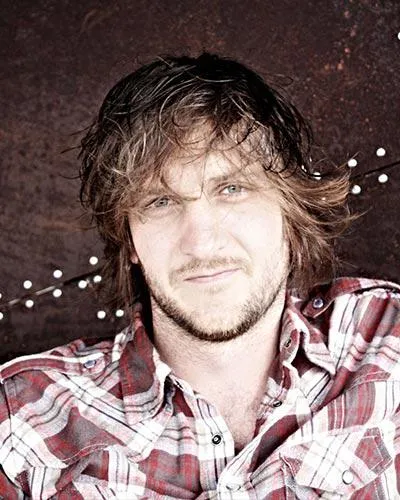
Avec
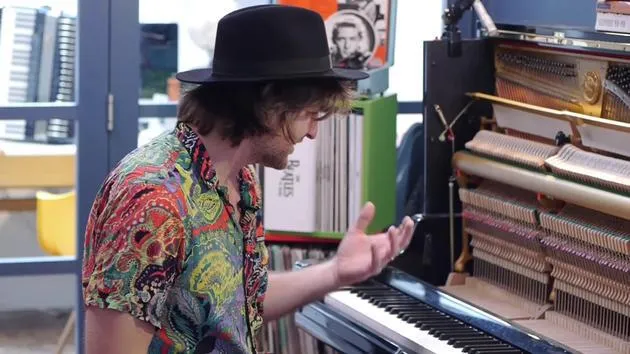
Paddy MilnerLe premier solo commence par beaucoup de notes répétées, à la manière de Whole Lot of Shakin et typique des morceaux de Rock 'n' Roll
Le contenu du cours
25 leçons (2h 34min) · 1 gratuites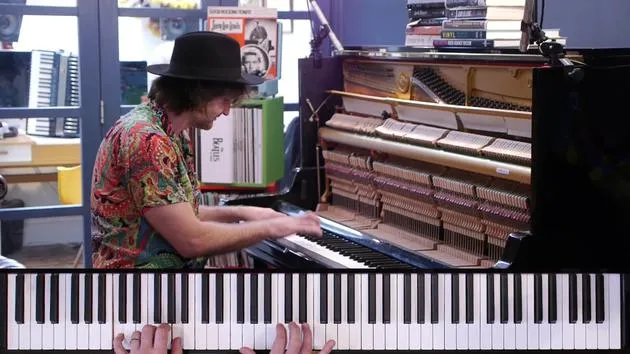
01. Comment jouer l'intro
4:09
02. Mélodie et main droite
9:26
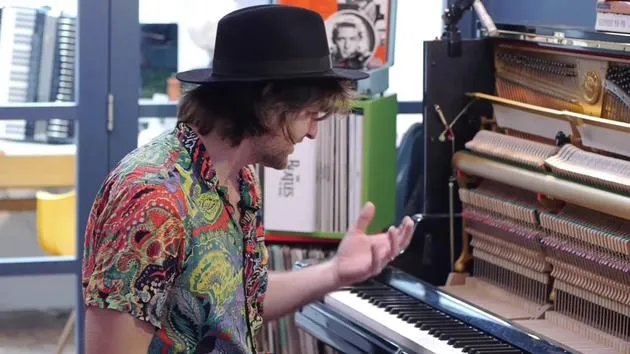
03. Comment jouer le solo
7:01
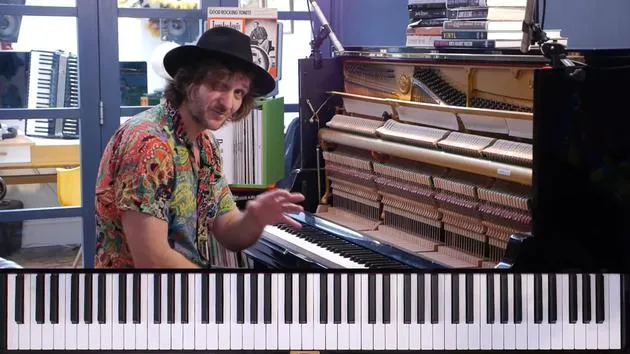
04. Main droite et turnaround
12:43
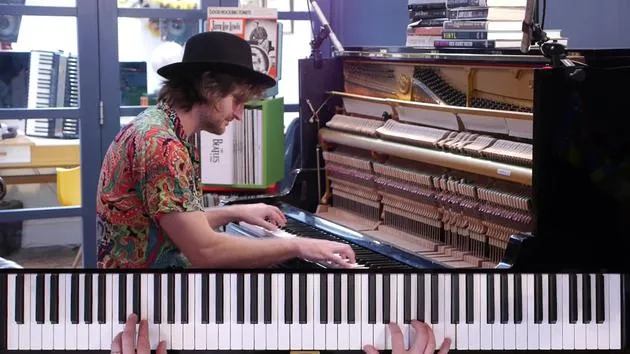
05. Autres idées
5:42
06. Comment jouer la fin
1:38
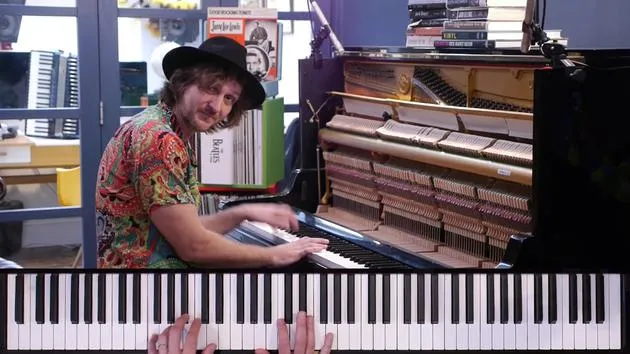
07. Développer la partie de piano de Jerry Lee
6:16
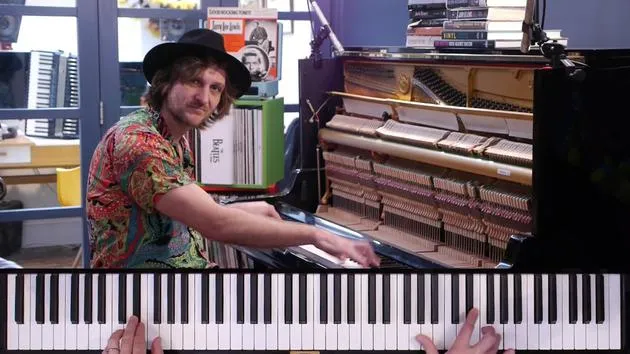
08. Développer les idées du solo de Jerry Lee
11:49
09. Utiliser les crushed notes
7:12
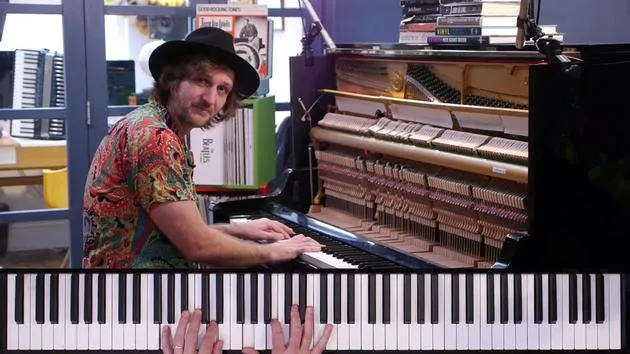
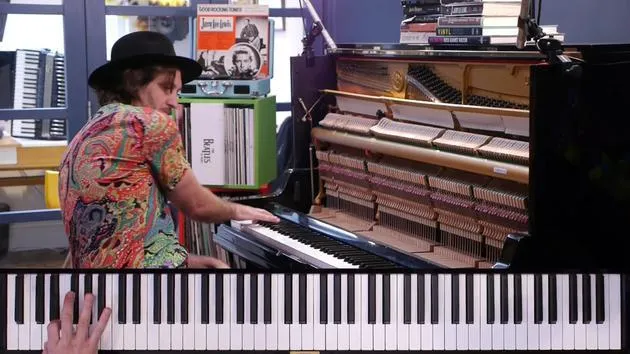
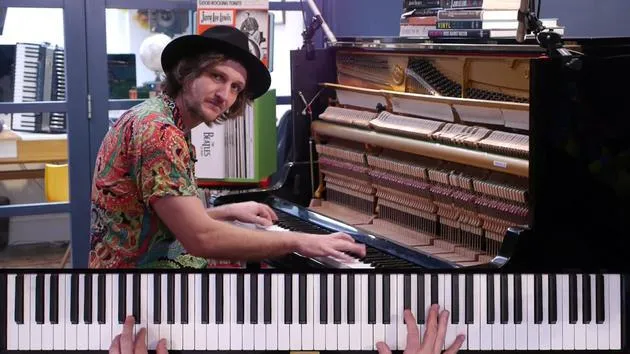
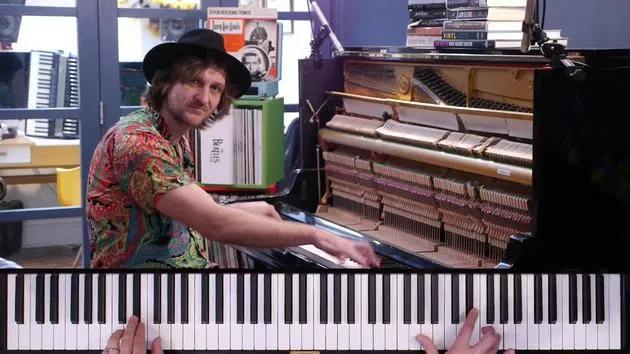
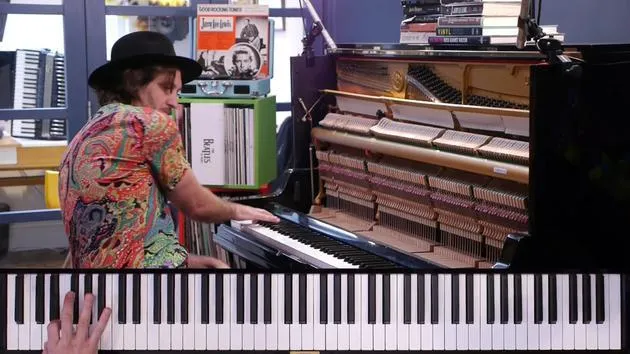
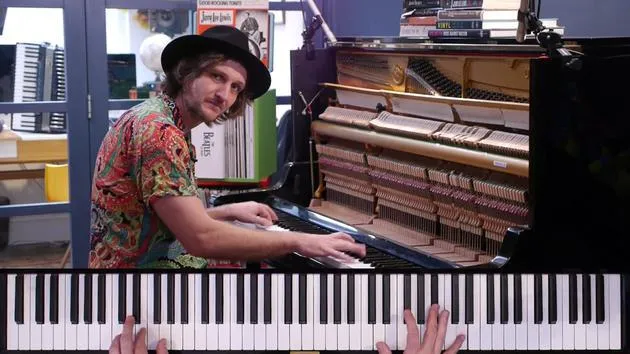
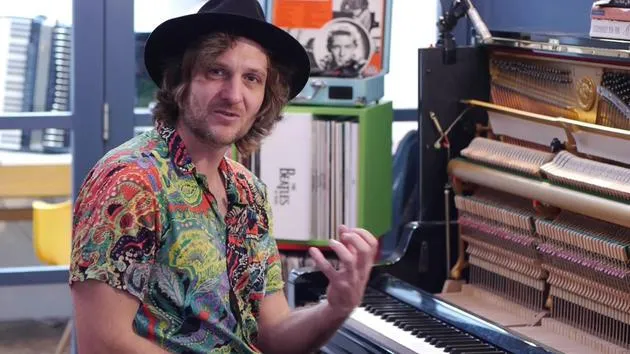
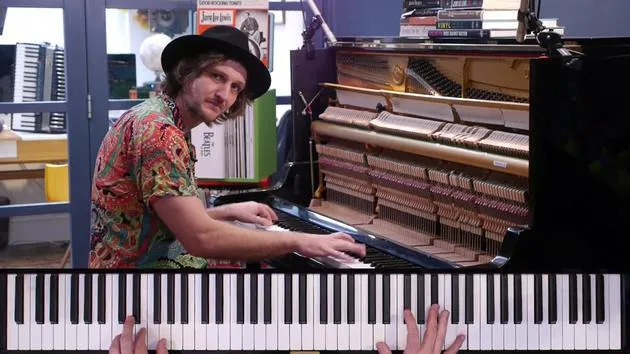
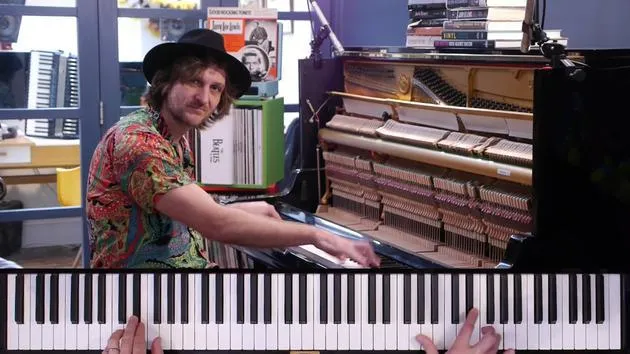
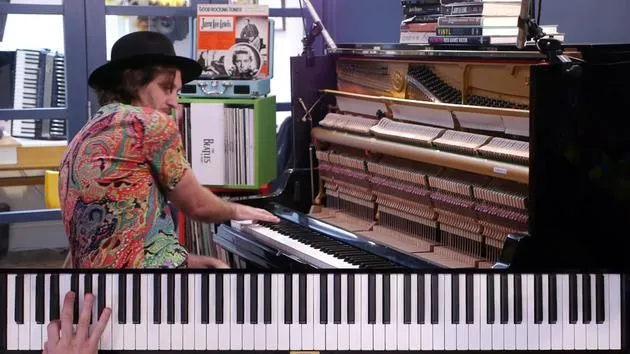
Transcription de la leçon
Music Lesson: Analyzing the First Solo Section
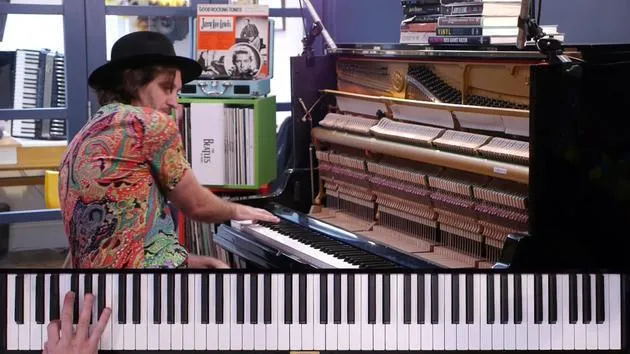
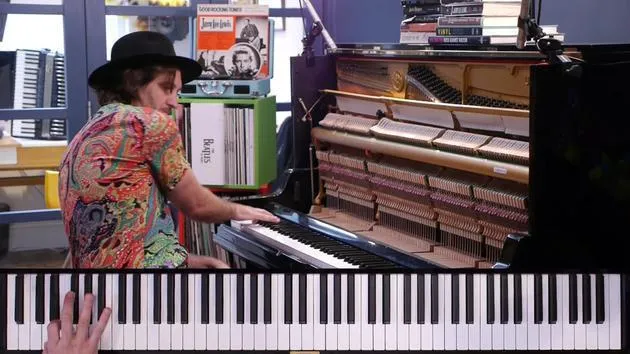
Okay, so the first solo section starts with a lot of repeated notes. Again, it's reminiscent of Whole Lot of Shakin' Goin' On, a characteristic element of rock and roll.
Solo Breakdown
-
Left Hand Technique:
He uses the same left hand that he does on Whole Lot of Shakin' Goin' On and applies it throughout the entire solo in the right hand. -
Solo Performance:
"I'll play the solo once so you can hear it. And then we'll break it down."
So from the five one, then we're back into the next verse.
Key Elements of the Solo
-
Repeated Notes:
What's he doing there? Well, he starts with these repeated notes on the 5th and the 7th. I think at the start he might have a little crushed note, who knows, maybe it was intended or maybe not. -
Interpretation:
"I think it's either he fumbled it or he intended it. I'm not sure. Either way, it doesn't matter."
The progression is: 2, 1, 2, 3. Nice loose wrist there. -
Rundown:
He does a rundown, which again might not have been intended. It sounds like...
"Starts with whether he actually intended to play. I don't know. But on the record, it sounds like it."
Chord and Riff Variations
-
Chord 4:
We hit the chord IV, which is a nice variation on the riff that Pinetop Smith introduced in his famous Pinetop's Boogie Woogie, which we have looked at in the blues courses as well. -
Original Riff:
The original Pinetop riff would have been built on a ninth chord, a seven-nine chord.
However, he puts in a little passing chord, a chromatic idea that makes it really hip.
Further Exploration
-
Typical Jerry Lee Glissandi:
He incorporates some of his classic repeated glissandi. Followed by a little pentatonic idea at the end. -
Classic Turnaround:
Then that very classic Jerry Lee turnaround at the end, this time obviously in the key of G.
"That's a good thing to develop, learning all these things in different keys."
Practice Recommendations
-
Key Variations:
"Make sure you learn that in G."
We've already learned it in Whole Lot of Shakin' in the key of C. Why not also learn it in B flat, E flat, or any other key, like D flat? -
Jam Session Preparedness:
After all, you never know what situation you might be in. You could be at a jam session, or someone might call a tune in an unexpected key. Often, guitar players might play sharp keys like E, A, D, or B, so you need to be prepared to play in all those keys.
Summary of Essential Techniques
To summarize:
- Repeated Notes: Work on getting these down.
- Loose Wrist: Important for fluidity.
- Rundown: Focus on the fingering, which can feel slightly awkward at first.
- Glissandi: Make sure these are strong and pronounced.
- Turnaround: Practice forming this in different keys.
Final Thoughts
Once you've integrated all the elements of the solo, try to put the entire thing together at a slow tempo. Start with the right hand on its own, ensuring there's no hesitation between each idea.
Gradually increase the tempo until you've got everything together and can play the whole solo fluidly.
Cool! Good luck with that, and let's look at the next solo section, which takes us into another verse. I think you'll find that really cool.
25 leçons
2h 34m de leçons vidéo structurées
Fonctions vidéo avancées
Ralentissez, bouclez un passage, suivez la partition
Mobile, tablette et ordinateur
Pratiquez où vous voulez
Satisfaction garantie à 100 %
Garantie remboursement 30 jours
Rencontrez votre guru
Rencontrez votre guru
Paddy Milner est reconnu comme l'un des meilleurs pianistes de blues au monde : il est actuellement le claviériste attitré de Sir Tom Jones, après plusieurs années aux côtés du grand et regretté Jack Bruce, mais c'est aussi un superbe auteur-compositeur original et un chanteur au timbre singulier. Il suffit de lire les éloges de personnalités comme Dave Brubeck ci-dessous ! Son jeu figure sur la bande originale du film à succès 'Rocketman' (2019).
Il a remporté à deux reprises le prix du Meilleur claviériste aux British Blues Awards et occupe de longue date une résidence en tant que membre fondateur du Ronnie Scott's Blues Explosion au club mondialement réputé Ronnie Scott's.
Son groupe actuel LONDONOLA joue une musique britannique maison teintée d'une bonne dose d'esprit de La Nouvelle-Orléans, et son projet collectif JAWBONE va de succès en succès depuis la sortie de son premier album éponyme.
- « J'adore... voilà un gars qui sait vraiment jouer du piano » - Dave Brubeck
- « Je le recommande vivement. D'une certaine manière, tout se met à aller beaucoup mieux ! » - Jack Bruce
- « Le meilleur pianiste de blues d'Europe... » - Blues Access, USA
- « Impressionnant et original » - The Times
- « Éblouissant » - The Independent
Au fil de ses cours, Paddy décortique l'authentique shuffle de blues, le slow blues, le boogie-woogie, le rock 'n' roll et le piano de La Nouvelle-Orléans - jusqu'à trois grands classiques du boogie-woogie - pour que vous appreniez ces styles auprès de l'un des tout meilleurs du métier.







