



Lesson on Repetition
With
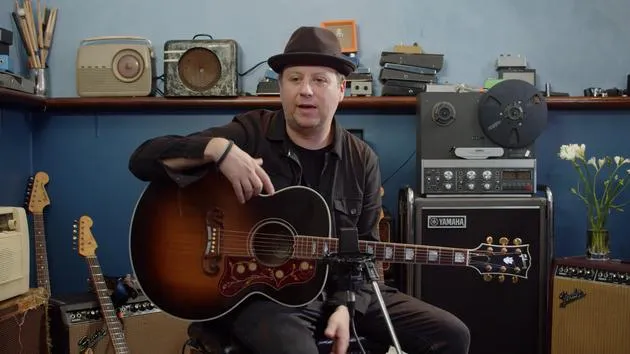
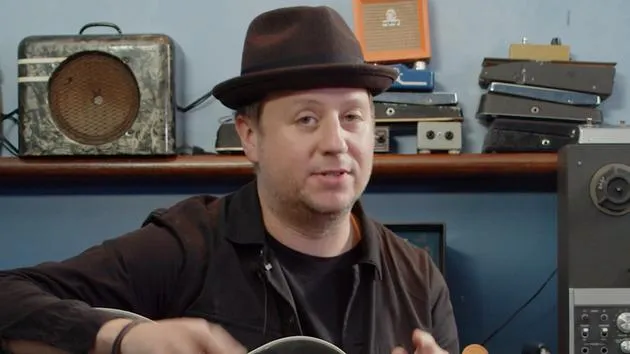
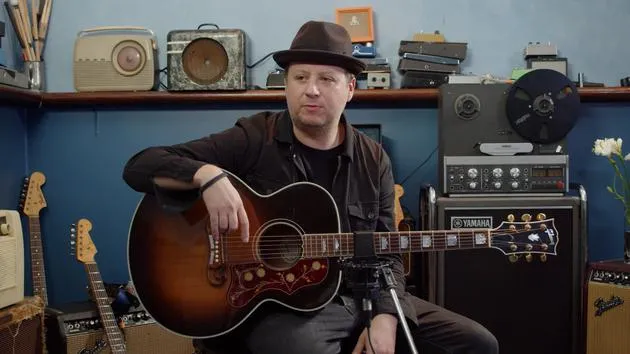
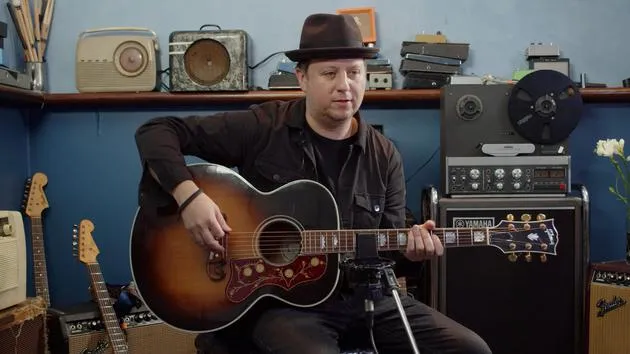
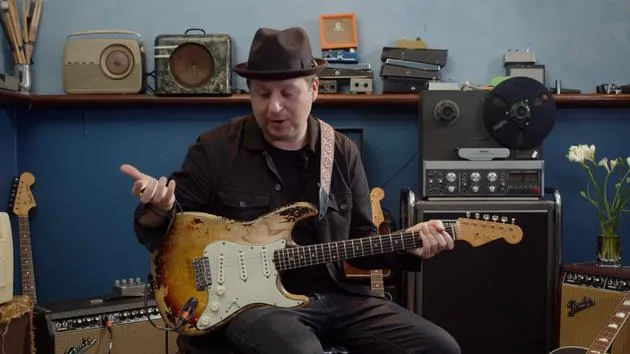
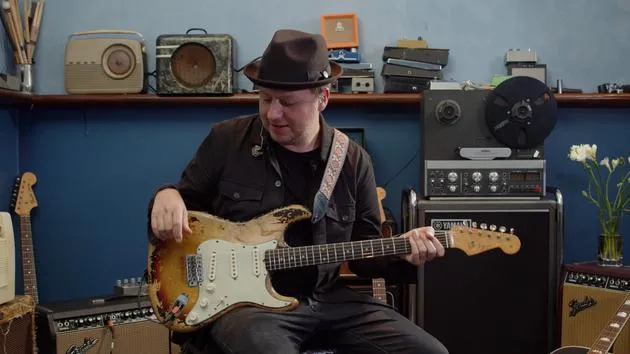
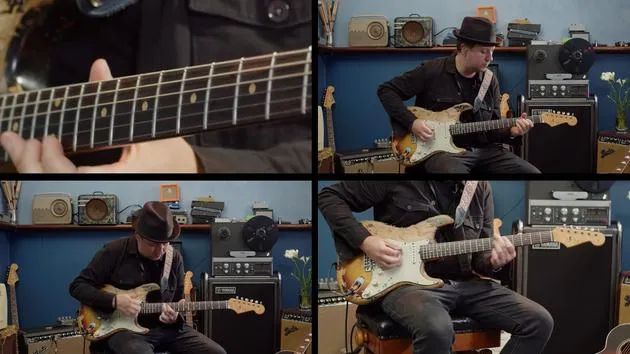
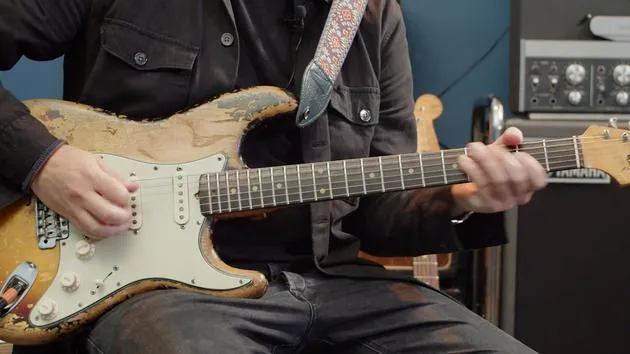
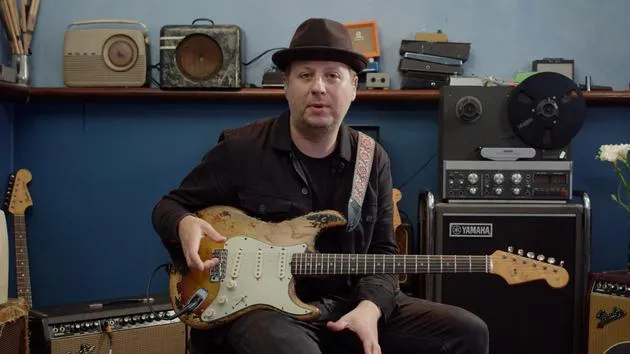
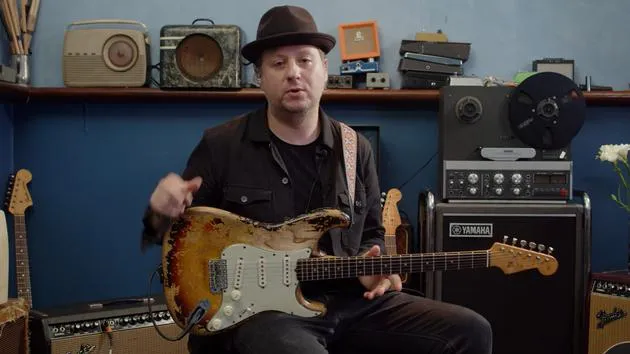
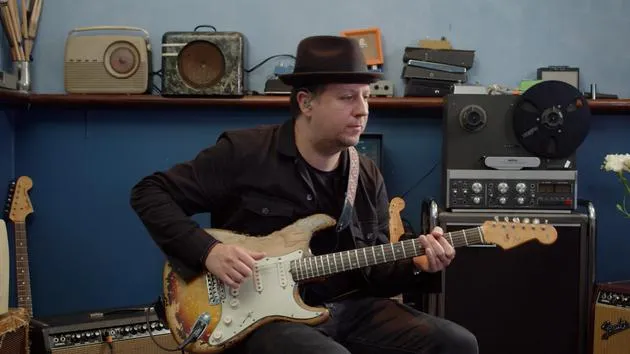
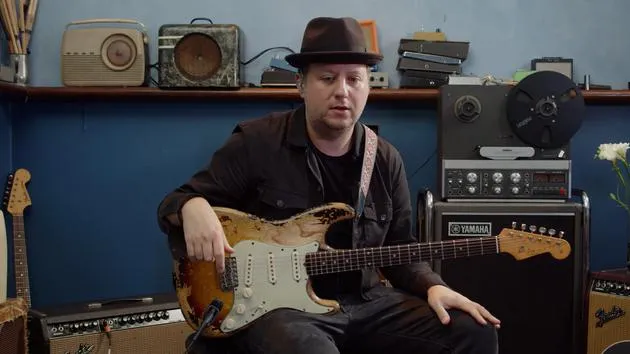
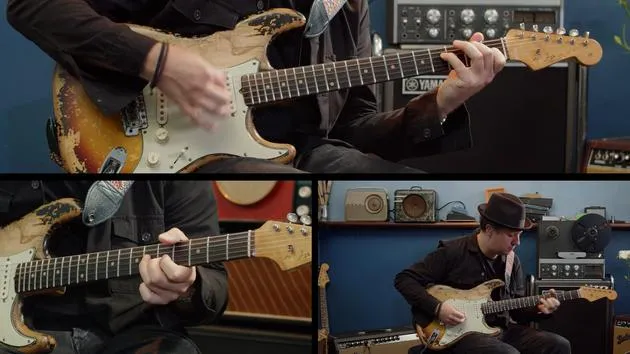
Scott McKeonScott McKeon explains why repetition is the key to a funky guitar part - locking onto a groove and adding small inflections as the song builds.
What's in the course
34 lessons (1h 29m) · 2 free
01. Traditional Soloing with Call and Response
2:24
02. Solo Example 1 - BB King
0:52
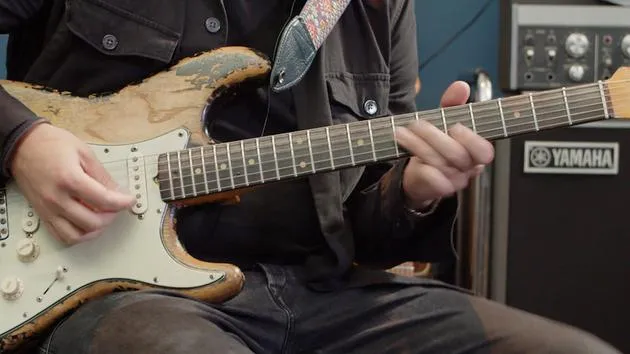
03. Leaving Space
3:17
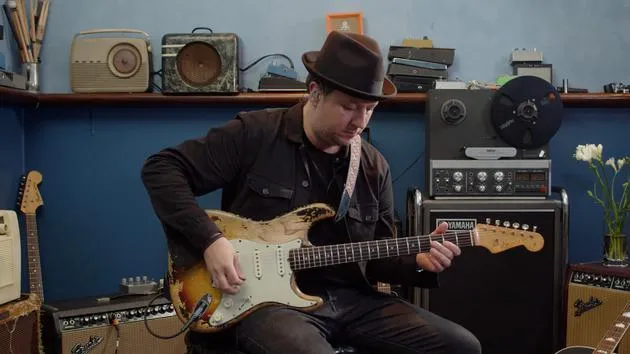
04. Solo Example 2 - Stevie Ray Vaughan (Rhythmic Chords)
0:54
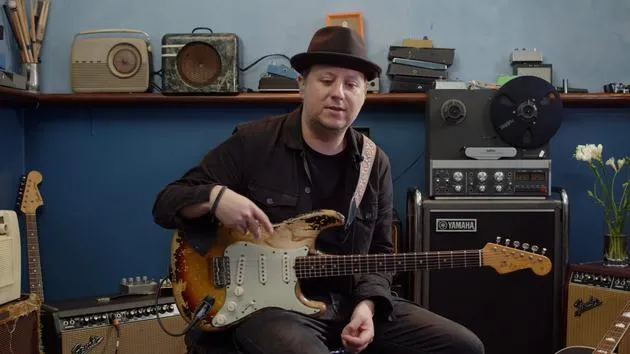
05. Soloing Using Your Fingers
1:47
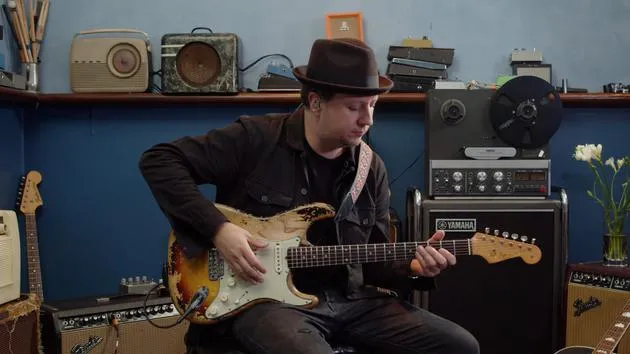
06. Solo Example 3 - Albert Collins
0:55
07. Combining Techniques
1:06
08. Solo Example 4 - Putting It All Together
0:56
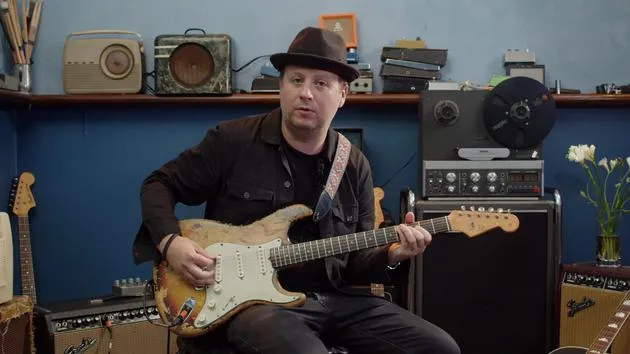
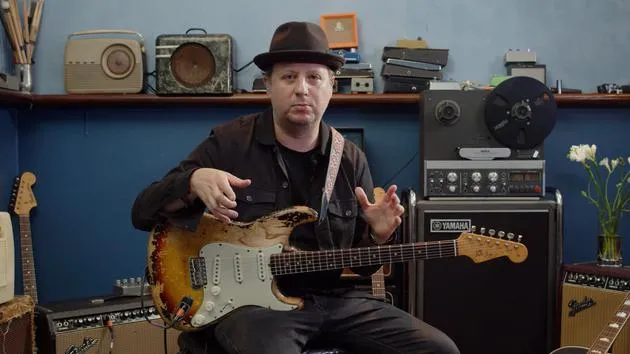
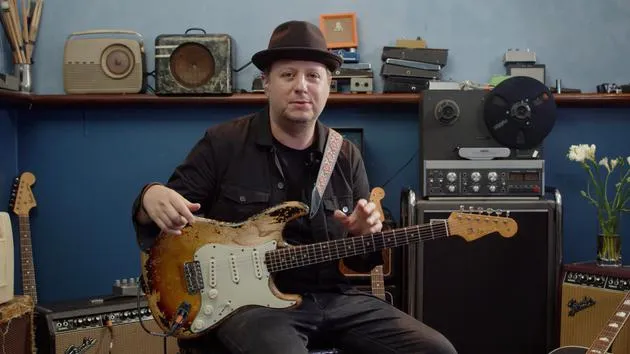
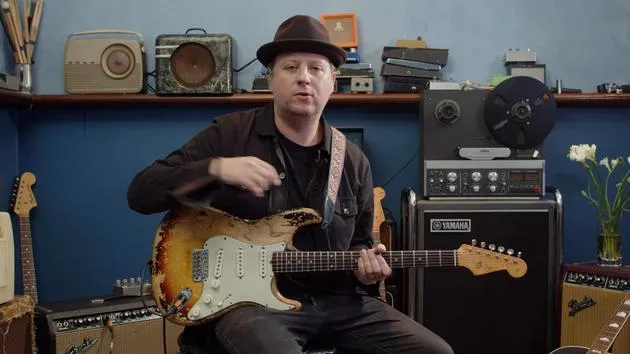
Lesson transcript
Understanding Funky Playing: The Power of Repetition
One thing to bear in mind when playing funky music is that repetition is key.
Finding Your Groove
-
Settling on a Part: Once you settle on a part, whether that's layering up two guitars, three guitars, or four guitars, or playing with another guitarist in a band context with keyboards and horns, find a part that you can stay on.
-
The Funky Element: The magic lies in not moving from that part.
Example Breakdown
For example, the second part I did was a single note. You can put little inflections in as the song builds. You might insert:
- Little licks
- Additional rhythms
However, it's essential to stay on the money with that main part.
Layering Guitars
- The first part I did was a real simple motif.
- What makes it funky is that the two guitars work against each other.
In the studio, if I were doing this by myself:
- I'd layer it up, possibly panning one left and the other right.
- Think of opposites tonally: one guitar could be round and warm, while the other is sharp, angular, and on the treble pickup.
Textures and Sounds
You can hear this concept in D'Angelo's track "Chicken Grease," where a really funky nine chord is played without moving.
- By combining these elements, you create a rich palette of different textures and sounds.
- On their own, neither part may do much, but together, they create a dynamic interplay.
Creating Space
It's important to leave space for other elements to happen. When you have three or four parts doing something different:
- They harmoniously play off each other.
- You might find one part is hard and staccato, while another is soft and warm.
The Funky Principle
Staying on the same thing for an extended period is among the funkiest things you can do. Practicing this at home to a drum loop or a click is crucial.
Finding the Pocket
- Use a Metronome: One of the best things to do is have a metronome going and try to feel where the music sits.
- Push and Pull: You can push and pull either side of the beat.
- You don't want to be too behind or too ahead.
Building with One Chord
Many funk genres focus on repetition.
- For instance, in the style of Fela Kuti, you can hang on one chord for an extended period.
Feeling the Music
It's all about the feel:
- Finding your pocket and being comfortable with that rhythm.
- Having an inbuilt metronome allows you to push and pull as you play.
If you just stay rigidly on the beat, that's not funky. The essence is about movement:
- You might rush and catch up or pull back a little.
- It's about building tension and then releasing it.
In conclusion, embrace that tension and find your unique pocket within the groove for truly funky playing!
34 lessons
1h 29m of structured video lessons
Advanced video features
Slow down, loop a passage, follow along
Mobile, tablet & desktop
Practise wherever you are
100% satisfaction guarantee
30-day money-back guarantee
Meet your guru
Meet your guru
Scott McKeon has given a lifetime of dedication to his craft as a guitarist. Initially inspired by his dad's love of blues, soul and rock music, he took up the guitar at the age of four and has developed a reputation as one of the UK's most in-demand guitarists, both in the studio and performing live.
In 2014, Scott got a call to play in Sir Tom Jones' band, alongside Robbie McIntosh and Pink Floyd drummer Gary Wallis. The blues, rock 'n' roll and gospel-orientated set allows Scott to call on his early influences and travel the globe. Performances so far have included five European tours, three tours of the US and South America, and tours of Australia and the Far East, as well as TV appearances including Later... with Jools Holland and TFI Friday, and playing New Orleans Jazz Festival in 2019.
Scott's third album, 'New Morning', is an earthy, raw, guitar-led record showcasing his range and ability as a guitarist. The album was recorded live in the studio at RAK in London, capturing the energy and spontaneity of the sessions. It was produced by Paul Stacey (Black Crowes/Oasis), and features Jeremy Stacey (Sheryl Crow/Tal Wilkenfeld) on drums, Rocco Palladino (Tom Misch/D'Angelo) on bass, and Gavin Conder (Rufus Black/The Kondoors) as vocalist on several tracks.
Scott also has a signature fuzz pedal and signature pickups, modelled on his '62 Strat.
In his course, Scott shares the tone, phrasing and feel behind authentic Texas blues guitar, showing you how to dig into the style and make every note sing.







