



Acoustic Guitar - Classic Turnarounds (Lightnin' Hopkins)
With
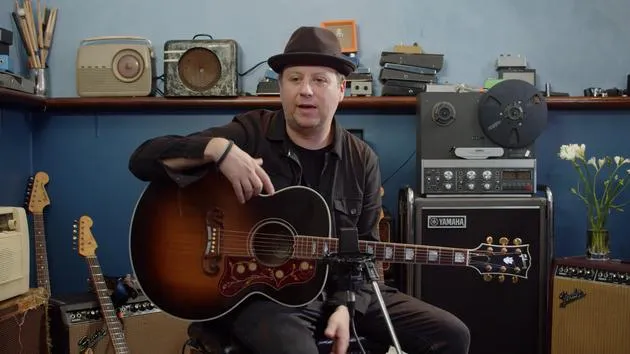
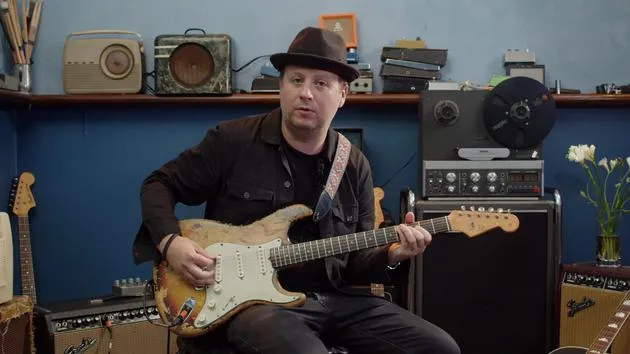
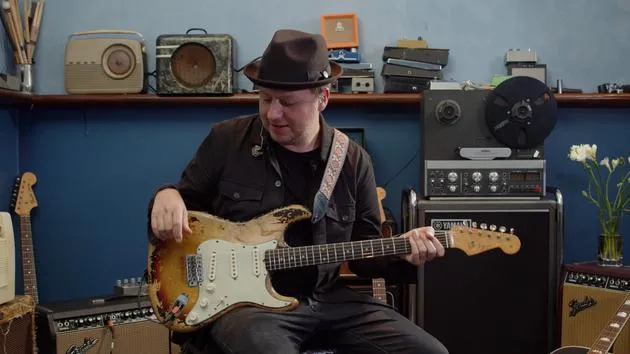
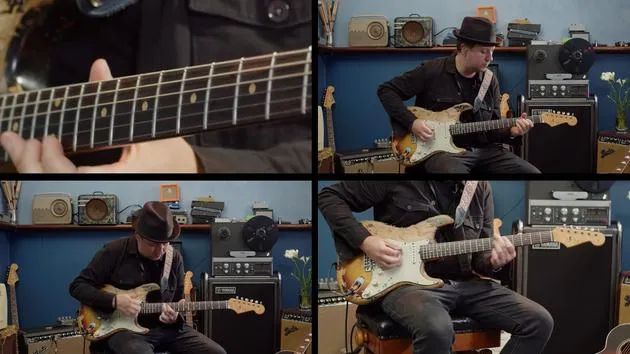
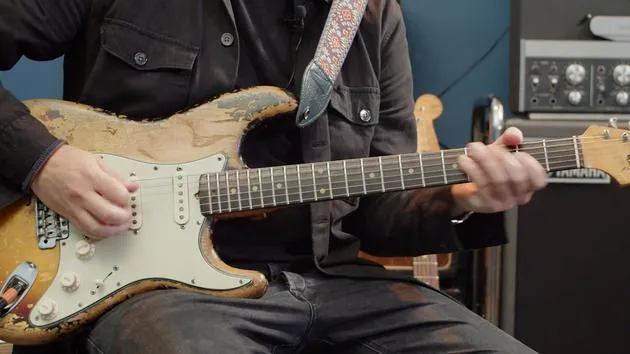
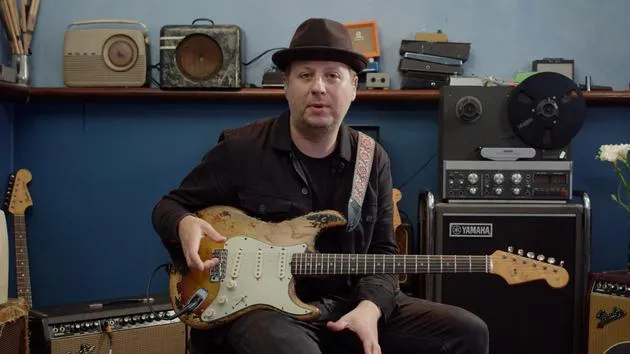
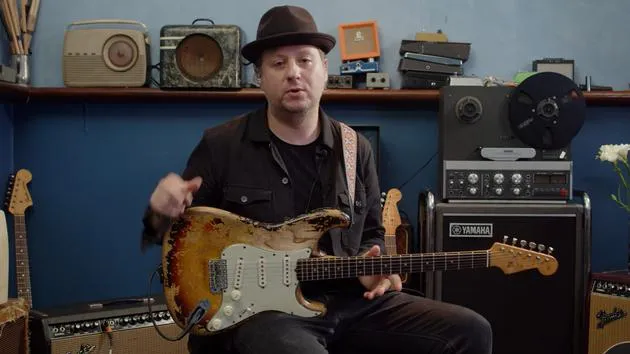
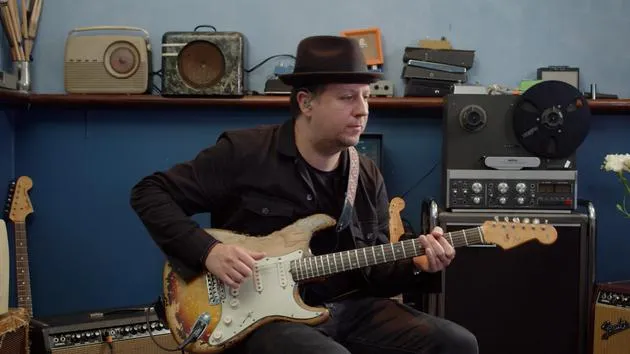
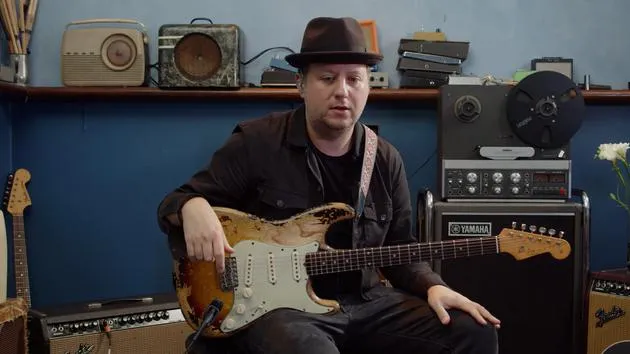
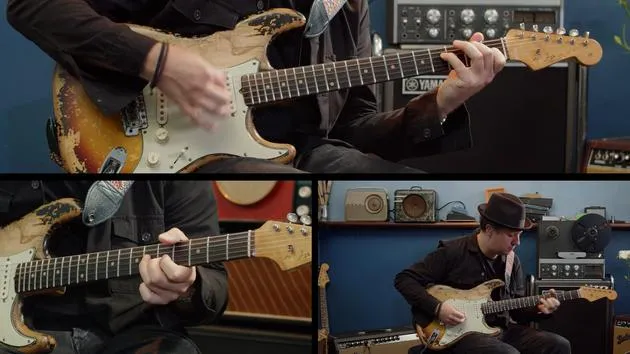
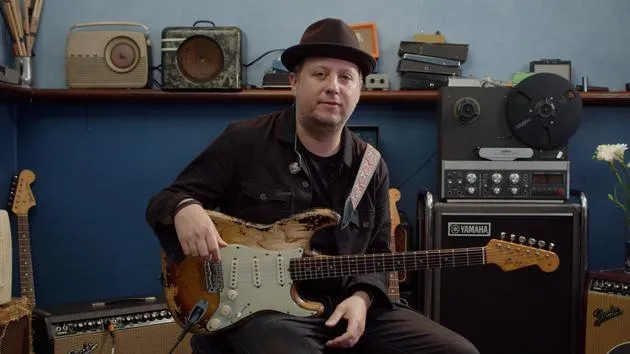
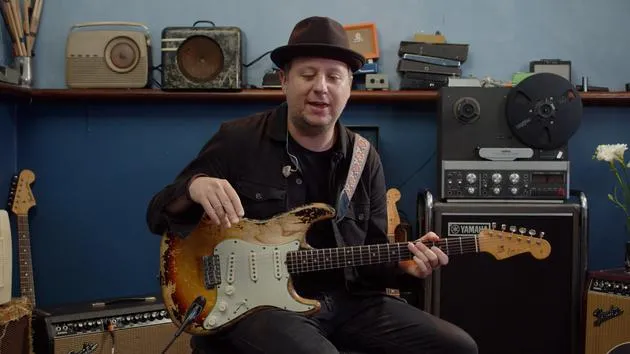
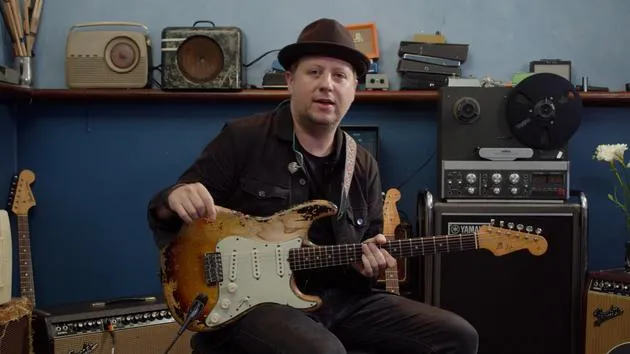
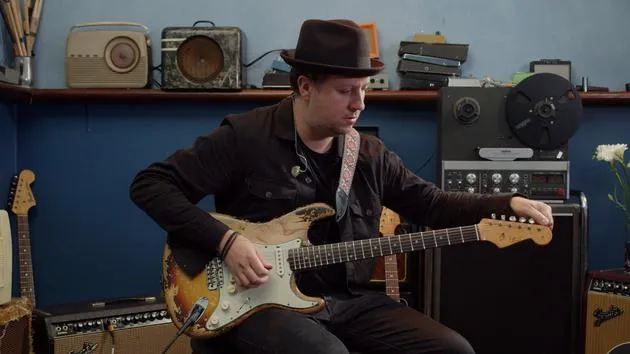
Scott McKeonScott McKeon shows an alternative blues turnaround in the style of Lightnin' Hopkins, using a B7 chord with the F# in the bass for a meatier sound.
What's in the course
34 lessons (1h 29m) · 2 free
01. Traditional Soloing with Call and Response
2:24
02. Solo Example 1 - BB King
0:52
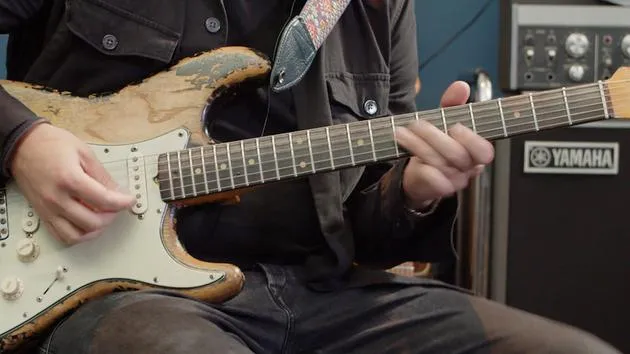
03. Leaving Space
3:17
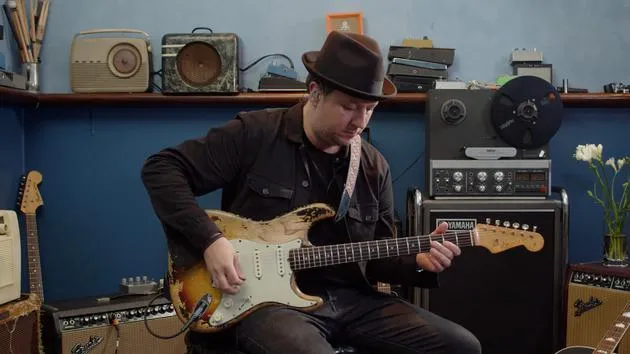
04. Solo Example 2 - Stevie Ray Vaughan (Rhythmic Chords)
0:54
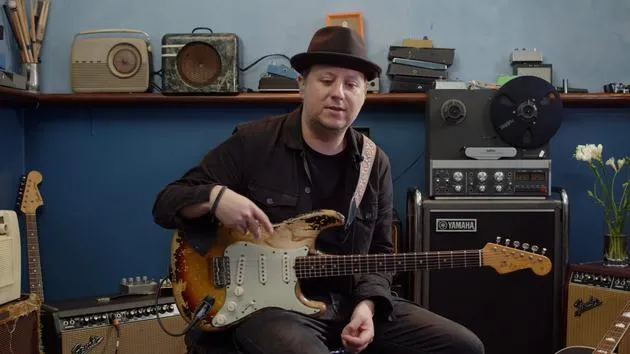
05. Soloing Using Your Fingers
1:47
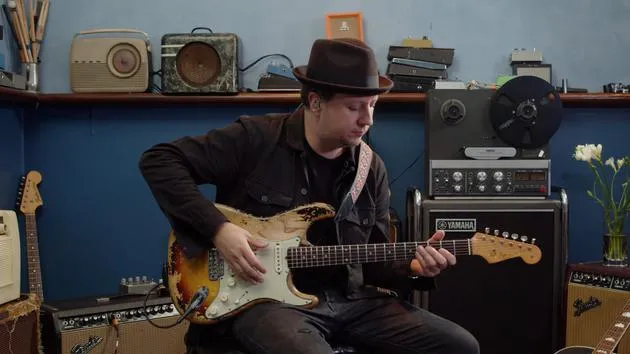
06. Solo Example 3 - Albert Collins
0:55
07. Combining Techniques
1:06
08. Solo Example 4 - Putting It All Together
0:56
Lesson transcript
Exploring Turnarounds in Blues Guitar
One of the other things you can do when it comes to the turnaround is to explore different styles. Instead of using the typical Jimmy Reed approach with the open A, consider trying a Lightning Hopkins method.
The B7 Chord with F Sharp
- Lightning Hopkins often played the B7 chord, incorporating the F sharp in that chord.
- This adds a unique texture, giving it a "meatier" sound rather than just playing the standard version.
So, when it comes to getting through the turnaround, you can play the B7 with the F sharp in the bass.
"I always think in terms of players and references."
Comparing Styles
- Jimmy Reed: Open A approach
- Lightning Hopkins: B7 with F sharp
I see the Lightning Hopkins version as a more substantial alternative to the Jimmy Reed style. You can pick and choose which one you want to use.
Staying True to Tradition
With this style of shuffle, like a Texas shuffle, be mindful:
- If you start incorporating anything too modern, it may not feel right.
- It's beneficial to be faithful to the old masters and the origins of the music.
Remember, sometimes a simpler approach is more effective:
"It's almost wrong, but it's so wrong that it's right."
The Influence of Old Masters
Even before plugging in, I recommend studying some of those old players. Listen to:
- How they play without a band
- Their approaches to turnarounds
This will deepen your understanding of the roots of the music and the influence they had on modern players.
The Use of Capos
Many old guitarists employed capos. Here's how it works:
- Whether they were playing in A or G, it often resembled playing in open E.
- Capos serve as a tool that allows for the big sound produced by open strings, particularly prominent on the acoustic guitar.
By embracing these techniques, you'll not only learn the music but also gain a more authentic sound.
34 lessons
1h 29m of structured video lessons
Advanced video features
Slow down, loop a passage, follow along
Mobile, tablet & desktop
Practise wherever you are
100% satisfaction guarantee
30-day money-back guarantee
Meet your guru
Meet your guru
Scott McKeon has given a lifetime of dedication to his craft as a guitarist. Initially inspired by his dad's love of blues, soul and rock music, he took up the guitar at the age of four and has developed a reputation as one of the UK's most in-demand guitarists, both in the studio and performing live.
In 2014, Scott got a call to play in Sir Tom Jones' band, alongside Robbie McIntosh and Pink Floyd drummer Gary Wallis. The blues, rock 'n' roll and gospel-orientated set allows Scott to call on his early influences and travel the globe. Performances so far have included five European tours, three tours of the US and South America, and tours of Australia and the Far East, as well as TV appearances including Later... with Jools Holland and TFI Friday, and playing New Orleans Jazz Festival in 2019.
Scott's third album, 'New Morning', is an earthy, raw, guitar-led record showcasing his range and ability as a guitarist. The album was recorded live in the studio at RAK in London, capturing the energy and spontaneity of the sessions. It was produced by Paul Stacey (Black Crowes/Oasis), and features Jeremy Stacey (Sheryl Crow/Tal Wilkenfeld) on drums, Rocco Palladino (Tom Misch/D'Angelo) on bass, and Gavin Conder (Rufus Black/The Kondoors) as vocalist on several tracks.
Scott also has a signature fuzz pedal and signature pickups, modelled on his '62 Strat.
In his course, Scott shares the tone, phrasing and feel behind authentic Texas blues guitar, showing you how to dig into the style and make every note sing.







