



Fight No More: Performance
With
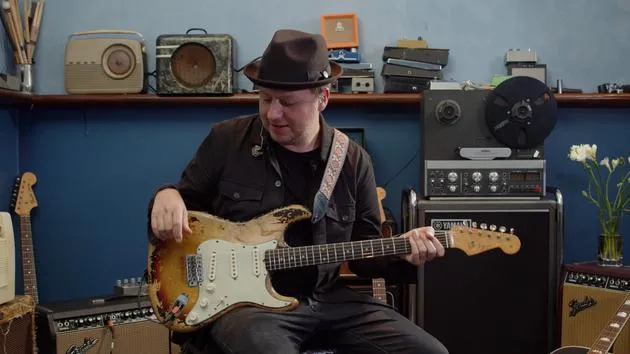
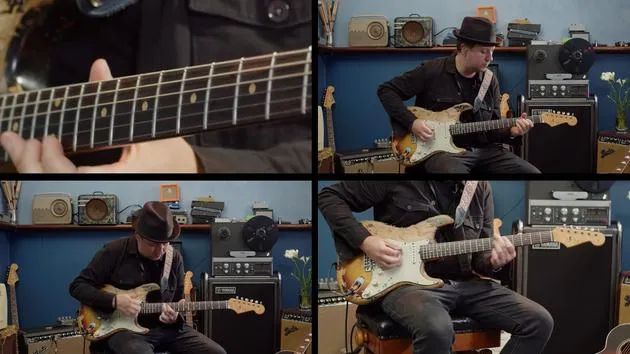
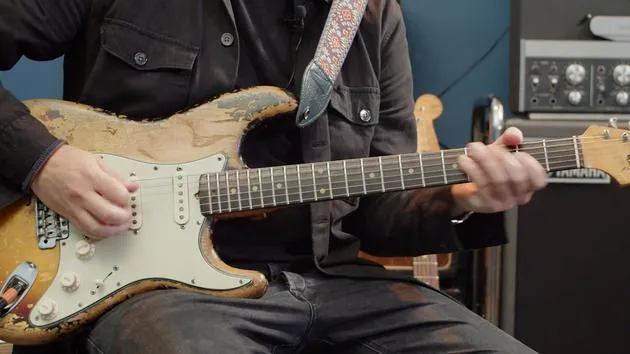
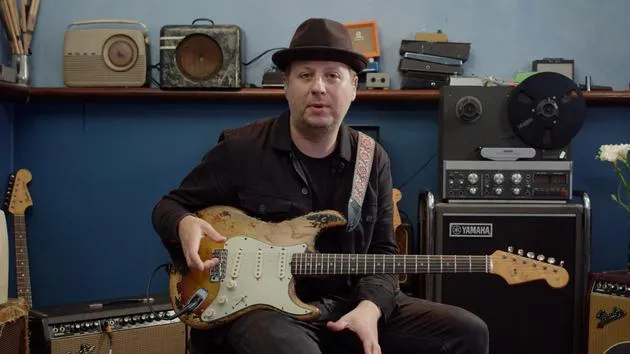
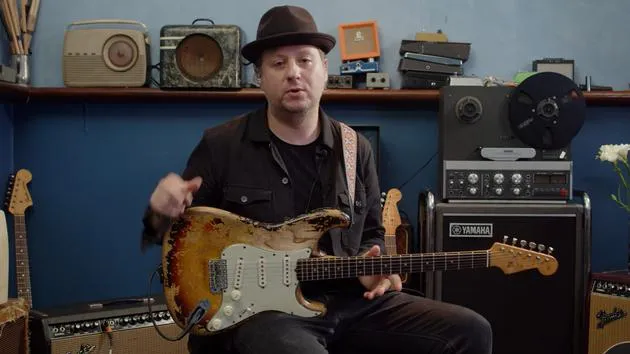
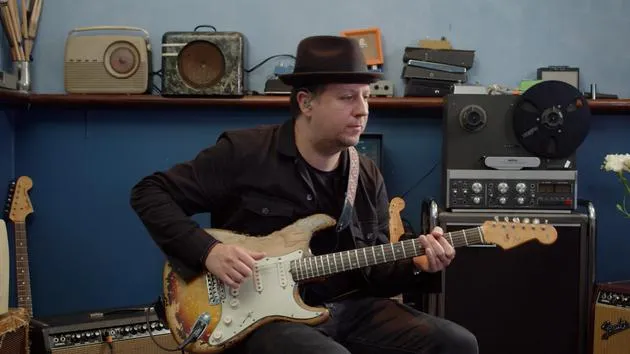
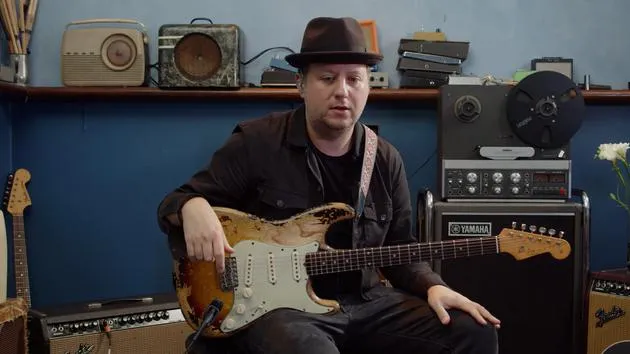
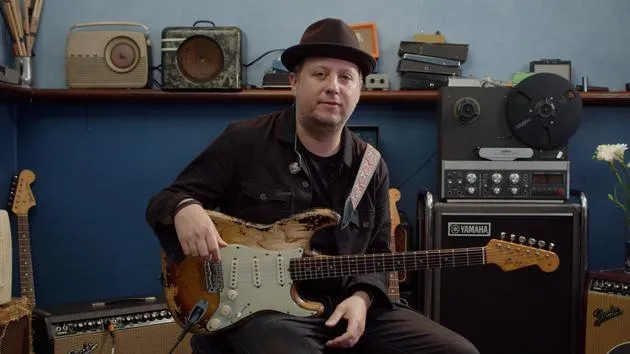
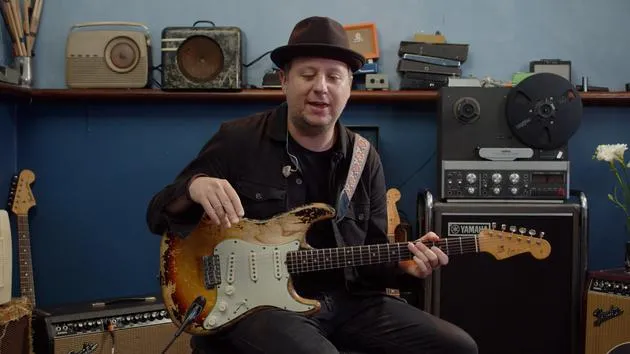
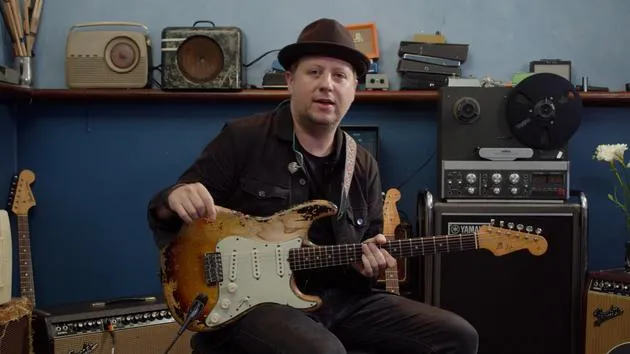
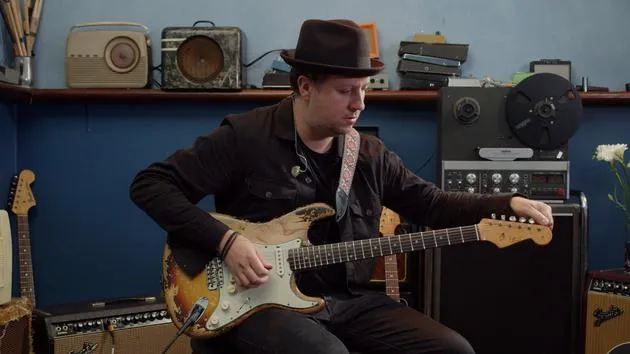
Scott McKeonScott McKeon breaks down his aggressive solo on 'Fight No More', from leaning on the fuzz pedal and repetitive patterns to handling the modulation from D flat down to B flat.
What's in the course
34 lessons (1h 29m) · 2 free
01. Traditional Soloing with Call and Response
2:24
02. Solo Example 1 - BB King
0:52
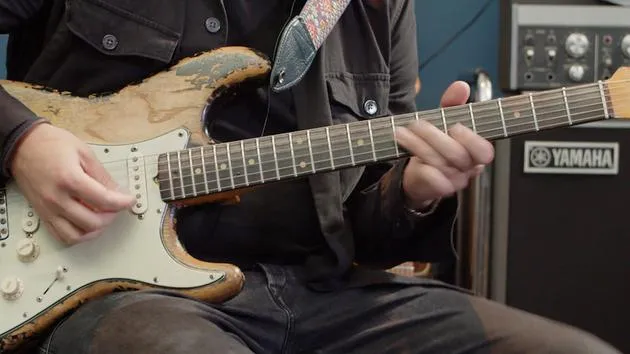
03. Leaving Space
3:17
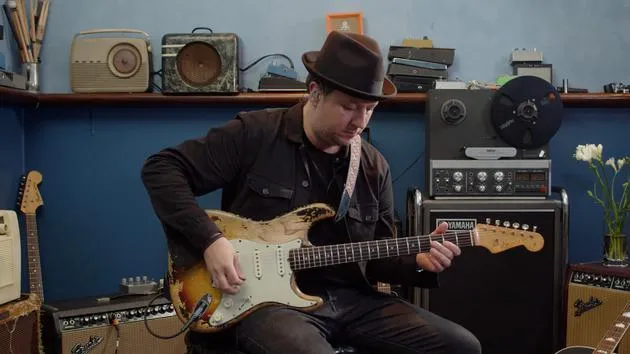
04. Solo Example 2 - Stevie Ray Vaughan (Rhythmic Chords)
0:54
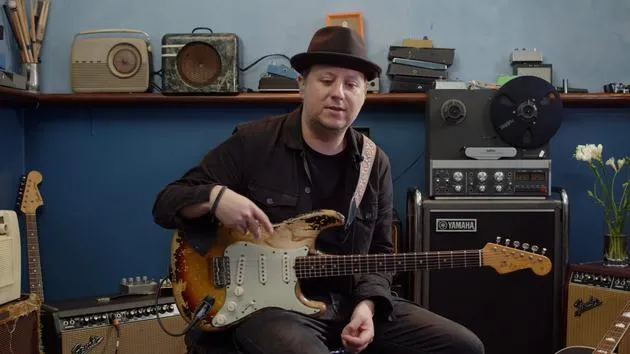
05. Soloing Using Your Fingers
1:47
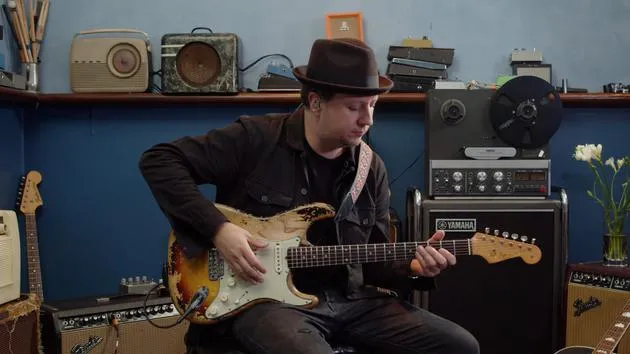
06. Solo Example 3 - Albert Collins
0:55
07. Combining Techniques
1:06
08. Solo Example 4 - Putting It All Together
0:56
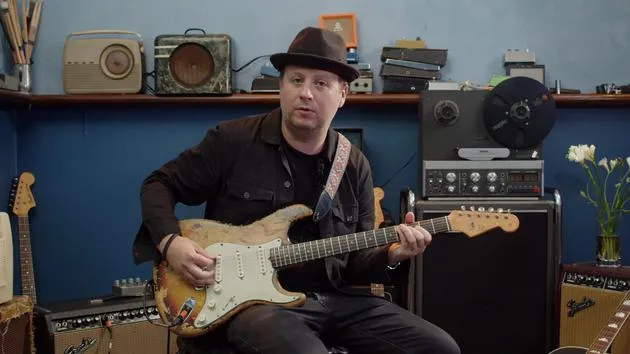
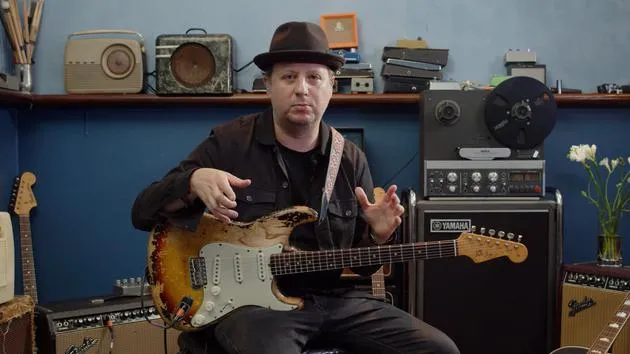
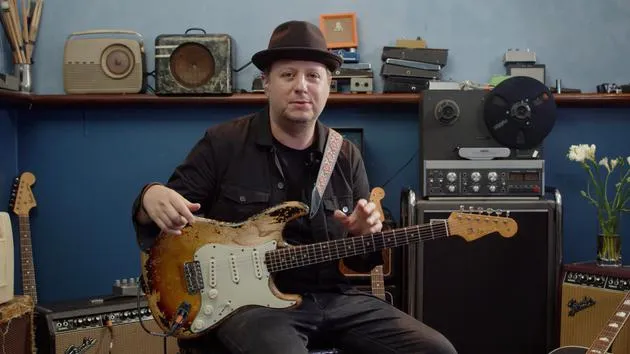
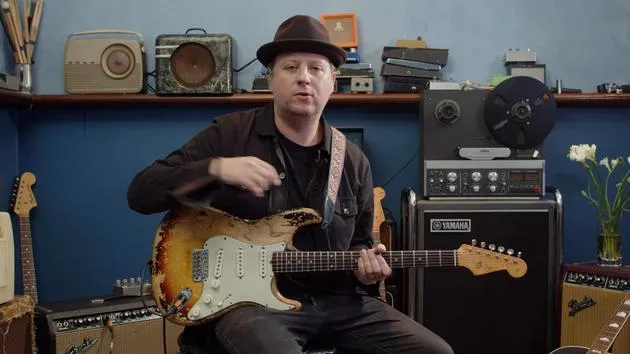
Lesson transcript
Enhancing Your Solo for "Fight No More"
Introduction to the Solo
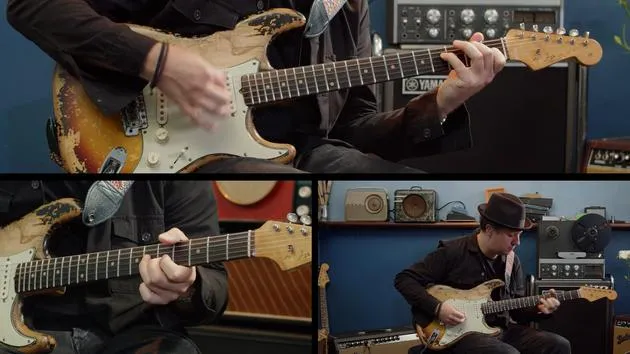
In the solo for "Fight No More," I take an aggressive approach right from the start. Here's how I go about it:
- Fuzz Pedal: I use the fuzz pedal throughout the solo, which contributes to its chaotic energy.
- Entrance: I enter the solo quite forcefully since the build-up is already intense by that point.
Playing Patterns
From there, I focus on playing repetitive patterns, which can be surprisingly effective. Here are some key points to consider:
- Use little patterns that you can stay on for a while.
- For example, I occasionally step back from the fuzz pedal, exploring cleaner sounds.
Modulation and Technique
Let's break down the modulation:
- The solo modulates from D flat down to B flat.
- I might start with a certain motif and then move onto something similar around the 11th fret on the B string.
Influences and Interplay
When I'm performing, certain influences come to mind:
- This style reminds me of Clapton in the early 70s, with two guitars playing similar parts.
- It's essential to play in tandem with the drummer, like Jeremy Stacey, who reacts to my playing, creating a dynamic interaction.
Licks and Bends
Transitioning between licks and bends is crucial:
- I find that certain licks provide a platform to think about where I want to take the solo next.
- Ending on a bend can set up a powerful move into the next section.
Vibrato Techniques
An important consideration in your playing is vibrato:
- Be mindful of when to use vibrato and when to leave it off.
- For instance, when I bend a note, I might add vibrato afterward for a more singing quality.
The Vocal Analogy
Think of your guitar playing as akin to singing:
- Approach notes as if you were vocalizing, allowing yourself to land on the note before adding vibrato.
- Conversely, sometimes leaving a note clean, without vibrato, can be just as effective.
Control and Experimentation
As guitarists, we can easily fall into the habit of adding vibrato to every note, especially once we perfect it:
-
Control is key: Decide when to apply vibrato for maximum impact.
-
Experiment with sustained notes:
- If you let a note die off, it has a different effect than if you sustain it with vibrato.
Conclusion
Have fun exploring these concepts in your solos. The interplay, the dynamics, and the finesse can greatly enhance your performance!
34 lessons
1h 29m of structured video lessons
Advanced video features
Slow down, loop a passage, follow along
Mobile, tablet & desktop
Practise wherever you are
100% satisfaction guarantee
30-day money-back guarantee
Meet your guru
Meet your guru
Scott McKeon has given a lifetime of dedication to his craft as a guitarist. Initially inspired by his dad's love of blues, soul and rock music, he took up the guitar at the age of four and has developed a reputation as one of the UK's most in-demand guitarists, both in the studio and performing live.
In 2014, Scott got a call to play in Sir Tom Jones' band, alongside Robbie McIntosh and Pink Floyd drummer Gary Wallis. The blues, rock 'n' roll and gospel-orientated set allows Scott to call on his early influences and travel the globe. Performances so far have included five European tours, three tours of the US and South America, and tours of Australia and the Far East, as well as TV appearances including Later... with Jools Holland and TFI Friday, and playing New Orleans Jazz Festival in 2019.
Scott's third album, 'New Morning', is an earthy, raw, guitar-led record showcasing his range and ability as a guitarist. The album was recorded live in the studio at RAK in London, capturing the energy and spontaneity of the sessions. It was produced by Paul Stacey (Black Crowes/Oasis), and features Jeremy Stacey (Sheryl Crow/Tal Wilkenfeld) on drums, Rocco Palladino (Tom Misch/D'Angelo) on bass, and Gavin Conder (Rufus Black/The Kondoors) as vocalist on several tracks.
Scott also has a signature fuzz pedal and signature pickups, modelled on his '62 Strat.
In his course, Scott shares the tone, phrasing and feel behind authentic Texas blues guitar, showing you how to dig into the style and make every note sing.







