



What do I do with my body?

With
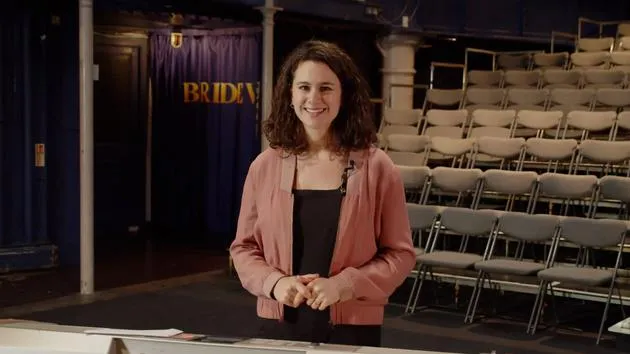
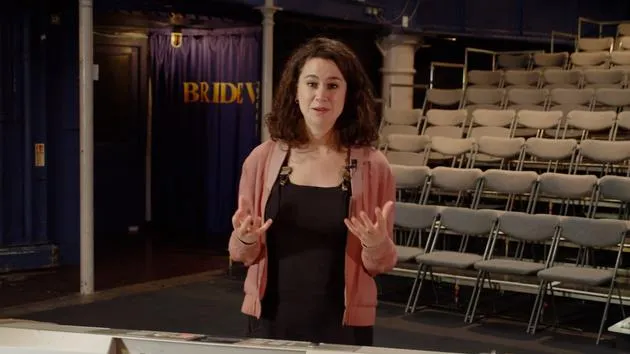
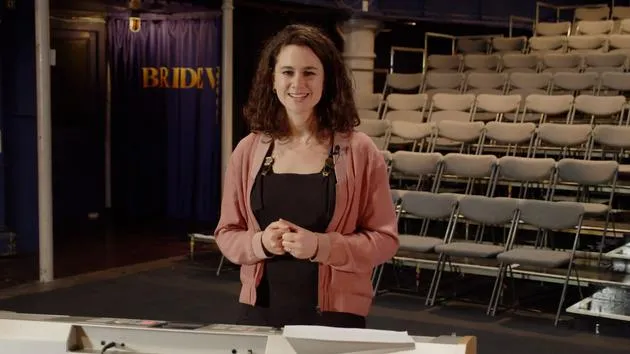
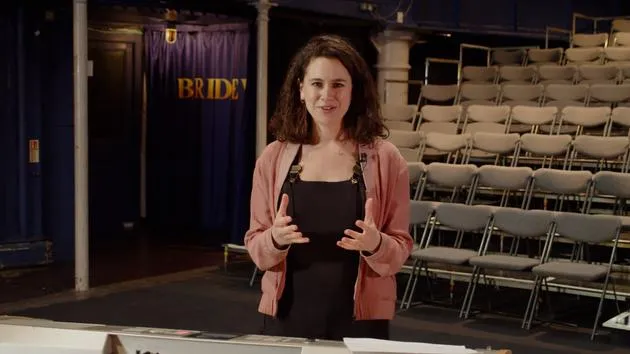
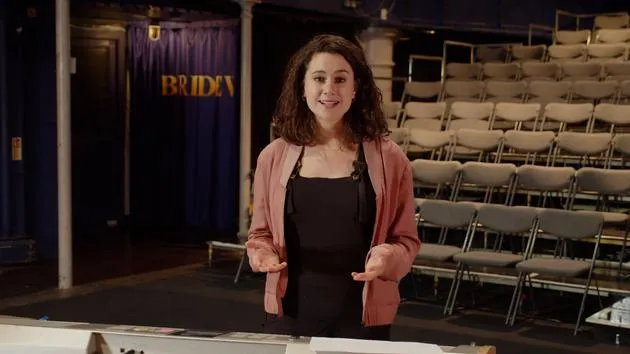
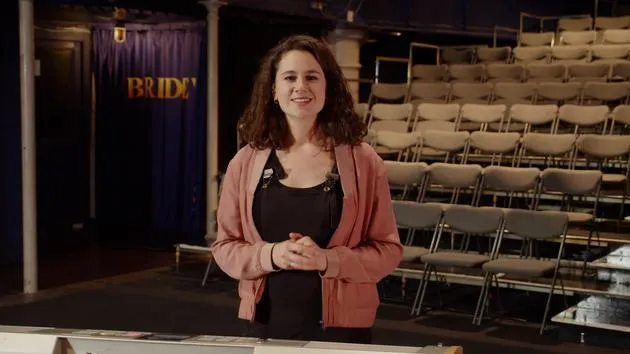
Rachel LynesRachel Lynes introduces support - connecting your breath, body and voice - and reassures you not to worry yet about what to do with your hands, face or feet while you sing.

What's in the course
18 lessons (1h 25m) · 1 free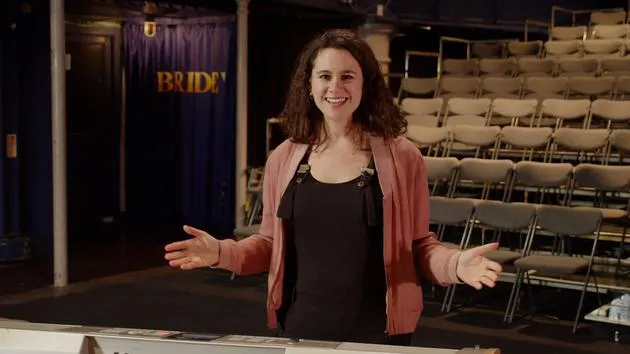
Lesson transcript
What Do I Do With My Body?
The first thing you might be asking is:
What do I do with my body?
This is the first thing that I would ask too. You know, how do I stand? Do I have to stay on two legs? Is that compulsory?
- Am I allowed to move?
- What about these things here?
Are you really so familiar with using your hands instinctively, but suddenly when you're performing or auditioning, you don't know what to do with them?
What do you do with your face?
Are you allowed to move around?
I would say: don't worry yet. Once you've connected your voice and your body, and you understand who you're talking to, what you're trying to say, and found your truth in the song, this is all going to become much more natural.
The Importance of Support
In this lesson, I want to explore something that is very important to all singing: support. You may have heard the word support; I'm sure you have. And if you haven't, you've probably heard someone say:
"Sing from your belly,"
"Sing from your diaphragm,"
"Feel the sound connected to your body."
This is personally the way that I love to see support, connecting your body, your breath, and your voice.
Creating a Support Response
To start off, we are going to use some clever organic sounds that will naturally create a support response in your body.
What do I mean by that?
I mean that when we use these sounds, you will feel your body connect with the air and your voice.
Let's Try This!
- Just to try that now, do a sh sound like you're telling someone to be quiet:
- Sh.
- Note what's happening in your body.
- You can watch it; you'll feel something moving.
- You can put your hands there:
- Sh, sh, sh.
You'll feel, "Oh wow, that clever sound is organically making my body respond."
Explore Different Sounds
You can use any sound with a closure. We're back to our S O V T sounds, our semi-occluded vocal tract, half-closed mouth sounds.
- Anything: v, V. Have a play around!
- Even NG, anything that has a closure will create this support response.
Why Practice This?
So why do we need to practice this? Because, obviously, we are not going to sing our songs on sh.
The reason I want you to practice this is so you become familiar with the sensation of support, making it make sense for you. You will start to note when it's happening while you're singing and encourage it in your own body.
Singing a Phrase
Now, we're going to start off with the phrase:
"I think I'll try defying gravity."
No words yet. We're going to try that on one of the sounds we just looked at.
- Close your eyes.
- Put your hands maybe on your lower belly or your lower back. You might feel it in your lower back too.
- Use some closed mouth sounds.
We'll do a few together, and then you can continue your practice on your own.
Sound Examples
Let's start off with a channel sound like a hoover:
- Feel that pulse and see if you can do the phrase on that.
- 2, 3.
It's even quite exhausting, isn't it? It's a bit like doing sit-ups.
Next, let's try it on a lip trill like we did in warm-up:
- 2, 3.
Don't worry if you need to breathe through the phrase.
Now, this isn't one you want to do on a first date, but stick out your tongue: Try a tongue trill! Practice that in your own time; I won't do that anymore for you.
Let's try one more sound. Any closed mouth sound will work.
- We could go back to our puffy cheek and feel that connection, or we could do it on a Z.
Let's do a Z since we haven't done it yet in the course:
- 2, 3.
Give some little pulses at the end. Just get to know that feeling of support. Z.
Where to Go From Here
And then you can go away and practice it with any of the sounds you felt most comfortable with. I would recommend you choose sounds that felt good to do; don't do them if they felt tense or stuck. Singing is supposed to feel good!
You can also try these exercises on your own songs. Then, you can move back to singing the lyrics and see if you can still feel that support.
Acknowledge the Consonants
Now, you will notice when you're singing that lots of the consonants you're using in the song will create this as well.
All consonants are S, O, V, T sounds.
Think about:
- T, G, F.
They're all in your song!
So, start to acknowledge these and bring that support into your singing.
18 lessons
1h 25m of structured video lessons
Advanced video features
Slow down, loop a passage, follow along
Mobile, tablet & desktop
Practise wherever you are
100% satisfaction guarantee
30-day money-back guarantee
Meet your guru
Meet your guru
Rachel Lynes works with singers ranging from recording artists to West End performers. She has been studying the voice for over 20 years, with a particular emphasis on the connection between singing, mental health and well-being. As a performer, she spent 10 years playing leading roles in the West End and internationally, working with everyone from Andrew Lloyd Webber to Tony and Olivier award-winning creatives.
Fondly named "the voice whisperer" by the singers she works with, Rachel's approach is rigorously technical yet accessible, combining the science with the heart.
She is also the founder and coach at the Sing Space, a global online studio open to singers of all levels and home to the world's first Vocal Gym™, offering group classes, one-to-one singing classes, and exclusive opportunities to perform in front of some of the industry's leading creatives, including casting directors, directors, producers and West End stars.
In her MusicGurus course, Rachel brings that same technical-yet-human method to musical theatre singing, coaching you through the very techniques she uses with West End performers.







