



Jaw tension

With
Rachel LynesRachel Lynes tackles jaw tension - why it restricts the larynx and a simple clench-and-release exercise to find a relaxed, free jaw for singing.
What's in the course
18 lessons (1h 25m) · 1 free
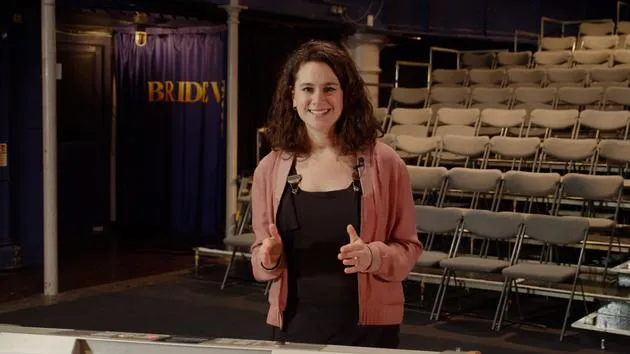
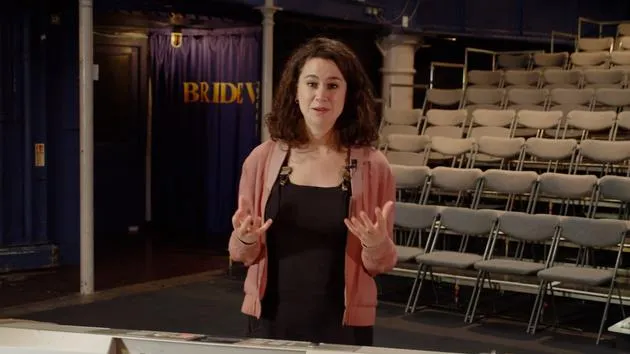
Lesson transcript
Understanding Jaw Tension in Singing
I want to take a moment now to talk about jaw tension with you. This is a topic very dear to my heart. If I grant singers one wish, I think it would be to remove all jaw tension. Why? Just because so many of the muscles that surround your instrument, your larynx, connect to the jaw.
Experiencing Jaw Tension
So before we start, let's see if we can just go do what we don't want to do.
-
Clench Your Jaw:
- Have a nice clench here.
- Refill that bulging, that bulging.
- Feel those bitey muscles here clenching.
-
Notice the Effect on Your Voice:
- It's not going to look good.
- Actually, your jaw muscles are not just here; they're everywhere.
- Even up here, if you clench, can you feel your temples going?
Finding Relaxation
Now, I want you to do the opposite:
- Open Wide:
- Aha!
- Then clench again.
- And then open really wide.
- Clench again.
Next, find a place that is in between:
- Let go of your clench but haven't started to open up yet.
- You can see I'm just kind of stroking downwards through the muscle fibers, just relaxing things.
Imagine closing your eyes as if you've just fallen asleep on the train, and your jaw has just dropped into that nice release position.
Freeing the Larynx
We want to do this so that your larynx is free to move as it wants to move. Thus, we want to get the jaw out of the equation.
Gentle Singing Exercise
We're going to have a play around with a nice, gentle exercise:
- You are going to sing "oh no".
- Keep your face nice and neutral as if you're not singing.
- Pretend like you're not singing.
Try this:
- "O no, Oh no."
That's much too low! Let's take it up and just try again. Keep your face really still.
Optional: Look in the mirror if you want. The aim is not to freeze anything; it's to sing in a really bored way.
- You can have bored eyes as well.
- Sing: "Oh no, oh no."
- Stay nice and relaxed.
Sighing and Moving
We just want to chill out here:
- "Oh no, oh no."
On that first note, don't feel the urge to do. Just sigh it out like we did in the warm-up:
- One, two, three ? "Oh no, oh no."
Moving up, stay nice and bored:
- "I'm so bored? Oh no, oh no."
As the urge to do starts to come, I want you to wiggle it around:
- "O no, oh no."
You might feel like you want to do something since it's getting higher. So keep it moving.
Final One:
- "Oh no, oh no."
That's it! You can try this with your song, using your lyrics. You'll see that you can still sound pretty normal when you move your jaw around.
Remember: The jaw is not making the sound; the jaw is just shaping the sound.
18 lessons
1h 25m of structured video lessons
Advanced video features
Slow down, loop a passage, follow along
Mobile, tablet & desktop
Practise wherever you are
100% satisfaction guarantee
30-day money-back guarantee
Meet your guru
Meet your guru
Rachel Lynes works with singers ranging from recording artists to West End performers. She has been studying the voice for over 20 years, with a particular emphasis on the connection between singing, mental health and well-being. As a performer, she spent 10 years playing leading roles in the West End and internationally, working with everyone from Andrew Lloyd Webber to Tony and Olivier award-winning creatives.
Fondly named "the voice whisperer" by the singers she works with, Rachel's approach is rigorously technical yet accessible, combining the science with the heart.
She is also the founder and coach at the Sing Space, a global online studio open to singers of all levels and home to the world's first Vocal Gym™, offering group classes, one-to-one singing classes, and exclusive opportunities to perform in front of some of the industry's leading creatives, including casting directors, directors, producers and West End stars.
In her MusicGurus course, Rachel brings that same technical-yet-human method to musical theatre singing, coaching you through the very techniques she uses with West End performers.







