



How to deliver the story
With
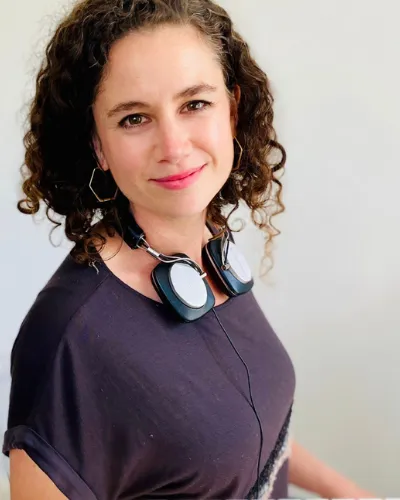
Rachel LynesRachel Lynes shows you how to speak your song as a monologue first, using 'She Used To Be Mine' to find urgency and fresh colours before you sing it.

What's in the course
18 lessons (1h 25m) · 1 free
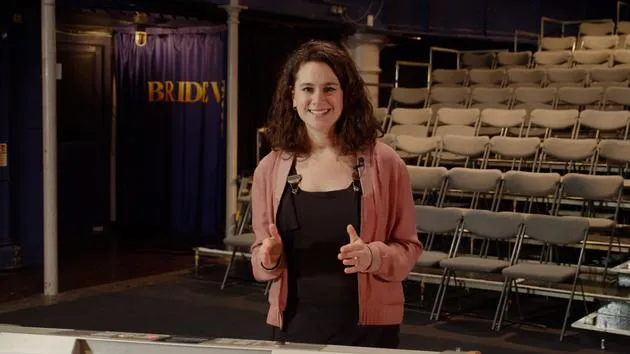
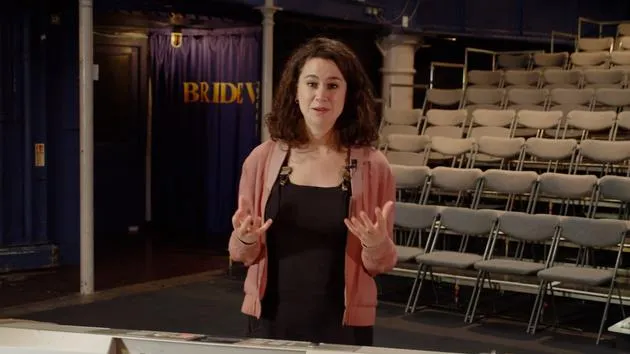
Lesson transcript
Exploring Your Song through Monologue
So, when removing the music from your song and speaking it as a monologue, the important thing is to play. Even if you don't use the parts that you discover from this play, when you perform your song, you'll still find new colors that change the way that you perform it.
Exercise 1: Urgency
For an example, I'm going to use the first verse of "She Used To Be Mine."
I want you to try it first of all, and you're going to have to keep pressing pause as you go along here so you can give yourself some space.
Instructions:
-
Pace with Urgency:
- Imagine you're talking to yourself, pacing.
- Move around as if you need to come up with a decision urgently, as if someone in the next room is asking you something you need to figure out.
-
Phrase to Express Urgency:
- As you say, "It's not simple to say that some days I don't recognize me," do so while you're trying to figure it out.
- Reflect on these lines: "The shoes, the table, this place, these things have taken more than I gave them."
- Think about someone indicating that something's about to happen.
Reflection:
- How does that change your breath?
- How does it affect your body?
- What does that mean if you have to urgently figure it out?
Press pause and have a go. Come back when you've done that.
Exercise 2: Talking to a Therapist
Your next challenge is to do the lyrics as if you're talking to a therapist, maybe one you don't really want to talk to, so you might feel a bit defensive.
Instructions:
-
Adopt a Defensive Tone:
- Try it from this angle: "Look, it's not simple to say..."
- Convey feelings of embarrassment or discomfort, as in, "Yeah, whatever, I don't recognize me."
-
Feel Free to Adapt:
- You can adjust the words if you want, so don't feel like you have to stick with absolutely what's written.
- If your song has a lot of rhymes and it feels a bit silly, play around with phrasing to make it feel more natural.
Reflection:
- Sit yourself down and observe how your body language changes when speaking to a guarded therapist trying to get you to open up.
- Have a little play around with this and come back once done.
Exercise 3: Introspection
For the third task, remove any external pressures, and take yourself into a place of introspection.
Instructions:
-
Create a Safe Space:
- Take your song again; don't worry about trying to communicate it to anyone else.
- Whisper it to yourself, drawing your knees up to your chest, wrapping your arms around yourself.
-
Personal Exploration:
- Allow yourself to have this very truthful moment with your song.
- Notice how this changes your expression of the song, free from external judgment.
Reflection:
- Before pressing pause, remember these scenarios are just starting points.
- Play around with other scenarios:
- Talking to your best mate over a glass of wine.
- Shouting the lyrics at someone to make them hear.
When you find a scenario that resonates and evokes strong feelings, take that energy and go sing your song again. Notice how it changes!
18 lessons
1h 25m of structured video lessons
Advanced video features
Slow down, loop a passage, follow along
Mobile, tablet & desktop
Practise wherever you are
100% satisfaction guarantee
30-day money-back guarantee
Meet your guru
Meet your guru
Rachel Lynes works with singers ranging from recording artists to West End performers. She has been studying the voice for over 20 years, with a particular emphasis on the connection between singing, mental health and well-being. As a performer, she spent 10 years playing leading roles in the West End and internationally, working with everyone from Andrew Lloyd Webber to Tony and Olivier award-winning creatives.
Fondly named "the voice whisperer" by the singers she works with, Rachel's approach is rigorously technical yet accessible, combining the science with the heart.
She is also the founder and coach at the Sing Space, a global online studio open to singers of all levels and home to the world's first Vocal Gym™, offering group classes, one-to-one singing classes, and exclusive opportunities to perform in front of some of the industry's leading creatives, including casting directors, directors, producers and West End stars.
In her MusicGurus course, Rachel brings that same technical-yet-human method to musical theatre singing, coaching you through the very techniques she uses with West End performers.







