



Hitting high notes - part 2

With
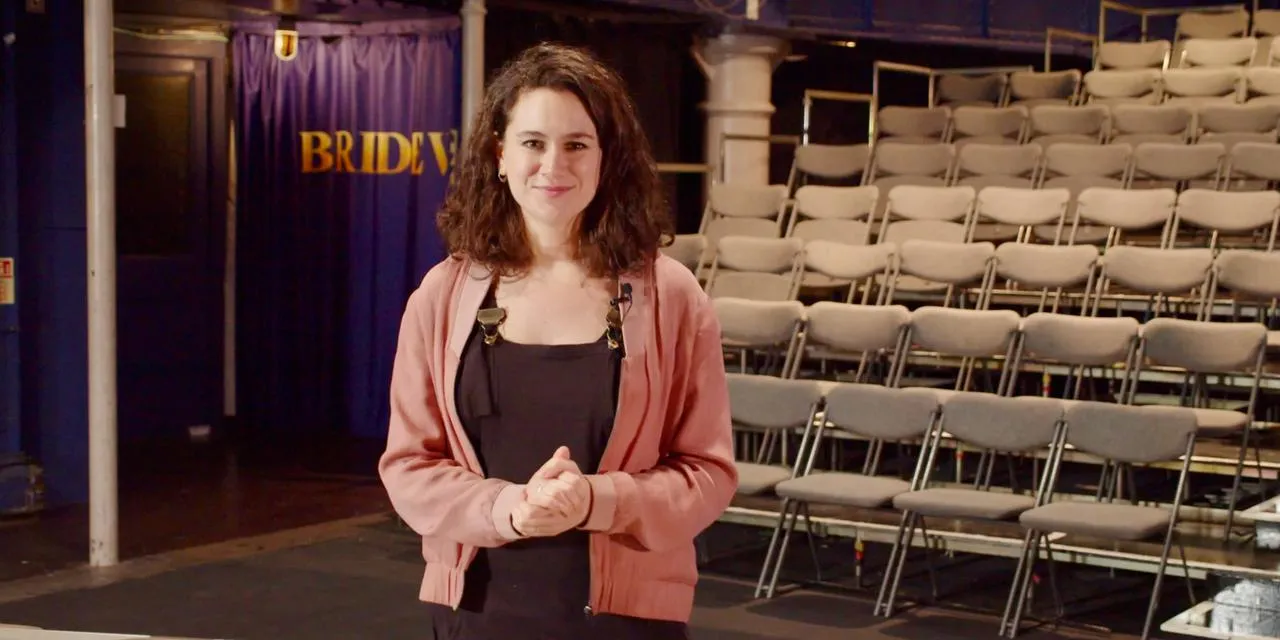
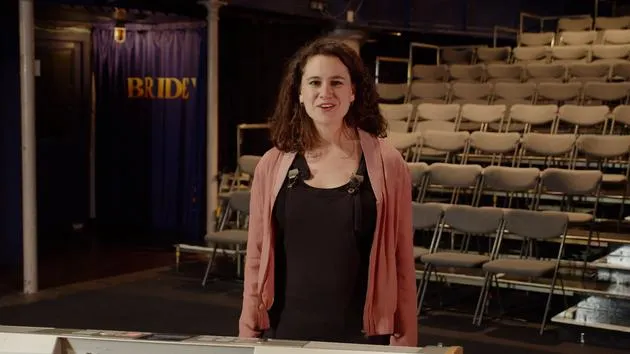
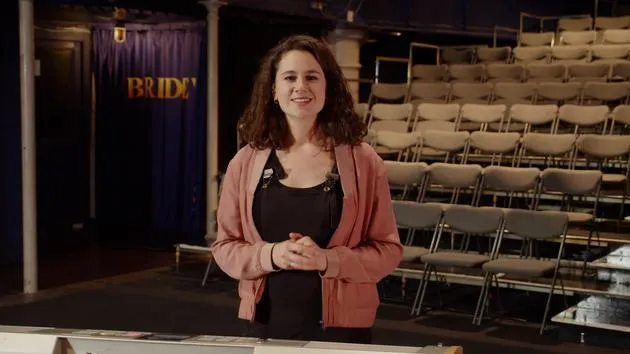
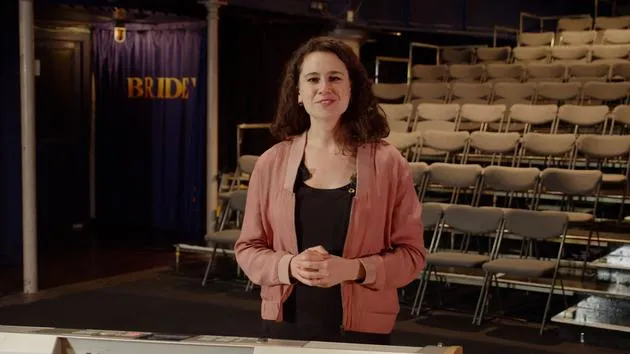
Rachel LynesRachel Lynes shows how to take the "hey" and "yeah" exercises into a real song, using a high belt phrase from "There Are Worse Things I Could Do" in Grease.
What's in the course
18 lessons (1h 25m) · 1 free
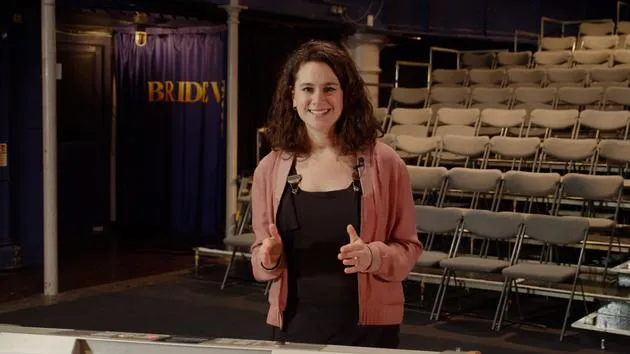
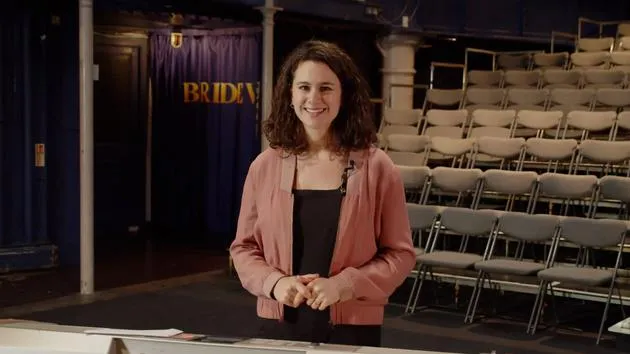
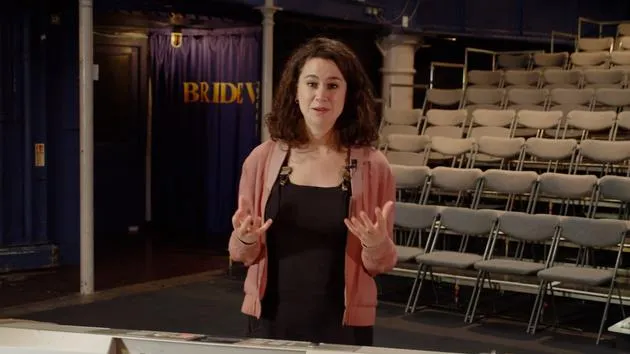
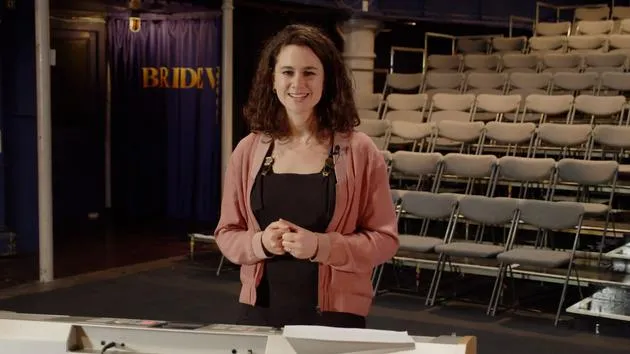
Lesson transcript
Music Lesson: Incorporating Hey's and Yeah's into Song
And now we're going to take the hey's and the yeah's that you've been practicing, and we're going to put them in a song.
Introduction to the Phrase
Like your other lessons, I wanted to choose a phrase from a common musical. This time, it's from Grease , "The Worst Things I Could Do."
The Chosen Phrase
We'll be using the phrase:
"I could stay home every night, wait around for Mr. Right."
Okay? So just have a bit of fun and see how this feels in your voice.
Try Singing the Phrase
So, when you try:
"I could stay home every night, wait around for Mr. Right."
Reflect on Your Experience
See how that felt. Ask yourself some questions:
- Did that feel easy? Fabulous.
- Did it feel a bit tight?
Yeah, it's really high. It's a big, high belt. I mean, there are higher belts, but this is, you know, substantial. So be kind to yourself. You may want to take it down.
Adding the Hey's and Yeah's
But first, I'm going to try seeing what happens if we add the hey's and the yeah's. See how that feels.
Remember: The hey engages your body, engages the breath, lifts the back of the tongue, opens up the vowels, and creates more acoustic space. It also relaxes the jaw.
Building Up the Key
Let's try again. This time, I'm not going to go in straight on the original key. We're going to build up.
- Starting with: "I could stay home."
- Then taking it up higher and see if by the time we get back to the original key, you're feeling a bit better.
Count In
So we're going to start with:
Hey, hey, hey, hey, hey, hey, hey, hey, hey, hey, hey, hey, hey.
Feeling nice? I'm going to count you in, and we're going to use your hey's and yeah's again. Use them in any combination that you want to.
Counting in:
1, 2 , and it's going to be:
Hey, yeah, yeah.
- 1, 2, hey, yeah, yeah, yeah, yeah, yeah.
- Yeah, yeah, yeah, yeah, hey, yeah, yeah, yeah, yeah, yeah, yeah.
Feeling comfortable? Feel how it feels so open that the ha gets the breath. Ready? Connect with your body.
Going Higher
Let's take it up again:
1, 2, again. Hey, yeah, yeah. Let's get a bit higher.
- And we go: 1, 2, hey, yeah, yeah, yeah.
- Hey, yeah, yeah, hey, hey, yeah, yeah, hey, hey, yay.
Choosing to Take a Break
If you want to go up one more, go for it! If you don't, at any point, press pause where you're at, and just keep trying the hey's and yeah's.
- If you don't like the hey, try the yeah.
- If you don't like the yeah, try the hey.
Returning to the Original Key
Let's go up to the original key now.
Counting in:
1, 2
"I could stay on hey, yeah."
Now when we go: 1, 2, hey.
- Yeah, yeah, yeah, yeah.
- Hey, yeah, yeah.
- Hey, yay, yay, yay.
- Hey, yeah.
Concluding Thoughts
How did that feel?
Alright, I hope you enjoyed that.
Important Notes on Belting
It is fun to belt, but just always be really aware that belting should feel good. It's not about straining or pushing.
- It's about feeling open.
- It should feel pleasurable.
- It should feel connected.
- It should feel nice.
Also, belting is not about shouting. It's actually not a volume thing. You can still aim for tone over volume. It's not about just being loud.
18 lessons
1h 25m of structured video lessons
Advanced video features
Slow down, loop a passage, follow along
Mobile, tablet & desktop
Practise wherever you are
100% satisfaction guarantee
30-day money-back guarantee
Meet your guru
Meet your guru
Rachel Lynes works with singers ranging from recording artists to West End performers. She has been studying the voice for over 20 years, with a particular emphasis on the connection between singing, mental health and well-being. As a performer, she spent 10 years playing leading roles in the West End and internationally, working with everyone from Andrew Lloyd Webber to Tony and Olivier award-winning creatives.
Fondly named "the voice whisperer" by the singers she works with, Rachel's approach is rigorously technical yet accessible, combining the science with the heart.
She is also the founder and coach at the Sing Space, a global online studio open to singers of all levels and home to the world's first Vocal Gym™, offering group classes, one-to-one singing classes, and exclusive opportunities to perform in front of some of the industry's leading creatives, including casting directors, directors, producers and West End stars.
In her MusicGurus course, Rachel brings that same technical-yet-human method to musical theatre singing, coaching you through the very techniques she uses with West End performers.







