



Long notes

With
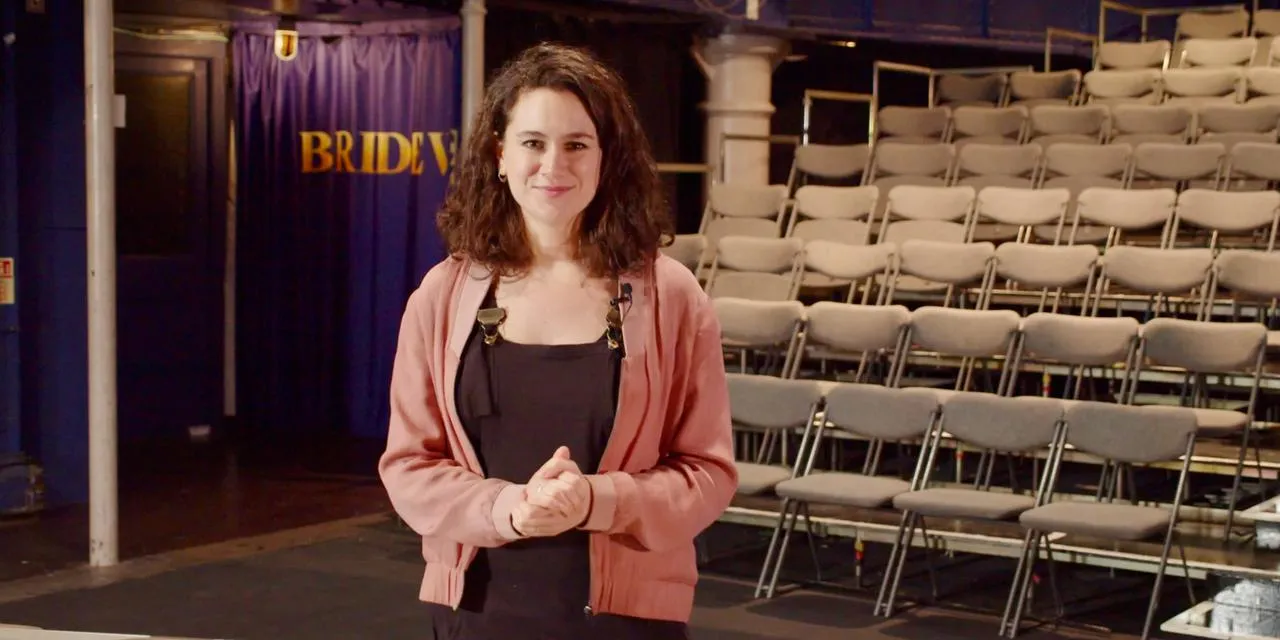
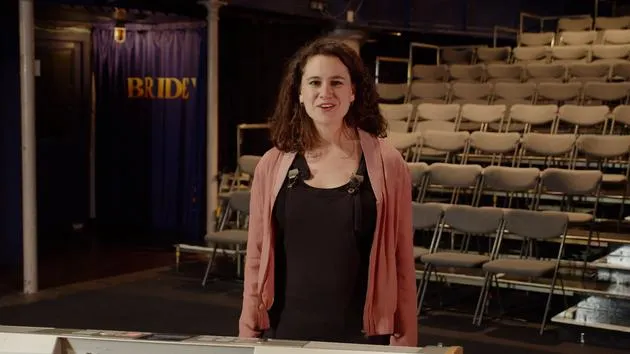
Rachel LynesRachel Lynes shows how to keep a long note alive - letting tone and breath keep moving - using 'She Used to Be Mine' from Waitress.
What's in the course
18 lessons (1h 25m) · 1 free
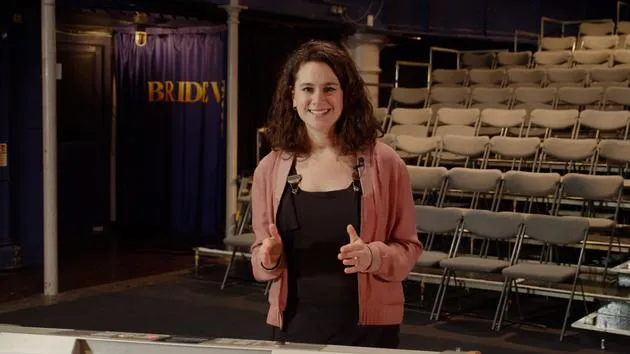
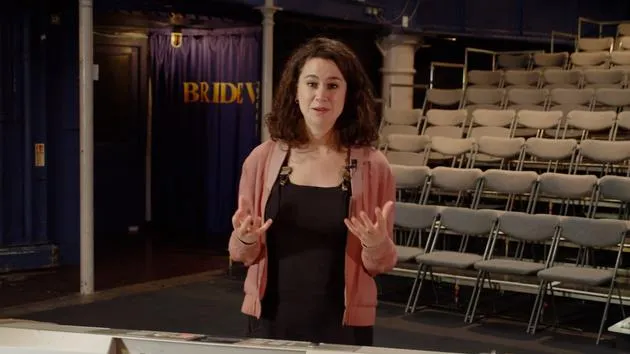
Lesson transcript
Keeping Long Notes Alive
So, we've looked at some of your big notes. Now, let's have a look at the long notes, or how we can keep a long note alive. Because a note is not something you place and fix; it is something that is alive and ever-changing.
The Nature of Sound
- Tone is growing
- Breath is moving
- Sound is vibrations
You are constantly evolving through any long notes. So, let's have a look at what that means by using one of the longest notes in any musical theatre song at the moment, which is "She Used to Be Mine" from Waitress.
Now, again, we can keep this gender-neutral: you can go for "they used to be mine" or "he used to be mine."
Practicing the Long Note
The phrase we're going to focus on is:
"I'll keep it on, she just..."
This is a part that I love, so I'm going to keep this in character right now. But you can do whatever you want when you're practicing at home.
Let's try:
"She's been gone but used to be mine."
I mean, that's a long note, isn't it? We've got "mine" , that's a really long note!
Tips for Sustaining Long Notes
So, what are we going to do? To not freak out, I'm going to give you three tips that I find really useful:
-
Pulse It
- We don't feel like when you've put that note out there, it's done.
- We want to stay with it.
I want you to add a pulse into it. Let's do this together:
"She's been gone but used to be mine."
And I want you to really over-pulse it.Try again:
"She's been gone but used to be mine."
Overdo it! Really keep it pulsing. Good!Now, when you do it again, keep a mini version of that pulse in there. We don't need to hear it, just keep the echo of it inside your head so you can feel that pulse going. Think of it as a pulse of tone, a growth of tone to keep the note alive.
-
Find the Pulse in Your Body
- Remember, we're in 3/4 time:
- 1, 2, 3 (Used to be)
- 1, 2, 3 (1, 2, 3)
It's a heavy beat on 1, 2, and then 3. Find that in your body now. Look for a movement that has its own momentum. You could:
- Move from one leg to another
- Shift your body around
- Use your hands
The more you can do it, the better.
Try again:
"She's been gone but used to be mine."
Press pause, have a go. Maybe try a bigger note there. Keep it going to the end. Resist the urge to fix it! - Remember, we're in 3/4 time:
-
Keep Breathing Out to the End of the Note
- People forget , and I forget , to stay mindful and present to the end of a note.
This time, breathe out at the end of the note. Aim for there to be more breath left. I know this seems opposite to what we're trying to do, but actually, breathing out will help you.
Let's go again:
"She's been gone but used to be mine."
Did that help by giving your attention just one step further?
Final Thoughts
You can keep playing with all of these tips at home. Try them on your own songs and with your big notes. This was the longest note that I could think of in any song, so don't worry if you couldn't do this one. Just build yourself up in stages!
18 lessons
1h 25m of structured video lessons
Advanced video features
Slow down, loop a passage, follow along
Mobile, tablet & desktop
Practise wherever you are
100% satisfaction guarantee
30-day money-back guarantee
Meet your guru
Meet your guru
Rachel Lynes works with singers ranging from recording artists to West End performers. She has been studying the voice for over 20 years, with a particular emphasis on the connection between singing, mental health and well-being. As a performer, she spent 10 years playing leading roles in the West End and internationally, working with everyone from Andrew Lloyd Webber to Tony and Olivier award-winning creatives.
Fondly named "the voice whisperer" by the singers she works with, Rachel's approach is rigorously technical yet accessible, combining the science with the heart.
She is also the founder and coach at the Sing Space, a global online studio open to singers of all levels and home to the world's first Vocal Gym™, offering group classes, one-to-one singing classes, and exclusive opportunities to perform in front of some of the industry's leading creatives, including casting directors, directors, producers and West End stars.
In her MusicGurus course, Rachel brings that same technical-yet-human method to musical theatre singing, coaching you through the very techniques she uses with West End performers.







