What hammond techniques work on clones?

With
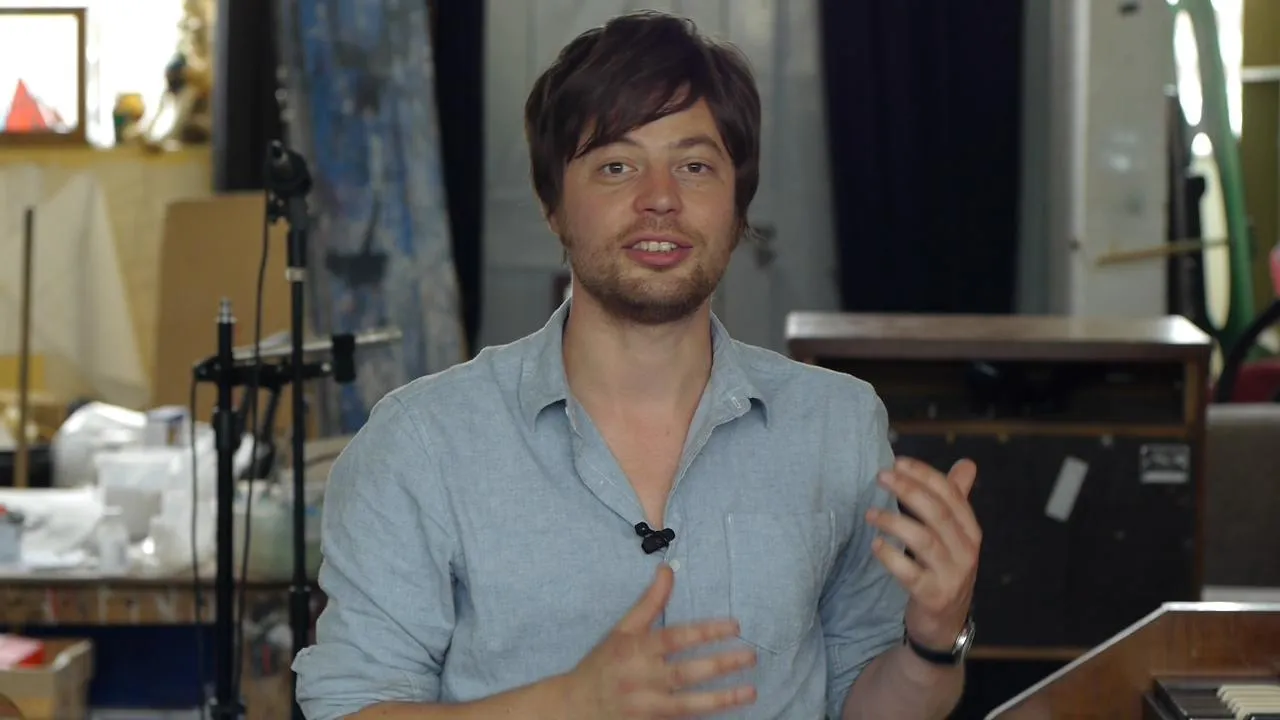
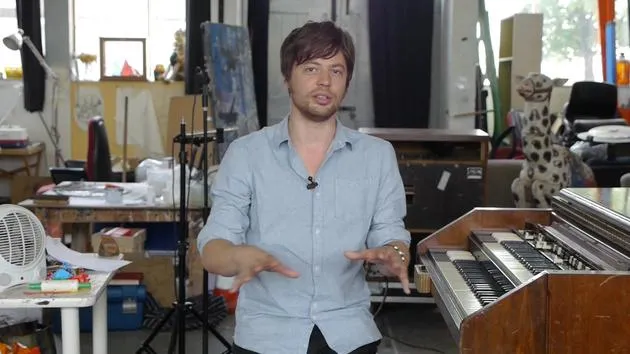
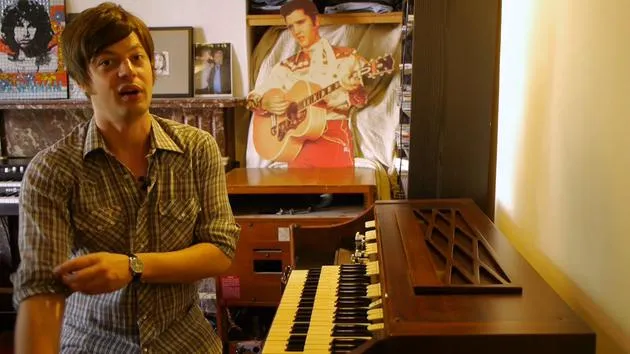
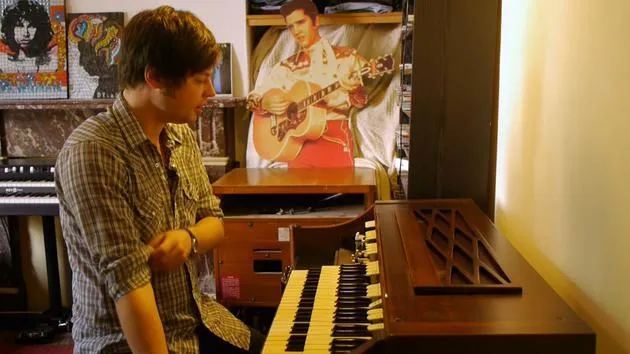
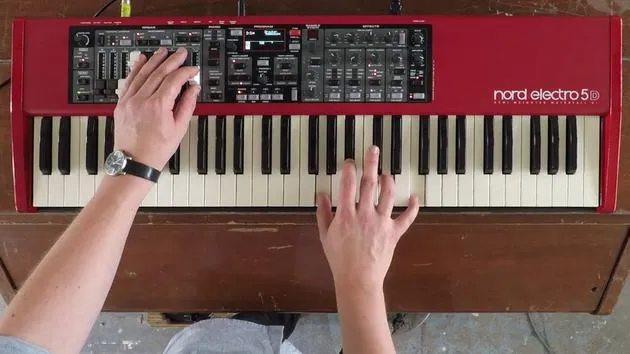
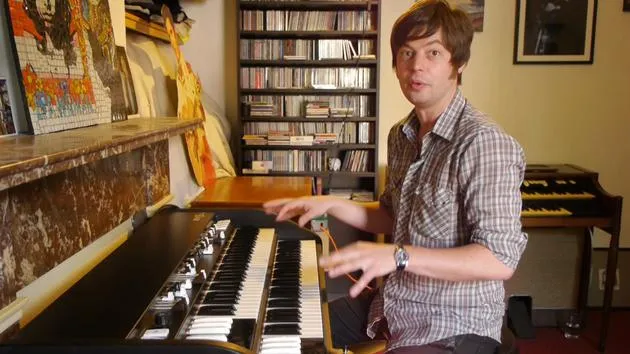
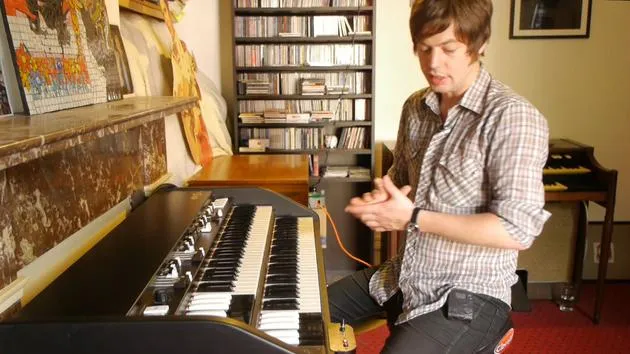
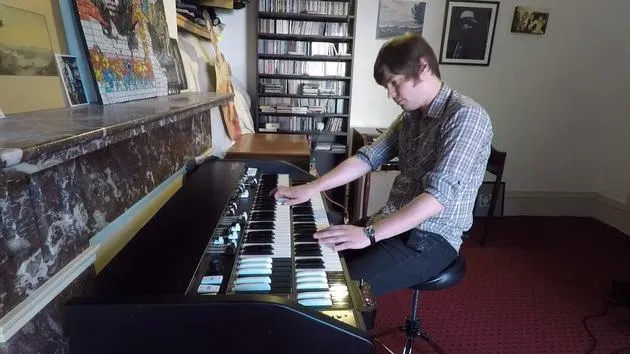
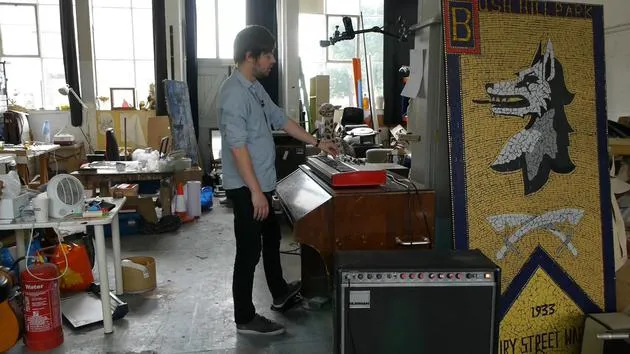
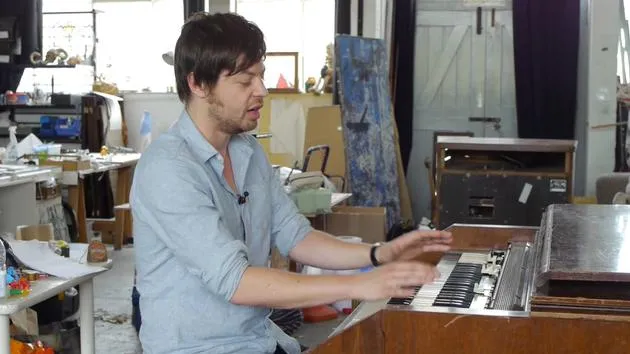
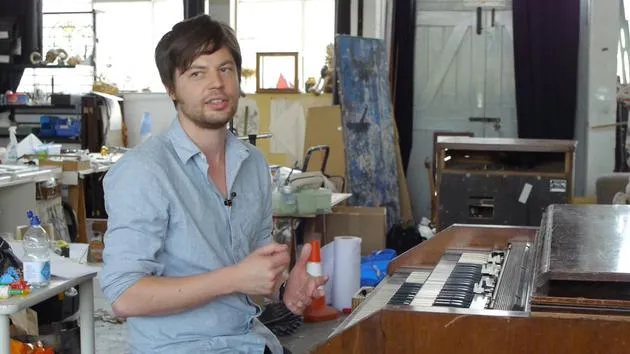
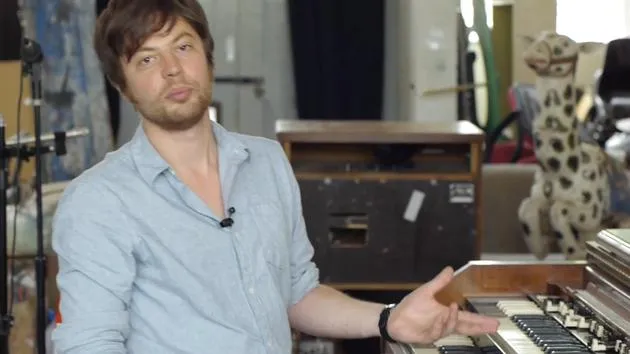
Joe GlossopJoe Glossop shows which classic Hammond techniques carry over to digital clones, demonstrating on the more limited Nord Electro 5D.
What's in the course
45 lessons (3h 0m) · 1 free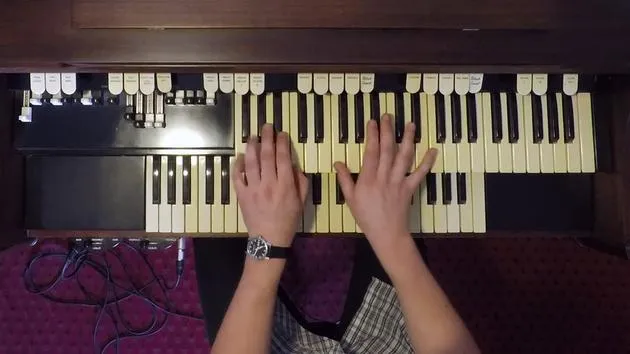
01. Performance: 'Green Onions' Booker T
3:01
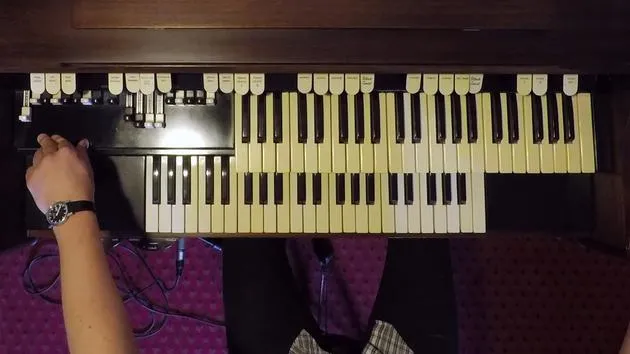
02. Tones: 'Green Onions' Booker T
3:08
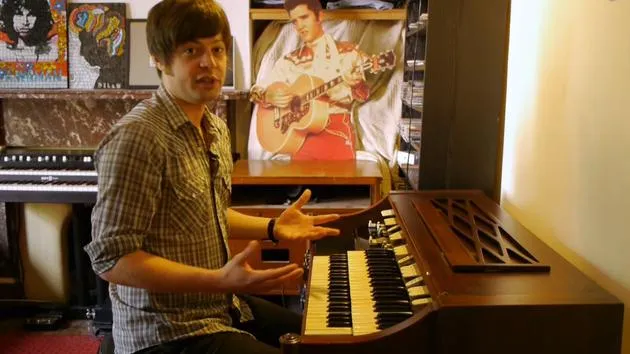
03. Playing the tune: 'Green Onions' Booker T
8:21
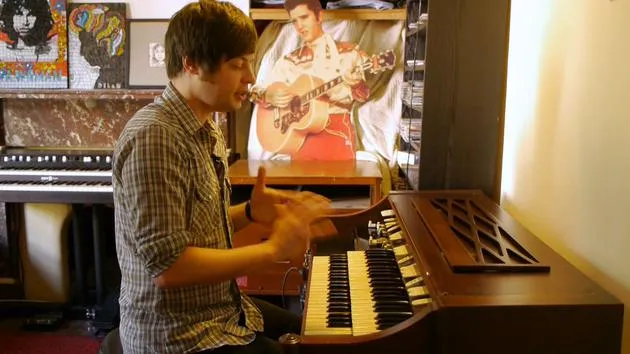
04. Lead lines: 'Green Onions' Booker T
4:43
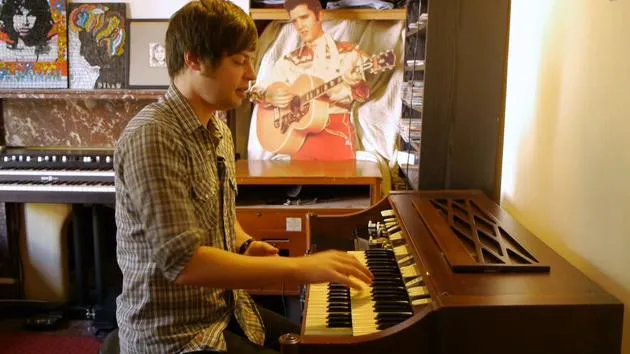
05. Bassline: 'Green Onions' Booker T
2:01
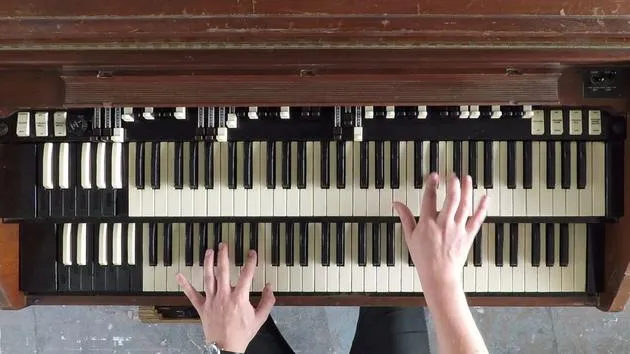
06. Performance: Jimmy McGriff - All About My Girl
3:43
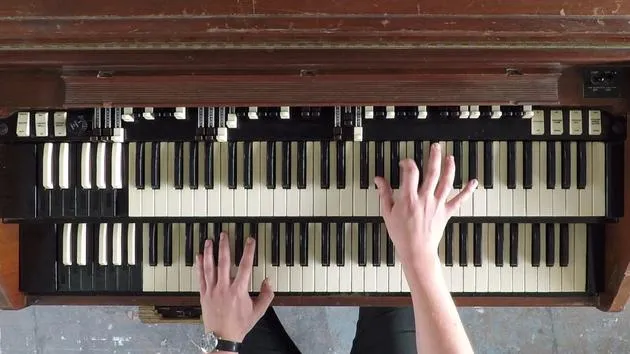
07. Keyboard view performance: Jimmy McGriff - All About My Girl
3:43
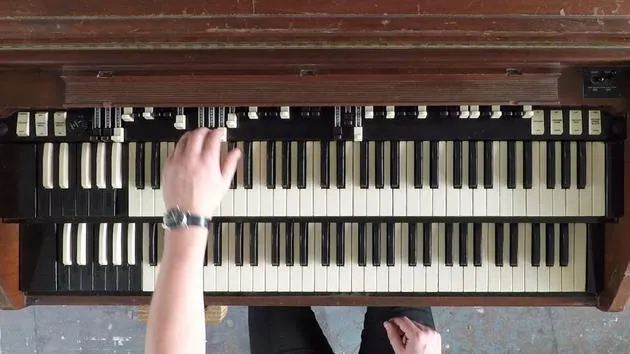
08. Tones: 'All About My Girl' - Jimmy McGriff
4:01
09. Intro: 'All About My Girl' - Jimmy McGriff
2:10
10. Playing the head: 'All About My Girl' - Jimmy McGriff
2:58
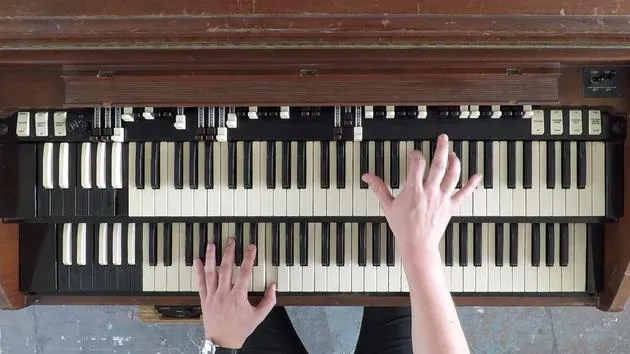
11. Bassline: 'All About My Girl' - Jimmy McGriff
1:52
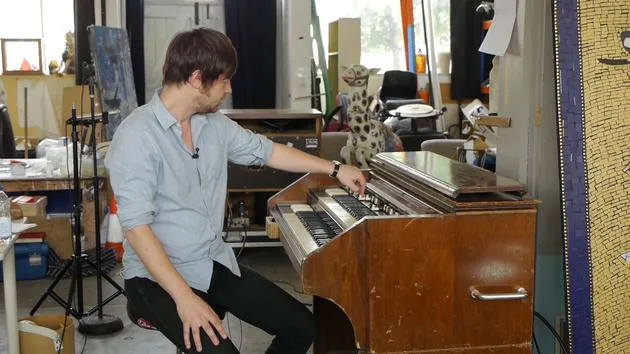
12. Ending: 'All About My Girl' - Jimmy McGriff
1:51
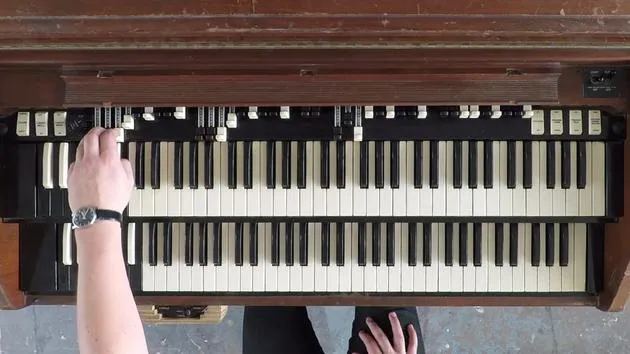
13. Improvisation and comping: 'All About My Girl' - Jimmy McGriff
4:38
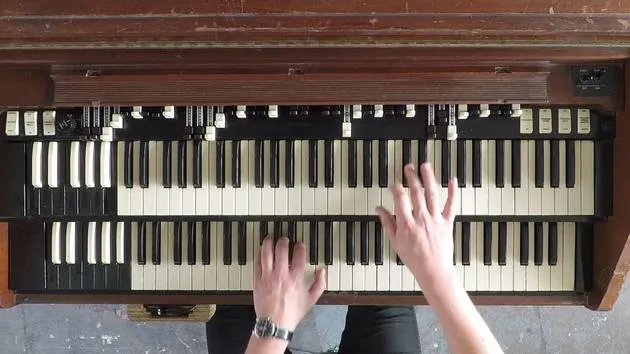
01. A Change is Gonna Come' - Sam Cooke
7:46
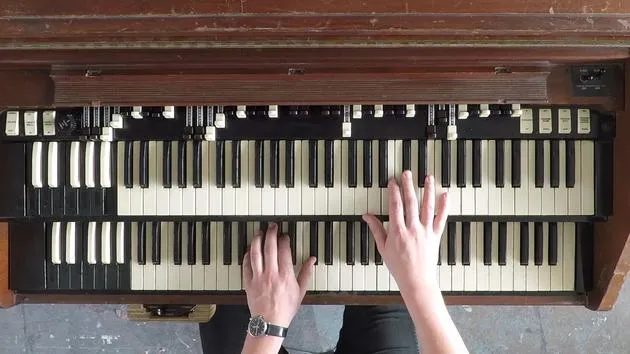
02. Keyboard View: 'A Change is Gonna Come' - Sam Cooke
1:20
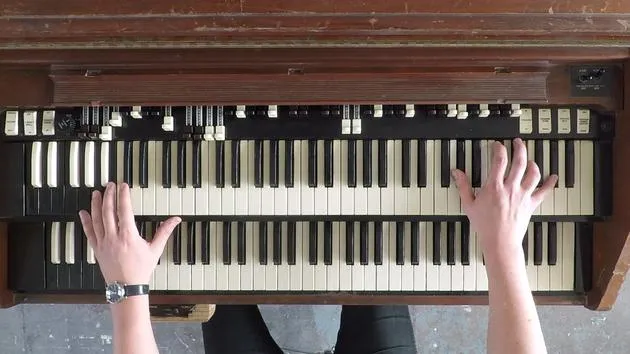
03. La La means I love you' - Booker T
5:39
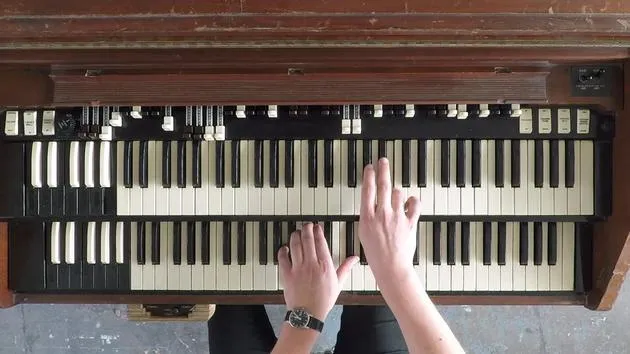
04. Keyboard view: 'La La means I love you' - Booker T
2:25
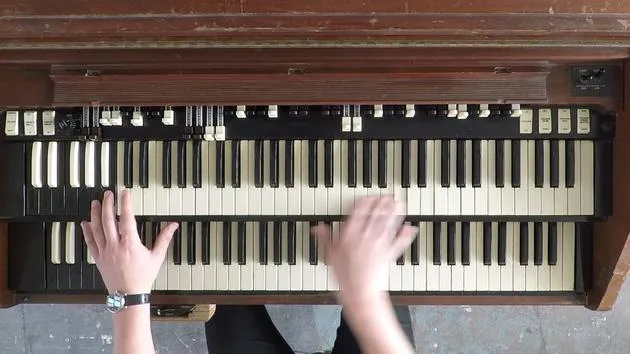
05. Groovin' Booker T & the MGs
4:57
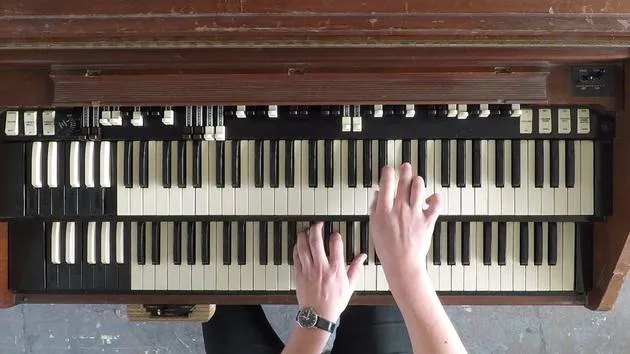
06. Keyboard view: 'Groovin' ' - Booker T & the MGs
1:15
07. Time is Tight' - Booker T & the MGs
5:31
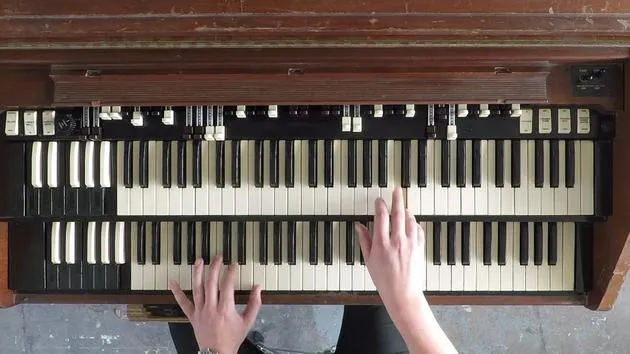
08. Keyboard view: 'Time is Tight' - Booker T & the MGs
1:39
09. 'The Girl from Ipanema' - Antonio Carlos Jobim
6:17
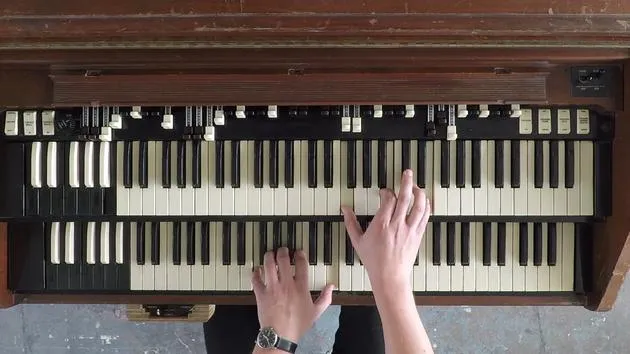
10. Keyboard view: 'The Girl from Ipanema' - Antonio Carlos Jobim
2:36
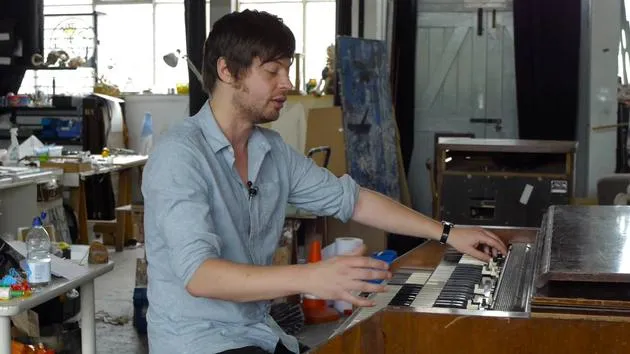
11. Blues based on 'Blue Bash' - Jimmy Smith
7:59
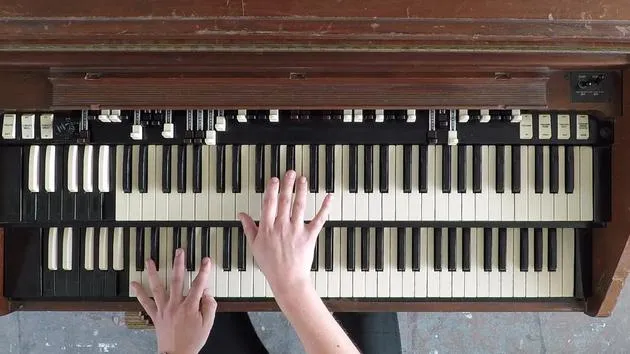
12. Keyboard view: Blues based on 'Blue Bash' - Jimmy Smith
3:24
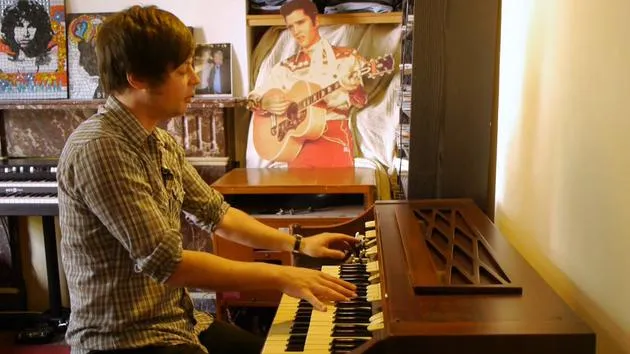
13. Walk on the Wild Side' M series jam - Jimmy Smith
6:44
Lesson transcript
Techniques for Hammond and Digital Clones
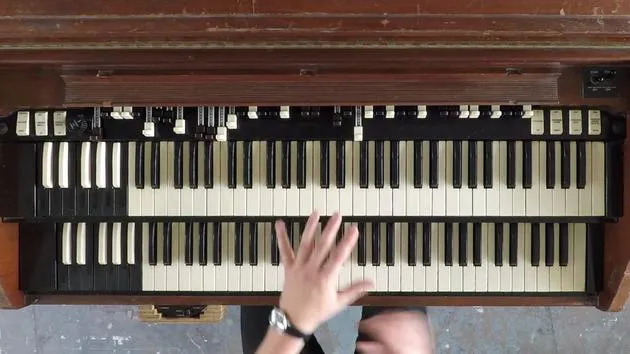
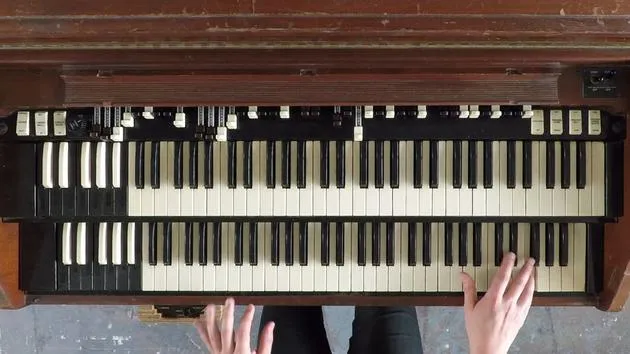
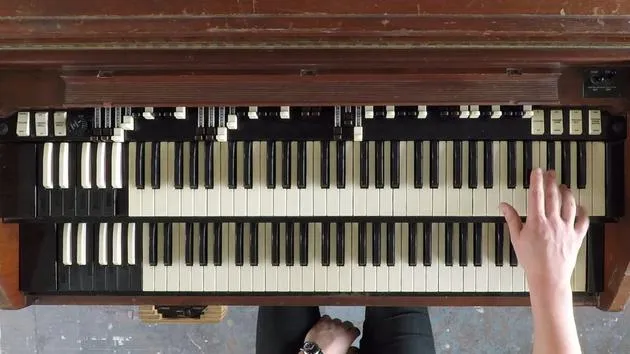
In our previous discussion, we explored specific techniques that are characteristic of Hammond organs, many of which can also be applied to digital clones. Let's review some of these techniques:
Key Techniques
-
Quickly Repeated Note with Percussion
This technique translates well to digital versions. The reproduction is quite faithful. -
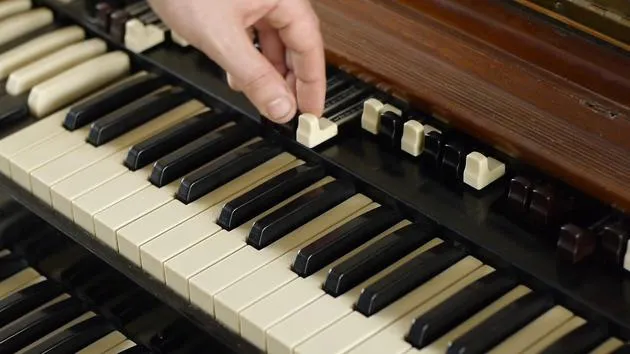
Held Note with Drawbar Variations
The digital clones also handle this well.
Tip: If I set it to slow, without vibrato or percussion, you can really hear the drawbar variations. -
Leslie Simulation
The simulation isn't bad at all. While it can't replicate the physical act of moving air and placing a mic in front of it, you can get reasonably close.
Recommendation
If you have a chance to visit a studio or a friend who owns a real Hammond, I highly encourage you to give it a try. You'll have a lot of fun!
Conclusion
In the meantime, using digital clones is a very good starting point for practicing and exploring these techniques.
45 lessons
3h 0m of structured video lessons
Advanced video features
Slow down, loop a passage, follow along
Mobile, tablet & desktop
Practise wherever you are
100% satisfaction guarantee
30-day money-back guarantee
Meet your guru
Meet your guru
Joe Glossop is a keyboard player from Sheffield who has made his name on the Hammond organ. He currently holds the organ chair in Tom Jones's touring band, and has played with Van Morrison and James Hunter, as well as on piano and Rhodes. His courses get the real Hammond sound out of any keyboard - drawbar registration, the Leslie, the walking-bass left hand, and the comping and soloing vocabulary of the soul-jazz, blues and rock organ traditions, from Jimmy Smith to Booker T.