Walkdown in 'I'm a Man', Spencer Davis Group

With
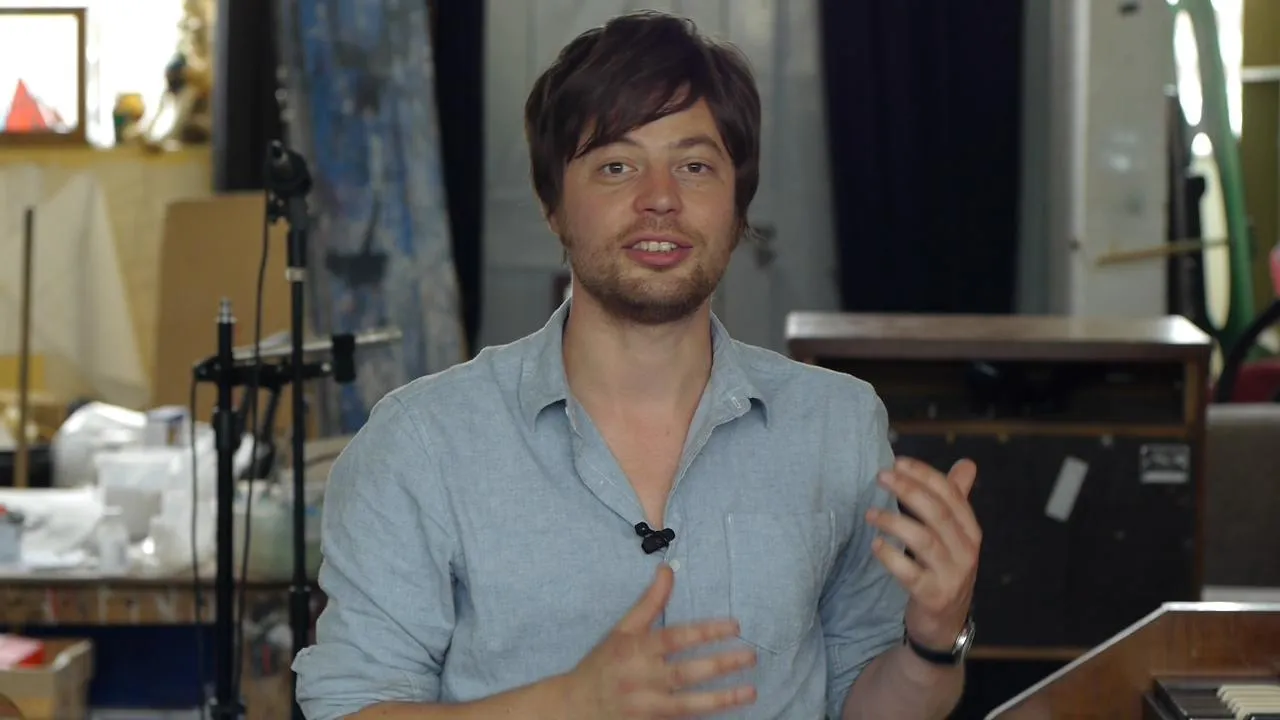
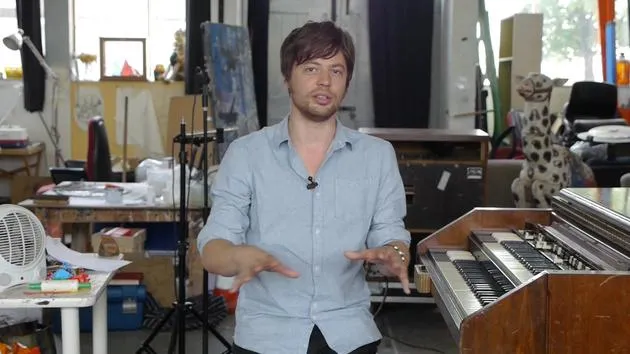
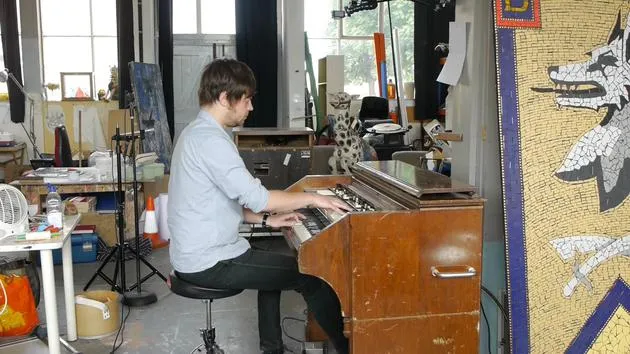
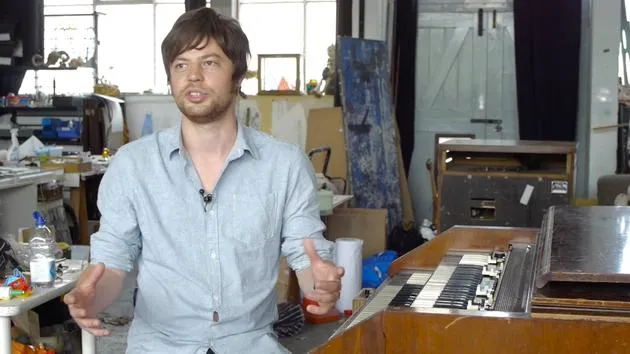
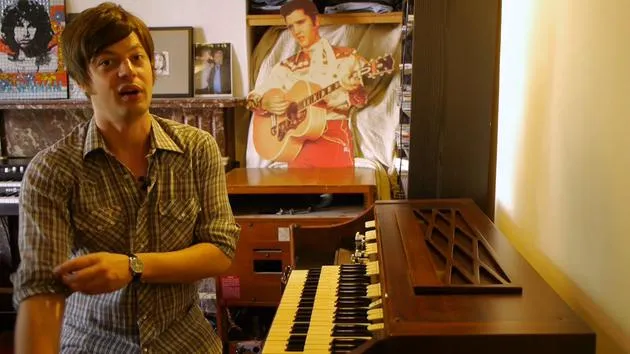
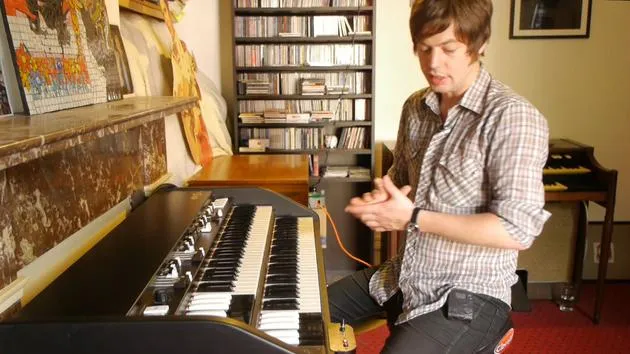
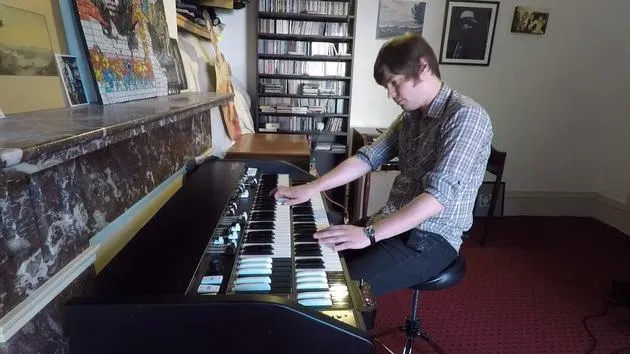
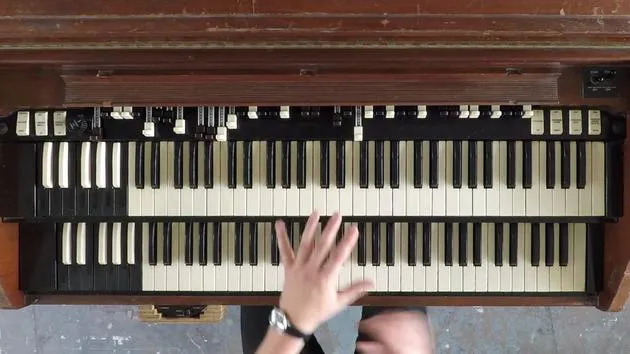
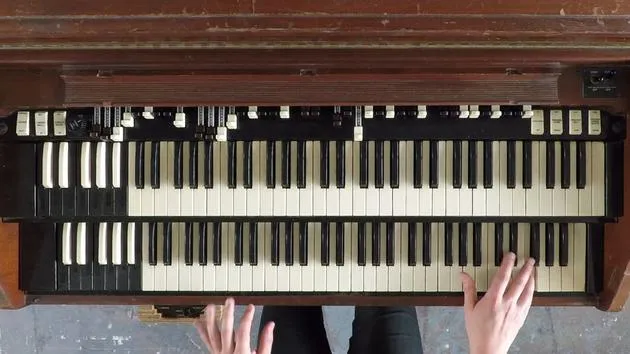
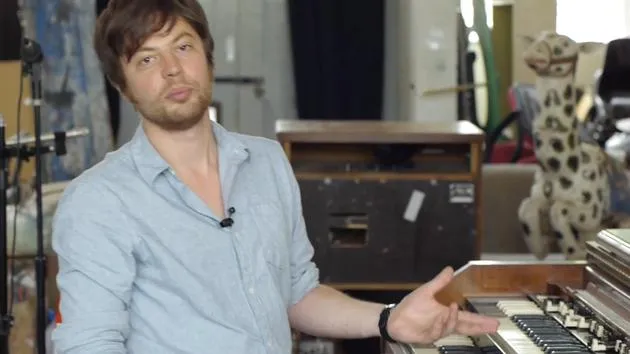
Joe GlossopThe organ lends itself to 'moments' in tracks rather than necessarilly featuring throughout. In this section of the course, Joe teaches us some of these classic Hammond moments, starting with Spencer Davis Group's 'I'm A Man' where Steve Winwood played a classic walkdown.
You can hear the classic versions of the tunes featured in this course in Joe's spotify playlist check it out here.
What's in the course
45 lessons (3h 0m) · 1 free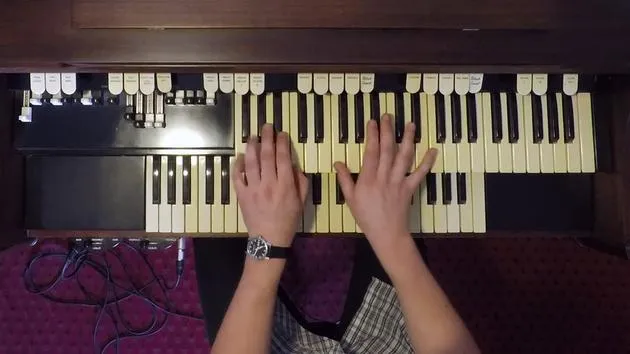
01. Performance: 'Green Onions' Booker T
3:01
02. Tones: 'Green Onions' Booker T
3:08
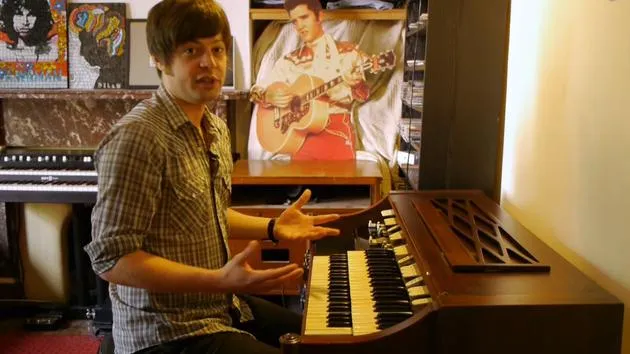
03. Playing the tune: 'Green Onions' Booker T
8:21
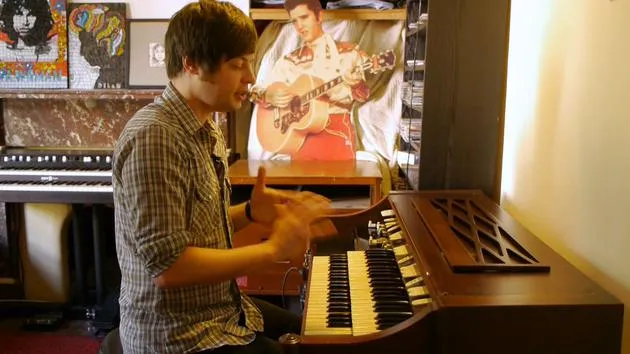
04. Lead lines: 'Green Onions' Booker T
4:43
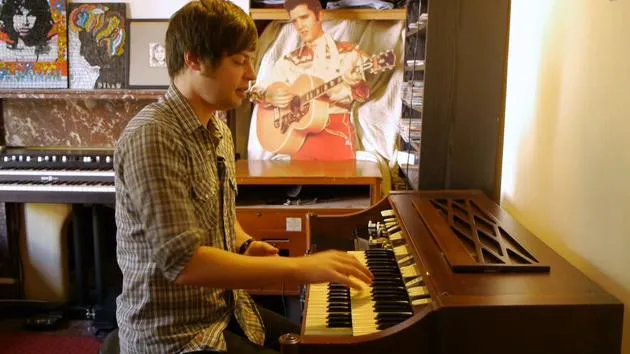
05. Bassline: 'Green Onions' Booker T
2:01
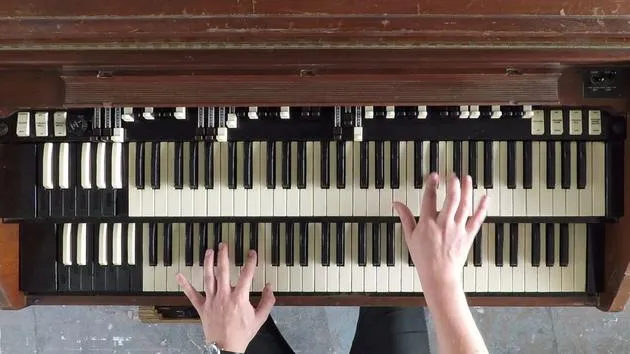
06. Performance: Jimmy McGriff - All About My Girl
3:43
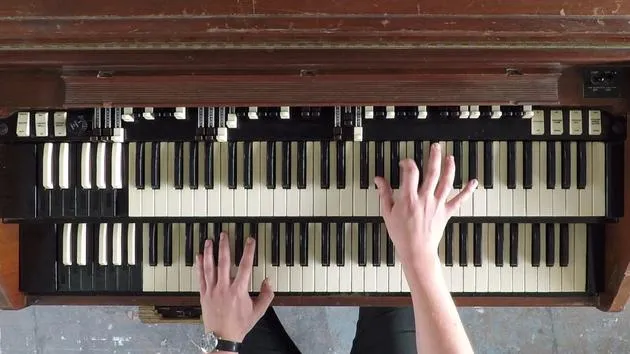
07. Keyboard view performance: Jimmy McGriff - All About My Girl
3:43
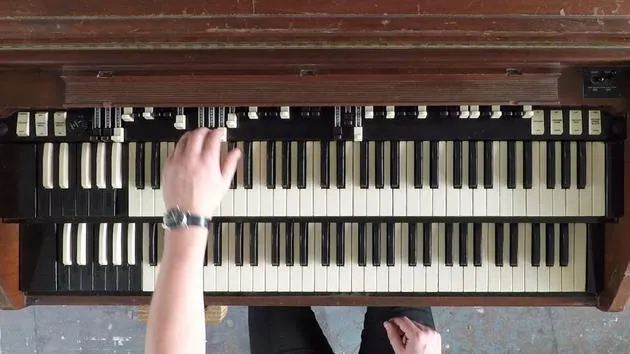
08. Tones: 'All About My Girl' - Jimmy McGriff
4:01
09. Intro: 'All About My Girl' - Jimmy McGriff
2:10
10. Playing the head: 'All About My Girl' - Jimmy McGriff
2:58
11. Bassline: 'All About My Girl' - Jimmy McGriff
1:52
12. Ending: 'All About My Girl' - Jimmy McGriff
1:51
13. Improvisation and comping: 'All About My Girl' - Jimmy McGriff
4:38
01. A Change is Gonna Come' - Sam Cooke
7:46
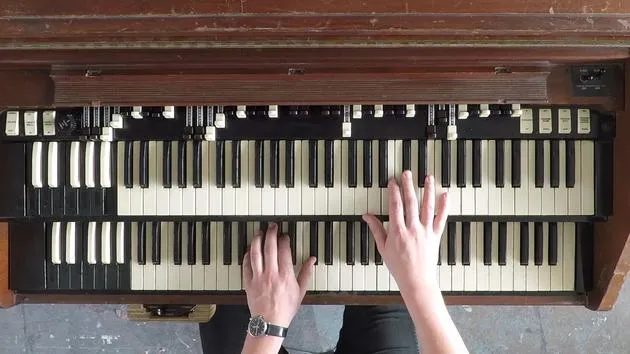
02. Keyboard View: 'A Change is Gonna Come' - Sam Cooke
1:20
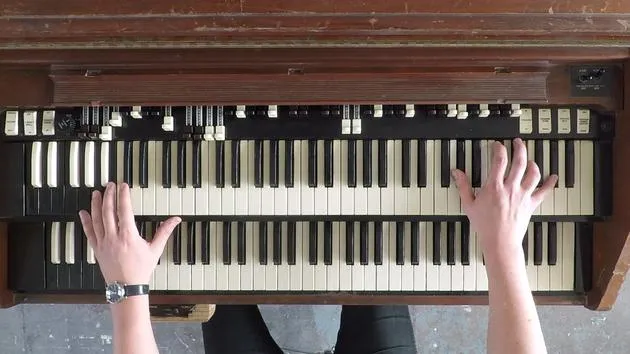
03. La La means I love you' - Booker T
5:39
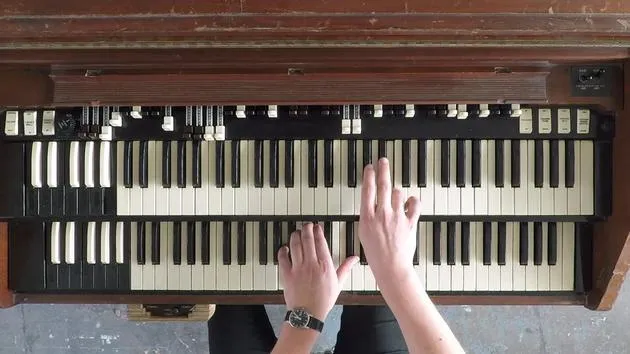
04. Keyboard view: 'La La means I love you' - Booker T
2:25
05. Groovin' Booker T & the MGs
4:57
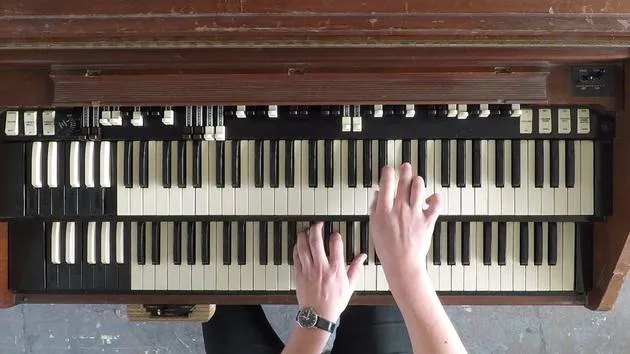
06. Keyboard view: 'Groovin' ' - Booker T & the MGs
1:15
07. Time is Tight' - Booker T & the MGs
5:31
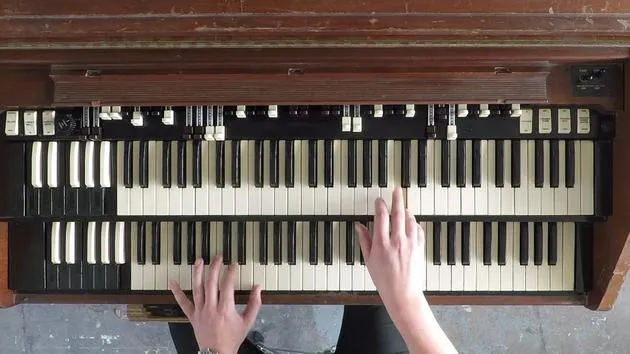
08. Keyboard view: 'Time is Tight' - Booker T & the MGs
1:39
09. 'The Girl from Ipanema' - Antonio Carlos Jobim
6:17
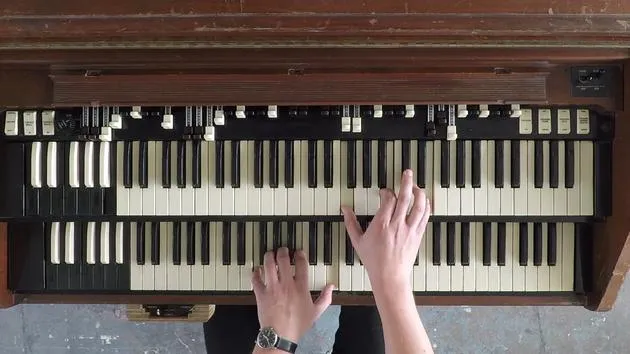
10. Keyboard view: 'The Girl from Ipanema' - Antonio Carlos Jobim
2:36
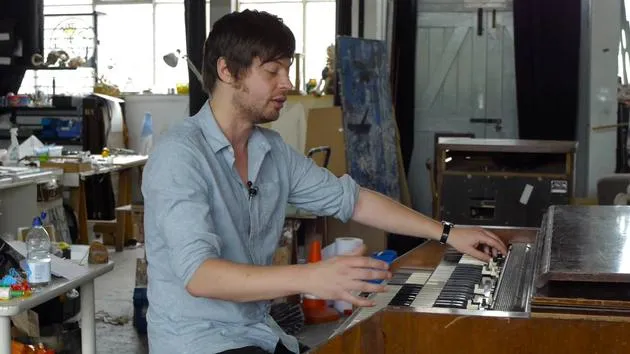
11. Blues based on 'Blue Bash' - Jimmy Smith
7:59
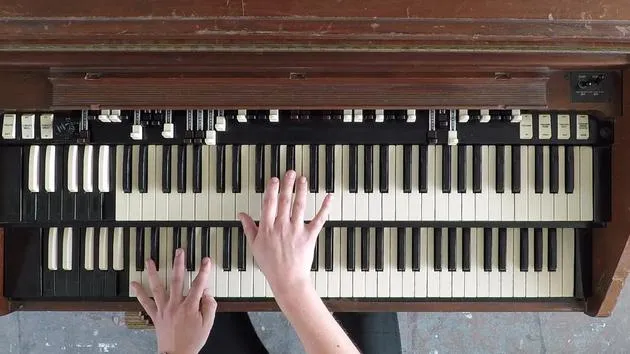
12. Keyboard view: Blues based on 'Blue Bash' - Jimmy Smith
3:24
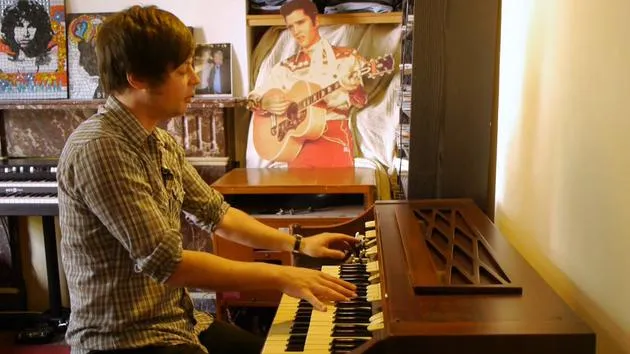
13. Walk on the Wild Side' M series jam - Jimmy Smith
6:44
Lesson transcript
Understanding the Role of the Organ in Music
So sometimes the organ isn't always a lead instrument or even an instrument which is throughout the track. It might be just a supporting instrument, or it might have a kind of impact moment that's very recognizable and then completely vanish out of the track until the next time that part happens.
Some of the tracks you think of when you think of Hammond organ are probably some of those tracks.
Key Focus Areas
We're going to look at some of those specific moments, tones, and phrasing, and try to nail them down because they'll be parts of records you know very well.
Spencer Davies Group
Firstly, I'm a big fan of the Spencer Davies Group. They were a sort of R&B British outfit in the 60s. The main guy in that was Steve Winwood, who's a big hero of mine:
- Great organ player
- Great piano player
- Great singer
- Great guitar player
We're going to look at a couple of their tracks.
"I'm A Man"
"I'm A Man" was a big hit in '66, I think '67. You might recognize that as part of that hit.
- There's a very cool approach in that track.
- A lot of percussion going on.
- A lot of wild things happening.
The theme that comes back is that kind of chord some people call the Hendrix chord (usually guitar players, but with good reason). Whether you call it a sharp minor or a flat 10 is up to you, it depends on what instrument you play and how you think about it.
Playing Techniques
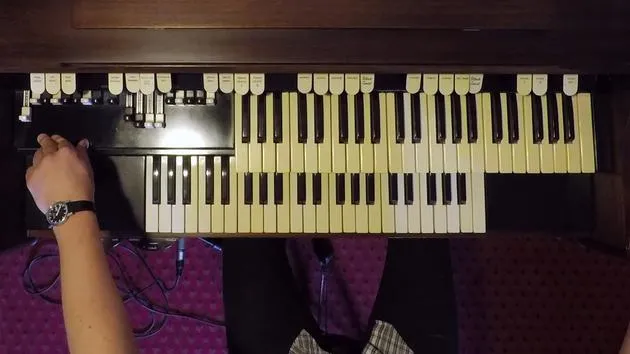
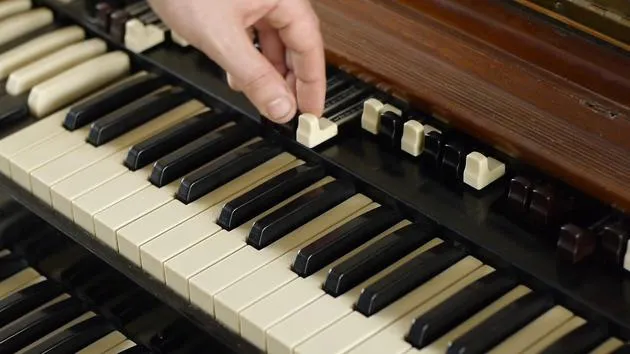
- I'm playing it like that; you could choose your drawbar setting.
- You could do it more like that, but you might have noticed we're on stop there.
The Walk Down
What happens when you get to the walk down?
- You're walking down from G, F sharp, F back to the one.
- That's basically all that's happening.
Getting the tone and the walk down with the Leslie changing from stop to fast are the main characteristics of it.
Voicing and Inversions
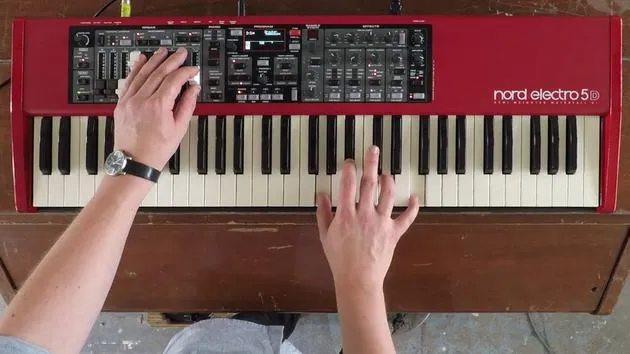
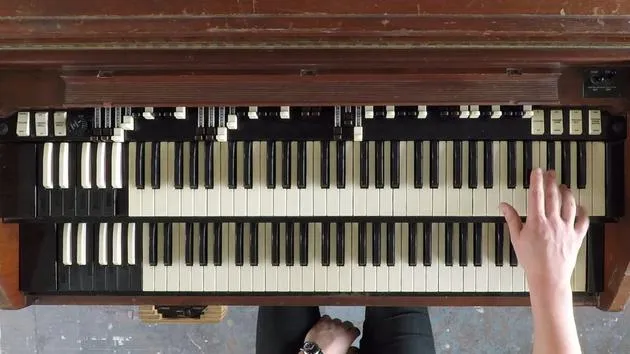
Looking at the voicing of the walk down:
- Very simple:
- G major, got a 3 at the bottom (3, 5, 1).
- Exactly the same, just moving it down a semitone, same inversion, down to F.
This is the moment where you flip the Leslie when you go to the G there.
- You can also swell a bit into that to really accentuate the moment where the Leslie goes, and you're into the walk down.
Bassline Considerations
Baseline-wise, you can put a little skip in there, like I just did.
- It just helps move it along a little bit in the track.
- It's not going to be the organ playing the bass; it's going to be the bass player.
So he would have done whatever he might have done, but that's kind of how I would play it.
45 lessons
3h 0m of structured video lessons
Advanced video features
Slow down, loop a passage, follow along
Mobile, tablet & desktop
Practise wherever you are
100% satisfaction guarantee
30-day money-back guarantee
Meet your guru
Meet your guru
Joe Glossop is a keyboard player from Sheffield who has made his name on the Hammond organ. He currently holds the organ chair in Tom Jones's touring band, and has played with Van Morrison and James Hunter, as well as on piano and Rhodes. His courses get the real Hammond sound out of any keyboard - drawbar registration, the Leslie, the walking-bass left hand, and the comping and soloing vocabulary of the soul-jazz, blues and rock organ traditions, from Jimmy Smith to Booker T.