Thinking and playing like an organist

With
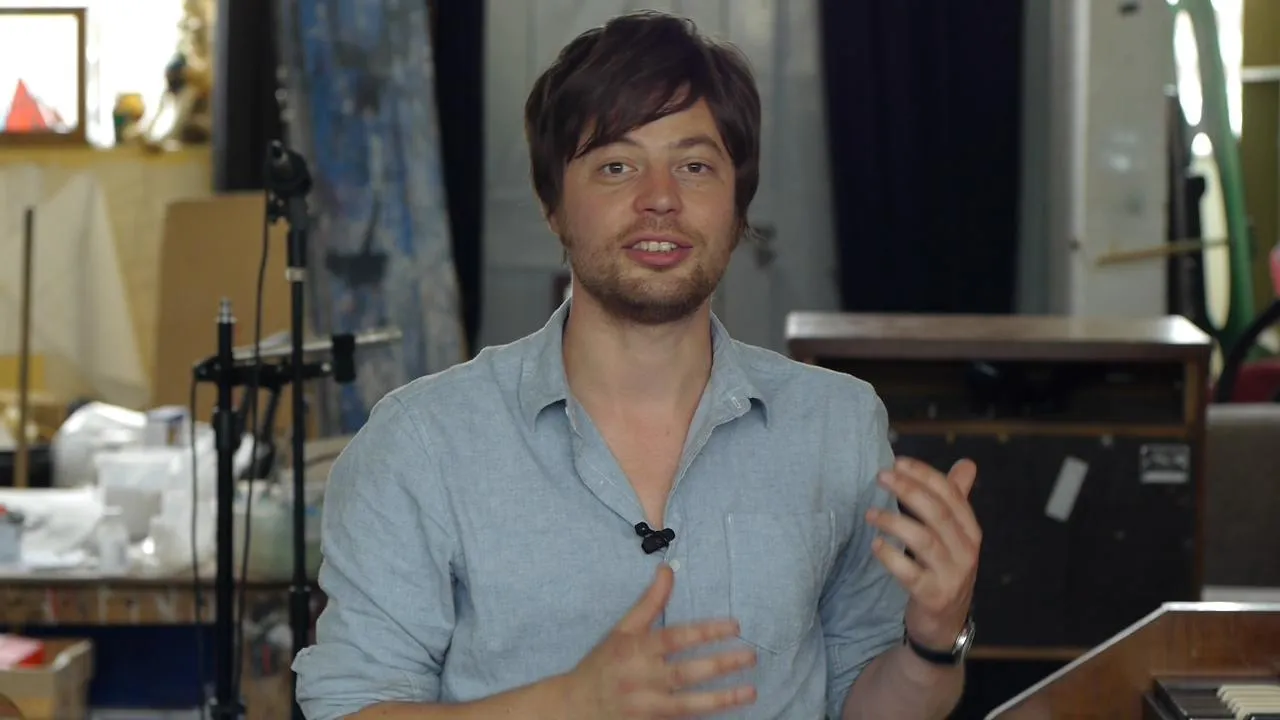
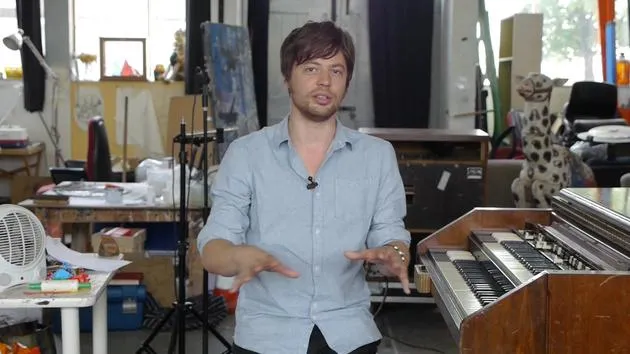
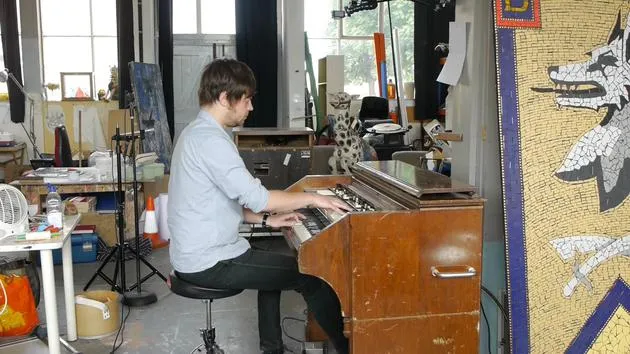
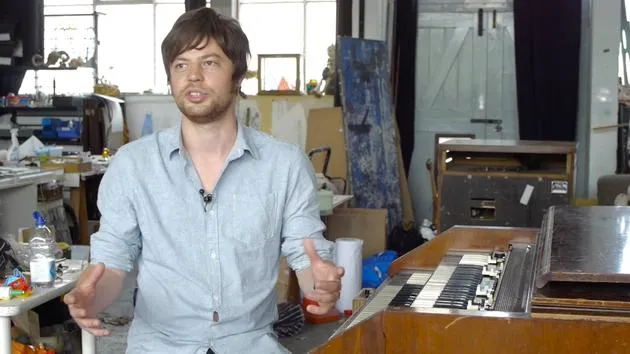
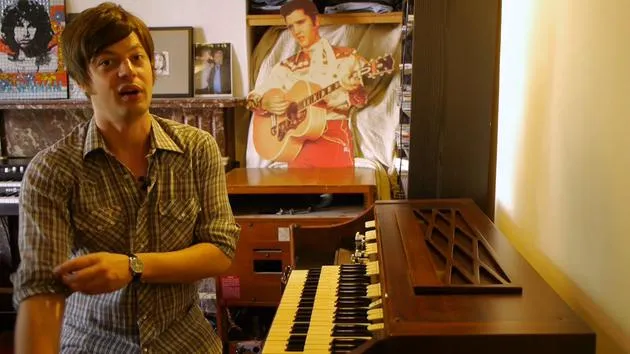
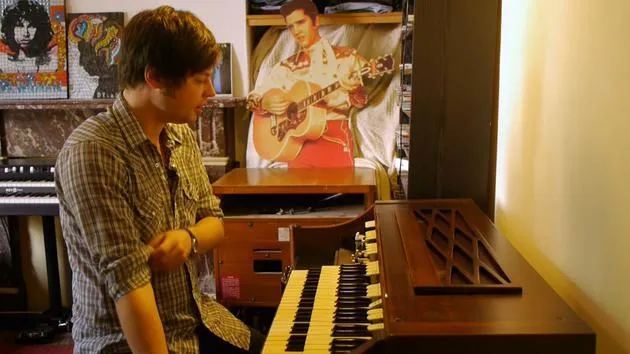
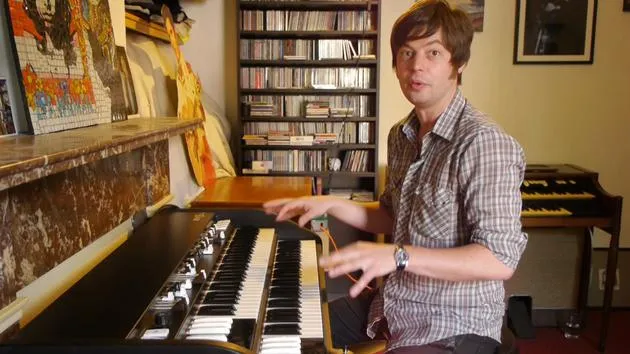
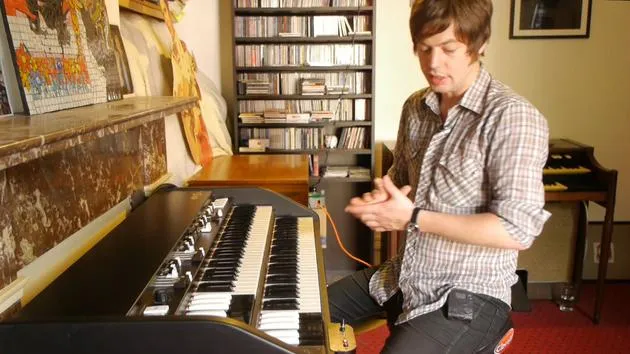
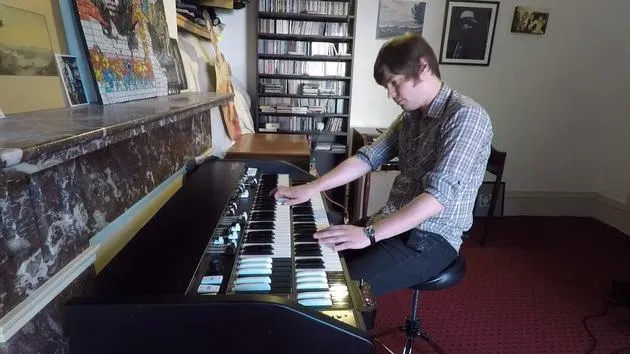
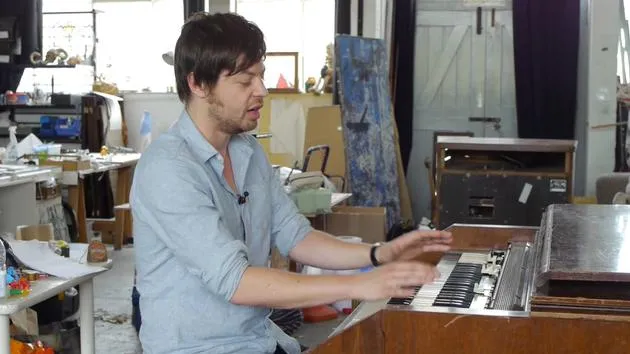
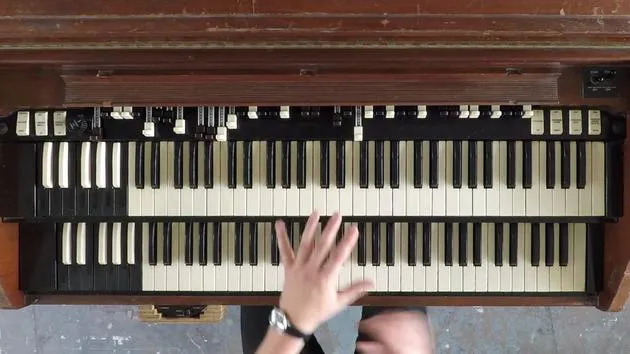
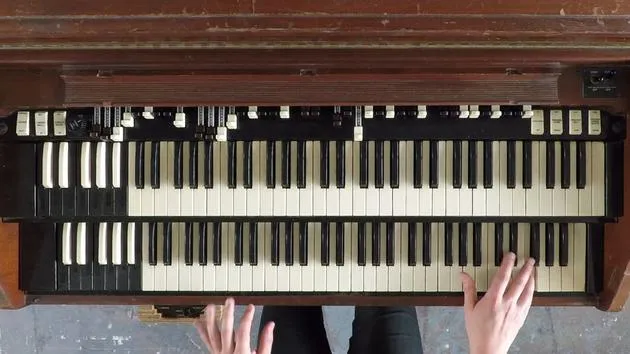
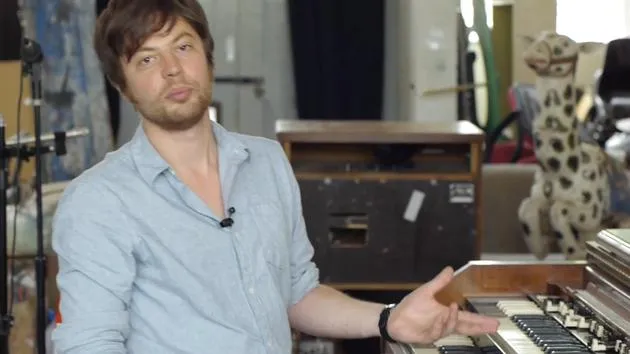
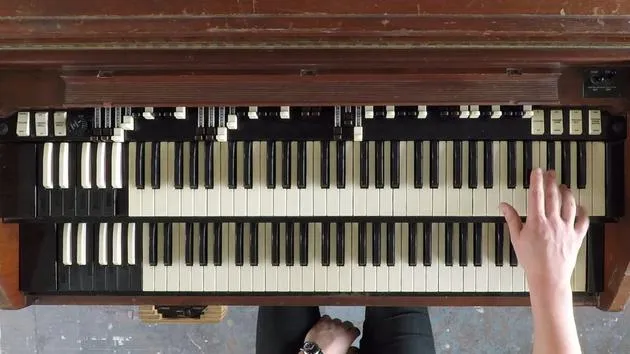
Joe GlossopThe organ serves a very different function to a piano or keyboard. Joe talks about how to start thinking like an organist, which will then get you playing like one.
You can hear the classic versions of the tunes featured in this course in Joe's spotify playlist check it out here. https://open.spotify.com/user/musicgurus_hq/playlist/1rwixpxQD7PIvkfz6no3ut
What's in the course
45 lessons (3h 0m) · 1 free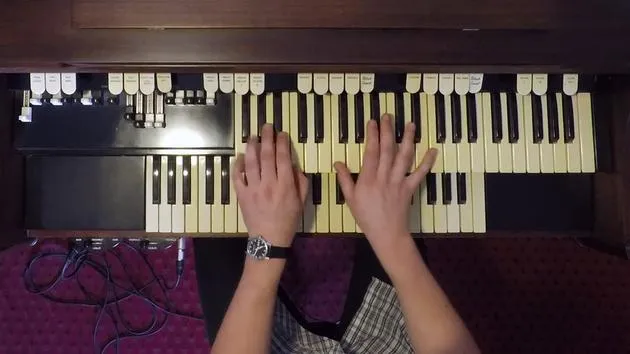
01. Performance: 'Green Onions' Booker T
3:01
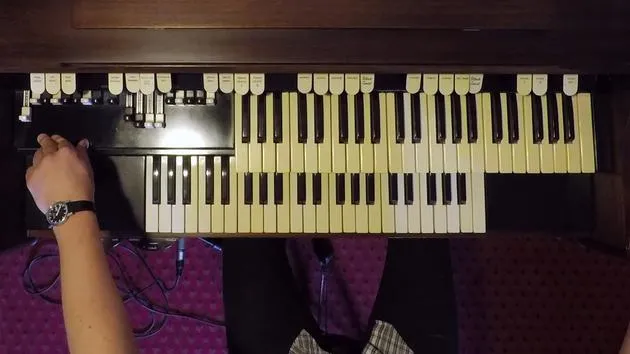
02. Tones: 'Green Onions' Booker T
3:08
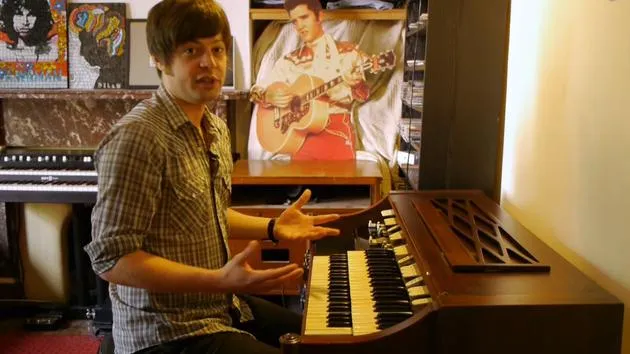
03. Playing the tune: 'Green Onions' Booker T
8:21
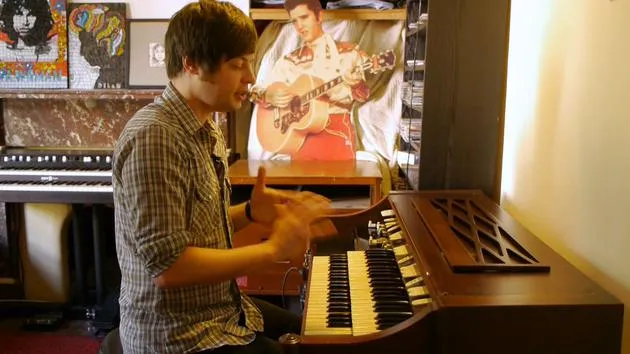
04. Lead lines: 'Green Onions' Booker T
4:43
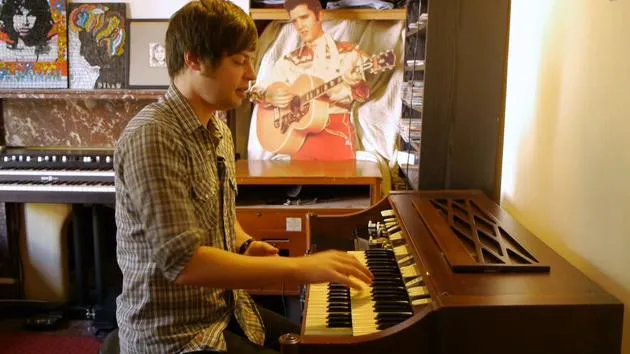
05. Bassline: 'Green Onions' Booker T
2:01
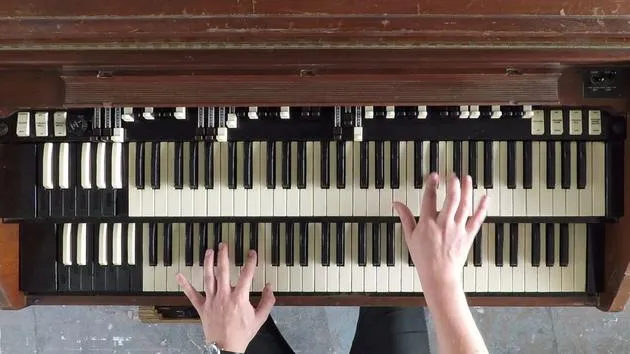
06. Performance: Jimmy McGriff - All About My Girl
3:43
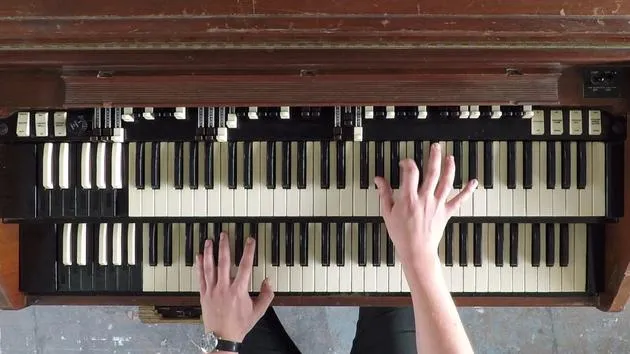
07. Keyboard view performance: Jimmy McGriff - All About My Girl
3:43
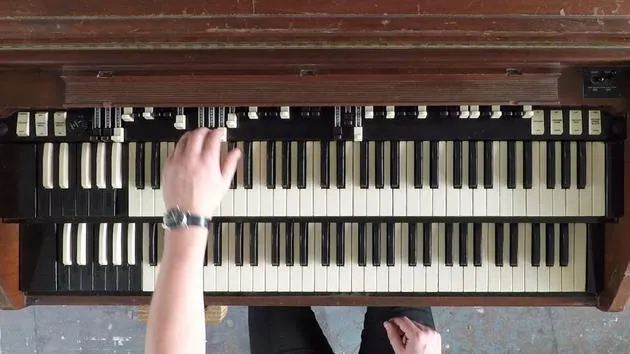
08. Tones: 'All About My Girl' - Jimmy McGriff
4:01
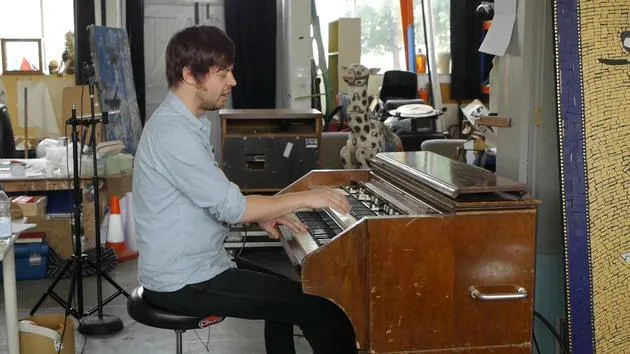
09. Intro: 'All About My Girl' - Jimmy McGriff
2:10
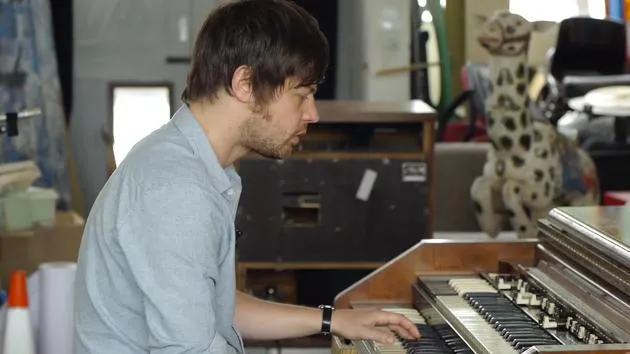
10. Playing the head: 'All About My Girl' - Jimmy McGriff
2:58
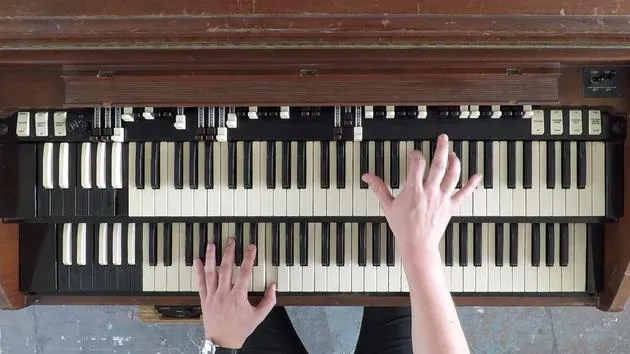
11. Bassline: 'All About My Girl' - Jimmy McGriff
1:52
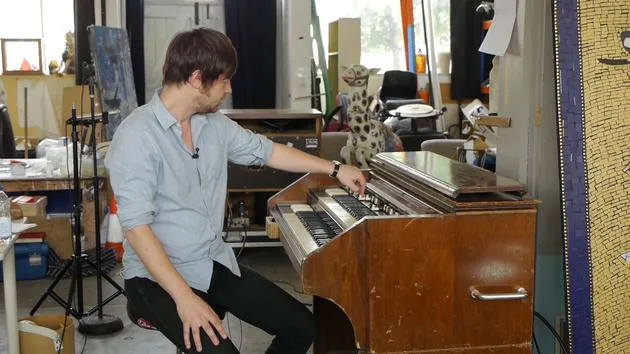
12. Ending: 'All About My Girl' - Jimmy McGriff
1:51
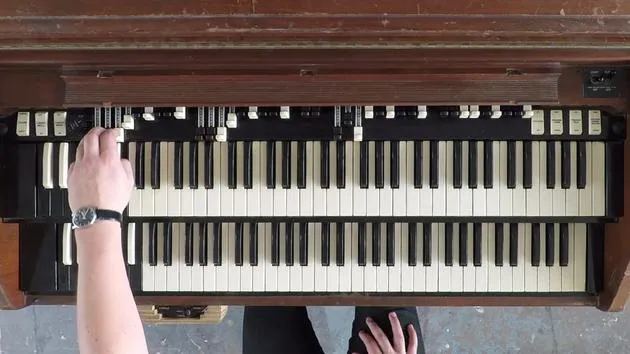
13. Improvisation and comping: 'All About My Girl' - Jimmy McGriff
4:38
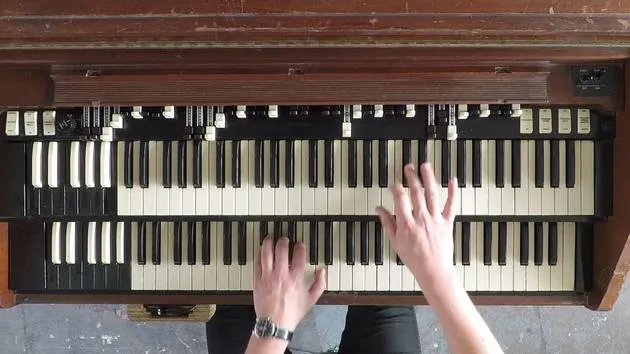
01. A Change is Gonna Come' - Sam Cooke
7:46
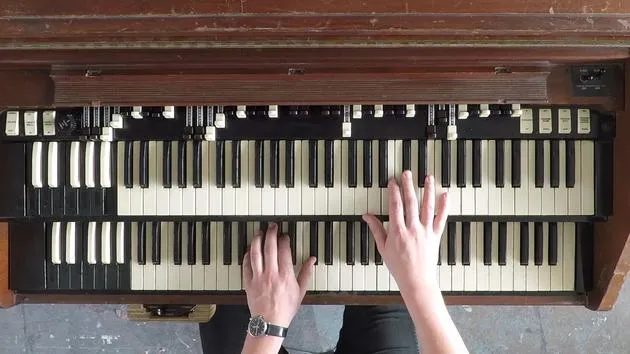
02. Keyboard View: 'A Change is Gonna Come' - Sam Cooke
1:20
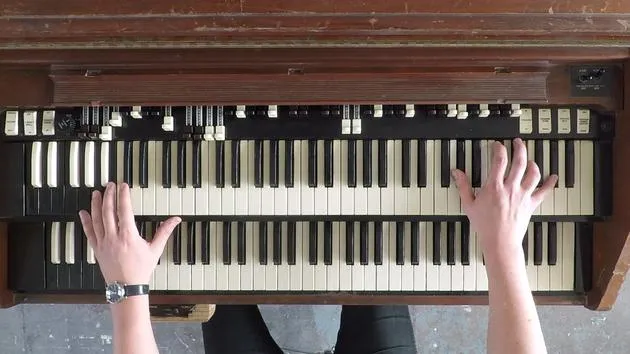
03. La La means I love you' - Booker T
5:39
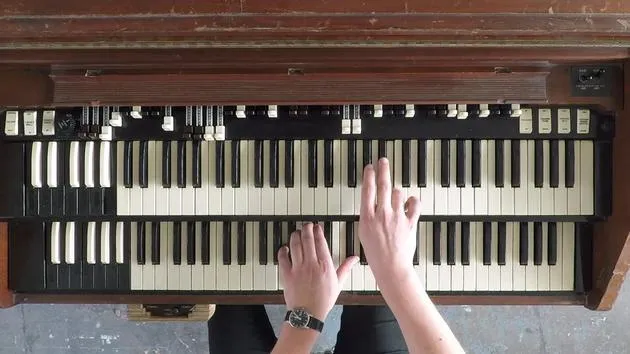
04. Keyboard view: 'La La means I love you' - Booker T
2:25
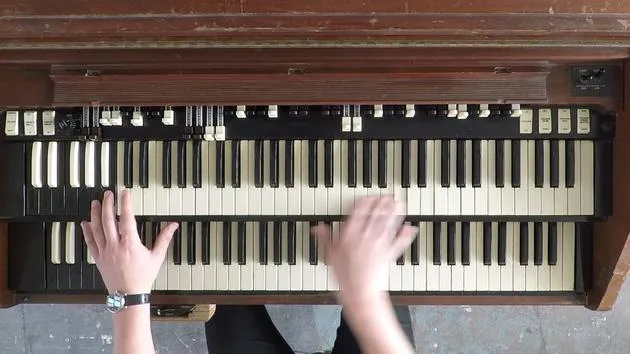
05. Groovin' Booker T & the MGs
4:57
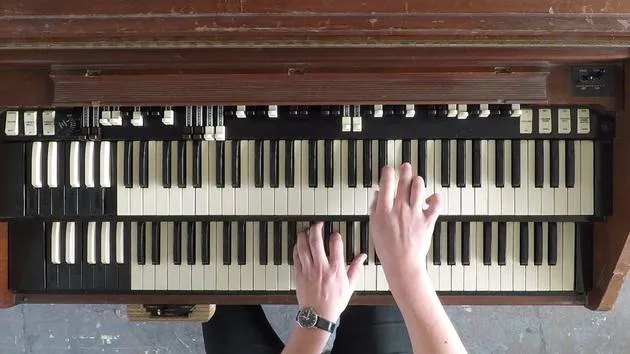
06. Keyboard view: 'Groovin' ' - Booker T & the MGs
1:15
07. Time is Tight' - Booker T & the MGs
5:31
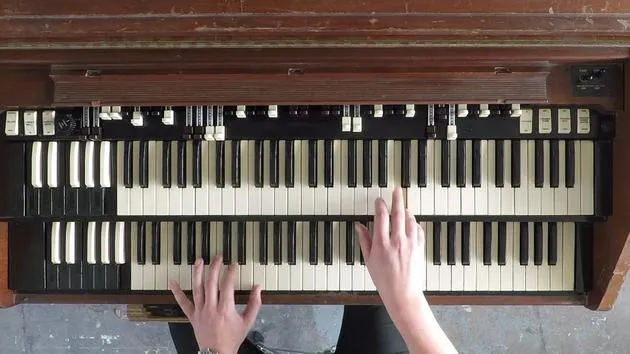
08. Keyboard view: 'Time is Tight' - Booker T & the MGs
1:39
09. 'The Girl from Ipanema' - Antonio Carlos Jobim
6:17
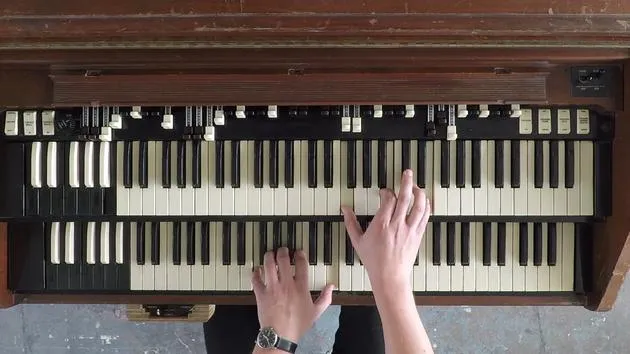
10. Keyboard view: 'The Girl from Ipanema' - Antonio Carlos Jobim
2:36
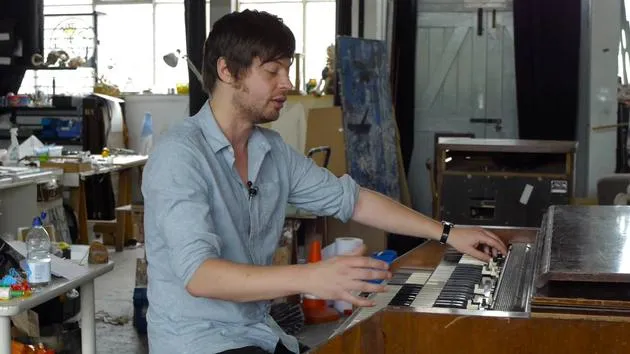
11. Blues based on 'Blue Bash' - Jimmy Smith
7:59
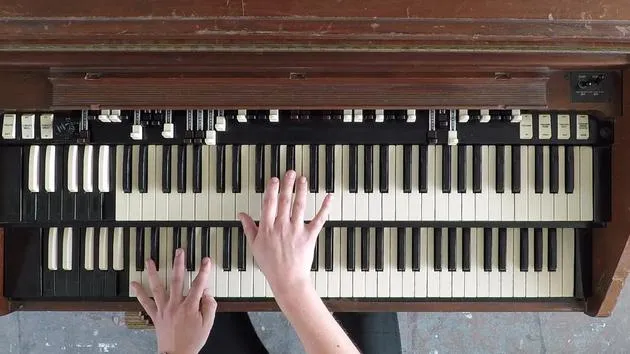
12. Keyboard view: Blues based on 'Blue Bash' - Jimmy Smith
3:24
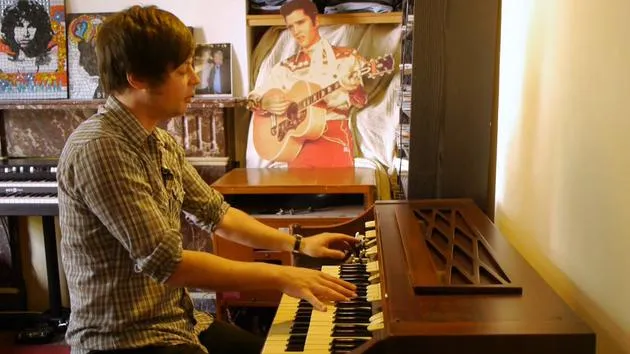
13. Walk on the Wild Side' M series jam - Jimmy Smith
6:44
Lesson transcript
Understanding the Organ
So, playing the organ is a very different beast from the piano.
I started on piano, as many of you will, I imagine. At first, you don't really have an idea of what you're aiming for.
Key Differences
- Sound and Feel: It's not just about the difference in the sound or the feel of the keys.
- Role in a Track: Understanding what your role is in a track can be quite challenging, especially when switching back into the organ mindset after playing more piano.
Mindset Shift
If you've been playing piano, say, in bands or on keyboards, you have to get out of a mindset of trying to do too much or trying to mark too much.
- You need to see yourself more as a luxury layer that can sprinkle a bit of something here and there to embellish or support and then get out of the way.
This is particularly crucial in bands with singers, where you're not the lead, where you're not the focus.
The Skill of Support
Using the right tones for the right part at just the right moment and then backing out is the real skill.
- The notes come more easily if you're already a player.
- The true challenge lies in having the taste and knowledge to know when not to play and how to sculpt your sound around what's happening.
The Importance of Listening
Listening is key. I think that's the most important difference.
Exemplary Artists to Study
For some great examples of how to play in that supportive way, check out:
-
Billy Preston: He is phenomenal on Aretha's Live at the Fillmore West album and King Curtis's Live at the Fillmore West album. His ability to sculpt sound is unbelievable. One minute he's supporting the vocal with a pad, then playing an incredible rhythm bit that drives with the drums, reacting to others, and choosing the right sound at the right moment.
-
Ken Luppa: Featured on Aretha's Amazing Grace album, recorded live in a church. I've never found him on any other record, but he's incredible and similar in style to Billy Preston.
-
Steve Winwood: Anything with him is worth a look, including his work with the Spencer Davis Group and Traffic. He knows how to make the instrument sing and get all the different sounds.
-
Booker T: His approach to lead playing isn't in your face; a lot of it involves using tones and sculpting around while employing the swell pedal.
Conclusion
So, guys, this is an incredible instrument.
- It's very expressive.
- It's very rewarding.
- It's very exciting.
Let's find out how you really get those cool magic sounds out of it!
45 lessons
3h 0m of structured video lessons
Advanced video features
Slow down, loop a passage, follow along
Mobile, tablet & desktop
Practise wherever you are
100% satisfaction guarantee
30-day money-back guarantee
Meet your guru
Meet your guru
Joe Glossop is a keyboard player from Sheffield who has made his name on the Hammond organ. He currently holds the organ chair in Tom Jones's touring band, and has played with Van Morrison and James Hunter, as well as on piano and Rhodes. His courses get the real Hammond sound out of any keyboard - drawbar registration, the Leslie, the walking-bass left hand, and the comping and soloing vocabulary of the soul-jazz, blues and rock organ traditions, from Jimmy Smith to Booker T.