



Utilizing the extra emotion that the Gazell method provides
With
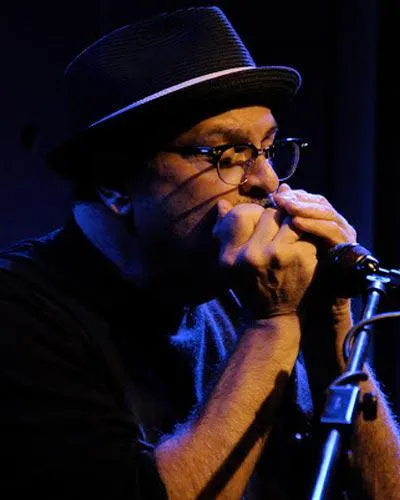
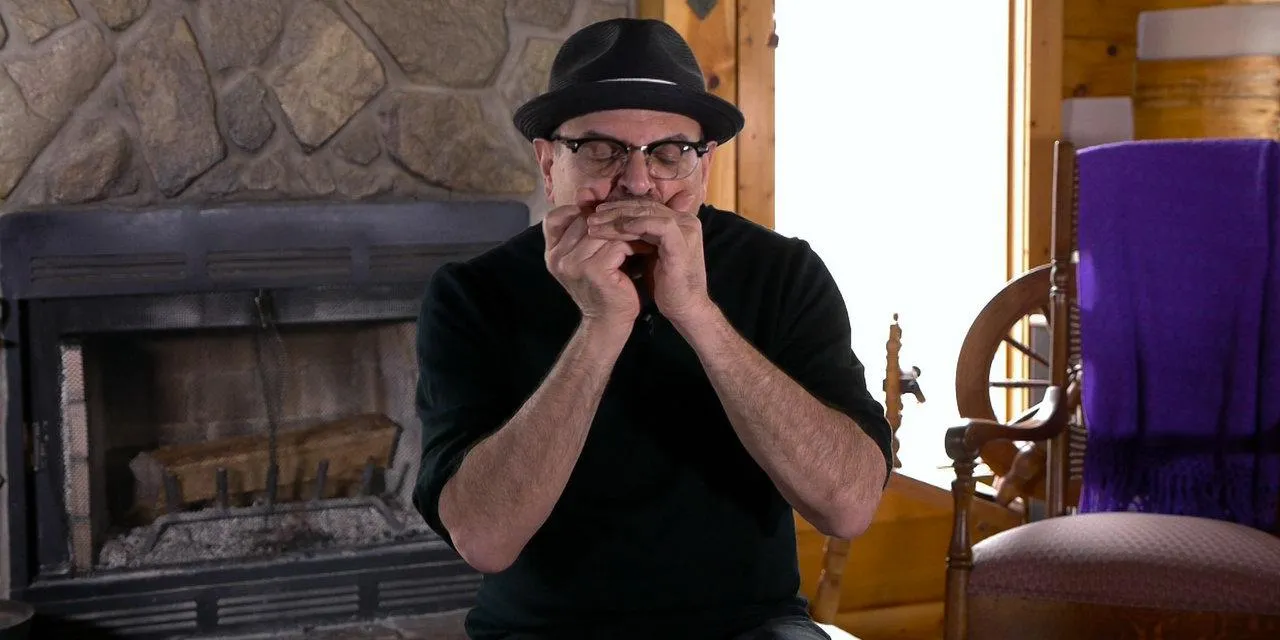
PT GazellPT Gazell plays the standard 'My Romance', using the draw and blow bends of his half-valving Gazell method to add emotional shading.
What's in the course
10 lessons (0h 50m) · 1 free
01. How to focus and refine our bending technique
5:35
02. Getting our heads around valved bends
Free lesson4:59
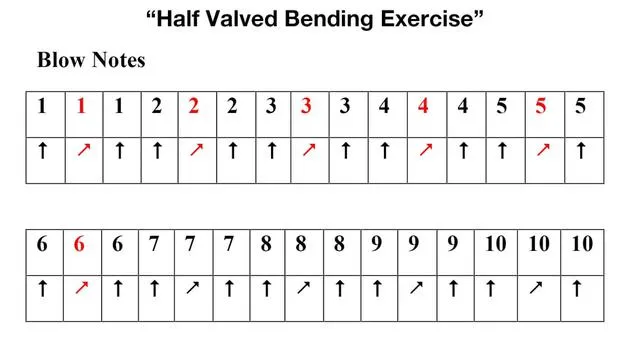
03. Another half-valved bending exercise
5:09
04. 3 valved bending exercises
4:45
05. Using both valved and non-valved bends to explore the entire instrument
3:54
06. Using a valve blow bend inside a melody (My Romance)
6:05
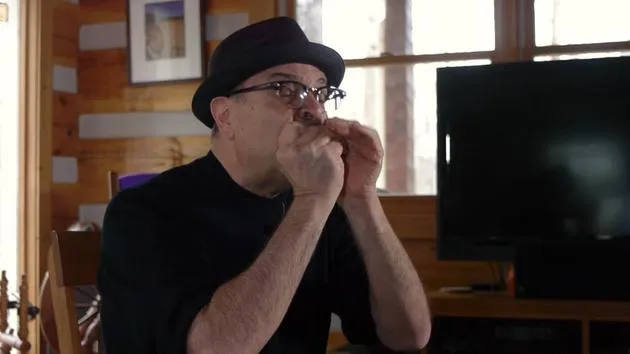
07. Utilizing the extra emotion that the Gazell method provides
You are here6:59
08. 5th position minor as an alternative to 3rd position minor
5:07
09. Learn the head of the song “Sugar” in 5th position minor
3:40
10. Learning a solo for “Sugar” and how to play the full song
4:11
Lesson transcript
Lesson Five: My Romance
Welcome back! In this lesson, we're going to revisit the same tune as we did in Lesson Four: My Romance.
Focus of the Lesson
The primary goal of this lesson is to demonstrate the emotional content I can achieve through:
- Draw bends
- Blow bends at the top of the harmonica
To me, this emotional expression is what makes half valving truly effective. It's part of the Gazelle Method, and it creates a distinctive style characterized by the emotional shading derived from half valving.
Listening Exercise
First, listen to My Romance as I would normally play it.
- Check this out: this is our piano intro.
- Follow along on your PDF and compare it with my previous version.
Emotional Content
You'll notice all the extra emotional nuances, especially on the five blow note. Although I'm not executing a full half-step bend on the six or seven draw bends, the emotional content is still there.
Vibrato Technique
This brings me to a good point about vibrato. For the style of music I am most comfortable with, American standards, American Songbook standards, jazz standards, and swing music, I use a jaw vibrato.
- This technique fits the genre much better.
- It's achieved by moving my lower jaw back and forth.
Think of it as mimicking what a saxophonist might do when playing a reed to create vibrato in a ballad.
Practice
This technique may take some practice. Here's how to start:
- Without the harmonica, watch my jaw movement.
- The key to effective vibrato is consistency; it should sound even and steady.
I've found that matching the tempo of the song enhances the vibrato effect.
"Keep your vibrato in time with the song."
Rounding Out Our Sound
As we refine our overall sound, remember that we should focus on:
- Good valved bends
- Conventional bending
- Clean single notes
- Regular notes that are in tune (what I refer to as a neutral position)
Key Notes to Avoid
The most crucial aspect is the five draw note. If we hit that note too hard, it will flat and sound sour. However, when played in a neutral position, it can fit melodically without sounding out of tune.
Tuning Insights
In this day and age, we have access to different tunings:
- Equal temperament
- Compromise tuning
- Just tuning (the traditional option that often resulted in flaws)
Years ago, this was particularly challenging due to the flat notes of certain chords.
Conclusion
I hope you see that the ornamentation and emotional shading in all the notes contribute significantly to this style. The use of half valving really ties everything together.
Thanks for paying attention, and we'll be back with the next lesson shortly!
10 lessons
0h 50m of structured video lessons
Advanced video features
Slow down, loop a passage, follow along
Mobile, tablet & desktop
Practise wherever you are
100% satisfaction guarantee
30-day money-back guarantee
Meet your guru
Meet your guru
PT Gazell has earned his position as a master of the diatonic harmonica. After years as the sought-after side man and session player for some of Nashville's greatest, PT discovered half-valving and his music literally soared to new heights.
No other player combines his phrasing, melodic style, song choices and improvisational abilities the way he does - in the end, it is a style all his own. Using his own signature instrument, the Gazell Method diatonic manufactured by Seydel, PT proves that the harmonica is capable of far more than most of us believe.
Dig it!
In his courses, PT teaches half-valving straight from the source - so you can get started with the Gazell Method, master valved bends, and bring them into your own songs.







