



How to focus and refine our bending technique
With
PT Gazell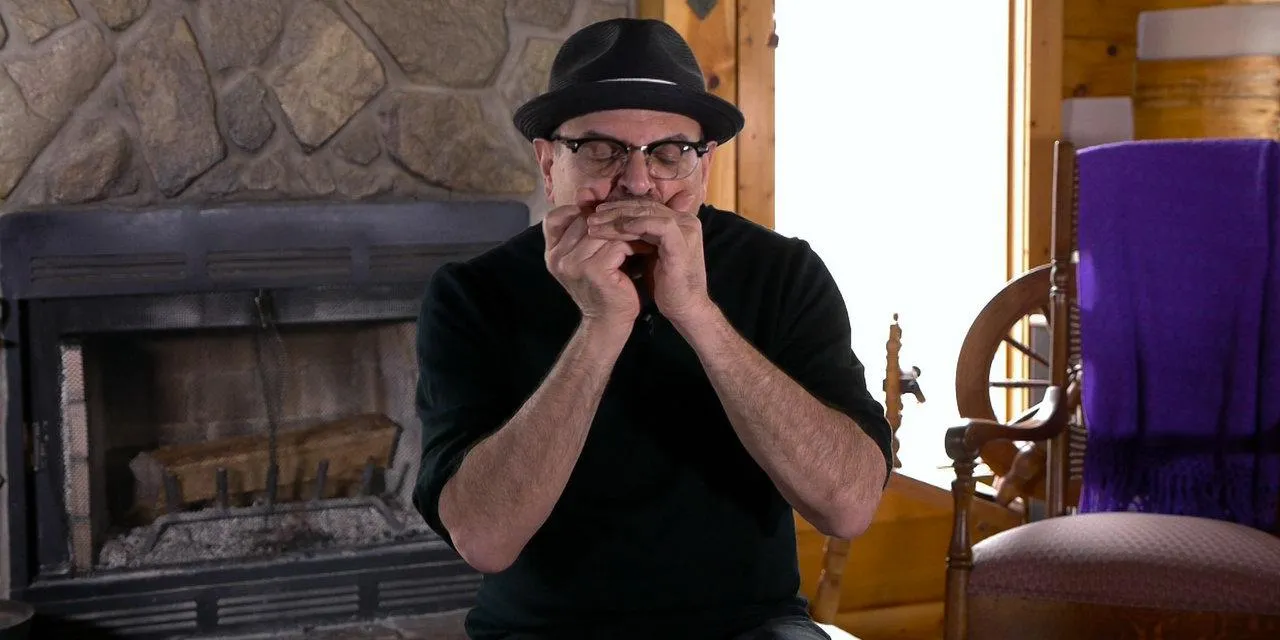
What's in the course
10 lessons (0h 50m) · 1 free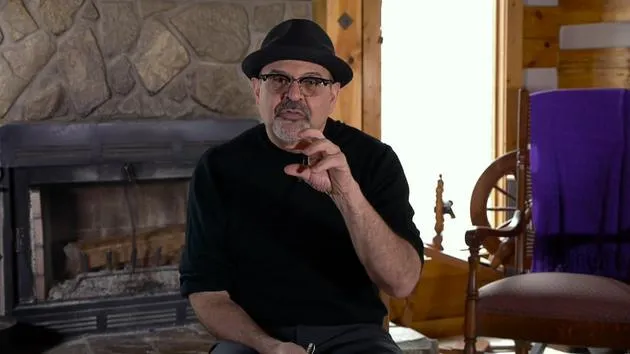
01. How to focus and refine our bending technique
You are here5:35
02. Getting our heads around valved bends
Free lesson4:59
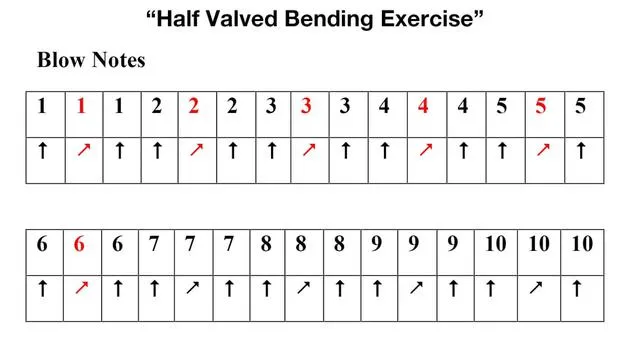
03. Another half-valved bending exercise
5:09
04. 3 valved bending exercises
4:45
05. Using both valved and non-valved bends to explore the entire instrument
3:54
06. Using a valve blow bend inside a melody (My Romance)
6:05
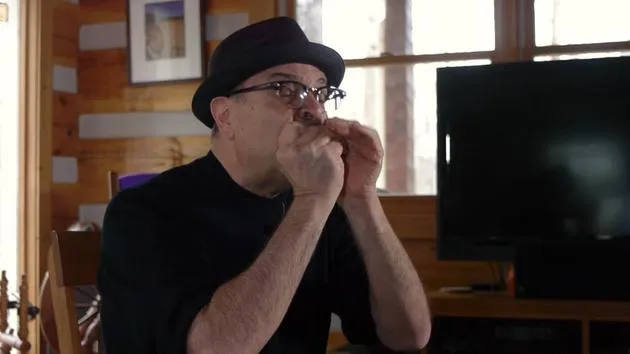
07. Utilizing the extra emotion that the Gazell method provides
6:59
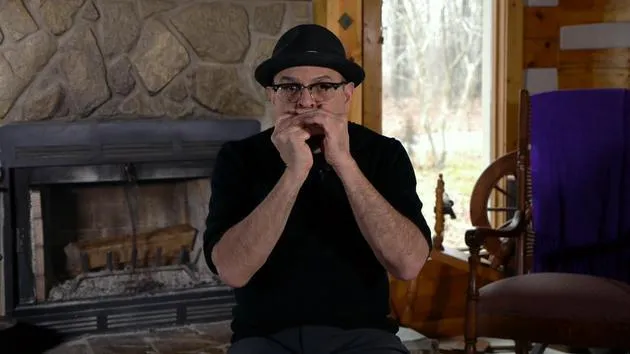
08. 5th position minor as an alternative to 3rd position minor
5:07
09. Learn the head of the song “Sugar” in 5th position minor
3:40
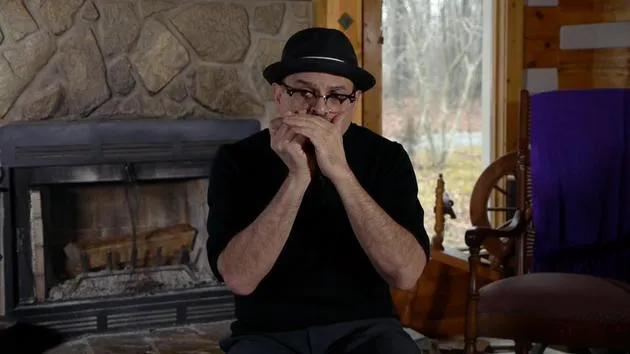
10. Learning a solo for “Sugar” and how to play the full song
4:11
Lesson transcript
Welcome to the Course
Hi, everybody. Welcome to this course! I'm here at my place in Nashville, Tennessee, and I've got the guys from Music Gurus here. We're going to talk about different ways to improve your playing using the Gazelle Method and the half-valved harmonica.
As you've already seen, you'll need an A flat Gazelle Method half-valved harmonica to do this lesson properly , or the course, actually.
Lesson 1: Refining Your Bending Technique
Important Basics
Before we dive into the technical aspects, let's review a couple of important points:
-
Grip on the Harmonica:
- Ensure that your grip does not impede your ability to get a good seal and mouth position on the instrument.
- Make sure your finger is not in the way and that you can get your mouth about halfway into the COVID plates.
- This will provide you with a good seal and make it easier to achieve good tone and clean single notes.
-
Mouth Position:
- Follow the above steps to ensure you have access to the harmonica.
Understanding Valve Bending
What I like to say about valve bending is that it somewhat emulates blow bending at the top of the harmonica. Here's a breakdown of some key differences:
- Blow Bends vs. Draw Bends:
- Blow bending happens at the top of the harmonica and differs from draw bends, which occur at the bottom end.
- Draw bends take place a little further back in our mouth cavity, while blow bends occur more forward.
The Garden Hose Analogy
Here's an analogy to help illustrate this concept:
- Imagine a garden hose:
- When water flows out without a nozzle or sprayer attached, it comes out in a big, lazy stream and hits the ground.
- By placing your thumb over the end of the hose, you restrict the flow, causing the water to shoot further.
This is analogous to playing blow bends at the top of the harmonica. It requires:
- A tighter embouchure
- A more focused and direct airstream
Focused Airstream
Now, I'm not specifically saying you need to play harder. Rather than a loose approach, think of it like this:
- Instead of a soft, lazy stream, aim for a concentrated and harder stream to hold those short reeds in a bent mode.
Bending on Holes 8, 9, and 10
Here's how it looks when I play holes 8, 9, and 10 bending on your A flat harmonica:
- When I perform this again from a side view, notice that my lips move forward, creating a very constricted, precise, and focused airstream.
Conclusion
Valve bending emulates this process. Instead of applying normal draw bends or using what we think is that technique at the bottom, we need to emulate blow bends from the top.
That's what's going to help us control single reed valved bends.
I'll see you in the next lesson!
10 lessons
0h 50m of structured video lessons
Advanced video features
Slow down, loop a passage, follow along
Mobile, tablet & desktop
Practise wherever you are
100% satisfaction guarantee
30-day money-back guarantee
Meet your guru
Meet your guru
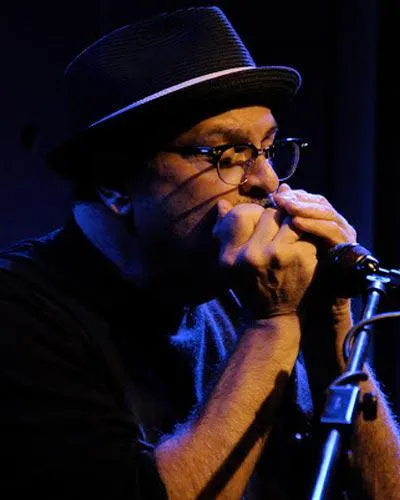
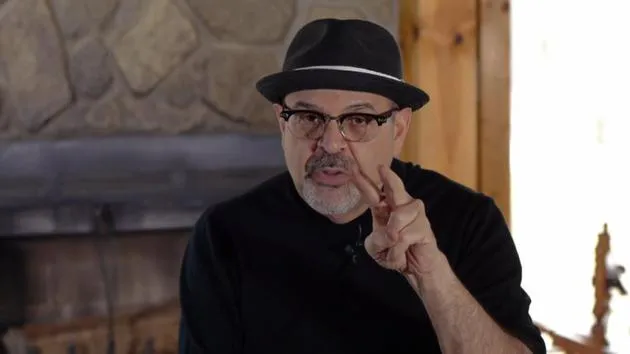
PT Gazell has earned his position as a master of the diatonic harmonica. After years as the sought-after side man and session player for some of Nashville's greatest, PT discovered half-valving and his music literally soared to new heights.
No other player combines his phrasing, melodic style, song choices and improvisational abilities the way he does - in the end, it is a style all his own. Using his own signature instrument, the Gazell Method diatonic manufactured by Seydel, PT proves that the harmonica is capable of far more than most of us believe.
Dig it!
In his courses, PT teaches half-valving straight from the source - so you can get started with the Gazell Method, master valved bends, and bring them into your own songs.







