Traffic - Crying To Be Heard

With
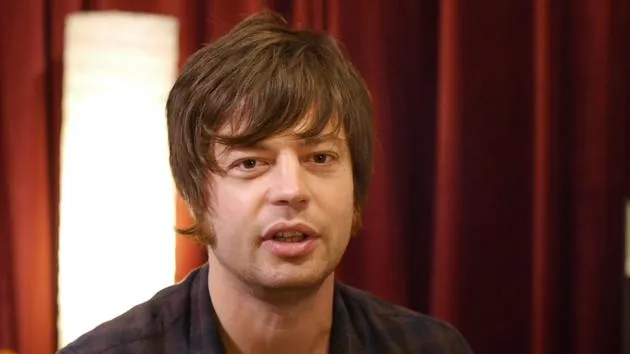
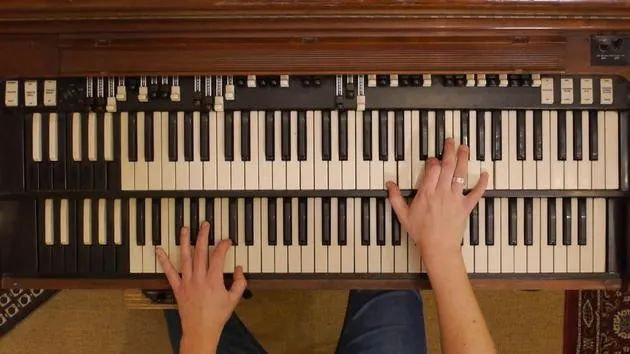
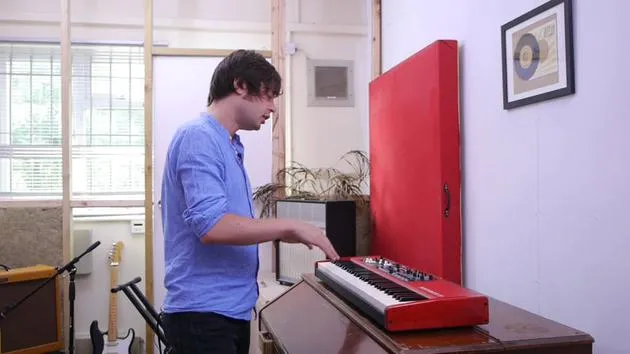
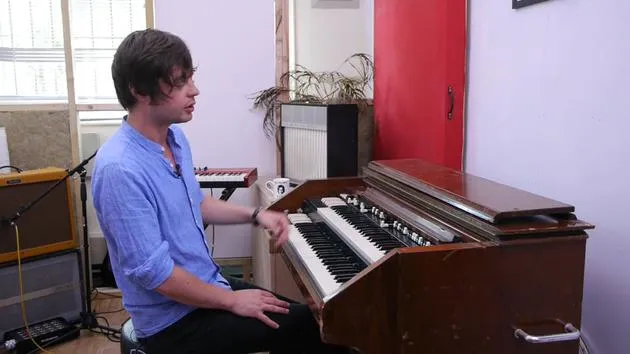
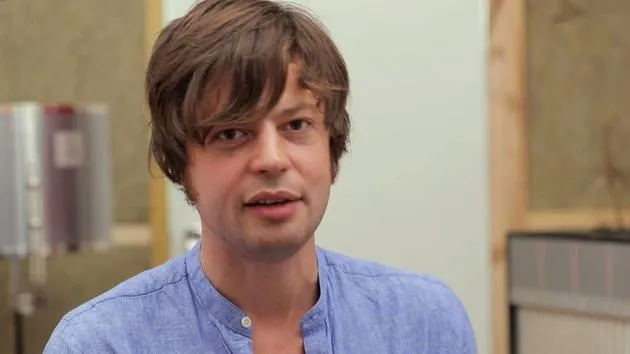
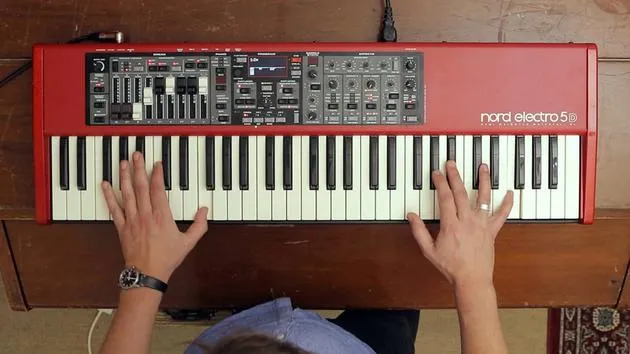
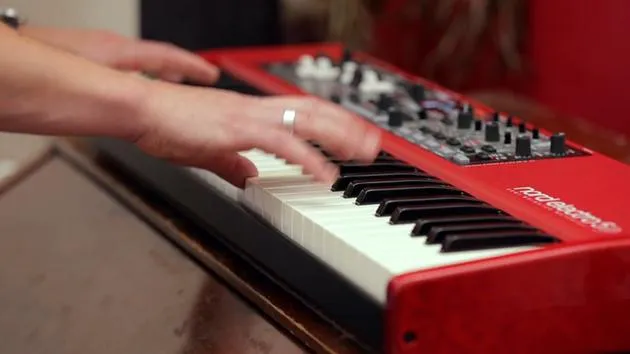
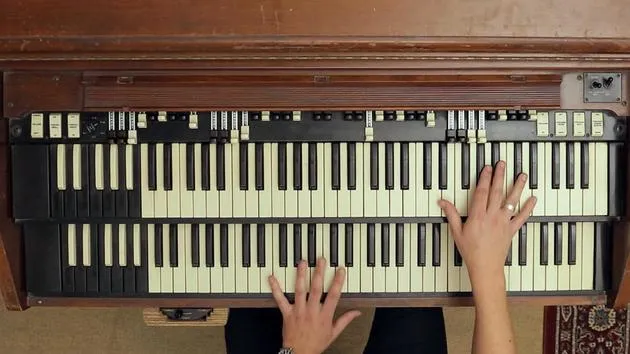
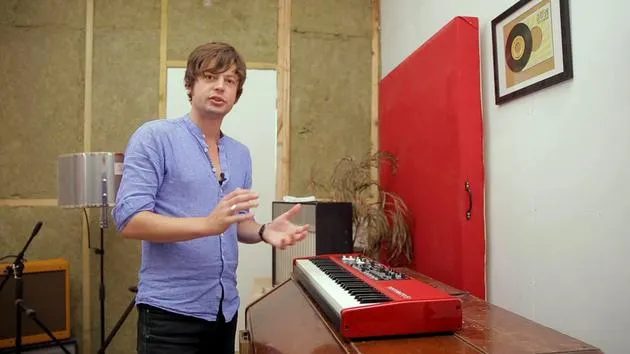
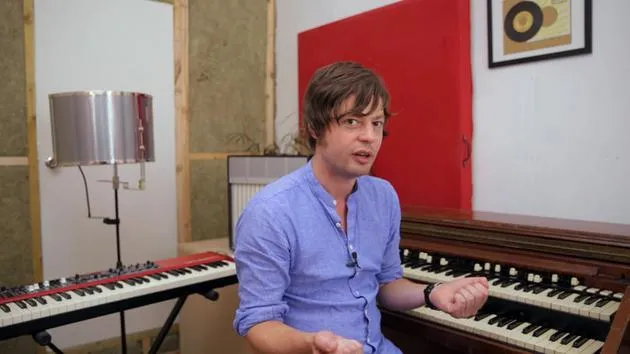
Joe GlossopJoe Glossop breaks down Steve Winwood's Hammond organ part on Traffic's 'Crying To Be Heard', showing how he gets so much from simple verse and chorus parts.
What's in the course
21 lessons (1h 25m) · 1 free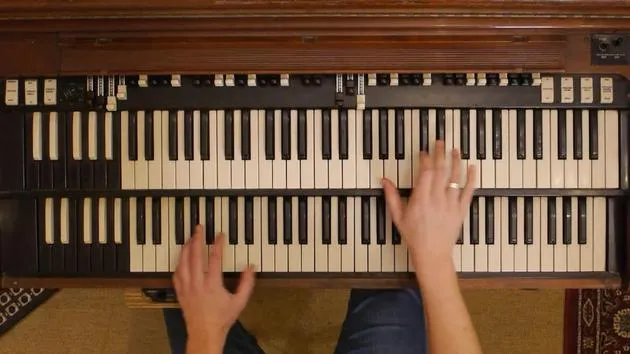
01. The Small Faces - Tin Soldier (performance)
1:16
02. The Small Faces - Tin Soldier (analysis)
7:03
03. Deep Purple (John Lord) - Smoke On The Water (performance)
1:02
04. Deep Purple (John Lord) - Smoke On The Water (analysis)
8:38
05. Allman Brothers - Whipping Post (performance)
1:23
06. Allman Brothers - Whipping Post (analysis)
8:39



Lesson transcript
Music Lesson: Analyzing "Crying To Be Heard" by Traffic
Introduction
Today, we are going to take a closer look at a track called Crying To Be Heard by Traffic. If you're not familiar, the main figure in this band was Steve Winwood, who, as you might have guessed, is one of my favorite players. He's a great musician!
Overview of the Track
This track features very simple parts, but Steve Winwood makes excellent use of the instrument in terms of the sounds he chooses.
Song Structure
The song consists of two primary sections:
- Verse
- Chorus
Instrumentation
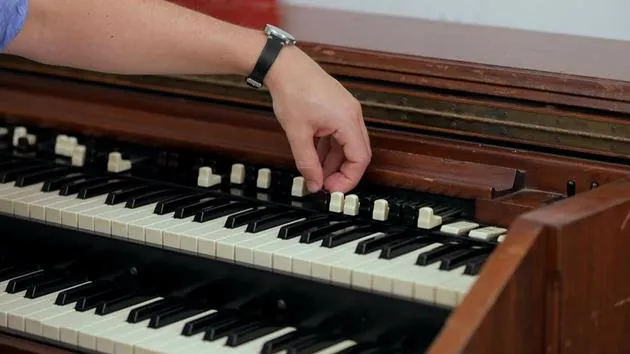
- Tone: Winwood uses a tone very close to what you hear using his organ, which may differ slightly, bass and treble-wise, when I play.
- Sounds: The overall approach predominantly features:
- An eight-foot drill bar (the third one)
- A little bit of bass
The Role of the Pedals
- The pedals contribute to the phrasing.
- You can hear them swell into a phrase and then come off just after the peak, creating a pulsing effect.
Chord Progressions
-
Verse Chords:
- A minor (Am)
- D major
- G minor (Gm)
- C major (C)
-
Sometimes, after the chorus, he incorporates the minor seven chords.
Contrasting Sounds
- The different chords create contrasting sounds which effectively utilize the instrument.
Additional Techniques
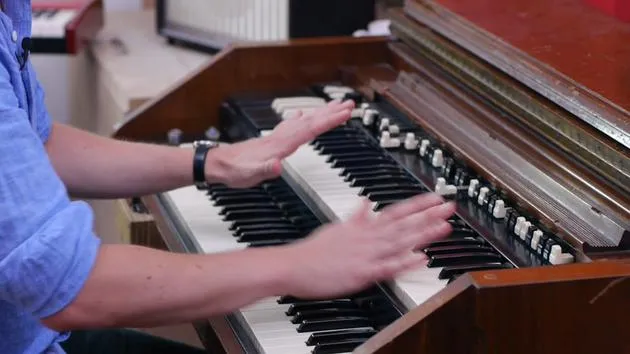
- Winwood occasionally throws in:
- Minor nine chords
- Palm slides to enhance the performance.
Note: The bass being played while using the pedal is simply to provide context; it isn't a necessary part of the chorus.
Chorus Breakdown
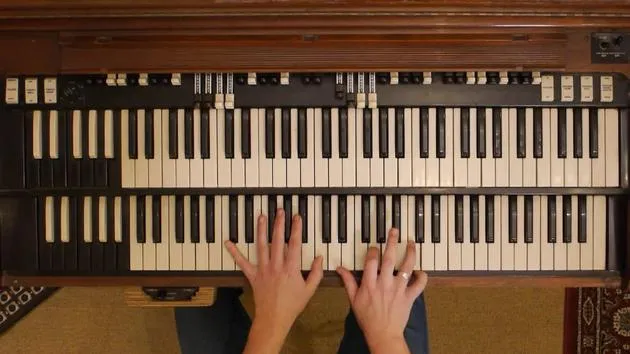
- Chorus Chords:
- D major
- E flat major
- Melody: The melody sits on top of these chords, moving to a nice S2.
Conclusion
In summary, "Crying To Be Heard" is a well-structured song that demonstrates how to get the most impact from the organ and create dynamic sounds with simple chord changes.
21 lessons
1h 25m of structured video lessons
Advanced video features
Slow down, loop a passage, follow along
Mobile, tablet & desktop
Practise wherever you are
100% satisfaction guarantee
30-day money-back guarantee
Meet your guru
Meet your guru
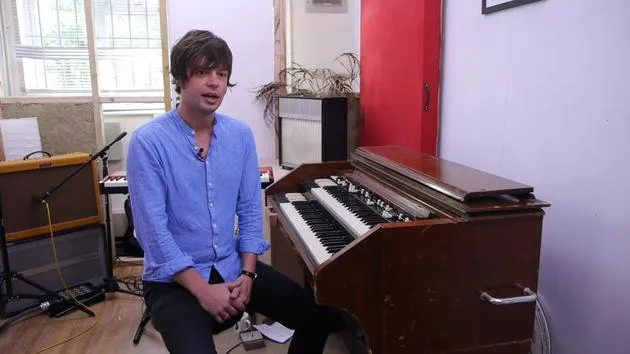
Joe Glossop is a keyboard player from Sheffield who has made his name on the Hammond organ. He currently holds the organ chair in Tom Jones's touring band, and has played with Van Morrison and James Hunter, as well as on piano and Rhodes. His courses get the real Hammond sound out of any keyboard - drawbar registration, the Leslie, the walking-bass left hand, and the comping and soloing vocabulary of the soul-jazz, blues and rock organ traditions, from Jimmy Smith to Booker T.