Spencer Davis Group - On the green light (Using the Nord)

With
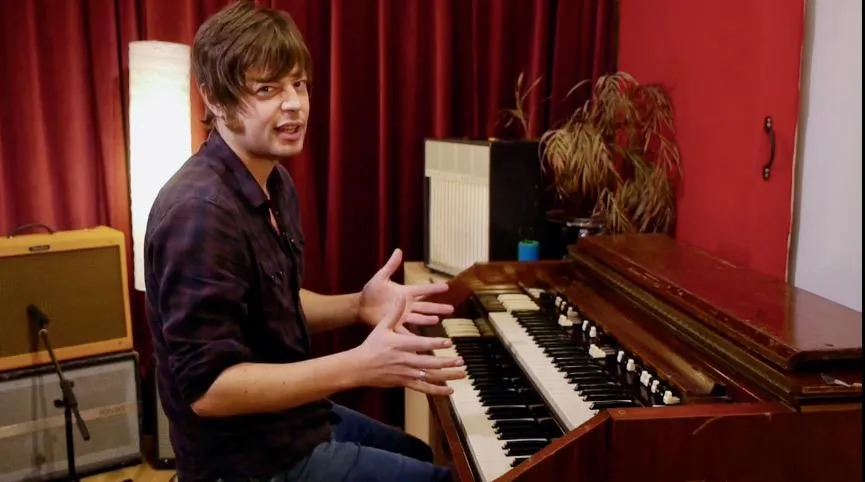
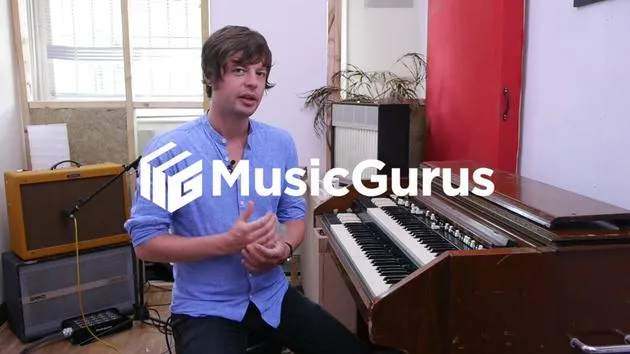
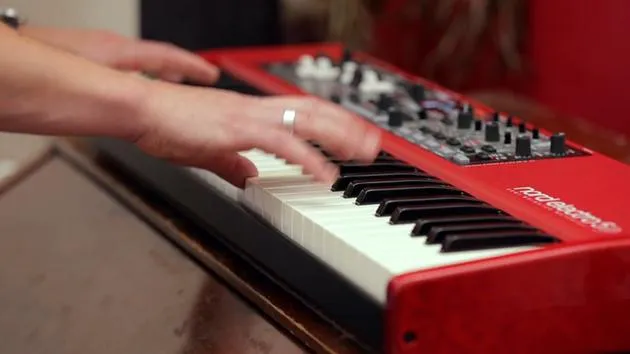
Joe GlossopJoe Glossop recreates the Spencer Davis Group organ part on a Nord Electro 61, showing how to get a percussive attack without the Hammond's nine-contact key system.
What's in the course
21 lessons (1h 25m) · 1 free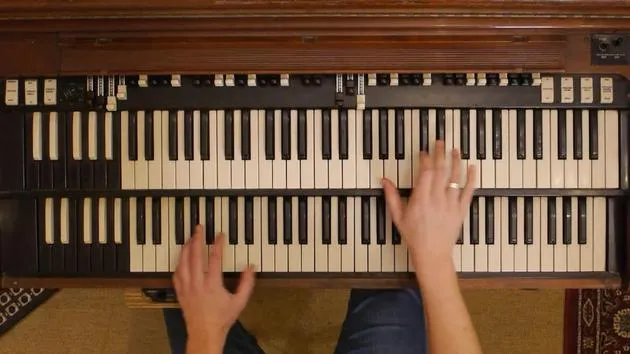
01. The Small Faces - Tin Soldier (performance)
1:16
02. The Small Faces - Tin Soldier (analysis)
7:03
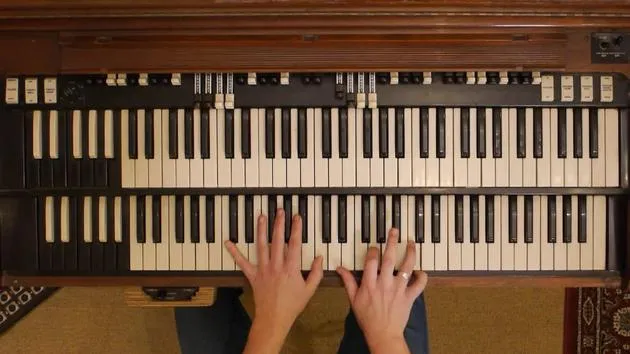
03. Deep Purple (John Lord) - Smoke On The Water (performance)
1:02
04. Deep Purple (John Lord) - Smoke On The Water (analysis)
8:38
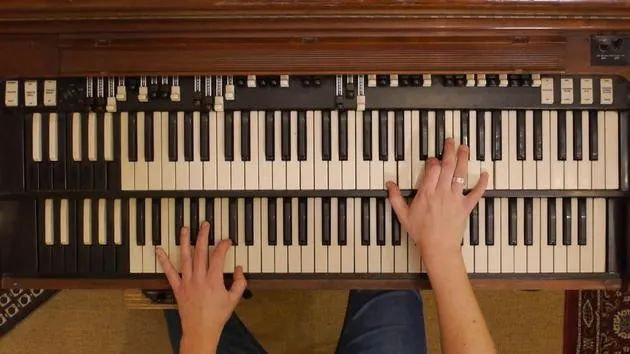
05. Allman Brothers - Whipping Post (performance)
1:23
06. Allman Brothers - Whipping Post (analysis)
8:39


Lesson transcript
Music Lesson: Working with the Nord Electro 61 5D
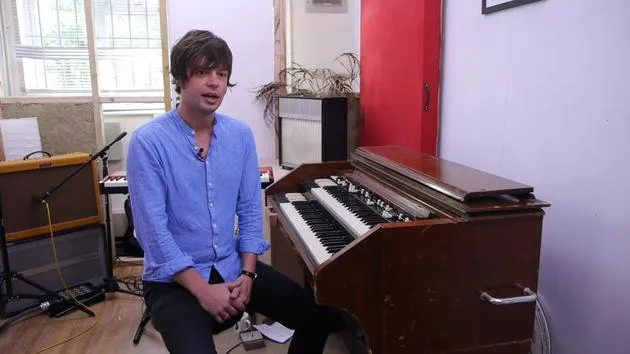
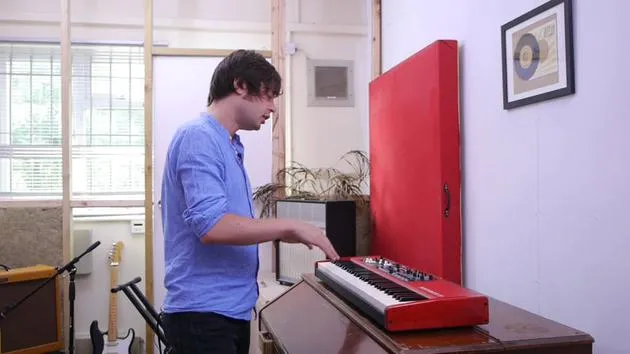
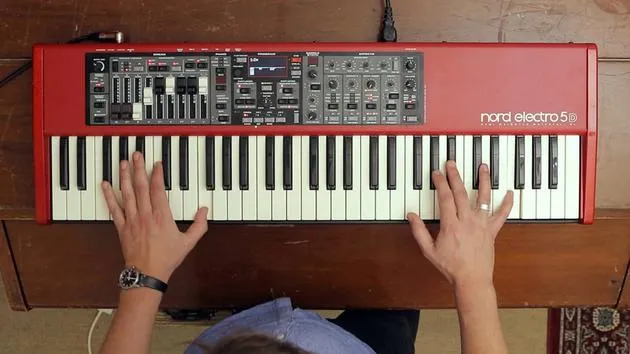
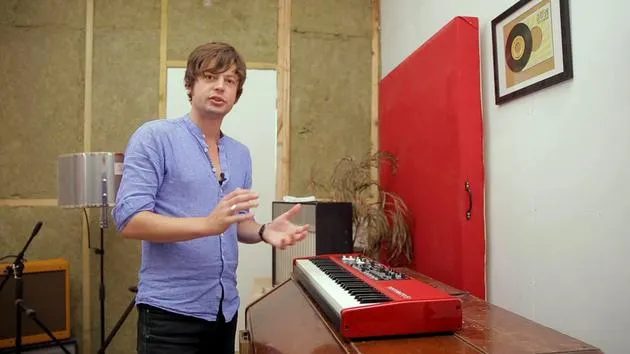
So we've moved over to the Nord. Now, this is an Electro 61 5D, and we put it through a Fender valve amp, which is a Blues Deluxe, very similar to a Hot Rod Deluxe, if you're interested.
Creating Percussive Sounds
Understanding the Key System
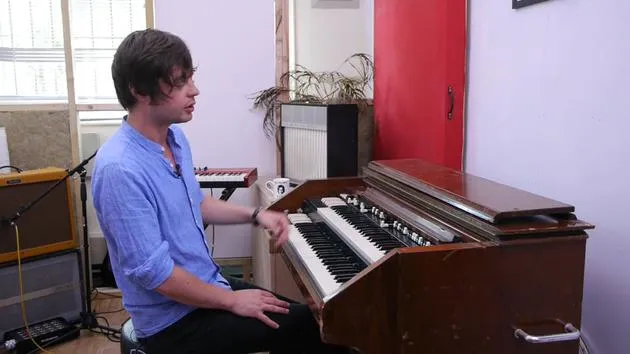
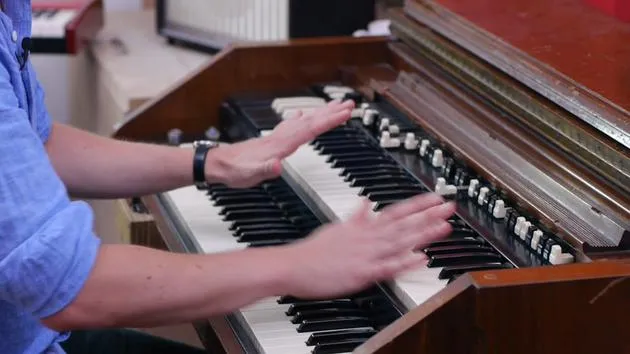
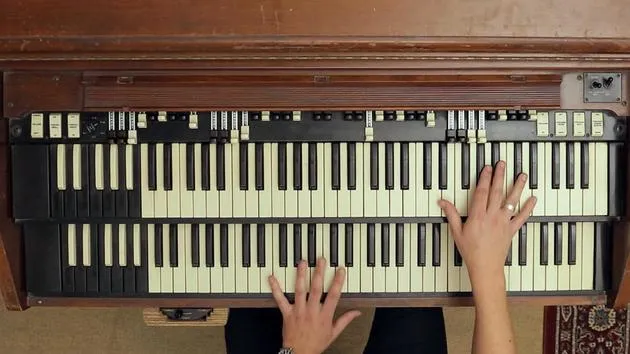
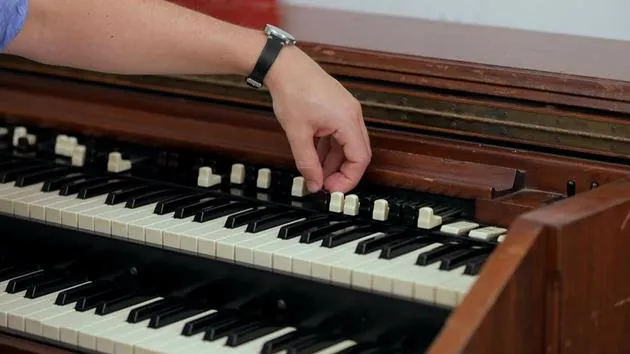
How do we achieve that percussive sound on an instrument that doesn't have the multi-contact system, with which the Hammond is famous? We referenced that in the first course, but:
- The Hammond's System: Every key has nine contacts within it that relate to the drawbars, which create your sound.
- As you depress the key, the higher harmonics from the higher drawbars are engaged first.
- As the key goes down, you progressively engage the lower ones.
This setup allows you to play very lightly and percussively without activating all the contacts.
Working with the Nord
On the Nord, however:
- All the contacts are engaged every time you press a key.
- Fear not! You can use just one drawbar for the percussive sound.
Limitations
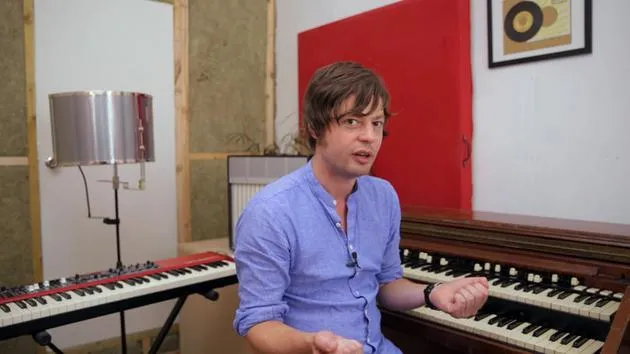
Your limitations are that you've only got one manual, so you must play both parts on the same manual (manual being a set of keys).
Keyboard Splitting
What I've done here is split the keyboard:
-
Indicator: Where you see that green light, wait, is it green or yellow? I'm completely colorblind. One of the guys wanted to tell me that!
-
Settings: I've got this tone active. You might be able to see that light.
Here's the setup:
- Bottom Manual: I have the number eight foot drawbar (the third one) all the way out.
- Top Manual: I've got a similar setting, altered slightly for the different instrument and amp.
Fine-Tuning the Sound
The part has a little too much of the eight-foot drawbar on the bottom manual, so I'm just going to take a bit of that out, bringing it back to 67.
This is pretty achievable on the Nord.
Conclusion
In summary, you're limited in how you can use your one manual:
- You have 61 keys, which is the same amount that a Hammond has across both manuals.
- You also have one set of drawbars to control everything.
- The Leslie simulation here is not the real thing, but you can get quite close, especially if you use a valve amp to get some air moving.
Regarding the DI sound, it's a bit fizzy and cheap-sounding. I always think you need to get it into an amp with some valves, as it gives the sound character and allows it to resonate more like a real instrument.
So, there you have it!
21 lessons
1h 25m of structured video lessons
Advanced video features
Slow down, loop a passage, follow along
Mobile, tablet & desktop
Practise wherever you are
100% satisfaction guarantee
30-day money-back guarantee
Meet your guru
Meet your guru
Joe Glossop is a keyboard player from Sheffield who has made his name on the Hammond organ. He currently holds the organ chair in Tom Jones's touring band, and has played with Van Morrison and James Hunter, as well as on piano and Rhodes. His courses get the real Hammond sound out of any keyboard - drawbar registration, the Leslie, the walking-bass left hand, and the comping and soloing vocabulary of the soul-jazz, blues and rock organ traditions, from Jimmy Smith to Booker T.