Georgie Fame - Let the Good Times Roll, Baby Please Don't Go (on Nord)

With
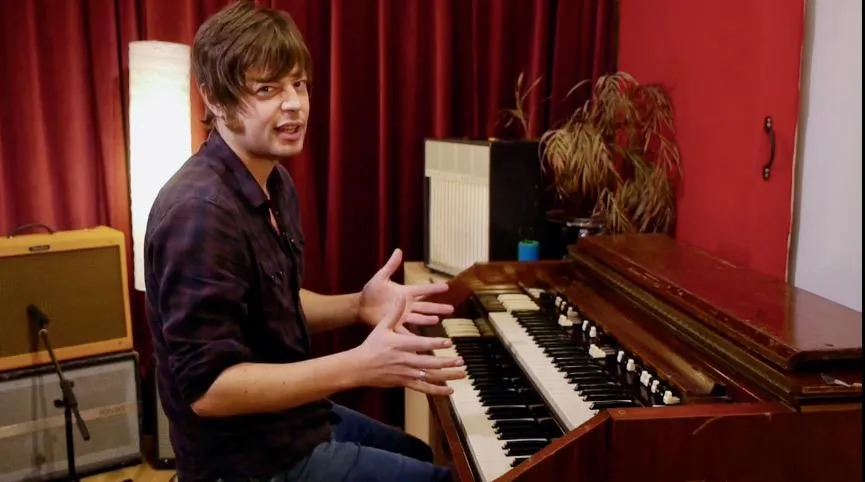
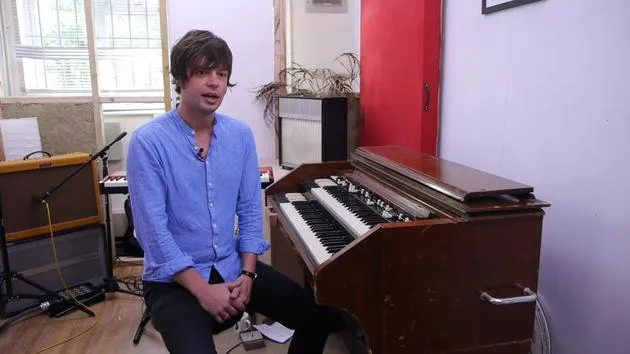
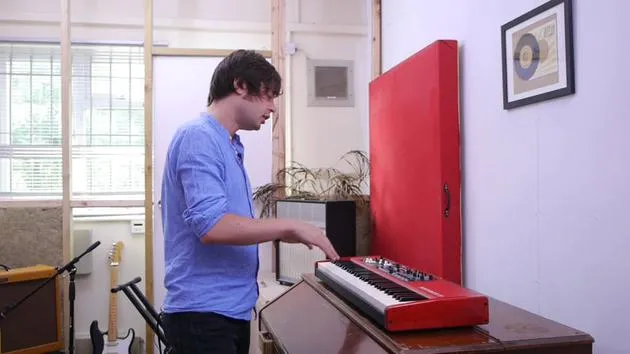
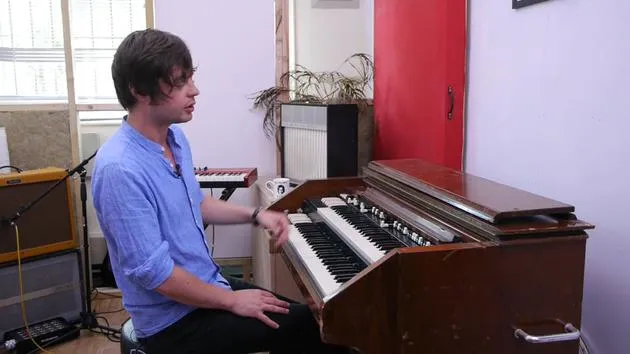
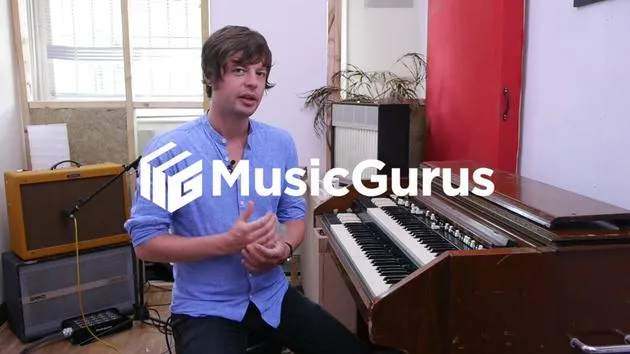
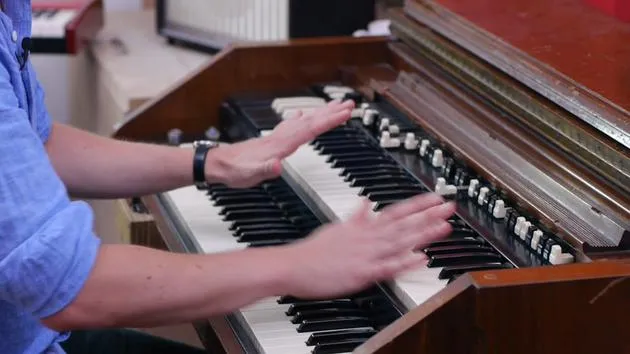
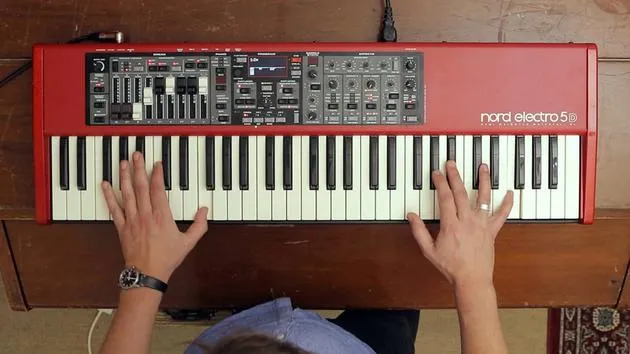
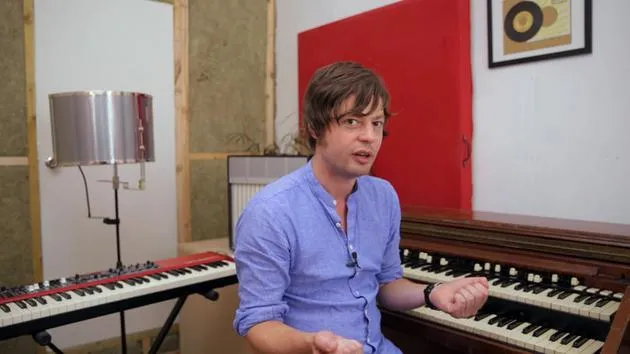
Joe GlossopJoe Glossop dials in Nord drawbar and percussion settings to recreate Georgie Fame's organ sound on 'Let the Good Times Roll' and 'Baby Please Don't Go'.
What's in the course
21 lessons (1h 25m) · 1 free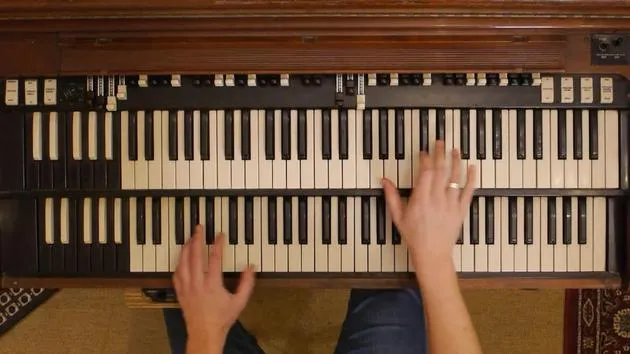
01. The Small Faces - Tin Soldier (performance)
1:16
02. The Small Faces - Tin Soldier (analysis)
7:03
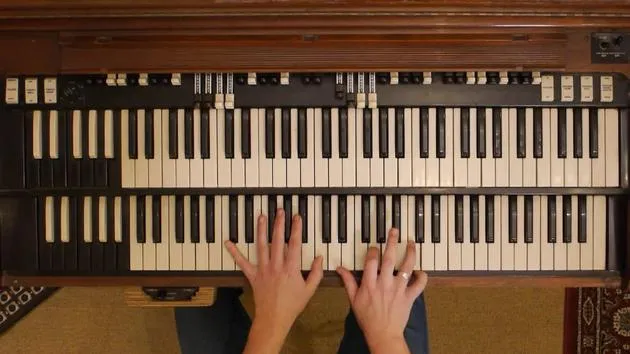
03. Deep Purple (John Lord) - Smoke On The Water (performance)
1:02
04. Deep Purple (John Lord) - Smoke On The Water (analysis)
8:38
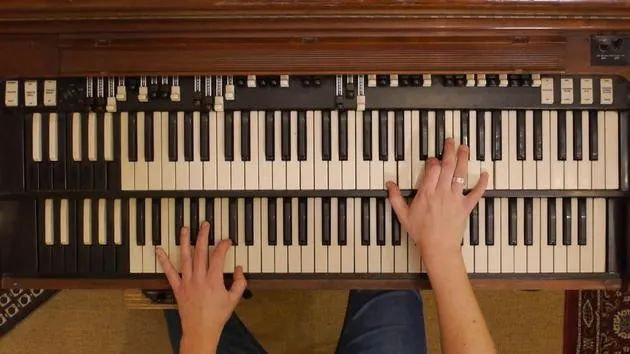
05. Allman Brothers - Whipping Post (performance)
1:23
06. Allman Brothers - Whipping Post (analysis)
8:39
Lesson transcript
Georgie Fame Solos on the Nord
Introduction
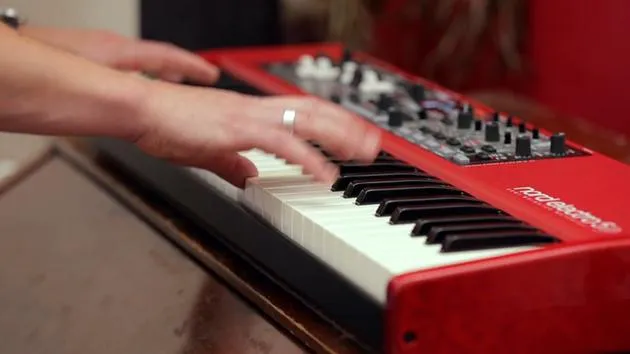
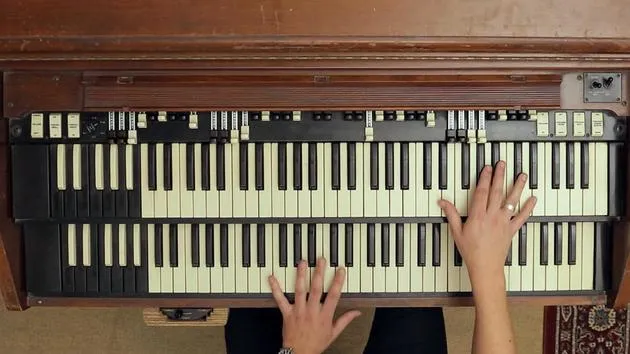
Let's have a look at the Georgie Fame solos on the Nord and see how close we can get.
Drawbar Settings
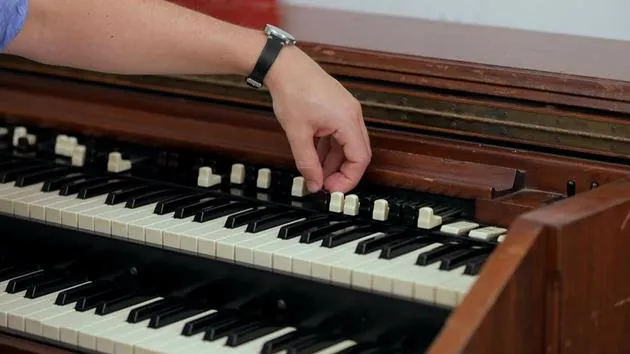
- Drawbars:
- All three out
- Half of number four
- Percussion:
- Third percussion
- Third harmonic percussion
- Decay:
- Soft, fast decay
Pad Setting
For "Let the Good Times Roll":
- Pad underneath:
- 8 and 4
Sound Characteristics
- I think these settings are better for the bulkier, lower sounds.
- Higher harmonics tend to sound:
- A little bit fizzy
- A little bit digital
- The first four drawbar sounds tend to come out better.
- The percussion and Leslie effects come together to create a sound that's decently like the real thing.
Amplification
- Using a valve amp rather than DIing it is preferable.
- Benefits:
- Moving air
- Sound coming from an amp with valves into a mic through the air
- This approach feels more real and less like a digital sample.
Example: "Let the Good Times Roll"
- Final thoughts on the song: It's a great representation of the style.
Example: "Baby, Please Don't Go"
- For this track:
- Turn the percussion off
- Consider adding some vibrato
- The drawbar settings remain similar; the only difference is that the percussion is switched off.
Conclusion
I believe you can pull those sounds off quite well!
21 lessons
1h 25m of structured video lessons
Advanced video features
Slow down, loop a passage, follow along
Mobile, tablet & desktop
Practise wherever you are
100% satisfaction guarantee
30-day money-back guarantee
Meet your guru
Meet your guru
Joe Glossop is a keyboard player from Sheffield who has made his name on the Hammond organ. He currently holds the organ chair in Tom Jones's touring band, and has played with Van Morrison and James Hunter, as well as on piano and Rhodes. His courses get the real Hammond sound out of any keyboard - drawbar registration, the Leslie, the walking-bass left hand, and the comping and soloing vocabulary of the soul-jazz, blues and rock organ traditions, from Jimmy Smith to Booker T.