What makes a good Hammond player?

With
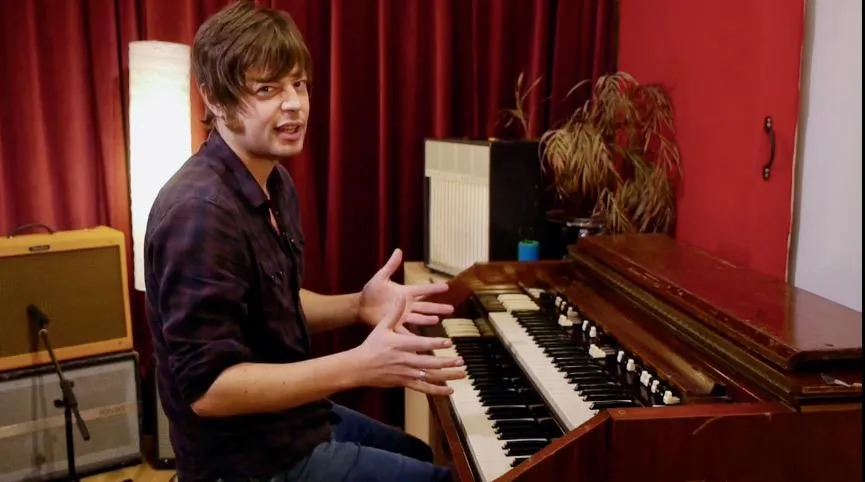
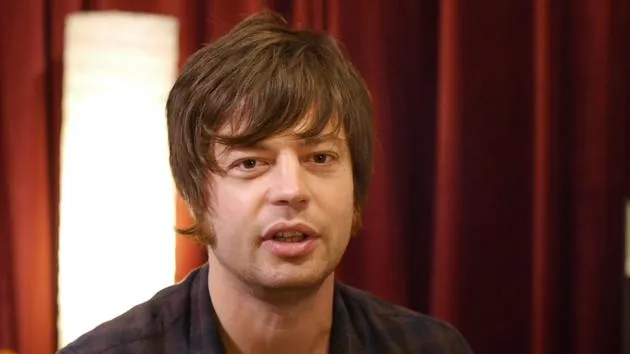
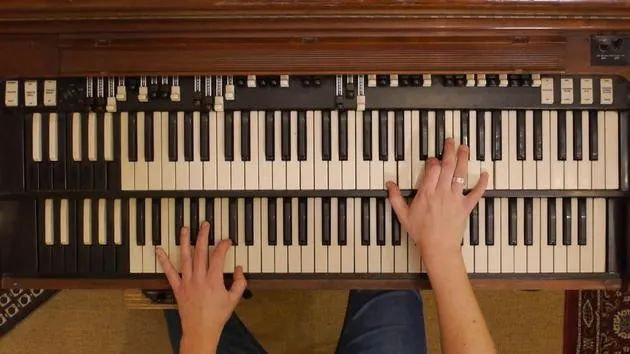
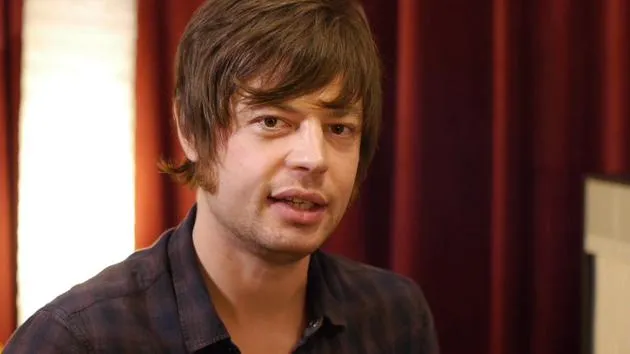
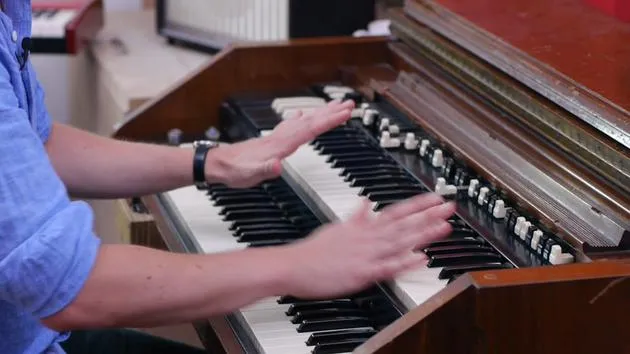
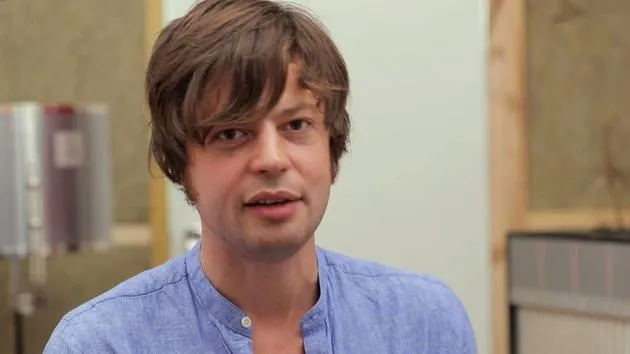
Joe GlossopJoe Glossop explains that great Hammond playing starts with understanding how the organ's role differs from piano or keyboards, rather than recreating what you already know.
What's in the course
21 lessons (1h 25m) · 1 free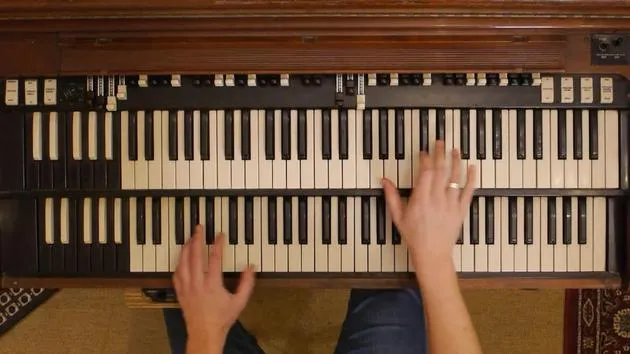
01. The Small Faces - Tin Soldier (performance)
1:16
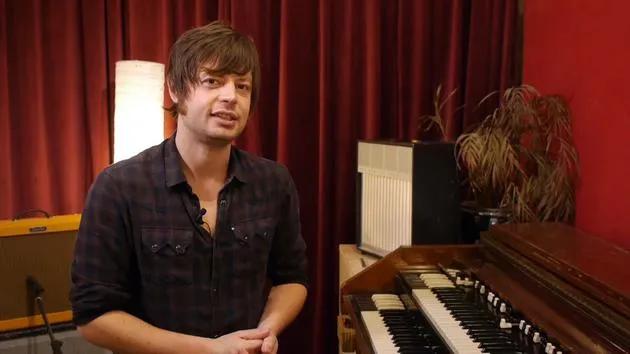
02. The Small Faces - Tin Soldier (analysis)
7:03
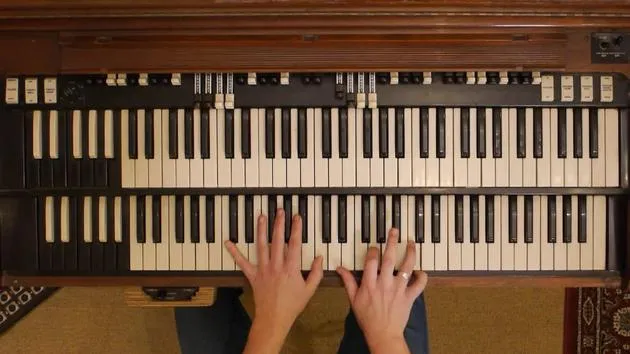
03. Deep Purple (John Lord) - Smoke On The Water (performance)
1:02
04. Deep Purple (John Lord) - Smoke On The Water (analysis)
8:38
05. Allman Brothers - Whipping Post (performance)
1:23
06. Allman Brothers - Whipping Post (analysis)
8:39
Lesson transcript
Understanding the Hammond Organ
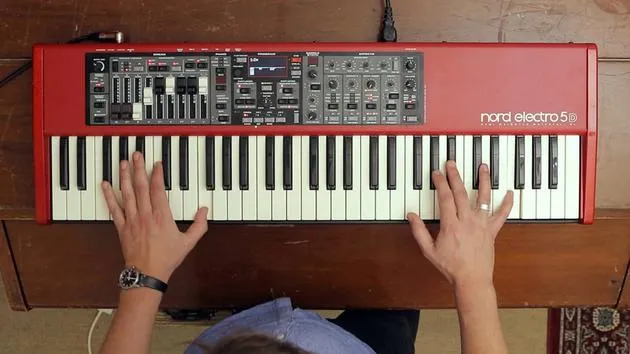
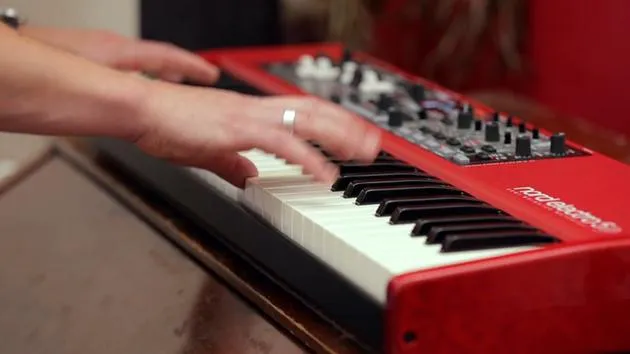
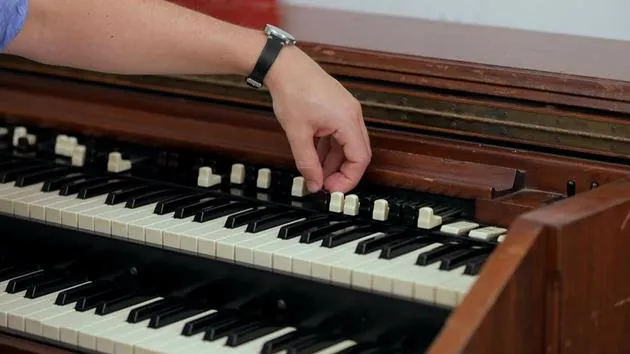
I think what makes a good Hammond player is a fundamental understanding of the difference between keyboard instruments and a Hammond organ.
The Unique Role of a Hammond Player
It's the approach that differs your role in any outfit or context. Your contributions are quite different.
- Chorus vs. Pad:
- You can't lift a chorus with a pad on a piano.
- You just can't add the same things.
You've got to take on a different role and understand that role, rather than trying to recreate what you might already know on a piano or a keyboard.
A Fundamental Understanding
I believe it's that fundamental understanding that is essential.
- Not everyone should learn to play the Hammond organ.
- People who truly love it should pursue it.
- Hopefully, they'll gain the tools to really understand the instrument.
This understanding allows players to get the best out of the Hammond and utilize all the amazing sounds it can produce. I think people sometimes don't make the most of it when they lack this fundamental understanding.
The Inspiration Behind My Selections
All the tunes I've chosen, I selected because I love them. I have probably loved them for a long time.
- Inspiration:
- They are fundamental things that made me want to play.
- They continue to motivate me to play full-time.
This music is very much from the late 50s to the early 70s. The Hammond, really, can be traced back to Jimmy Smith, who is the obvious figure that popularized it in jazz before rock existed in the mid-50s.
Other influential artists include Bill Doggett and others before him.
The Evolution of Music
To summarize, I believe this music very much represents the style from the mid to late 50s until the early 70s. After that, synthesizers took over, and the Hammond organ gradually fell out of popularity.
21 lessons
1h 25m of structured video lessons
Advanced video features
Slow down, loop a passage, follow along
Mobile, tablet & desktop
Practise wherever you are
100% satisfaction guarantee
30-day money-back guarantee
Meet your guru
Meet your guru
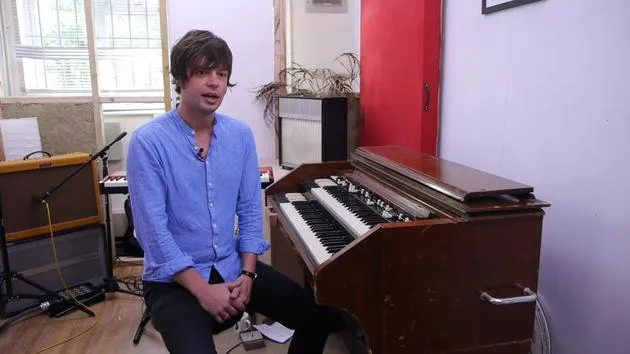
Joe Glossop is a keyboard player from Sheffield who has made his name on the Hammond organ. He currently holds the organ chair in Tom Jones's touring band, and has played with Van Morrison and James Hunter, as well as on piano and Rhodes. His courses get the real Hammond sound out of any keyboard - drawbar registration, the Leslie, the walking-bass left hand, and the comping and soloing vocabulary of the soul-jazz, blues and rock organ traditions, from Jimmy Smith to Booker T.