



Comment aborder les reprises
Le contenu du cours
8 leçons (1h 4min) · 1 gratuites
01. Composer et collaborer
11:54
02. Comment ont été écrits les morceaux célèbres de Youngblood
8:33
03. Choisir des morceaux pour les albums ou les concerts
6:18
04. Comment aborder les reprises
Tu es ici8:12
05. Comment reconnaître une "bonne idée"
Leçon gratuite4:44
06. La structure et le développement des idées en un morceau abouti
8:15
07. Qu'est-ce qu'une idée ?!
4:17
08. Écrire et arranger pour les cuivres
12:18
Transcription de la leçon
Ain't Nobody: A Collaborative Journey
The song Ain't Nobody is another track on the new record that some people might be more familiar with than others. This collaborative piece was initially brought by Matt.
Early Attempts
"I don't know if you want to rap about that at all," but here's my take:
- We first tried this song on the road about six years ago.
- It seemed like a great candidate for a brass band cover.
- Specific parts of the song reminded me of Zach's playing.
Studio Arrangements
When it came to putting this together for the record:
- We had been playing it live for a long time, so 75% of the work was already done.
- The arrangement was basically learned but needed something more.
- I was working with Dave and Nat in their studio, struggling to figure it out until a drive back to Minneapolis sparked the idea of a mashup.
As we finished the song, I thought:
- "It was a pleasant experience getting to write it out with plenty of time."
- Collaborating and pushing ideas helped us finalize the tune.
Philosophy on Covers
I am very protective of the covers we do in the band. My philosophy about covers is clear:
- Never just cover a tune.
- If you are only going to replicate something, don't bother.
- Instead, come up with a new perspective or write your own song inspired by the elements you like.
Choosing the Right Song
When selecting a cover, consider these points:
- Choose B-side hits that are somewhat known but not mainstream.
- Opt for songs that deserve more recognition, like Ain't Nobody, which falls into this category.
Alternatively, tackle well-known songs in unexpected ways:
- Michael Jackson's "Human Nature":
- His version is synthy and wispy, while Nat gave it a New Orleans second line feel that most people likely hadn't considered.
The Creative Process
When we worked on the middle section of the tune:
- Collaboration was key; we built it as we went, shaping the tune together.
- However, it's easy to fall into the rabbit hole of overthinking.
Understanding When to Let Go
It's essential to recognize when something isn't working:
- If you find yourself just moving notes and rhythms around, it may be time to throw it out.
- Emotional investment can cloud judgment, be prepared to step back and listen critically.
Learning from the Process
Not everything needs to make it to the record:
- "Not all material needs to get to the record."
- It's okay to toss ideas that don't fit, some content can be set aside for future projects.
Reflecting on past sessions:
- I remember one member was overly thrilled about a recording and said, "It was the best thing they'd ever heard."
- While it's great to feel satisfied, critical self-awareness allows room for improvement.
Balancing Individual and Group Efforts
When writing, starting with a hook, beat, or bassline is common:
- Sometimes that "germ" of an idea isn't meant to be a full song.
- It's okay to put an idea on the back burner or integrate it into another project.
Collaboration Pays Off
In our last album, Dave built on one of my ideas with beats and harmonies. Although I initially despised my contribution, we decided it wasn't worth continuing.
This process is sometimes referred to as killing your babies:
- It's tough, but letting go can benefit the final product.
- Effective bands distinguish themselves by knowing what fits and what doesn't; keeping only strong compositions ensures cohesion.
Ultimately, it's about finding that balance and recognizing the value of collaboration and critical reflection in the creative process.
8 leçons
1h 4m de leçons vidéo structurées
Fonctions vidéo avancées
Ralentissez, bouclez un passage, suivez la partition
Mobile, tablette et ordinateur
Pratiquez où vous voulez
Satisfaction garantie à 100 %
Garantie remboursement 30 jours
Rencontrez votre guru
Rencontrez votre guru
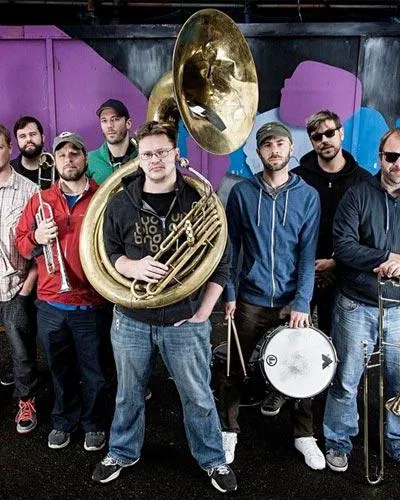
Youngblood Brass Band fusionne les cuivres sans concession de La Nouvelle-Orléans avec l'énergie et le lyrisme du hip-hop. Issu de Madison, Brooklyn, Minneapolis et Chicago, ce groupe de dix musiciens tourne dans le monde entier depuis 2000 et a collaboré avec des artistes tels que Questlove et Talib Kweli. Il est tout aussi à l'aise à mener une fanfare sur ses propres compositions qu'à faire la tête d'affiche d'un festival de punk. Sur MusicGurus, ils décomposent leur son mêlant La Nouvelle-Orléans et hip-hop : comment ils composent et arrangent pour les cuivres, le vocabulaire rythmique et harmonique qui relie le tout, et comment jouer une ligne de cuivre au sein d'une section soudée, y compris les parties complètes de leur morceau 'Brooklyn'.







