



Ne pas suivre la ligne de moindre résistance
Lesson time: (2min 24sec)
Simon Fischer explique pourquoi tu dois résister à la dérive naturelle de l'archet vers la touche et le garder plus près du chevalet pour un son plus plein.
Course preview
This lesson is part of the course Les secrets de la production du son, Partie 1 : connaître ton instrument
Watch a preview of the full course below.
Lesson transcript:
Common Faults in String Playing: Bowing Technique
One of the most common faults in string playing is that of bowing too far from the bridge all the time. There are four main reasons why this occurs:
1. Line of Least Resistance
- Following the line of least resistance, it's easy to allow the bow to slide over to the fingerboard and stay there.
2. Pressure on Strings
- The nearer the bow is to the bridge, the harder the string feels under the bow.
- Thus, the bow moves away to the fingerboard, where less weight and energy is needed.
3. Springiness of the Bow
- The nearer the bow is to the bridge, the deeper into the string you have to play.
- However, once pushed down towards the string, the wood of the bow wants to spring back up again.
- The bow isn't a dead weight; it naturally prefers a place nearer the fingerboard, where it can play along the surface of the string without engaging the springiness of the stick.
4. Instrument Position
- For violin and viola players, when holding the instrument level with the floor, the neck slopes down from the body, causing the strings to slope down from the bridge.
- If the violin or viola is held at a tilt, there's a severe downhill gradient from the bridge, making it natural for the bow to end up on the fingerboard.
Conclusion
To avoid these issues:
- Cellists need to spend a lot of time pushing in towards the bridge.
- Violinists and violists need to pull in towards the bridge.
By practicing these exercises, you will become more aware of your point of contact. This awareness will help you adapt to the dynamics of your playing, allowing you to navigate these resistances effectively, sometimes going with them and at other times pushing against them.
About the instructor
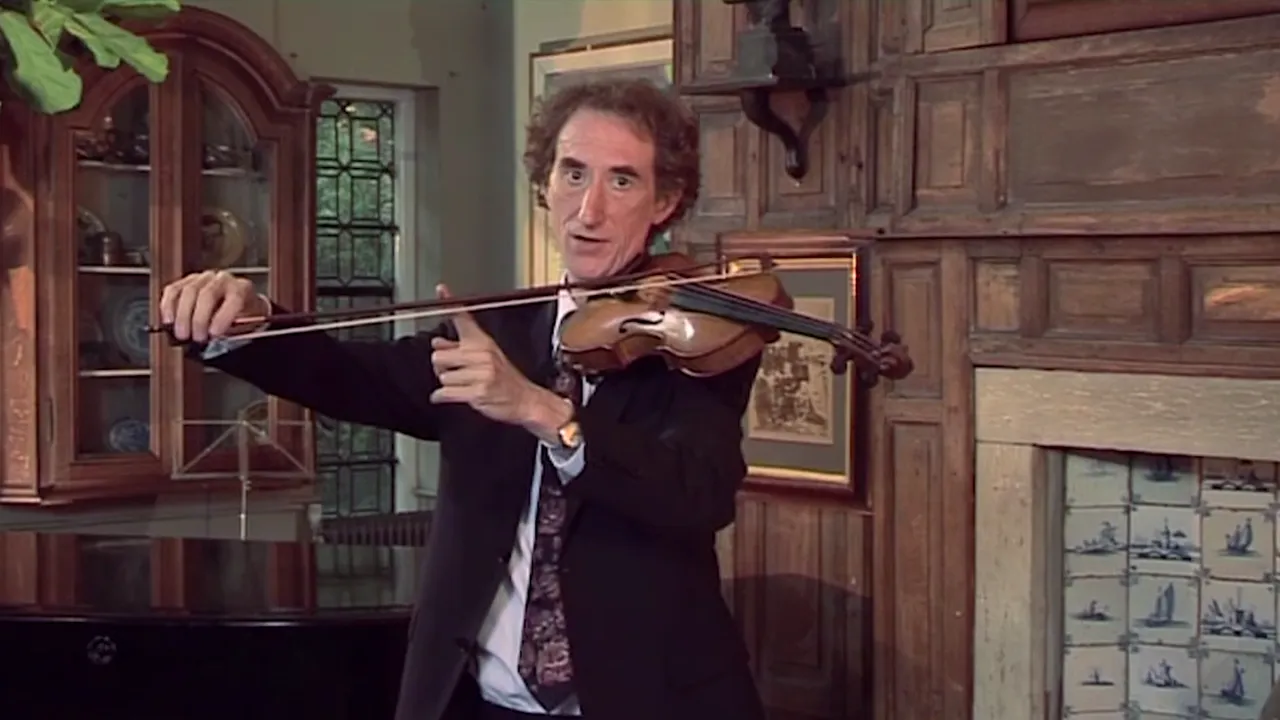
Simon Fischer mène une carrière remarquable et variée de concertiste, de pédagogue et d'artiste de studio. Il s'est produit dans le monde entier en récital et a enregistré trois Sonates de Brahms, un enregistrement salué par la revue Gramophone. Simon est reconnu comme l'un des professeurs d'élite au monde. Il est professeur à la Guildhall School of Music et a occupé des postes à la Yehudi Menuhin School, la Wells Cathedral School et la Purcell School, et a été pendant 15 ans professeur invité à la Royal Scottish Academy of Music. Après avoir étudié à Londres avec Yfrah Neaman et à New York avec Dorothy DeLay, l'approche de Fischer réunit les meilleurs éléments des traditions violonistiques française, russe et américaine. Les publications de Fischer exercent une grande influence sur l'enseignement du violon. Rédacteur pour la revue The Strad depuis 1991, ses articles mensuels ont conquis un lectorat dans le monde entier. Publiés par Edition Peters, ses ouvrages techniques Basics and Practice (traduit en coréen, italien et allemand), Scales et The Violin Lesson, ainsi que le DVD The Secrets of Tone Production (désormais disponible en streaming via MusicGurus), sont devenus des références sur de nombreux continents. Son livre et DVD Warming Up a été décrit par la revue The Strad comme « 23 pages d'or technique à l'état pur ». En 2014, Simon Fischer a reçu le prix de la European String Teachers Association « pour saluer une contribution à l'enseignement des cordes à l'échelle d'une vie ». Dans son cours en quatre parties Secrets of Tone Production, Simon te guide pour apprendre à connaître ton instrument, puis pour travailler pas à pas ses exercices fondamentaux de sonorité, afin de produire un son plus riche, plus maîtrisé et plus beau au violon. read more