



Introduction aux exercices techniques
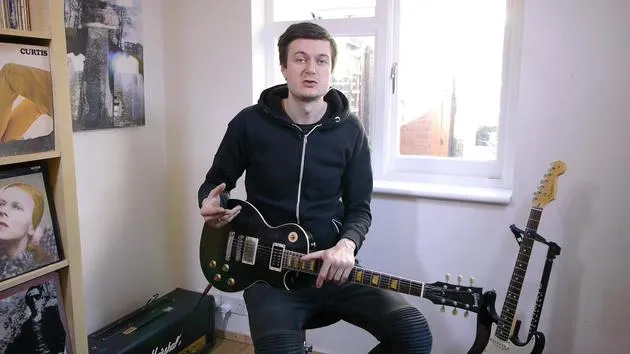
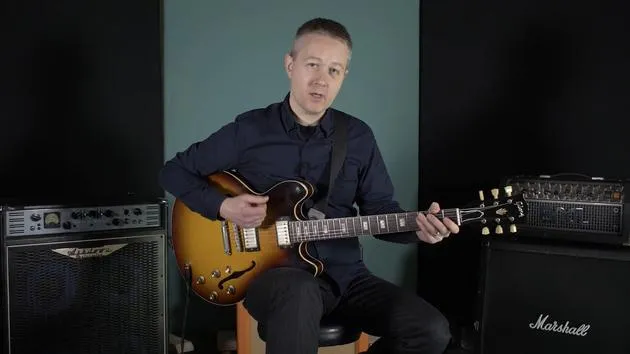
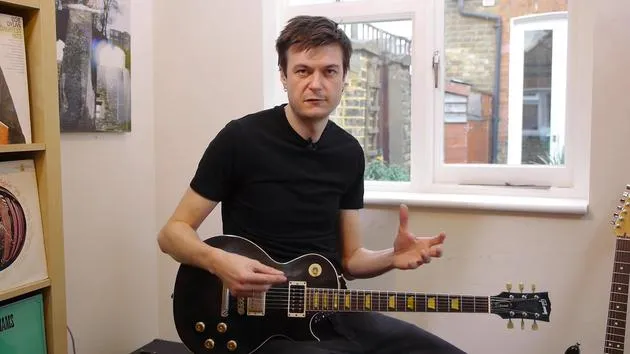
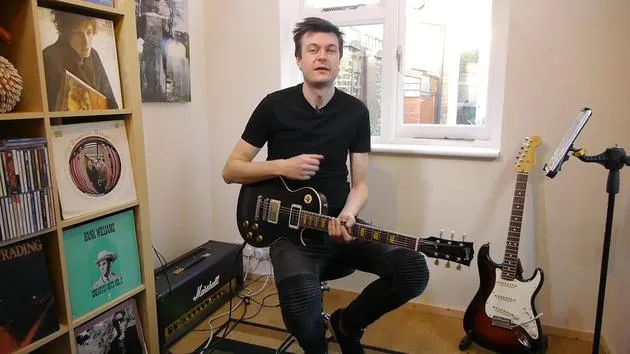
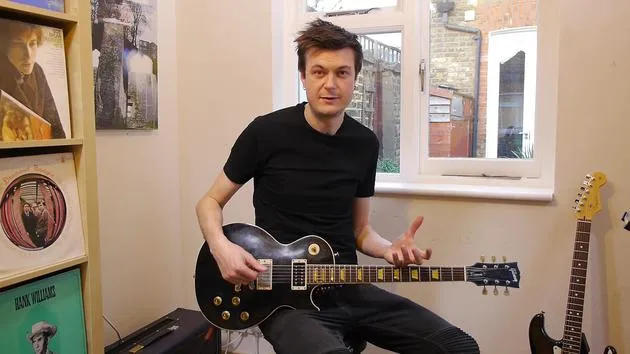
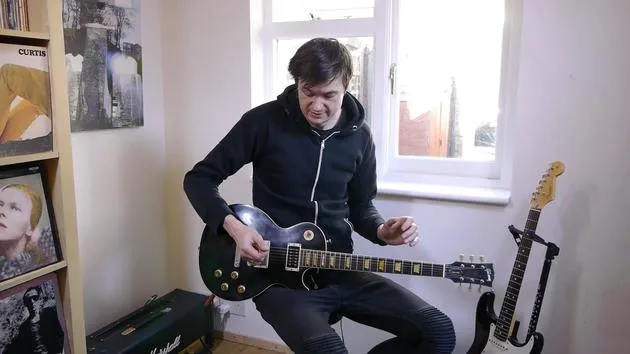
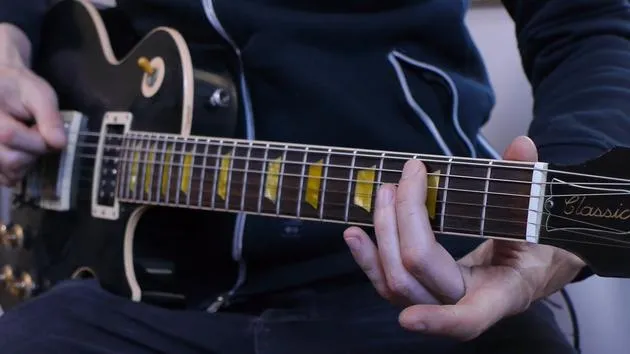
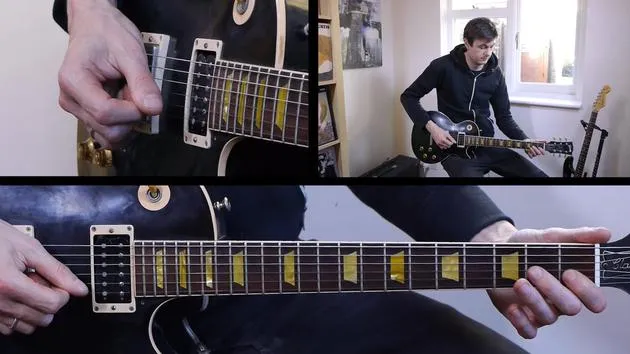
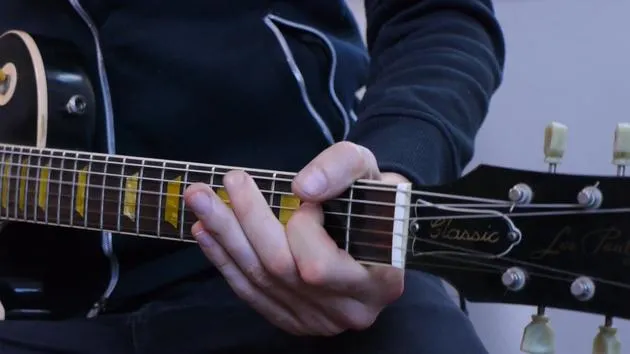
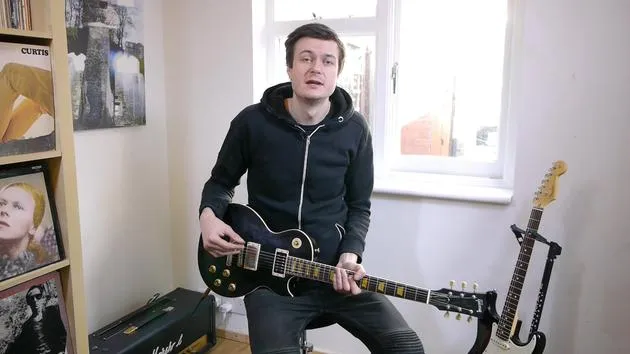
James Barratt présente les exercices techniques du Grade 2 - les gammes, arpèges et accords qui sous-tendent ton jeu, avec les doigtés de ton livre.
Le contenu du cours
41 leçons (2h 51min) · 1 gratuites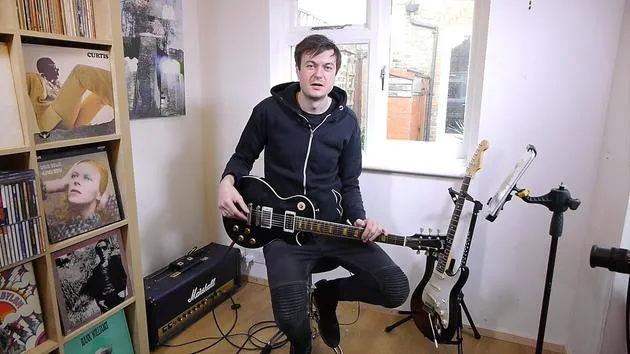
01. Introduction aux approches de l'improvisation
1:00
02. Premiers pas avec l'improvisation
9:22
03. Exercice : trouver les notes des accords
4:05
04. Improviser en utilisant les notes d'accord
10:18
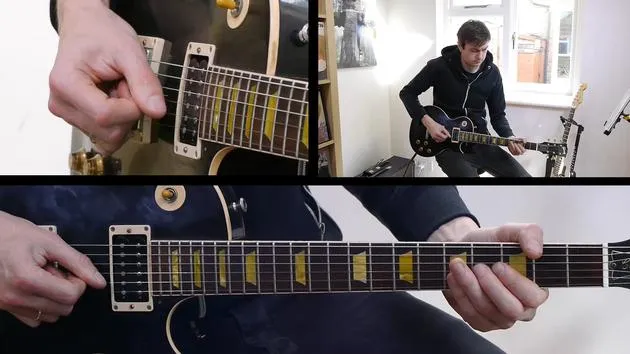
05. Ajouter de l'intérêt rythmique à tes solos
4:11
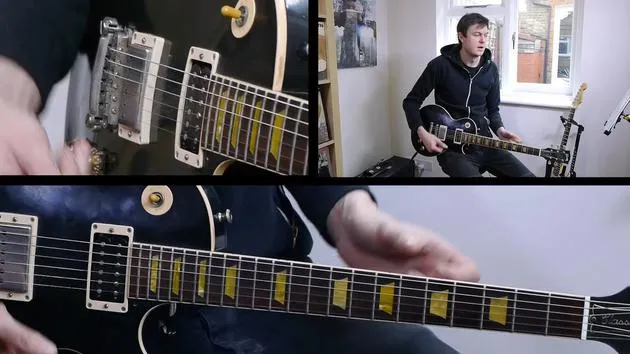
06. Exercice : improviser sur un changement d'accord
2:52
07. Défi : Envoie ton impro
0:24
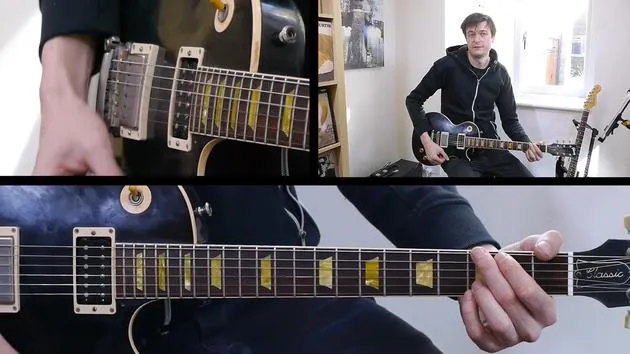
08. Impro rythmique et comping
9:55
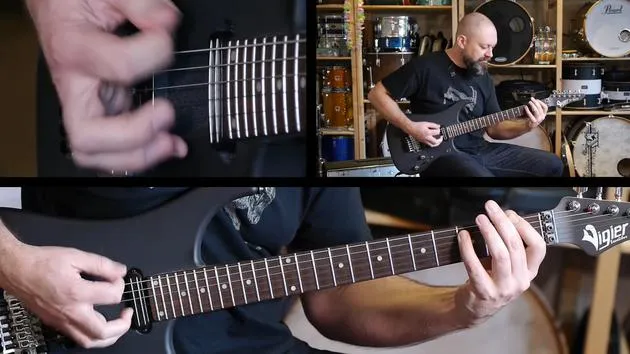
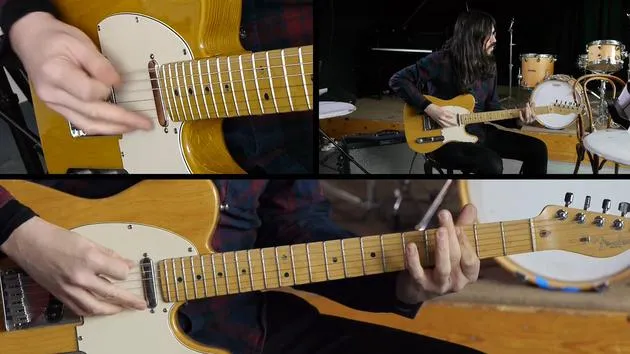
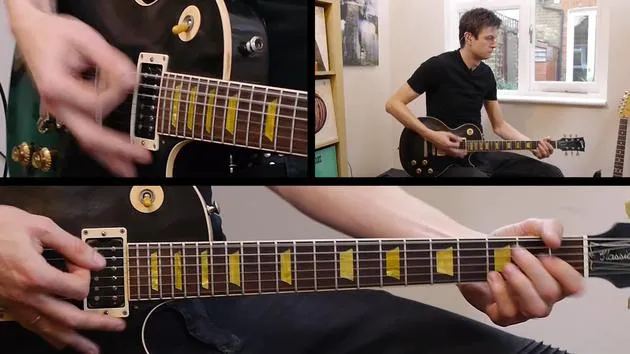
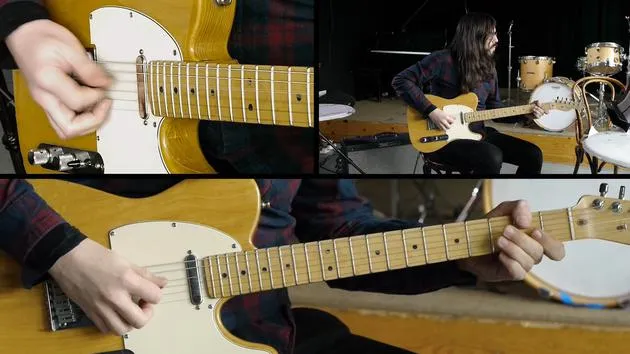
Transcription de la leçon
Technical Exercises in Music
Alright then, guys.
What Are Technical Exercises?
So, what do we mean by technical exercises?
We're talking about:
- Scales
- Arpeggios
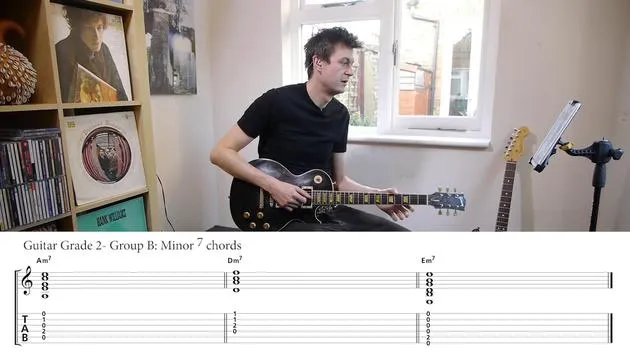
- Chords
These are incredibly useful tools. You use them all the time, whether you realize it or not, in your day-to-day playing.
Importance of Technical Exercises
Now, these exercises may not be quite as fun as picking up pieces initially, but once you've cracked them, there's absolutely no end to what they allow you to do.
They're really, really useful creative tools that you're going to have great fun using.
You've got to get them down first in this kind of rudimentary format.
Future Applications
We will look at more creative applications later on, such as:
- Using them within songs to play solos
- Using them to improvise
But for now, I'm just going to demonstrate them as required for your grade.
Important Notes Before Demonstration
Before I do that, there are a couple of things worthy of note:
- The demonstrations I'm going to play are what's written in your book.
- If you read the preamble before the technical exercises, you will see that you are required to play, depending on your grade, the scales in very specific keys.
For example, it might say to play exercises A and B in keys A, B, and C.
Please do read the information; that's really important if you're planning on taking the exam. Make sure you've prepared the exercises in the right keys.
Demonstrating Exercises
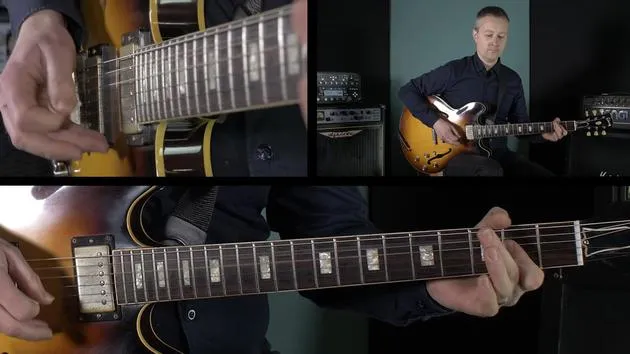
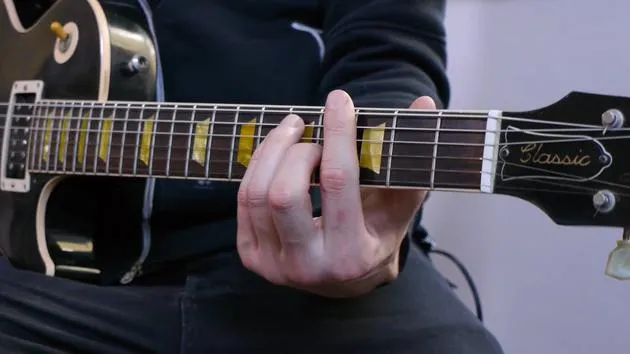
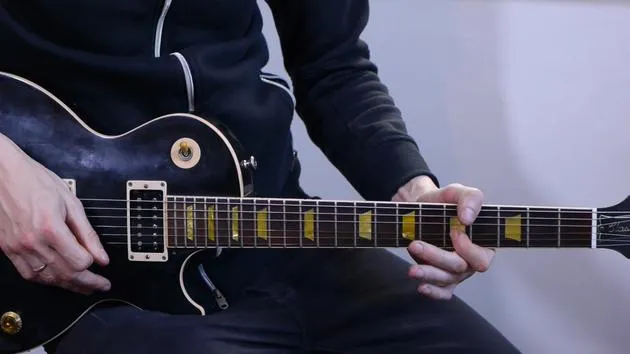
I'm just going to show you the ones demonstrated in your book so you can see the fingerings that I use.
All you need to do to be able to move the exercises into a different key is to take the same shape and move them to the starting note that you want to begin on.
We'll find out later on in the more creative sections why this is going to be useful. Here's a hint:
It's going to allow you to play some pretty damn awesome solos.
Riff Exercises
One further thing:
I'm not going to demonstrate the riff exercise. If you're comfortable with the scales and arpeggios, the riffs are based around these shapes and exercises.
It should just be one step further for you to work out what these riffs will be should you need to move them.
It's a really useful skill for you to develop on your own.
Stylistic Studies
We will also look at the stylistic studies in a part called Stylistic Techniques.
What that will involve is:
- Rather than demonstrations of just the stylist studies themselves, we will look at the techniques involved within those studies and how to use them.
Alright then, here we go with the demos of the technical exercises for your grade. They're all played at the correct tempo for your gradebook.
41 leçons
2h 51m de leçons vidéo structurées
Fonctions vidéo avancées
Ralentissez, bouclez un passage, suivez la partition
Mobile, tablette et ordinateur
Pratiquez où vous voulez
Satisfaction garantie à 100 %
Garantie remboursement 30 jours







