



Aller-retour au médiator
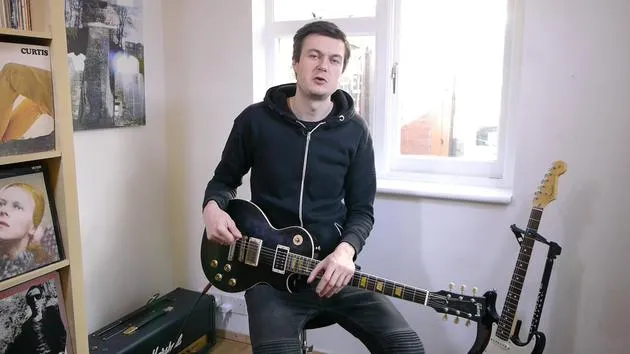
Comment jouer en aller-retour au médiator avec la gamme de Do majeur - des coups stricts bas-haut et un poignet détendu pour faire travailler tes deux mains ensemble.

Le contenu du cours
41 leçons (2h 51min) · 1 gratuites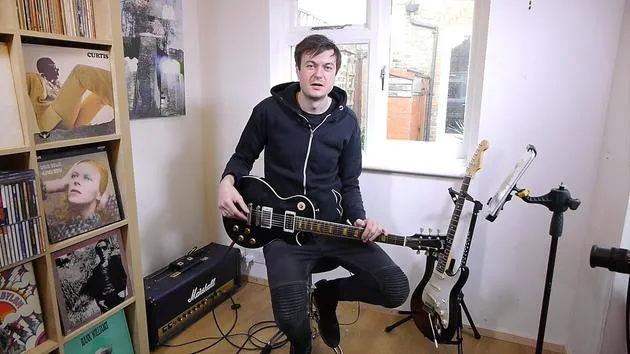
01. Introduction aux approches de l'improvisation
1:00
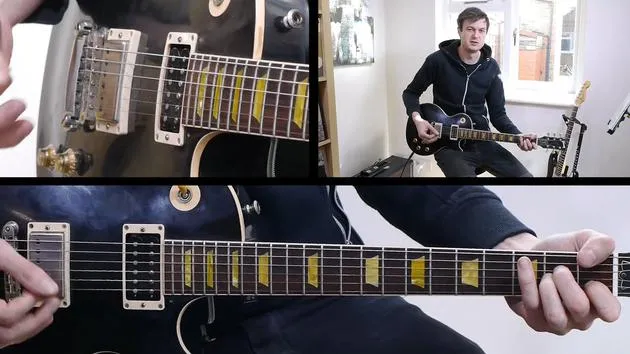
02. Premiers pas avec l'improvisation
9:22
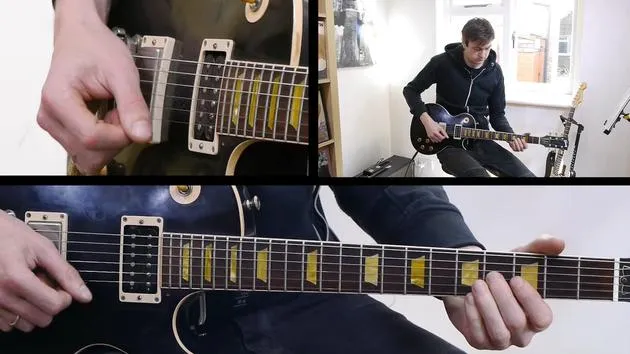
03. Exercice : trouver les notes des accords
4:05
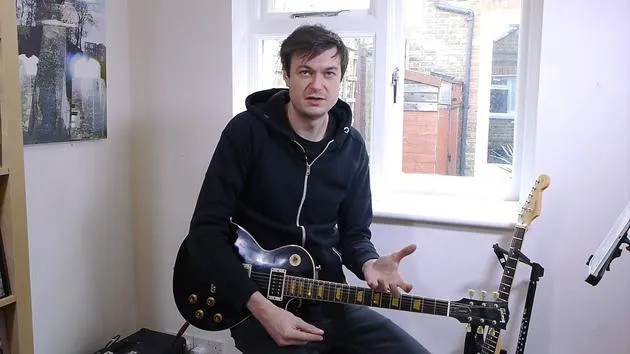
04. Improviser en utilisant les notes d'accord
10:18
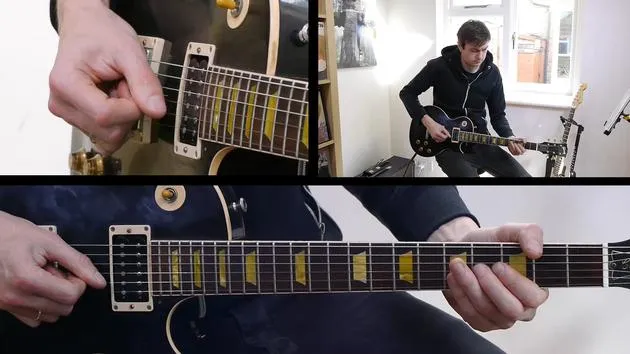
05. Ajouter de l'intérêt rythmique à tes solos
4:11
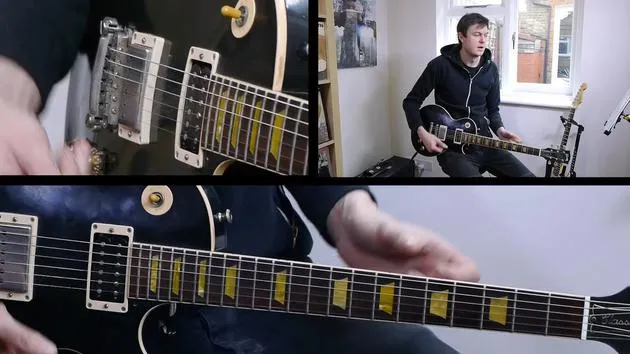
06. Exercice : improviser sur un changement d'accord
2:52
07. Défi : Envoie ton impro
0:24
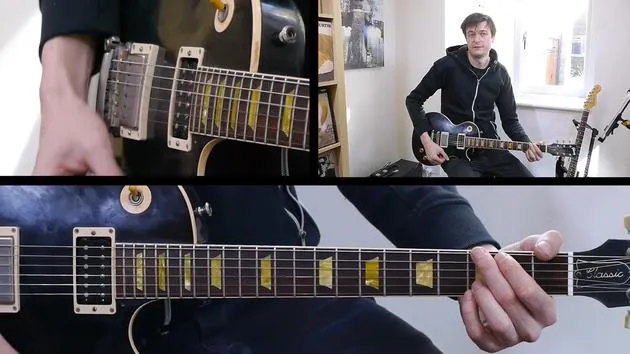
08. Impro rythmique et comping
9:55
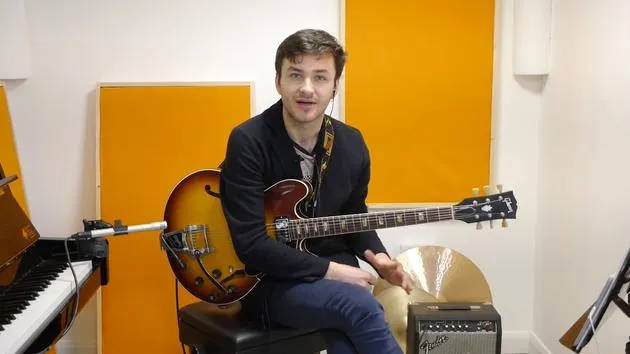
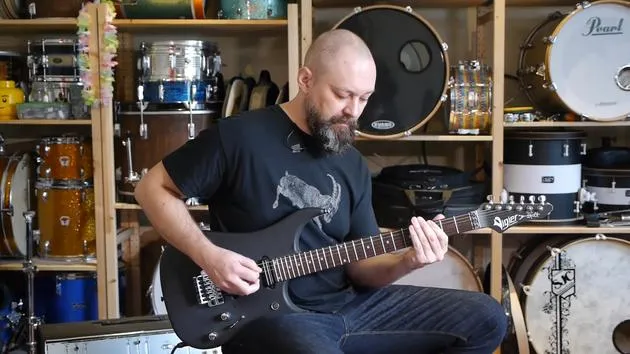
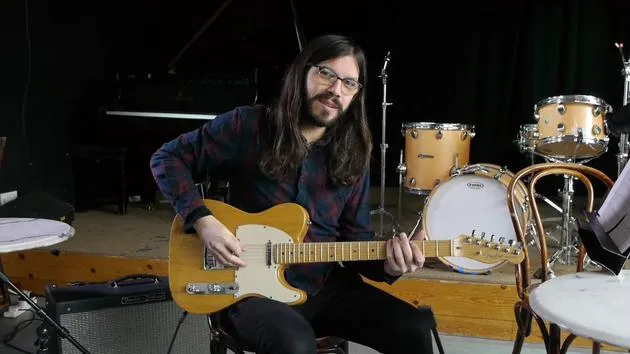
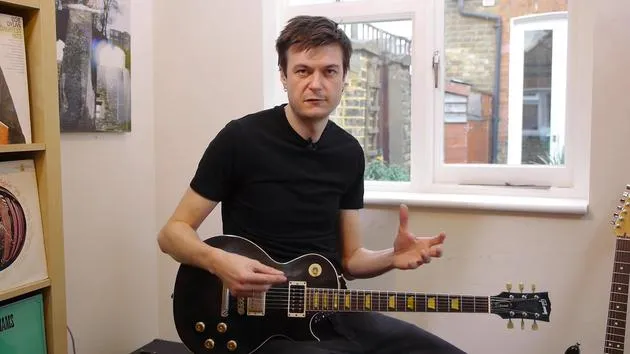
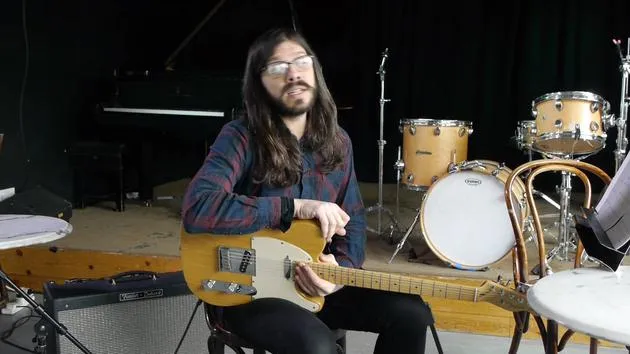
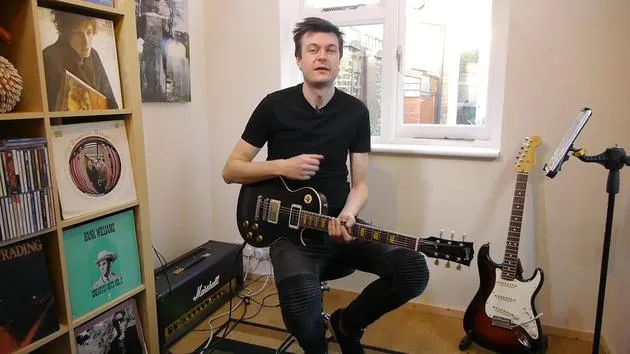
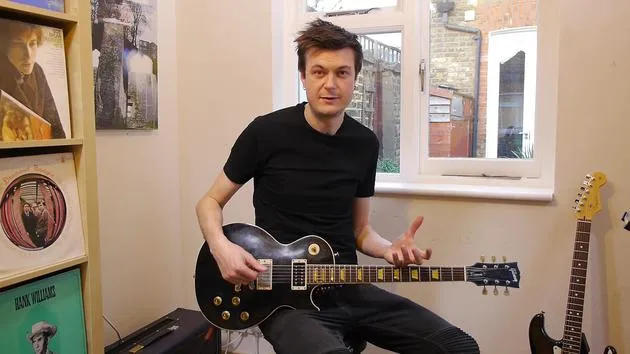
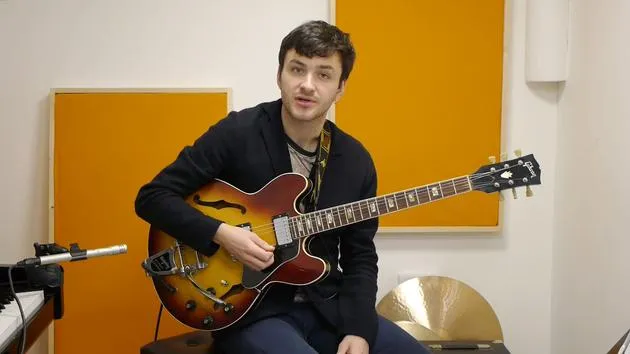
Transcription de la leçon
Alternate Picking Technique
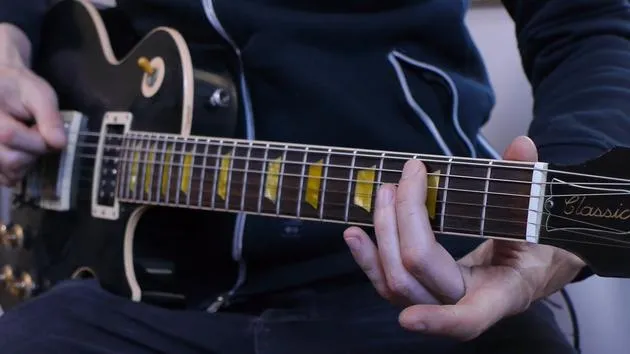
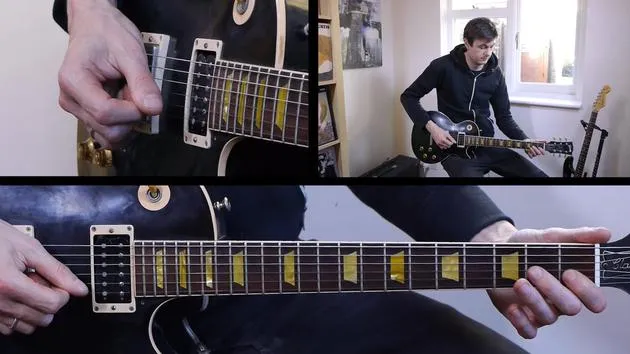
Okay, so let's start getting these hands working together. Now we're going to talk about alternate picking.
Using the C Major Scale
If you've got the grade books, you'll have access to lots of scales. It doesn't really matter which one you pick, but these are all great exercises to help the synchronization between your hands.
Today's Focus: C Major Scale
As I said, we're going to practice this alternate picking using the C major scale.
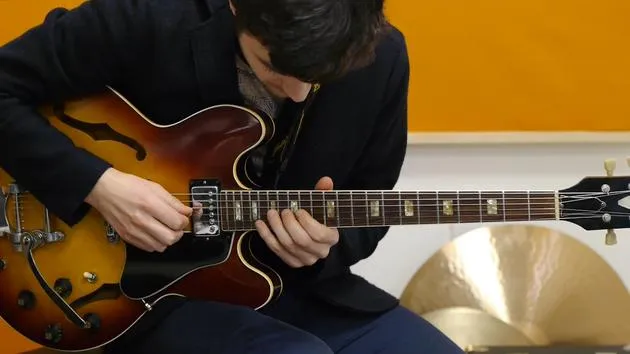
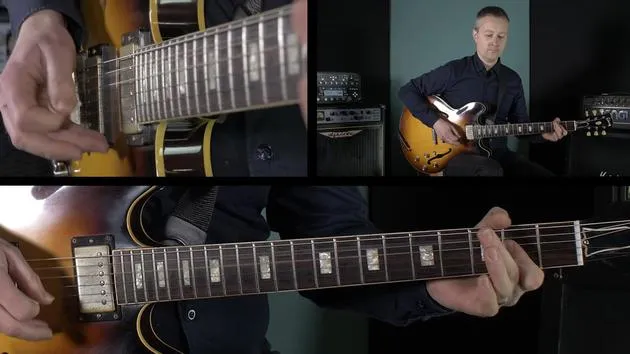
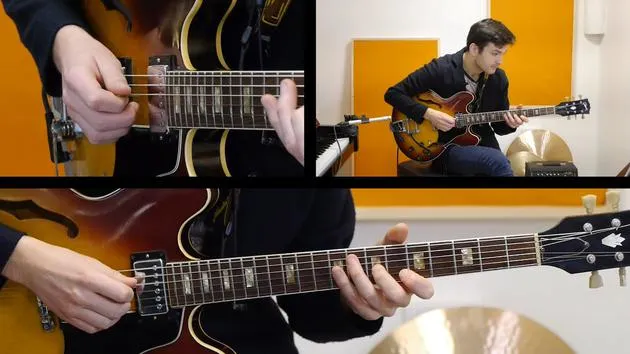
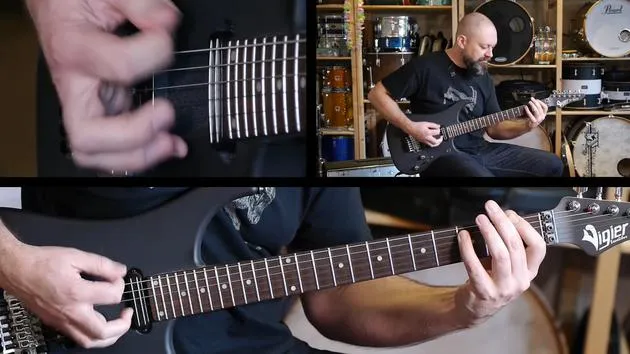
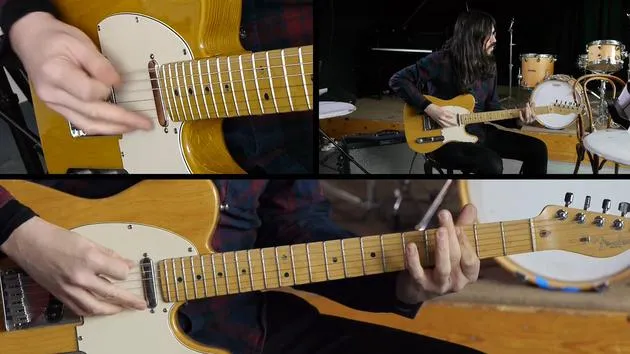
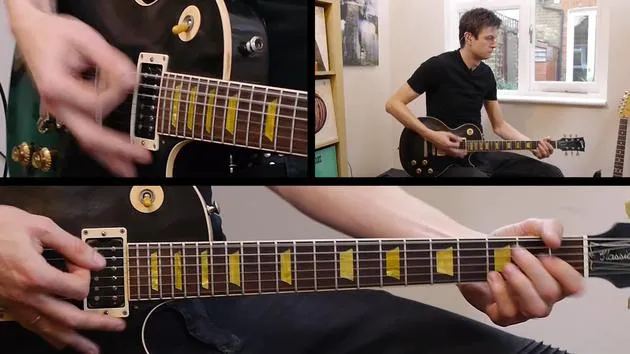
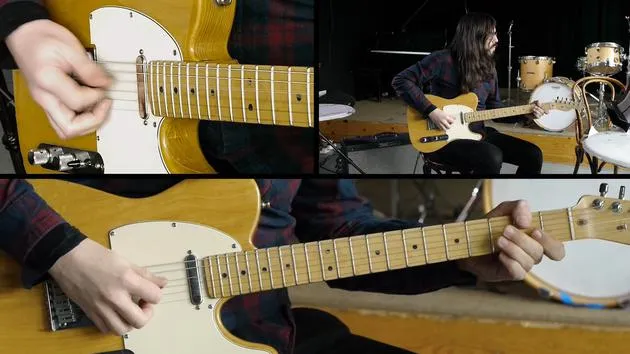
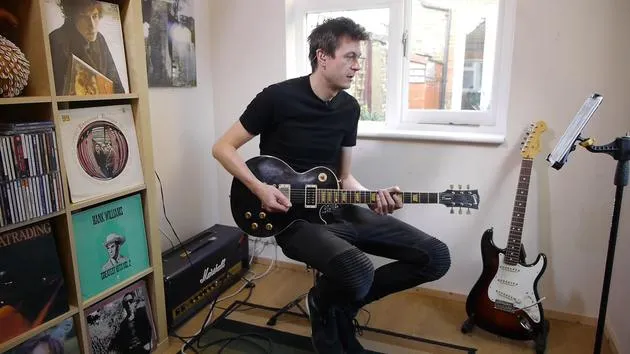
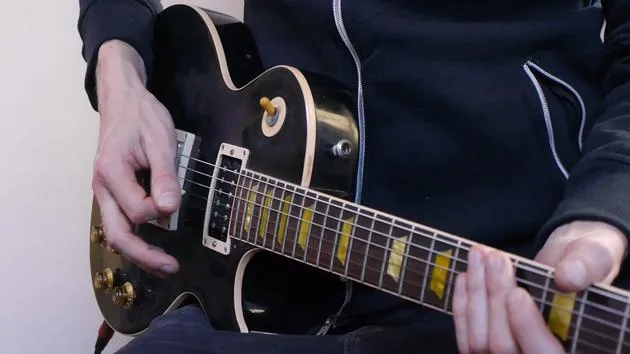
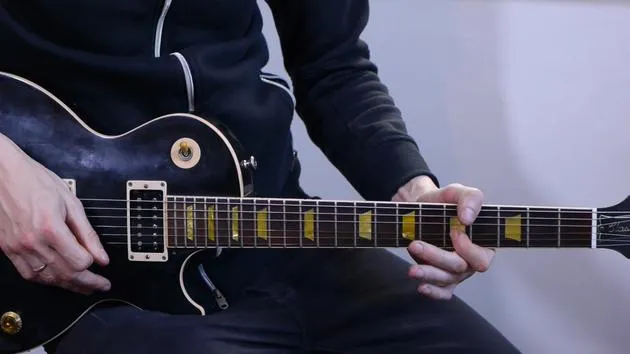
- Right Hand Position: Place your right hand on the bridge, as we discussed.
- Starting the Exercise: Begin with a downstroke on the C note, which is the first note.
Every note that follows will be in the opposite pick direction to the previous one. So it will start with:
- Down stroke
- Up stroke
- Down stroke
- Up stroke
- Down stroke
- Up stroke
That is alternate picking.
Try It Out
Let's have a go at it nice and slowly.
Here we go: 2, 3, 4.
Down, up, down, up, down, up, down, up.
Practice with Different Scales
You can try this with any of your scales. The C major is quite a good one because there are different numbers of notes on each string, which means it's a little bit of a challenge for your right hand to get used to.
Relaxed Technique
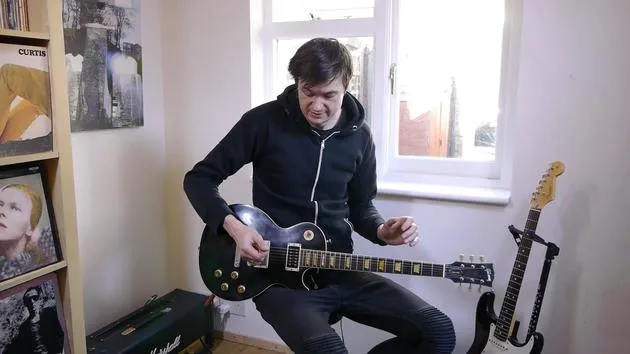
What hopefully you've noticed is that my downstrokes and upstrokes don't involve extreme wrist rotations. It's all just nice and relaxed.
- Downstroke
- Upstroke
- Down, up, down, up, down, up.
Expanding Your Practice
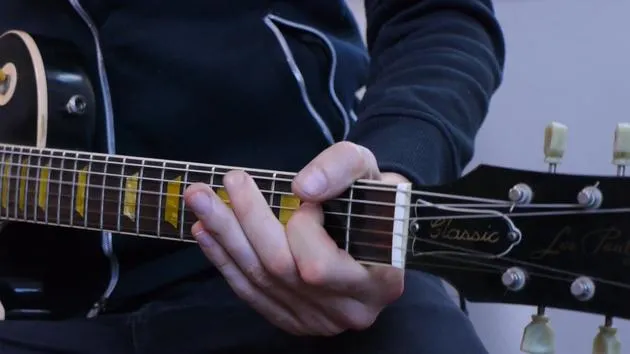
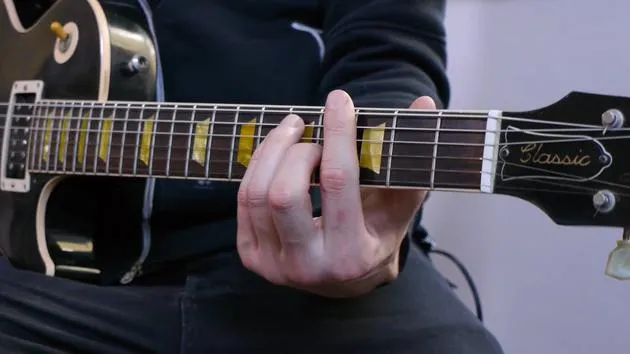
You can practice this with lots of different scales, or you might even just pick a few notes on a couple of strings and practice it across a pair of strings. For example:
- Go to the third fret on the D string and play:
- 3, 5
- Then do the same on the next string:
- 3, 5
Repeat back and forth between those notes: Down, up, down, up.
Using a Metronome
This is something you can practice with a metronome. Gradually build up the speed, and just make sure that at all times you're feeling in control of what your right hand is doing.
Listening and Improving
I think it's important to say, although it might sound silly, make sure you're listening to the quality of the sound that's coming out.
It's easy to concentrate so hard that you forget to listen to what's actually happening. If you find this happening, try recording a bit of audio or video on your phone or laptop.
- Playback: Listen to it back while not having to concentrate. Think: "How did that sound? What could I do to improve it?"
- Then try it again.
It's a really good exercise to do!
41 leçons
2h 51m de leçons vidéo structurées
Fonctions vidéo avancées
Ralentissez, bouclez un passage, suivez la partition
Mobile, tablette et ordinateur
Pratiquez où vous voulez
Satisfaction garantie à 100 %
Garantie remboursement 30 jours







