



Bonecrusher
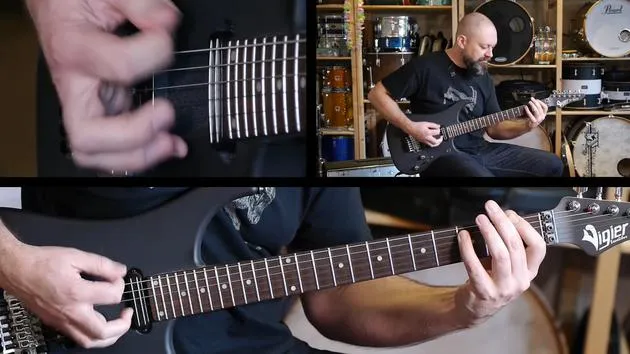
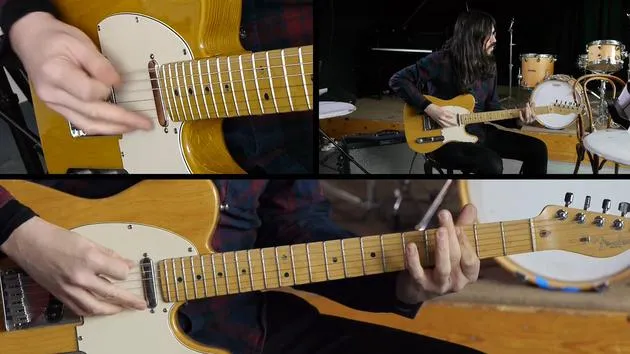
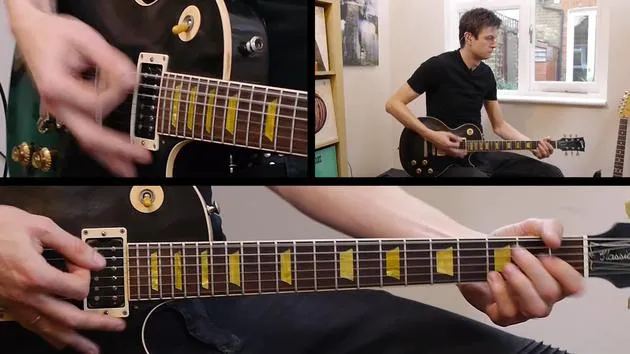
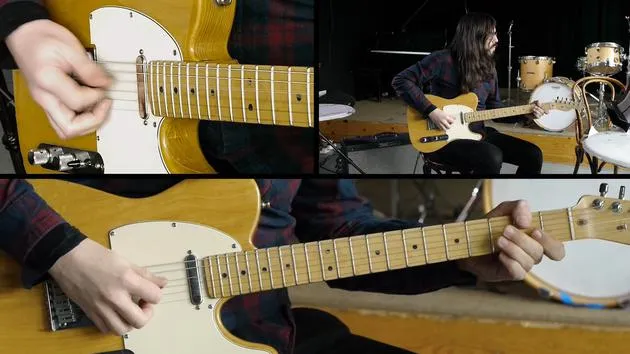
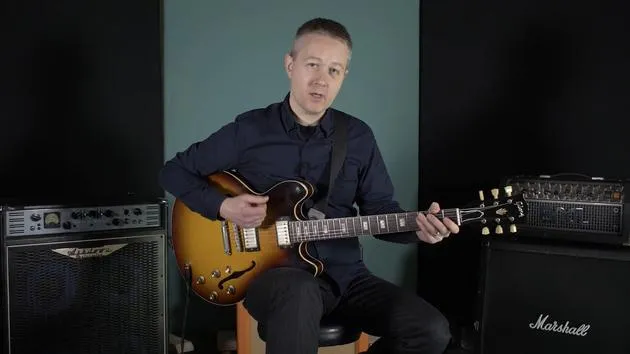
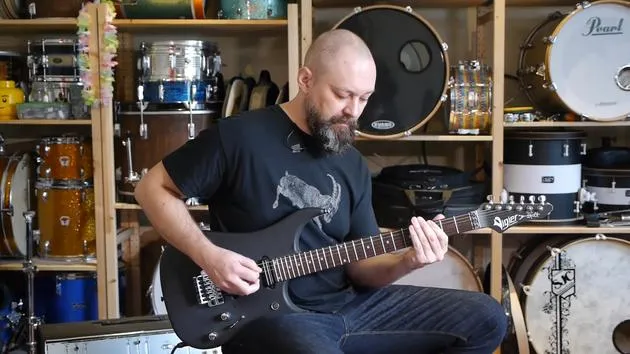
Charlie Griffiths décortique le morceau heavy metal Bonecrusher, en commençant par les power chords -comme le F5 d'ouverture- qui propulsent le morceau.

Le contenu du cours
41 leçons (2h 51min) · 1 gratuites
01. Introduction aux approches de l'improvisation
1:00
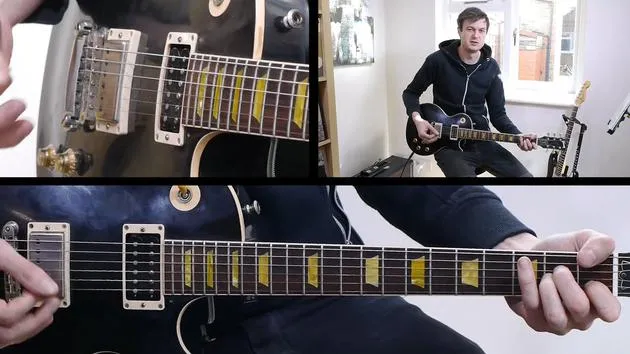
02. Premiers pas avec l'improvisation
9:22
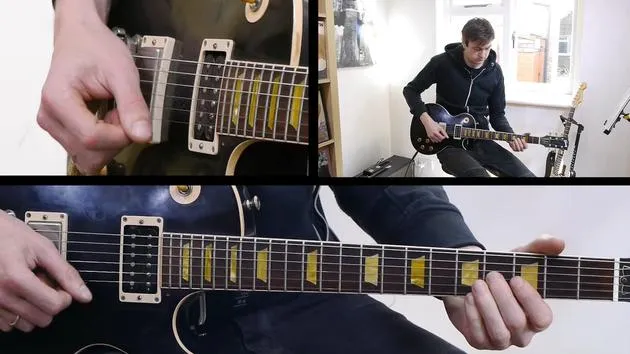
03. Exercice : trouver les notes des accords
4:05
04. Improviser en utilisant les notes d'accord
10:18
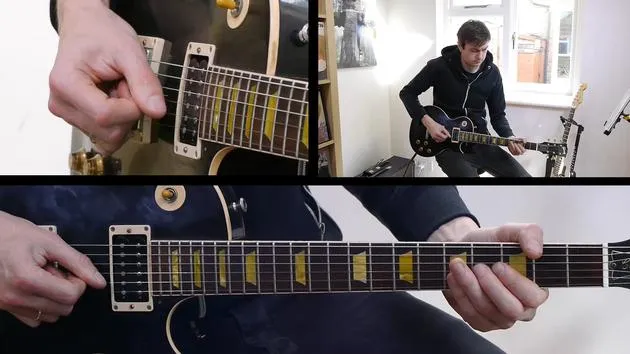
05. Ajouter de l'intérêt rythmique à tes solos
4:11
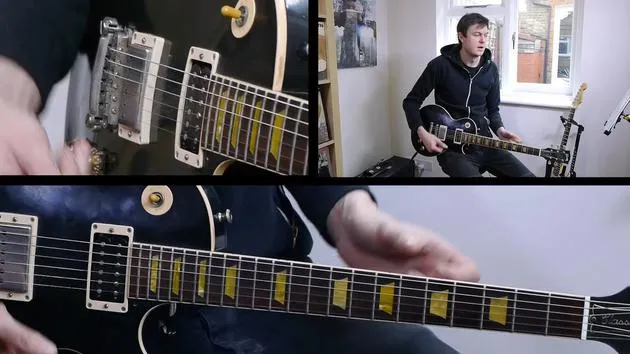
06. Exercice : improviser sur un changement d'accord
2:52
07. Défi : Envoie ton impro
0:24
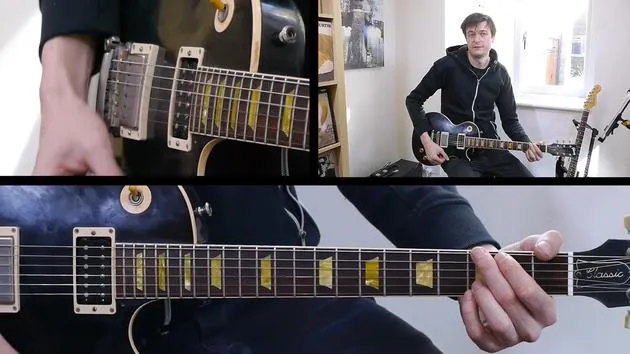
08. Impro rythmique et comping
9:55


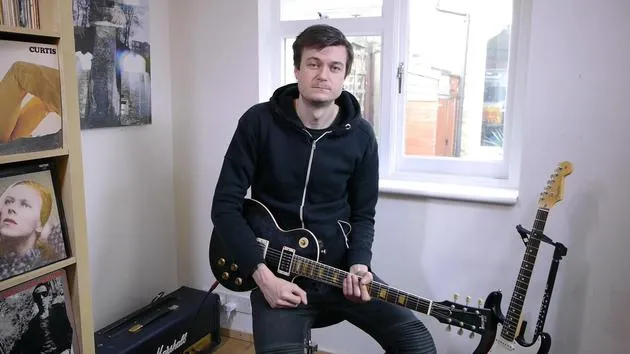
Transcription de la leçon
Music Lesson: Understanding Power Chords and Scales
Introduction
So that was Bone Crusher. It's a heavy metal style song influenced by bands like Black Sabbath and more modern groups such as Avenged Sevenfold, Pantera, and Trivium. Despite spanning many decades, one common element they all share is the power chord.
Power Chords
Introduction to the F Power Chord
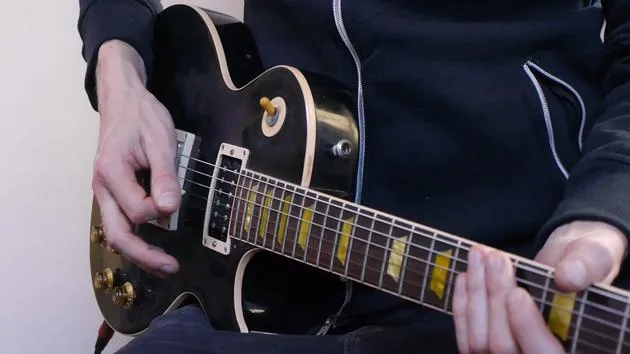
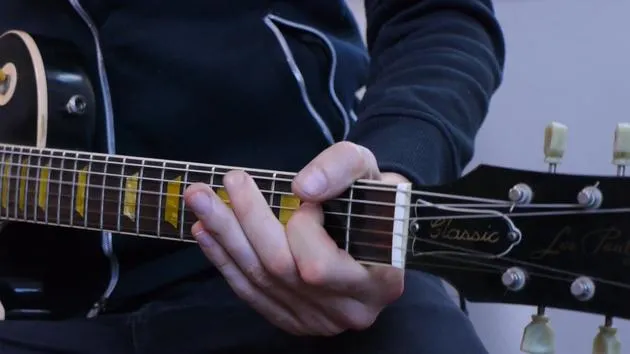
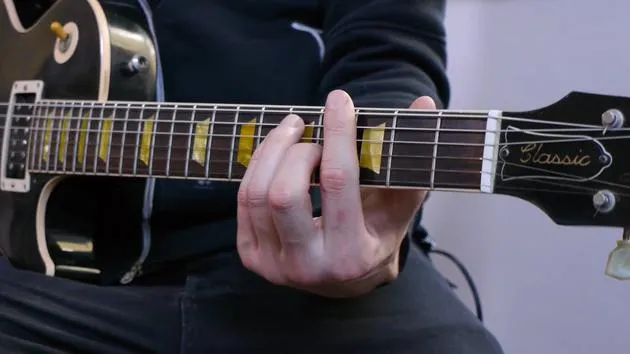
The opening part of this song starts with the F power chord.
- Root Note: F
- Fifth: C
When played together, they sound like this:
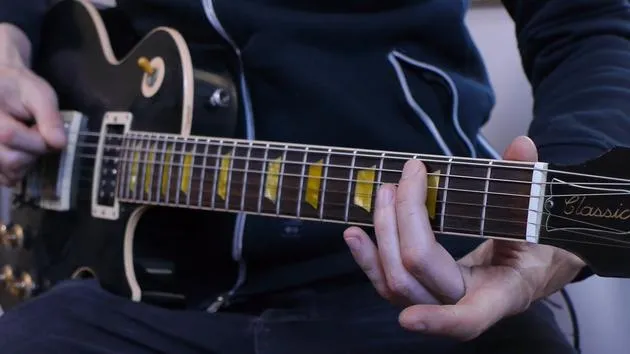
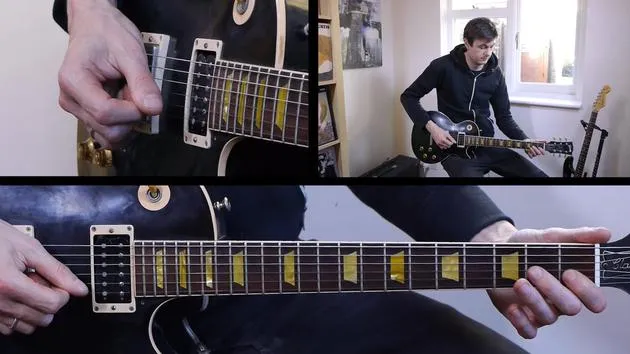
- Use your first finger on the first fret of the lowest string.
- Then, on the fifth fret, place either your fourth finger or your third finger.
Technique:
- Use a downstroke with your pick across both strings in one motion.
Sustaining vs. Staccato Power Chords
-
Sustaining Power Chord:
- Keep your two fretting hand fingers pressed down on the frets.
-
Staccato Power Chord:
- Notated with a little dot underneath the two notes signifies cutting the chord short.
- Sound example: Play the staccato by relaxing your fretting fingers, hold the chord shape and lift your fingers slightly away from the fret to mute the strings.
Alternative Technique:
- Use the palm of your picking hand to stop the strings. Combining both techniques can prevent extra noise like harmonics or unwanted ringing sounds.
Amp Settings for Metal Guitar
To achieve the best guitar sound, most action should happen with the bridge pickup for a sharper tone.
Recommended Settings
- Gain: Around 6:00
- Bass: About 11:00 (too much will cause muddiness)
- Mid Range: 12:00 (crucial for clarity in metal)
- Treble: 2:00 (adds attack to each note)
B Section: E Minor Pentatonic Scale
The riff in the B section utilizes the E minor pentatonic scale.
The Notes
- E Minor Pentatonic: E, G, A, B, D
- Extra note (Bb) for the E blues scale: This adds extra flavor to the standard pentatonic scale.
Practicing the Scale
- Use a metronome, starting slowly.
- Ensure your finger positioning is just behind the fret wire for the cleanest sound.
C Section: Rhythm and Timing
The C section incorporates many rests.
Tips for Timing
- Keep your picking hand moving consistently.
- Example: Down, up for the first two notes, followed by a silent down and up, ensuring all notes and rests are equal in length.
D Section: Combining Techniques
The D section combines riffs from both the B and A sections.
- Remember the blues scale notes.
- Switch back to power chord playing, mixing sustaining and staccato techniques.
E Section: Melodic Techniques
The melody focuses on the top two strings, starting on the E note on the fifth fret (second string).
Scale Practice
- Use one finger per fret for efficiency:
- First finger: 5th fret
- Third finger: 7th fret
- Fourth finger: 8th fret
Picking Techniques
Two methods:
- All Downstrokes: Down, down, down...
- Alternate Picking: Down, up, down, up...
Practice Recommendations
When learning this track:
- Section by Section:
- Master the A section before moving to B.
- Focus on clean and precise notes.
Start slowly, as every great guitarist began their journey this way. Consistent practice with a metronome ensures progress.
Conclusion
So that was the track Bone Crusher. If you enjoy this style, check out bands like Black Sabbath, Led Zeppelin, Trivium, Killswitch Engage, and Metallica. Have fun with it!
41 leçons
2h 51m de leçons vidéo structurées
Fonctions vidéo avancées
Ralentissez, bouclez un passage, suivez la partition
Mobile, tablette et ordinateur
Pratiquez où vous voulez
Satisfaction garantie à 100 %
Garantie remboursement 30 jours







