



Leçon sur la répétition
Lesson time: (5min 21sec)
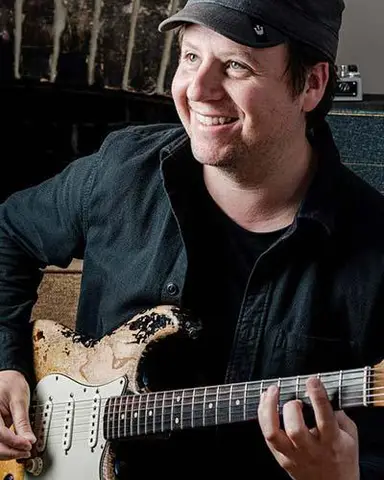
Scott McKeon explique pourquoi la répétition est la clé d'une partie de guitare funky : se caler sur un groove et ajouter de petites inflexions à mesure que le morceau monte en intensité.
Course preview
This lesson is part of the course Joue de l'authentique guitare blues du Texas
Watch a preview of the full course below.
Lesson transcript:
Understanding Funky Playing: The Power of Repetition
One thing to bear in mind when playing funky music is that repetition is key.
Finding Your Groove
-
Settling on a Part: Once you settle on a part, whether that's layering up two guitars, three guitars, or four guitars, or playing with another guitarist in a band context with keyboards and horns, find a part that you can stay on.
-
The Funky Element: The magic lies in not moving from that part.
Example Breakdown
For example, the second part I did was a single note. You can put little inflections in as the song builds. You might insert:
- Little licks
- Additional rhythms
However, it's essential to stay on the money with that main part.
Layering Guitars
- The first part I did was a real simple motif.
- What makes it funky is that the two guitars work against each other.
In the studio, if I were doing this by myself:
- I'd layer it up, possibly panning one left and the other right.
- Think of opposites tonally: one guitar could be round and warm, while the other is sharp, angular, and on the treble pickup.
Textures and Sounds
You can hear this concept in D'Angelo's track "Chicken Grease," where a really funky nine chord is played without moving.
- By combining these elements, you create a rich palette of different textures and sounds.
- On their own, neither part may do much, but together, they create a dynamic interplay.
Creating Space
It's important to leave space for other elements to happen. When you have three or four parts doing something different:
- They harmoniously play off each other.
- You might find one part is hard and staccato, while another is soft and warm.
The Funky Principle
Staying on the same thing for an extended period is among the funkiest things you can do. Practicing this at home to a drum loop or a click is crucial.
Finding the Pocket
- Use a Metronome: One of the best things to do is have a metronome going and try to feel where the music sits.
- Push and Pull: You can push and pull either side of the beat.
- You don't want to be too behind or too ahead.
Building with One Chord
Many funk genres focus on repetition.
- For instance, in the style of Fela Kuti, you can hang on one chord for an extended period.
Feeling the Music
It's all about the feel:
- Finding your pocket and being comfortable with that rhythm.
- Having an inbuilt metronome allows you to push and pull as you play.
If you just stay rigidly on the beat, that's not funky. The essence is about movement:
- You might rush and catch up or pull back a little.
- It's about building tension and then releasing it.
In conclusion, embrace that tension and find your unique pocket within the groove for truly funky playing!
About the instructor
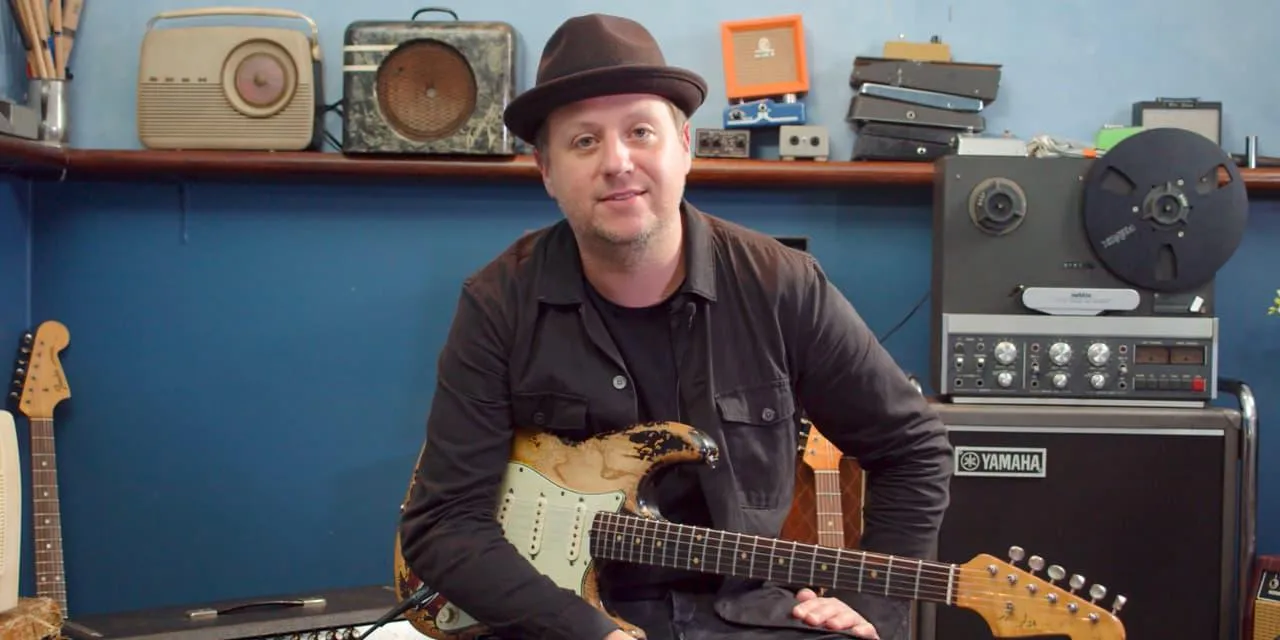
Scott McKeon a consacré toute une vie à son art de guitariste. Inspiré au départ par l'amour de son père pour le blues, la soul et le rock, il a pris la guitare à l'âge de quatre ans et s'est bâti une réputation de l'un des guitaristes les plus demandés du Royaume-Uni, aussi bien en studio qu'en concert. En 2014, Scott a reçu un appel pour jouer dans le groupe de Sir Tom Jones, aux côtés de Robbie McIntosh et du batteur de Pink Floyd Gary Wallis. Le répertoire, orienté blues, rock 'n' roll et gospel, permet à Scott de puiser dans ses premières influences et de parcourir le globe. Les concerts à ce jour ont compté cinq tournées européennes, trois tournées aux États-Unis et en Amérique du Sud, ainsi que des tournées en Australie et en Extrême-Orient, sans oublier des apparitions à la télévision dont Later... with Jools Holland et TFI Friday, et une prestation au New Orleans Jazz Festival en 2019. Le troisième album de Scott, 'New Morning', est un disque terreux, brut et mené par la guitare, qui met en valeur son registre et ses capacités de guitariste. L'album a été enregistré en live au studio RAK à Londres, capturant l'énergie et la spontanéité des sessions. Il a été produit par Paul Stacey (Black Crowes/Oasis), et fait appel à Jeremy Stacey (Sheryl Crow/Tal Wilkenfeld) à la batterie, Rocco Palladino (Tom Misch/D'Angelo) à la basse, et Gavin Conder (Rufus Black/The Kondoors) au chant sur plusieurs morceaux. Scott possède aussi une pédale de fuzz signature et des micros signature, modelés sur sa Strat de 62. Dans son cours, Scott partage le son, le phrasé et le feeling qui sous-tendent l'authentique guitare blues du Texas, te montrant comment mordre dans le style et faire chanter chaque note. read more