



Introduction au Texas Blues
Avec
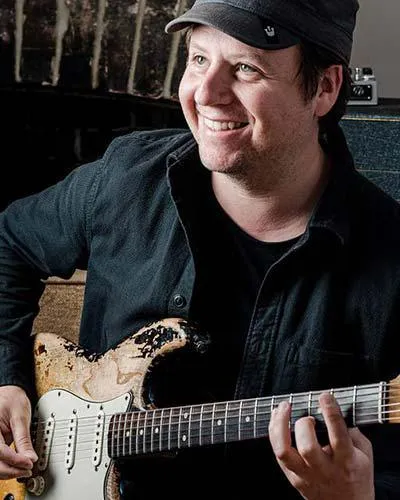
Scott McKeonScott retrace l'histoire du style blues du Texas et son influence sur des musiciens célèbres et sur son propre jeu
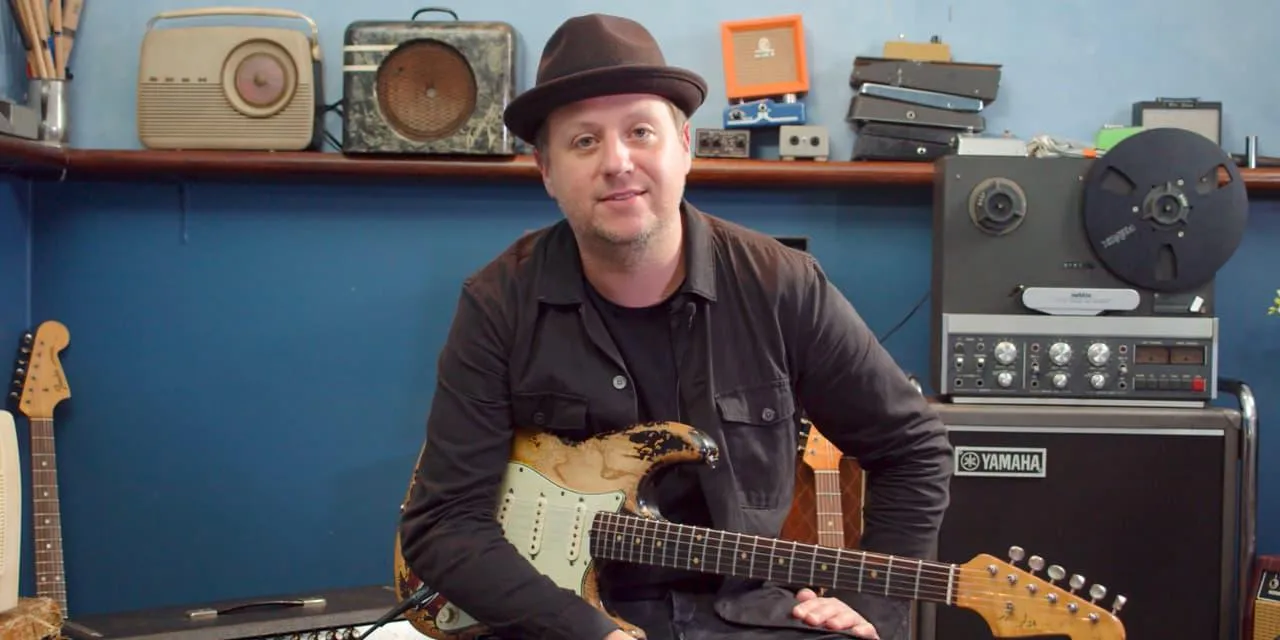
Le contenu du cours
34 leçons (1h 29min) · 2 gratuites
01. Introduction au Texas Blues
Tu es ici4:40
01. Solos traditionnels en call and response
2:24
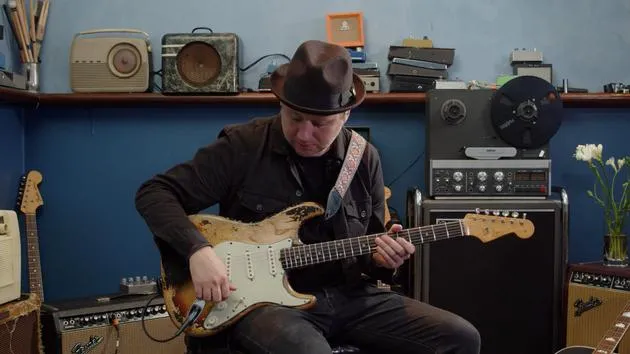
02. Solo d'exemple 1 - BB King
0:52
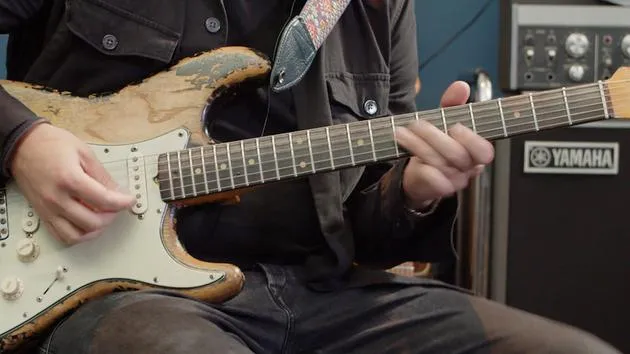
03. Laisser de l'espace
3:17
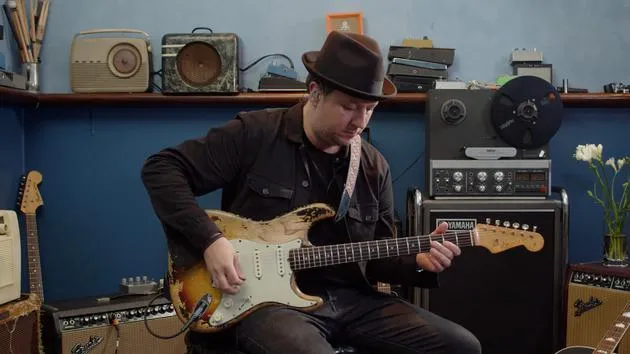
04. Solo d'exemple 2 - Stevie Ray Vaughan (accords rythmiques)
0:54
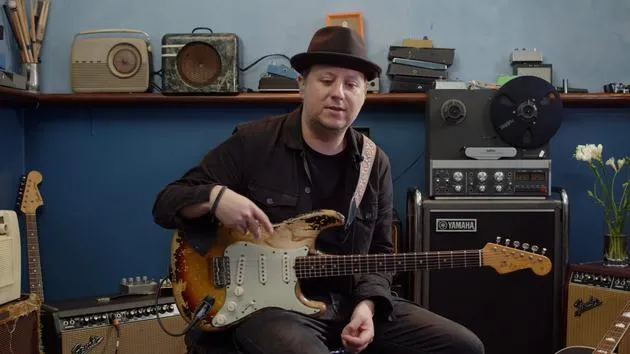
05. Improviser des solos avec les doigts
1:47
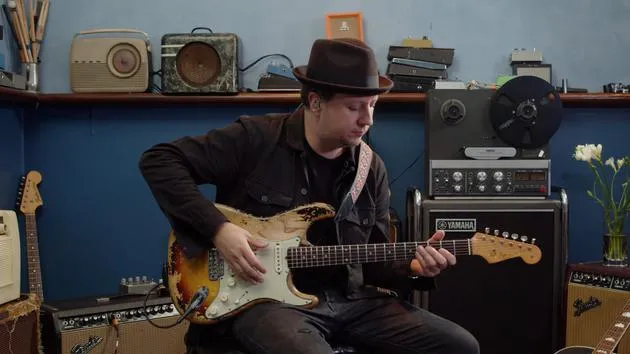
06. Exemple de solo 3 - Albert Collins
0:55
07. Combiner les techniques
1:06
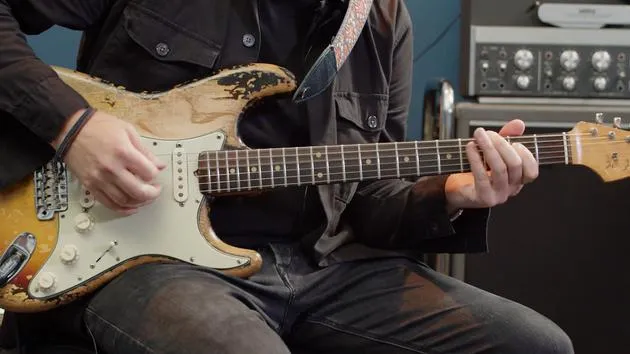
08. Exemple de solo 4 - Tout mettre ensemble
0:56
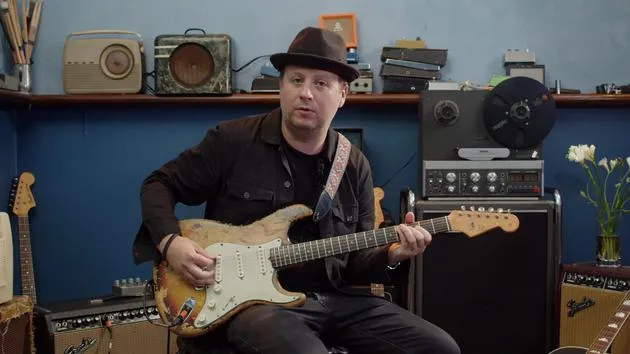
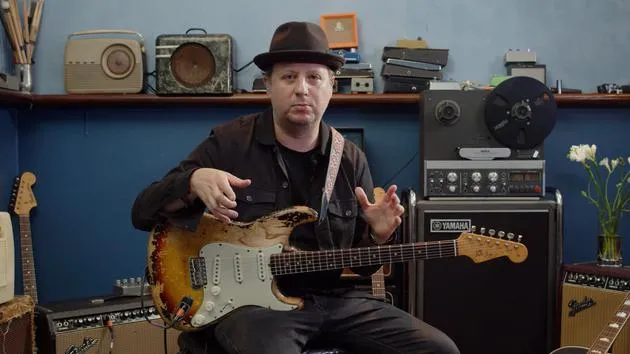
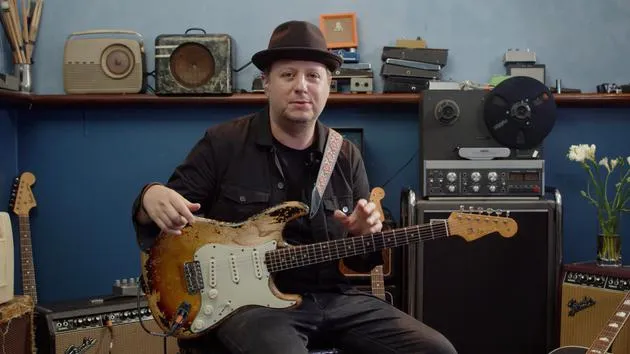
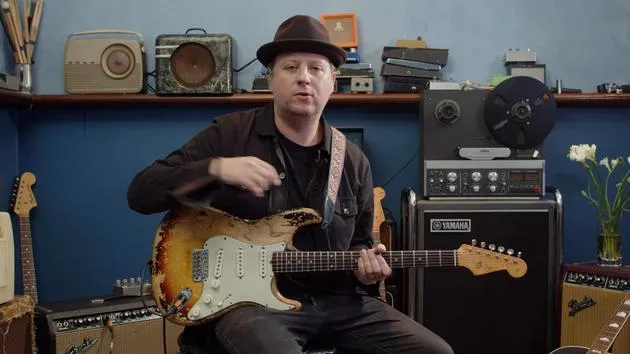
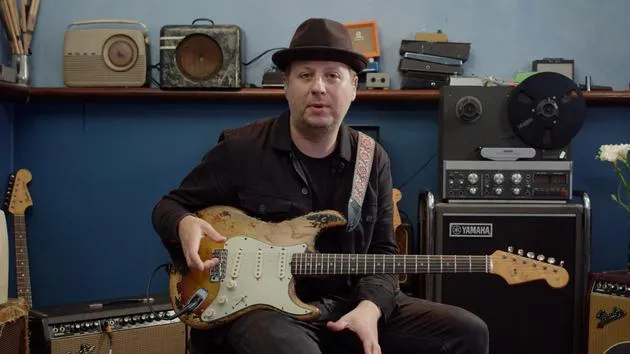
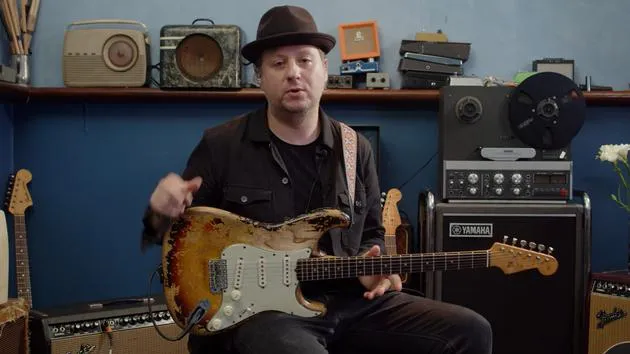
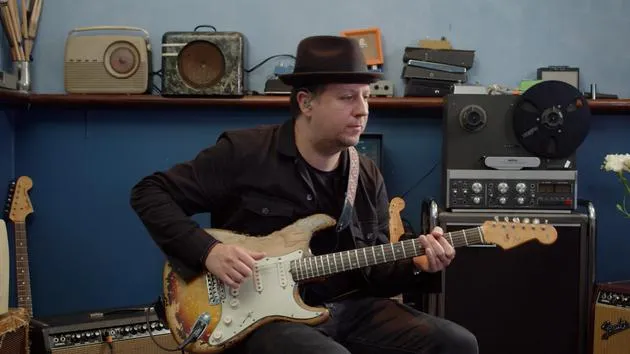
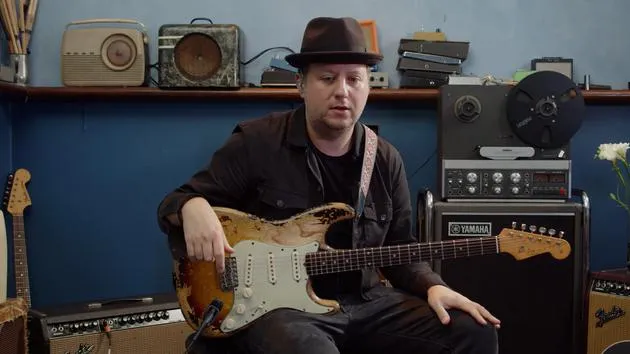
Transcription de la leçon
The Influence of Texas Blues on Music
A big influence on my playing, and a lot of my heroes' playing, was some of the early Texas blues stuff. Key figures include:
- Jimmy Reid
- Lightning Hopkins
- Freddie King
- Albert Collins
- Stevie Ray Vaughan
- Jimmy Vaughan
The Essence of Texas Blues
The Texas blues genre is a really raw form of music. It's hard to pinpoint exactly where it came from, as there are many different influences involved:
- New Orleans
- Louisiana
- Mississippi
However, the Texas blues has a very specific groove and shuffle. There's no messing around; it's quite a raw form of music.
Self-Accompaniment in Blues
One of the starting points for a lot of this music was artists accompanying themselves with just a guitar. For example, Lightning Hopkins mastered the art of being the bass, drums, and rhythm all in one, singing over the top:
- One-Man Band: He was kind of a one-man band.
- Rhythm and Melody: He would play in a way that you could hear him maintaining the rhythm and layering sounds; his right hand would act as the bass, providing a strong, consistent beat.
The Role of Rhythm
- Snare and Licks: He would add snare-like sounds and playful licks on top of his rhythmic foundation.
- Raw Form: This setup is the basis of a lot of that kind of music , just an acoustic guitar and someone singing over it.
Transition to Electric Blues
This self-accompaniment influenced the evolution of blues guitarists as they transitioned to playing electric guitar with bands. Musicians like Jimmy Reid played a style that significantly influenced rock and roll.
Understanding the Roots
It's important to understand these early beginnings of the music before diving into the electric forms. Artists such as:
- John Lee Hooker
- Sun House
These musicians often played solo, creating captivating rhythms that might evoke simple sounds, like someone walking. This directly influenced later musicians like Stevie Ray Vaughan.
The Pocket of Traditional Blues
The original music of John Lee Hooker features a unique pocket that comes from solo performances without a band. When bands were added to this foundation, the result was a powerful and robust rhythm on the guitar.
Conclusion: Amplifying Blues Roots
In conclusion, Steve Ray Vaughan's playing was heavily influenced by that early blues, simply amplified and performed within a band context.
For example, we can consider an old Lightning Hopkins piece to illustrate this transition in style.
34 leçons
1h 29m de leçons vidéo structurées
Fonctions vidéo avancées
Ralentissez, bouclez un passage, suivez la partition
Mobile, tablette et ordinateur
Pratiquez où vous voulez
Satisfaction garantie à 100 %
Garantie remboursement 30 jours
Rencontrez votre guru
Rencontrez votre guru
Scott McKeon a consacré toute une vie à son art de guitariste. Inspiré au départ par l'amour de son père pour le blues, la soul et le rock, il a pris la guitare à l'âge de quatre ans et s'est bâti une réputation de l'un des guitaristes les plus demandés du Royaume-Uni, aussi bien en studio qu'en concert.
En 2014, Scott a reçu un appel pour jouer dans le groupe de Sir Tom Jones, aux côtés de Robbie McIntosh et du batteur de Pink Floyd Gary Wallis. Le répertoire, orienté blues, rock 'n' roll et gospel, permet à Scott de puiser dans ses premières influences et de parcourir le globe. Les concerts à ce jour ont compté cinq tournées européennes, trois tournées aux États-Unis et en Amérique du Sud, ainsi que des tournées en Australie et en Extrême-Orient, sans oublier des apparitions à la télévision dont Later... with Jools Holland et TFI Friday, et une prestation au New Orleans Jazz Festival en 2019.
Le troisième album de Scott, 'New Morning', est un disque terreux, brut et mené par la guitare, qui met en valeur son registre et ses capacités de guitariste. L'album a été enregistré en live au studio RAK à Londres, capturant l'énergie et la spontanéité des sessions. Il a été produit par Paul Stacey (Black Crowes/Oasis), et fait appel à Jeremy Stacey (Sheryl Crow/Tal Wilkenfeld) à la batterie, Rocco Palladino (Tom Misch/D'Angelo) à la basse, et Gavin Conder (Rufus Black/The Kondoors) au chant sur plusieurs morceaux.
Scott possède aussi une pédale de fuzz signature et des micros signature, modelés sur sa Strat de 62.
Dans son cours, Scott partage le son, le phrasé et le feeling qui sous-tendent l'authentique guitare blues du Texas, te montrant comment mordre dans le style et faire chanter chaque note.







