



Laisser de l'espace
Avec
Scott McKeon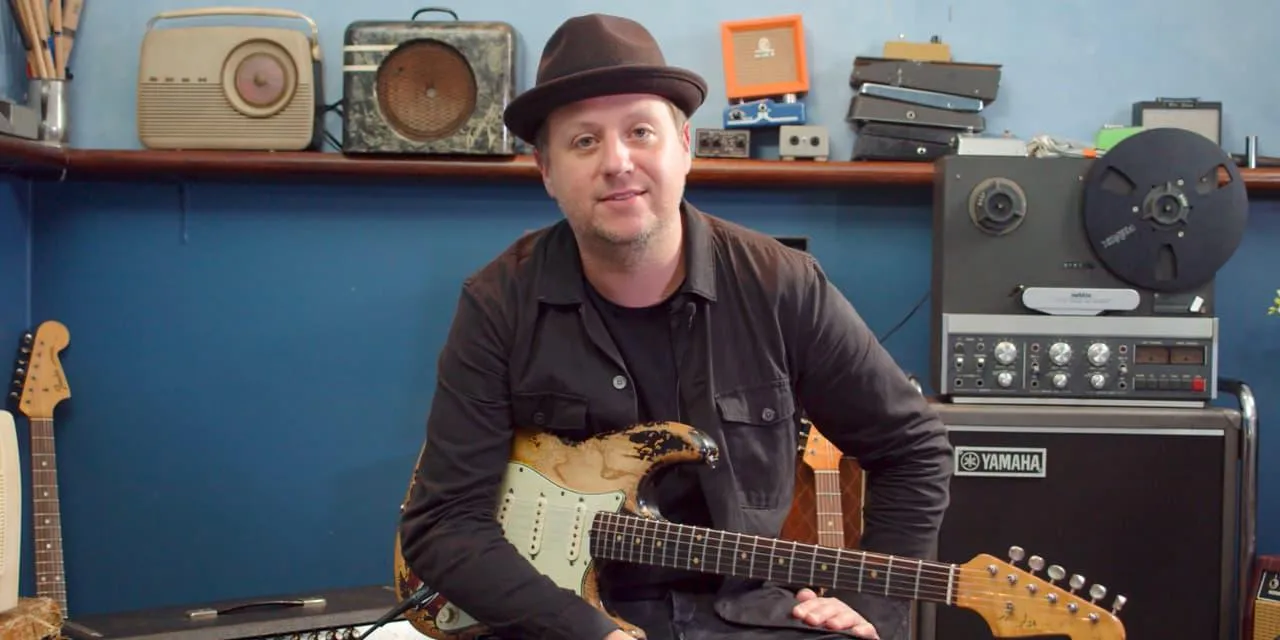
Le contenu du cours
34 leçons (1h 29min) · 2 gratuites
01. Solos traditionnels en call and response
2:24
02. Solo d'exemple 1 - BB King
0:52
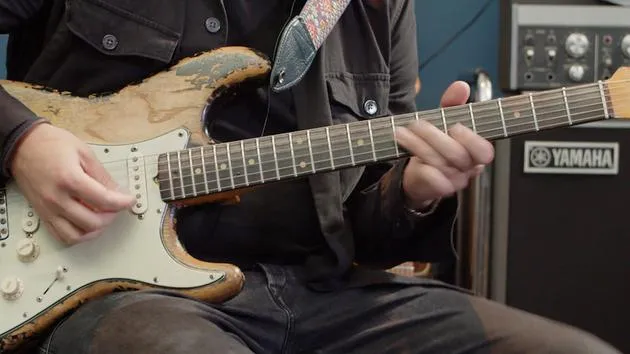
03. Laisser de l'espace
Tu es ici3:17
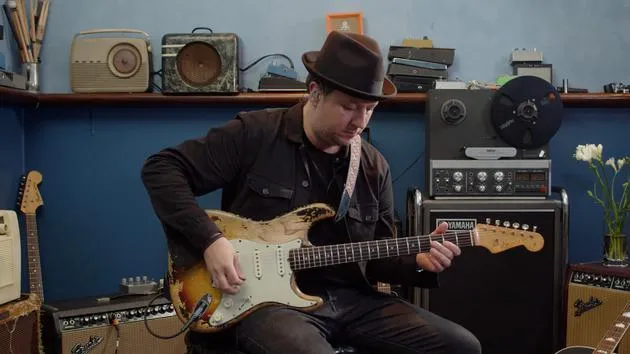
04. Solo d'exemple 2 - Stevie Ray Vaughan (accords rythmiques)
0:54
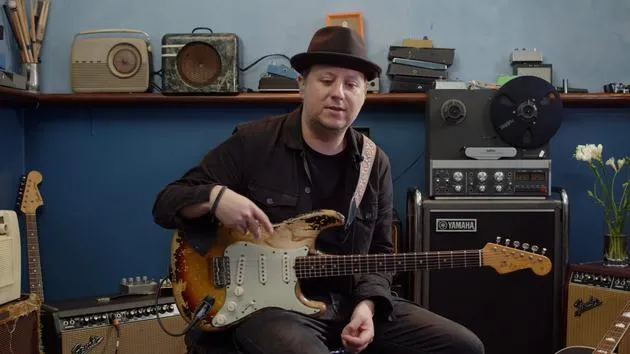
05. Improviser des solos avec les doigts
1:47
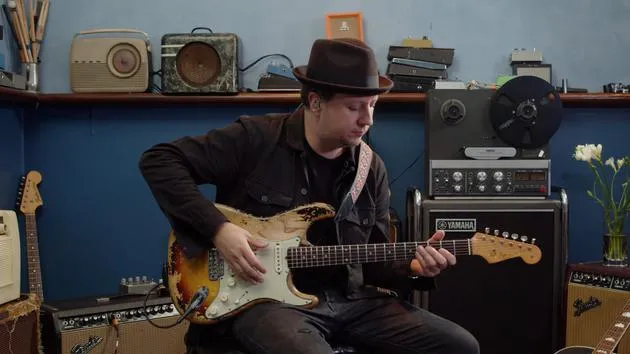
06. Exemple de solo 3 - Albert Collins
0:55
07. Combiner les techniques
1:06
08. Exemple de solo 4 - Tout mettre ensemble
0:56
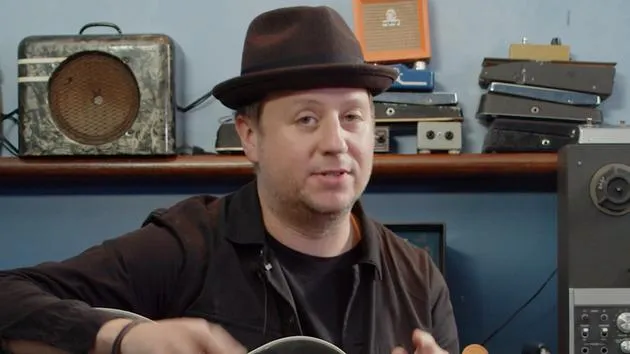
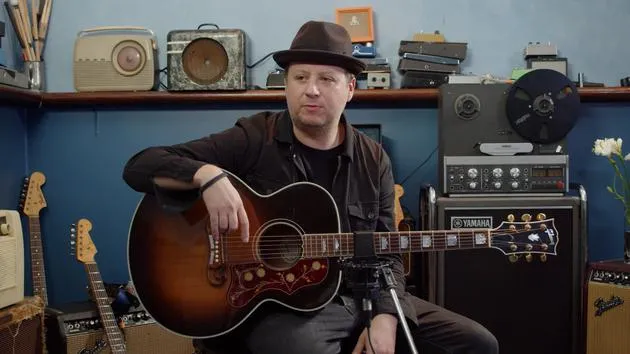
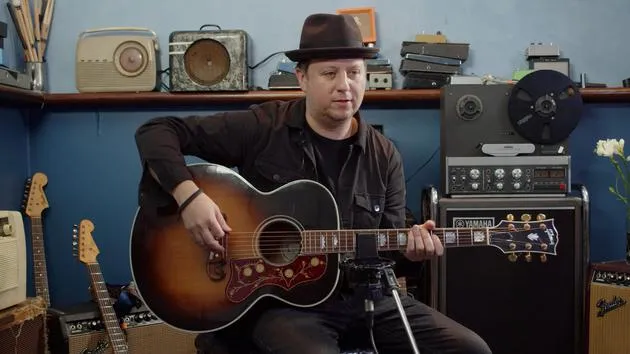
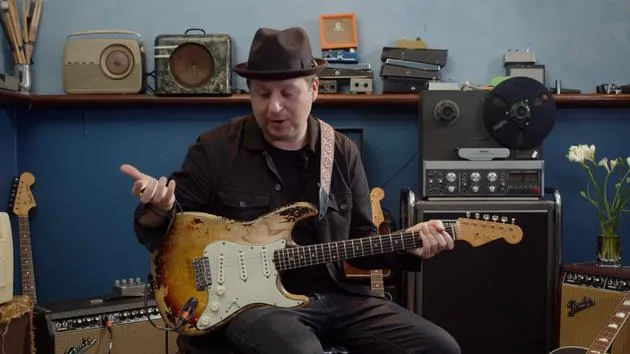
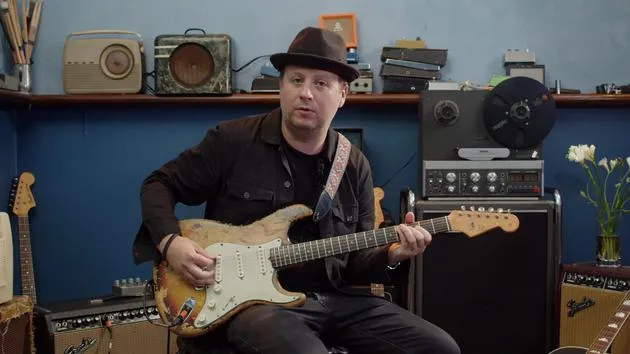
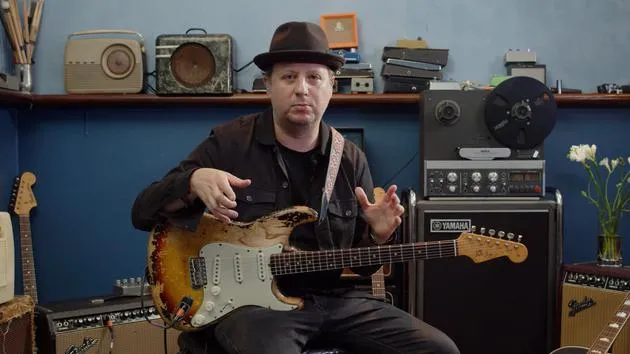
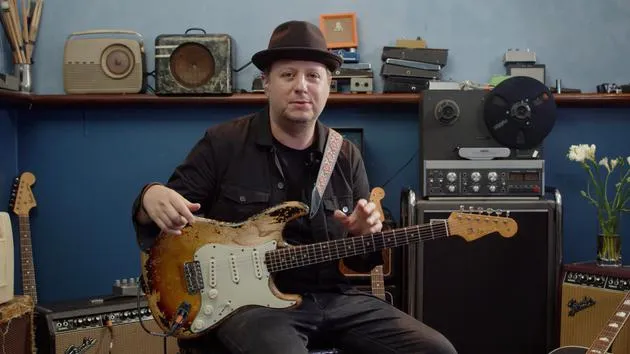
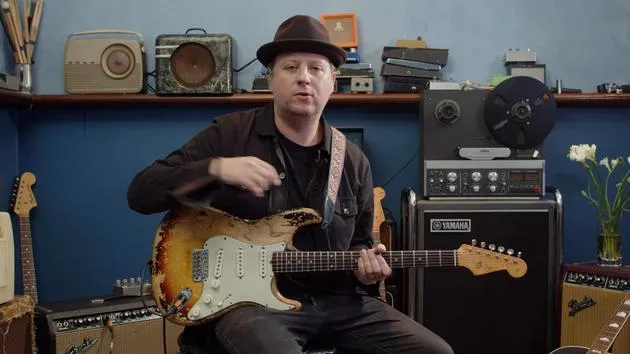
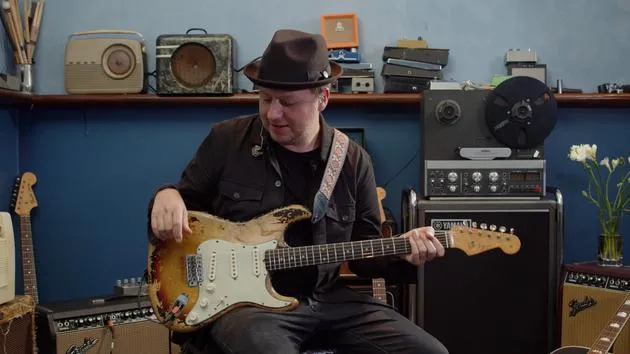
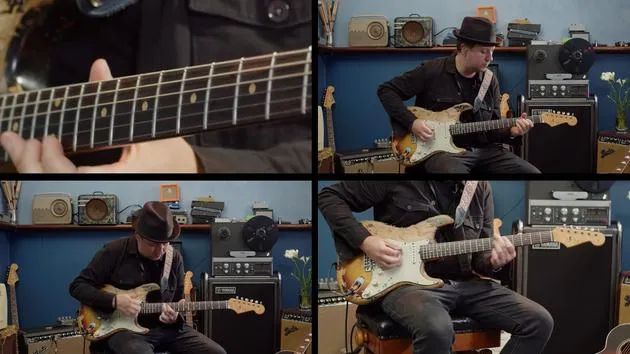
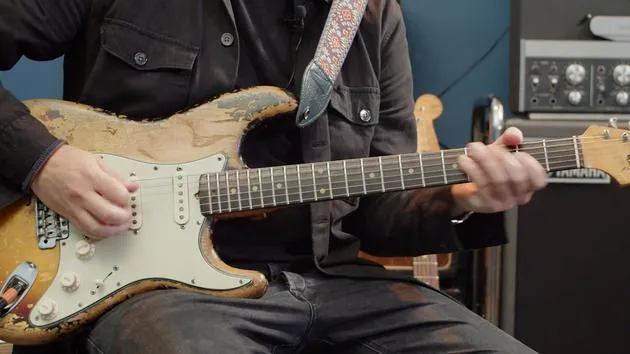
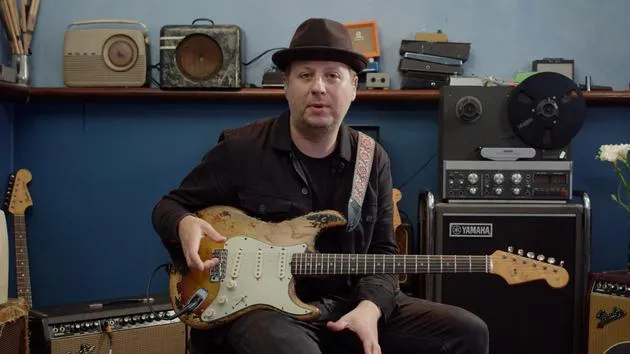
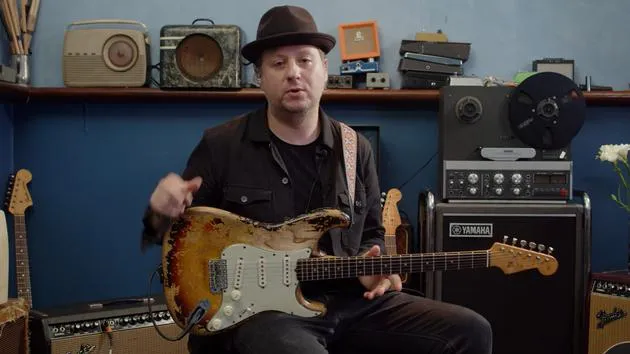
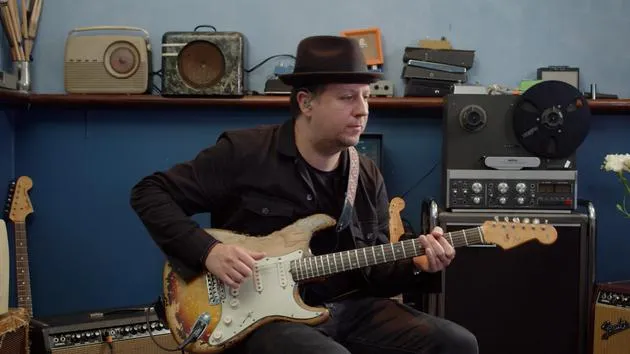
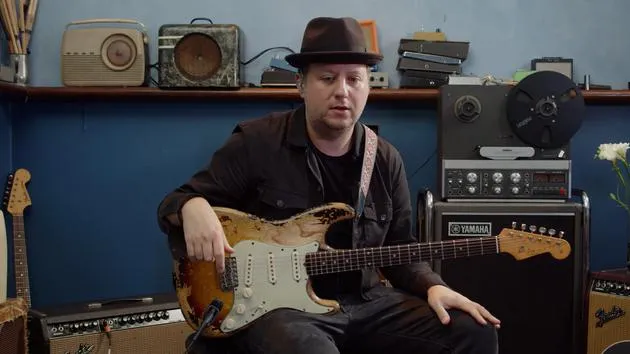
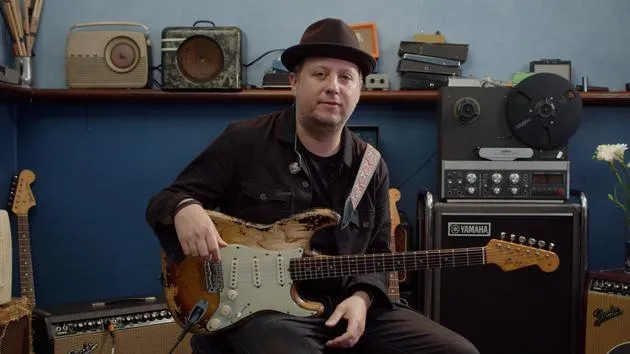
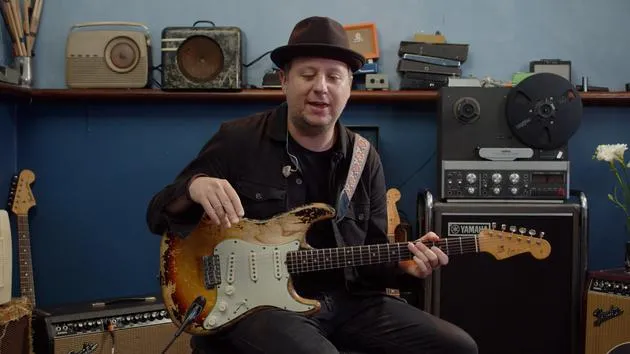
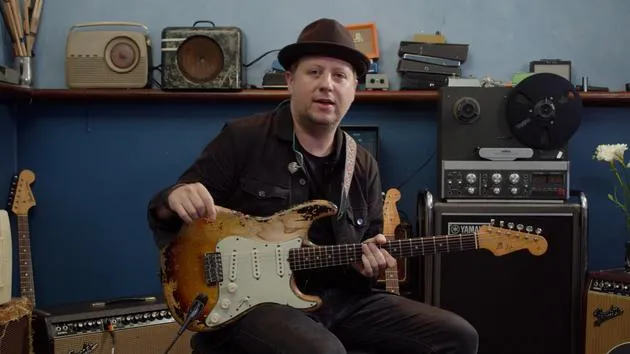
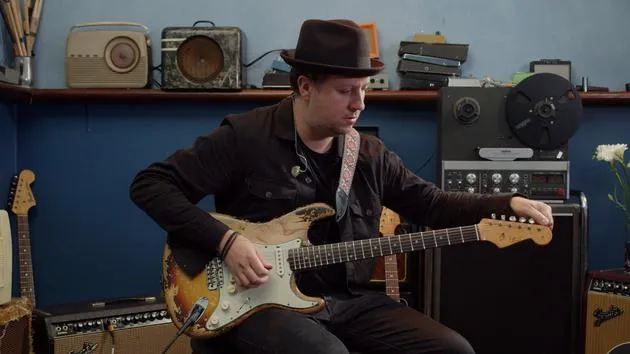
Transcription de la leçon
Understanding Phrasing and Rhythm in Blues Music
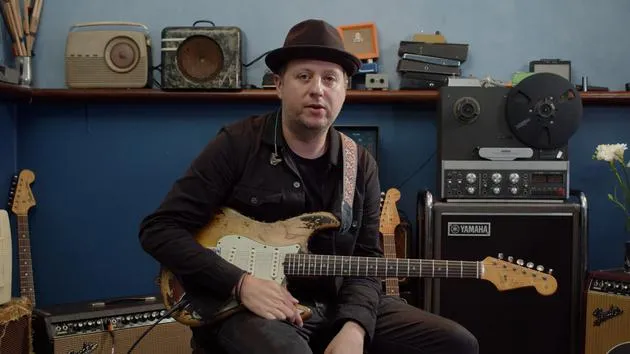
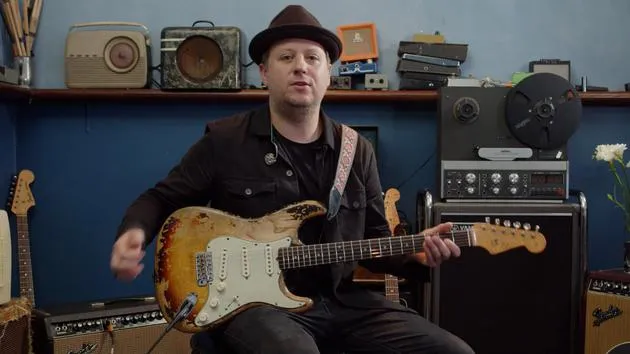
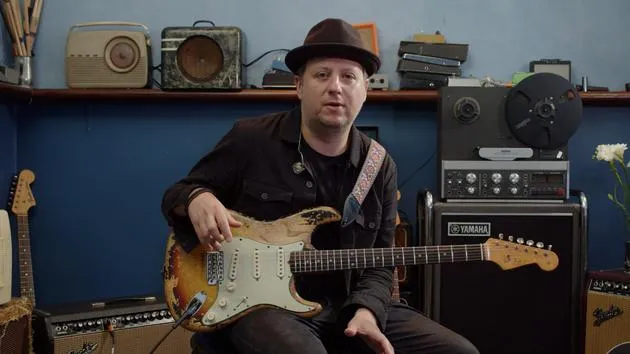
So, that's just a very simple kind of concept. I mean, I say "simple," and I don't mean that in a dismissive way. It doesn't necessarily mean it's easy; it's quite hard sometimes to just stay in that place and explore different rhythms and phrasing.
The Art of One Note
Even just playing one note can be profound.
- Take Your Time: Really think about how you're going to transition into the next phrase.
- Response: Remember, the next phrase is a response to the previous one. For example, if the first phrase is played, ask yourself: "How am I going to answer that?"
You can also leave loads of space.
The Influence of B.B. King
One thing B.B. King always does that I love is play expressive high octave notes on the root.
- This creates a beautiful emotional quality.
- You can even repeat the same phrase.
I think that's a great starting point: have the mindset of "less is more", especially with blues music. It's all about feeling and soul, not showing off.
Building Your Solo
You can always build upon your ideas as well.
- If you start a solo in one position, for instance, you can play a similar concept but lower down.
- A very easy way to think about a solo is to build up to a climax.
Start from a lower position with that same mindset, and then gradually take it up a level.
Referencing Other Players
In my head, I'm always referencing other players.
- For example, I think about B.B. King as a foundation.
- Then, consider: "What would someone like Stevie Ray Vaughan do?"
Stevie often incorporates rhythmic elements into his playing.
-
Not just licks, but also rhythmical patterns. For instance, he might play something like:
"Da-da-da, da."
This approach allows you to build as you're playing, incorporating simple chords within the context of the solo.
You don't always have to be playing single notes.
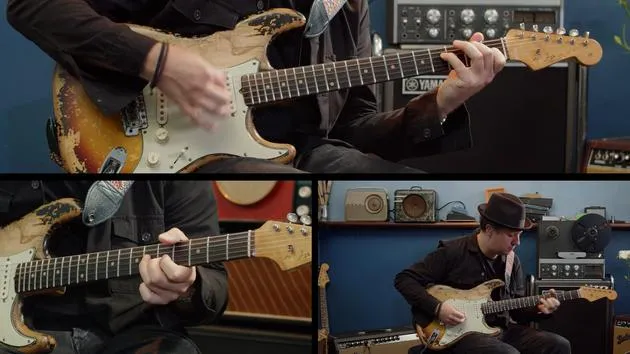
I'll just give a little example of that over the backing track.
34 leçons
1h 29m de leçons vidéo structurées
Fonctions vidéo avancées
Ralentissez, bouclez un passage, suivez la partition
Mobile, tablette et ordinateur
Pratiquez où vous voulez
Satisfaction garantie à 100 %
Garantie remboursement 30 jours
Rencontrez votre guru
Rencontrez votre guru
Scott McKeon a consacré toute une vie à son art de guitariste. Inspiré au départ par l'amour de son père pour le blues, la soul et le rock, il a pris la guitare à l'âge de quatre ans et s'est bâti une réputation de l'un des guitaristes les plus demandés du Royaume-Uni, aussi bien en studio qu'en concert.
En 2014, Scott a reçu un appel pour jouer dans le groupe de Sir Tom Jones, aux côtés de Robbie McIntosh et du batteur de Pink Floyd Gary Wallis. Le répertoire, orienté blues, rock 'n' roll et gospel, permet à Scott de puiser dans ses premières influences et de parcourir le globe. Les concerts à ce jour ont compté cinq tournées européennes, trois tournées aux États-Unis et en Amérique du Sud, ainsi que des tournées en Australie et en Extrême-Orient, sans oublier des apparitions à la télévision dont Later... with Jools Holland et TFI Friday, et une prestation au New Orleans Jazz Festival en 2019.
Le troisième album de Scott, 'New Morning', est un disque terreux, brut et mené par la guitare, qui met en valeur son registre et ses capacités de guitariste. L'album a été enregistré en live au studio RAK à Londres, capturant l'énergie et la spontanéité des sessions. Il a été produit par Paul Stacey (Black Crowes/Oasis), et fait appel à Jeremy Stacey (Sheryl Crow/Tal Wilkenfeld) à la batterie, Rocco Palladino (Tom Misch/D'Angelo) à la basse, et Gavin Conder (Rufus Black/The Kondoors) au chant sur plusieurs morceaux.
Scott possède aussi une pédale de fuzz signature et des micros signature, modelés sur sa Strat de 62.
Dans son cours, Scott partage le son, le phrasé et le feeling qui sous-tendent l'authentique guitare blues du Texas, te montrant comment mordre dans le style et faire chanter chaque note.







