



Guitare acoustique - Turnarounds classiques (Lightnin' Hopkins)
Lesson time: (3min 25sec)
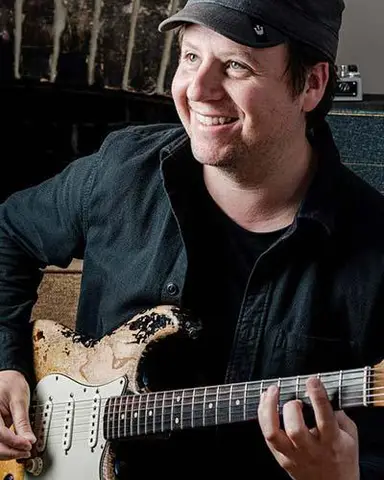
Scott McKeon montre un turnaround de blues alternatif dans le style de Lightnin' Hopkins, avec un accord de B7 et le F# à la basse pour un son plus consistant.
Course preview
This lesson is part of the course Joue de l'authentique guitare blues du Texas
Watch a preview of the full course below.
Lesson transcript:
Exploring Turnarounds in Blues Guitar
One of the other things you can do when it comes to the turnaround is to explore different styles. Instead of using the typical Jimmy Reed approach with the open A, consider trying a Lightning Hopkins method.
The B7 Chord with F Sharp
- Lightning Hopkins often played the B7 chord, incorporating the F sharp in that chord.
- This adds a unique texture, giving it a "meatier" sound rather than just playing the standard version.
So, when it comes to getting through the turnaround, you can play the B7 with the F sharp in the bass.
"I always think in terms of players and references."
Comparing Styles
- Jimmy Reed: Open A approach
- Lightning Hopkins: B7 with F sharp
I see the Lightning Hopkins version as a more substantial alternative to the Jimmy Reed style. You can pick and choose which one you want to use.
Staying True to Tradition
With this style of shuffle, like a Texas shuffle, be mindful:
- If you start incorporating anything too modern, it may not feel right.
- It's beneficial to be faithful to the old masters and the origins of the music.
Remember, sometimes a simpler approach is more effective:
"It's almost wrong, but it's so wrong that it's right."
The Influence of Old Masters
Even before plugging in, I recommend studying some of those old players. Listen to:
- How they play without a band
- Their approaches to turnarounds
This will deepen your understanding of the roots of the music and the influence they had on modern players.
The Use of Capos
Many old guitarists employed capos. Here's how it works:
- Whether they were playing in A or G, it often resembled playing in open E.
- Capos serve as a tool that allows for the big sound produced by open strings, particularly prominent on the acoustic guitar.
By embracing these techniques, you'll not only learn the music but also gain a more authentic sound.
About the instructor
Scott McKeon a consacré toute une vie à son art de guitariste. Inspiré au départ par l'amour de son père pour le blues, la soul et le rock, il a pris la guitare à l'âge de quatre ans et s'est bâti une réputation de l'un des guitaristes les plus demandés du Royaume-Uni, aussi bien en studio qu'en concert. En 2014, Scott a reçu un appel pour jouer dans le groupe de Sir Tom Jones, aux côtés de Robbie McIntosh et du batteur de Pink Floyd Gary Wallis. Le répertoire, orienté blues, rock 'n' roll et gospel, permet à Scott de puiser dans ses premières influences et de parcourir le globe. Les concerts à ce jour ont compté cinq tournées européennes, trois tournées aux États-Unis et en Amérique du Sud, ainsi que des tournées en Australie et en Extrême-Orient, sans oublier des apparitions à la télévision dont Later... with Jools Holland et TFI Friday, et une prestation au New Orleans Jazz Festival en 2019. Le troisième album de Scott, 'New Morning', est un disque terreux, brut et mené par la guitare, qui met en valeur son registre et ses capacités de guitariste. L'album a été enregistré en live au studio RAK à Londres, capturant l'énergie et la spontanéité des sessions. Il a été produit par Paul Stacey (Black Crowes/Oasis), et fait appel à Jeremy Stacey (Sheryl Crow/Tal Wilkenfeld) à la batterie, Rocco Palladino (Tom Misch/D'Angelo) à la basse, et Gavin Conder (Rufus Black/The Kondoors) au chant sur plusieurs morceaux. Scott possède aussi une pédale de fuzz signature et des micros signature, modelés sur sa Strat de 62. Dans son cours, Scott partage le son, le phrasé et le feeling qui sous-tendent l'authentique guitare blues du Texas, te montrant comment mordre dans le style et faire chanter chaque note. read more