



Bonus : voicings ouverts
Avec
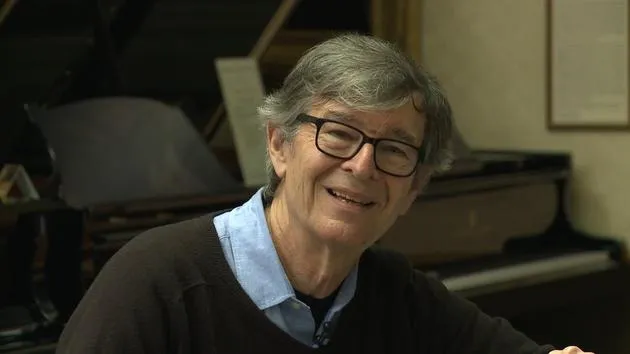
Darius BrubeckLe "open voicing" est la manière dont les notes des accords sont réparties sur un ambitus plus large qu'une octave. Darius explique comment utiliser le voicing pour que ta partie se démarque comme quelque chose de différent, comme une voix à part entière qui ajoute quelque chose à la mélodie, c'est-à-dire pas identique à la mélodie ni à l'harmonie sous-jacente.
Le contenu du cours
11 leçons (1h 48min) · 1 gratuites
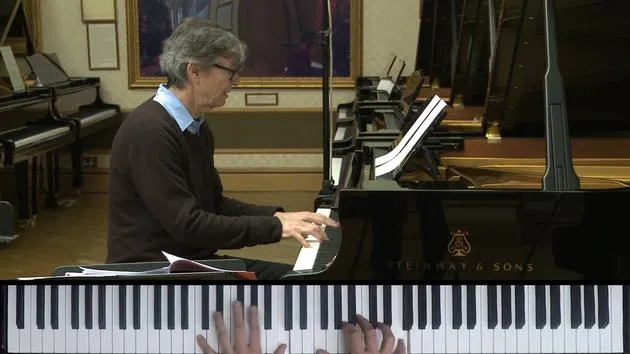
Transcription de la leçon
Open Voicings and Chord Extensions
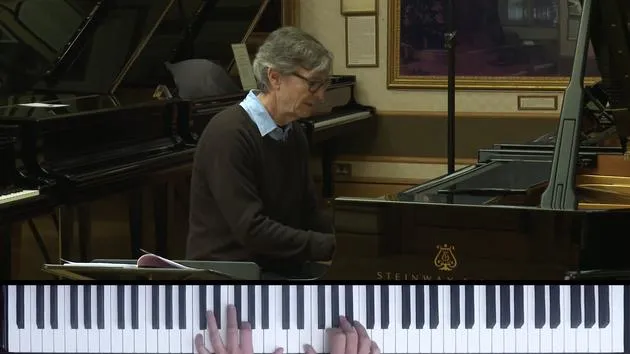
Open voicings involve a simple yet effective technique. Here's how it works:
- Take a close position chord.
- Move the first note above the root up to the top.
As a result, you create an interval larger than an octave, in fact, it's a tenth. This produces a nice, sonorous sound, with the tenth enclosing both the fifth and the seventh.
Chord Extensions
I've written it out for you in two keys. When chords have numbers in them, they indicate extensions. While these extensions are not always stylistically appropriate, they offer significant opportunities for enhancing the harmonic context of any melody.
Consider this: Melody notes may not always coincide with the notes in the chord. Thus, you are inherently hearing extensions.
Harmonizing Melody Notes
- Extensions can provide a means to harmonize melody notes that are present.
- They can also make harmonies more interesting and supportive.
Whether you're playing in a band situation, arranging for a horn section, or creating your own keyboard parts, understanding this concept is crucial. Your part should stand out as something distinct, adding a different voice that doesn't just duplicate the melody or the underlying harmony.
Musical Context
All styles of music effectively utilize this technique. For example, think of artists like Hendrix, James Brown, or Earth, Wind and Fire, each excels in this area. Any music with a strong blues foundation will inherently use a lot of chord extensions.
Thus, chord extensions are not merely an esoteric corner of the harmonic world reserved for jazz musicians; they are an everyday element of a musician's vocabulary.
11 leçons
1h 48m de leçons vidéo structurées
Fonctions vidéo avancées
Ralentissez, bouclez un passage, suivez la partition
Mobile, tablette et ordinateur
Pratiquez où vous voulez
Satisfaction garantie à 100 %
Garantie remboursement 30 jours
Rencontrez votre guru
Rencontrez votre guru
Darius Brubeck est un pianiste de jazz et pédagogue reconnu. Il a publié de nombreux albums en tant que leader, tourné à l'international avec ses propres formations et collaboré avec ses frères sur Brubecks Play Brubeck.
Darius a été professeur invité Fulbright en Roumanie et en Turquie. Il a créé le premier cursus diplômant en jazz proposé par une université africaine, à la University of KwaZulu-Natal en Afrique du Sud, où il a enseigné jusqu'en 2005.
Darius collabore souvent avec Mike Rossi, saxophoniste et professeur de musique à la University of Cape Town. Parmi les réalisations de Mike figurent de nombreux enregistrements et apparitions sur les scènes internationales en tant que leader, soliste et sideman aux côtés de Tony Bennett, Dave Liebman, Winston Mankunku Ngozi, George Russell, Clark Terry et Alessio Menconi, entre autres.
Avec Darius pour guide, tu iras droit à l'essentiel. Dans Harmony 101, il démystifie l'harmonie du jazz pour que tu puisses te l'approprier rapidement, et dans Mastering Odd Times, il explique comment jouer et improviser avec assurance dans des mesures inhabituelles.







