



À propos du cours et de Darius
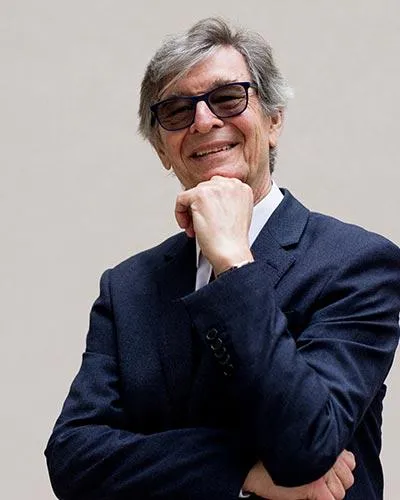
Avec
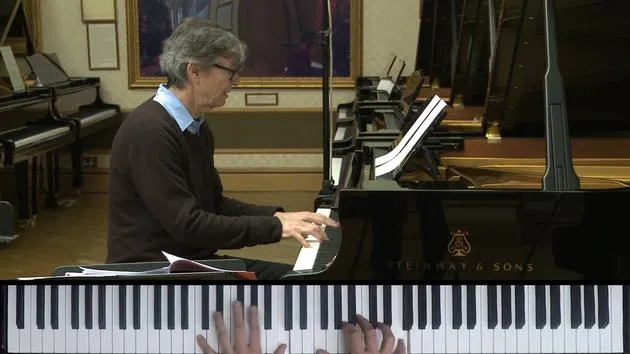
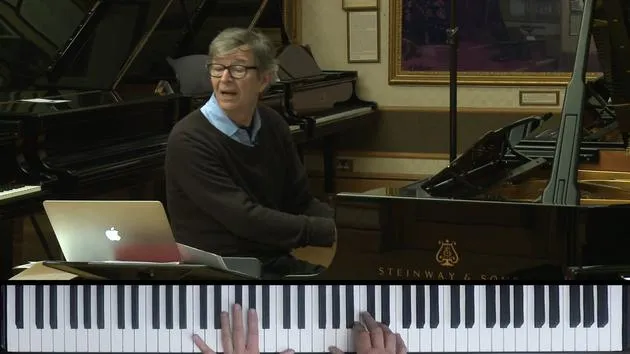
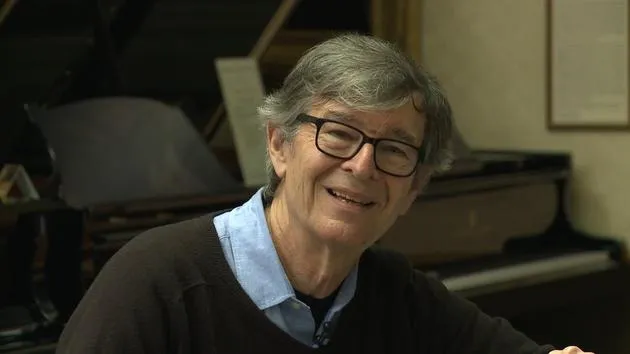
Darius BrubeckDarius Brubeck présente Harmony 101 et comment ce cours comble le fossé entre la théorie de base et l'étude sérieuse du jazz, en s'appuyant sur ses décennies d'enseignement du jazz en Afrique du Sud.
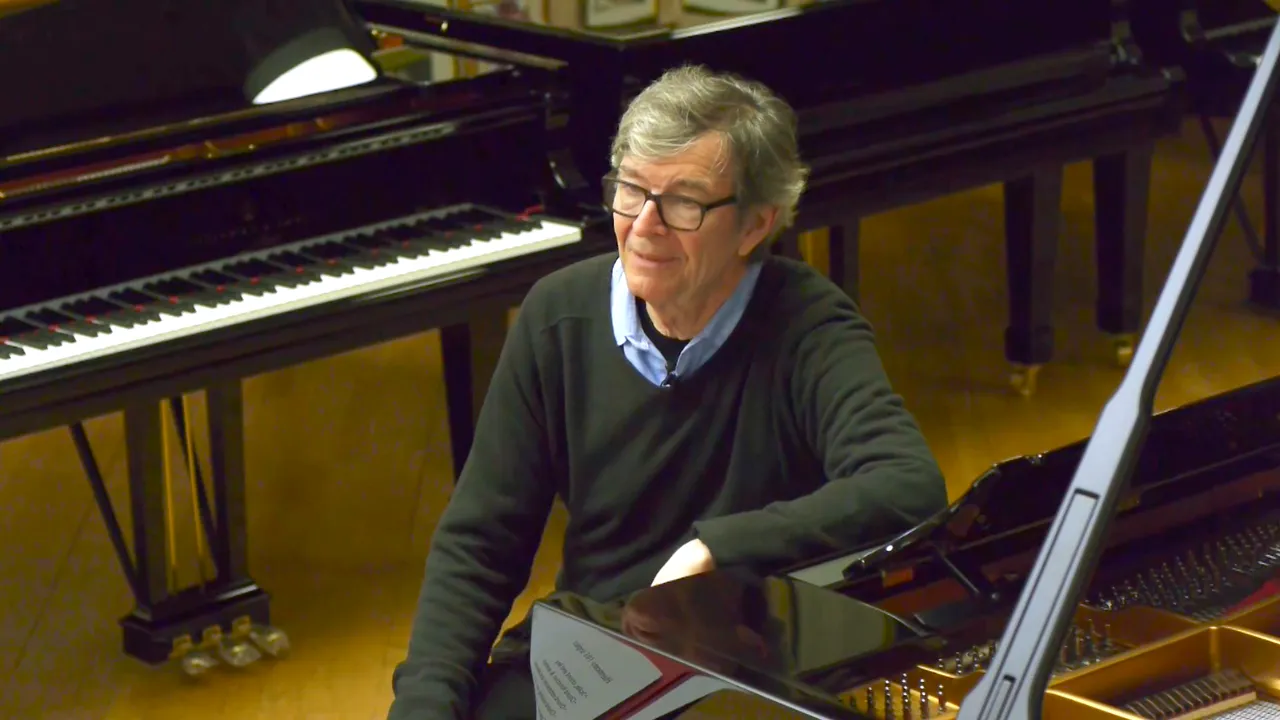
Le contenu du cours
11 leçons (1h 48min) · 1 gratuites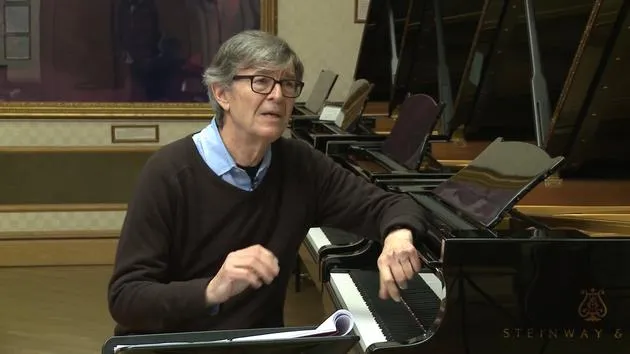
01. À propos du cours et de Darius
Tu es ici11:01
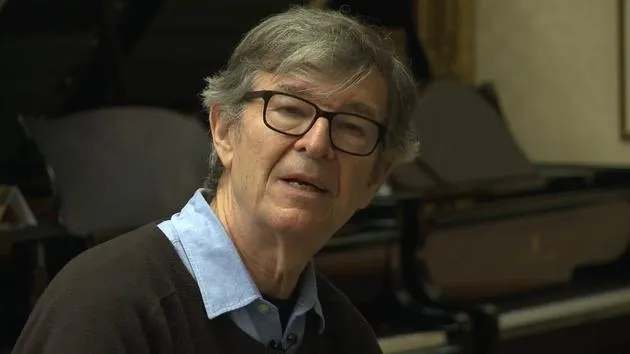
Transcription de la leçon
Welcome to Harmony 101
This is a course I proposed to music gurus because I think it fills a gap somewhere between the really excellent high-level jazz tuition available online and the very basic musical knowledge required to even begin approaching tutorials at that level.
My Background
I am a jazz musician and have taught at a university in South Africa, at the University of KwaZulu Natal in Durban, for over 20 years. I started the first jazz course in South Africa in 1983, which taught me a great deal about teaching.
Initially, I was hired as a theory teacher. The reason I was qualified to do so is that all jazz musicians have a good grasp of theory, even those who claim otherwise. As such, I felt confident transitioning into teaching music theory, as it is a necessary skill for understanding chord progressions and hearing harmony.
Bridging the Knowledge Gap
During my time at the university, I encountered true musicians, those with great musical capacity who had never encountered a formal system before. There needed to be a way to bridge these students into some systematic knowledge of how chord progressions work. The traditional method of teaching is often a long, torturous route that many of you, I suspect, may feel you don't have time for.
- You want to learn terminology.
- You seek a lot of practical application to put into practice.
I have designed this course to transition from foundational information on chord scales and keys to chord progressions in a relatively short time.
Understanding Harmony and Its Context
There's a somewhat unkind joke circulating in the jazz world:
What kind of people like to hang out with musicians?
The answer: drummers and singers.
This implies that drummers and singers don't understand harmony. For example, if you ask a singer what they want to sing, they may say "Summertime," but often won't know the key. Although this is a stereotype, it underlines the notion that harmony tends to be the focus of musicians who have been formally trained, particularly those who play guitar or piano.
I aim to break through this barrier in this series by using the keyboard for reference. A common-sense approach to harmony is based on chords, not counterpoint.
- Chords are fascinating in themselves.
- The primary purpose of harmony is to support and enhance melody.
Harmony is a system that represents a flow of chords, providing musical structure independently of a tune or melody and serving as the foundation for improvisation, especially in jazz.
Moving Beyond Traditional Theory
The academic study of music theory often overlooks simple truths, forcing students to learn rules that they eventually forget.
For instance:
- Learning species counterpoint isn't always applicable for practicing musicians today, much like an architecture student being told to take a Sudoku course for the sake of discipline.
We can significantly progress without being bogged down by obsolete rules. If we let go of the intellectual bias against using a keyboard, we can reach a high level of harmonic sophistication quickly.
Effective Communication
The best part of this course is learning how to communicate with other musicians in a language we all understand. We need to establish a common language that enables us to discuss:
- Modulation
- The types of chords we want (e.g., "What kind of A minor chord? An A minor seventh.")
We will use a technical vocabulary, but it doesn't have to be difficult to acquire. This course's true aim is to foster effective communication. In South Africa, I found that once we had a common language, we could achieve high-level outcomes rapidly, bypassing the need to wait until the third year of university to learn to modulate.
The Importance of Sound
Another simple truth is that a musician should know what sounds good. Music isn't about principles of avoidance. If something sounds good, great!
If you can't differentiate between what sounds good and what doesn't, this course may not be suitable for you. However, I suspect that you understand the difference and are looking for a vocabulary to communicate with fellow band members. You want to explore a variety of harmonic expressions.
Embracing Flexibility
I maintain only one negative rule:
Don't follow negative rules.
While there are many negative rules in academic counterpoint (e.g., parallel octaves must be avoided), context matters. For instance, parallel octaves may sound good in specific situations. If you can't tell when a combination of sounds doesn't work musically, you won't progress as a musician.
Just like a chef who can't discern bad flavors cannot thrive in the kitchen, a musician must develop the ability to assess sound.
Course Overview
Through study and experience, you will discover inventive ways to:
- Improve
- Expand
- Vary
- Refine
- Individualize your harmonic vocabulary
This concise course is densely packed with information and principles, not just examples. It will provide you with the foundational building blocks necessary to embark on your own journey of learning and experimentation.
11 leçons
1h 48m de leçons vidéo structurées
Fonctions vidéo avancées
Ralentissez, bouclez un passage, suivez la partition
Mobile, tablette et ordinateur
Pratiquez où vous voulez
Satisfaction garantie à 100 %
Garantie remboursement 30 jours
Rencontrez votre guru
Rencontrez votre guru
Darius Brubeck est un pianiste de jazz et pédagogue reconnu. Il a publié de nombreux albums en tant que leader, tourné à l'international avec ses propres formations et collaboré avec ses frères sur Brubecks Play Brubeck.
Darius a été professeur invité Fulbright en Roumanie et en Turquie. Il a créé le premier cursus diplômant en jazz proposé par une université africaine, à la University of KwaZulu-Natal en Afrique du Sud, où il a enseigné jusqu'en 2005.
Darius collabore souvent avec Mike Rossi, saxophoniste et professeur de musique à la University of Cape Town. Parmi les réalisations de Mike figurent de nombreux enregistrements et apparitions sur les scènes internationales en tant que leader, soliste et sideman aux côtés de Tony Bennett, Dave Liebman, Winston Mankunku Ngozi, George Russell, Clark Terry et Alessio Menconi, entre autres.
Avec Darius pour guide, tu iras droit à l'essentiel. Dans Harmony 101, il démystifie l'harmonie du jazz pour que tu puisses te l'approprier rapidement, et dans Mastering Odd Times, il explique comment jouer et improviser avec assurance dans des mesures inhabituelles.







