



Utiliser un valve blow bend dans une mélodie (My Romance)
Avec
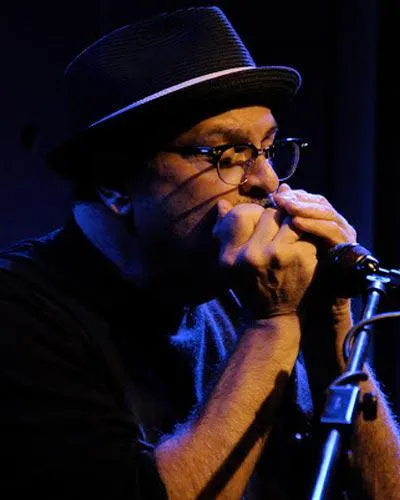
PT GazellDans cette leçon, tu apprendras “My Romance”, qui utilise le valve blow bend du 6e trou. Il s'agit de la septième majeure en 2e position, jouée de façon directe comme dans la tablature fournie.
Le contenu du cours
10 leçons (0h 50min) · 1 gratuites
01. Comment cibler et affiner notre technique de bending
5:35
02. Comprendre les bends avec valve
Leçon gratuite4:59
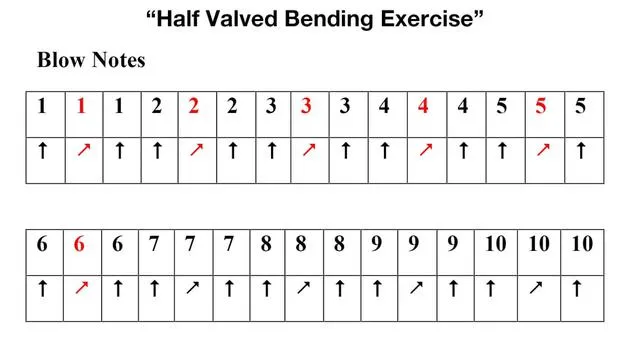
03. Un autre exercice de bend en demi-piston
5:09
04. 3 exercices de bending avec pistons
4:45
05. Utiliser des bends avec et sans pistons pour explorer tout l'instrument
3:54
06. Utiliser un valve blow bend dans une mélodie (My Romance)
Tu es ici6:05
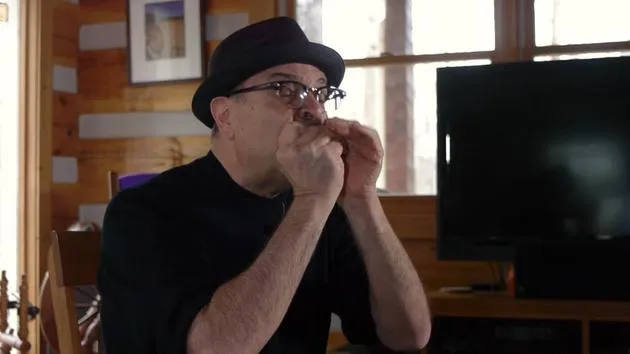
07. Exploiter l'émotion supplémentaire qu'offre la méthode Gazell
6:59
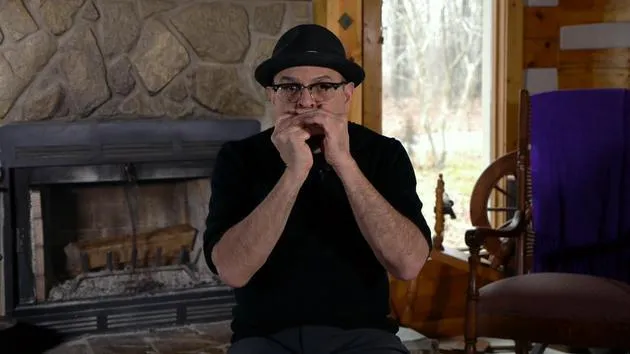
08. Le mineur en 5e position comme alternative au mineur en 3e position
5:07
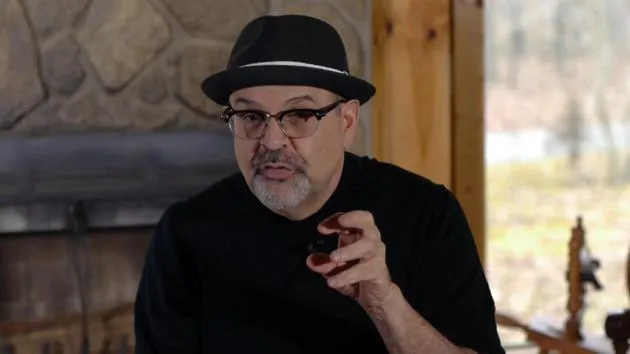
09. Apprends le thème du morceau « Sugar » en 5e position mineure
3:40
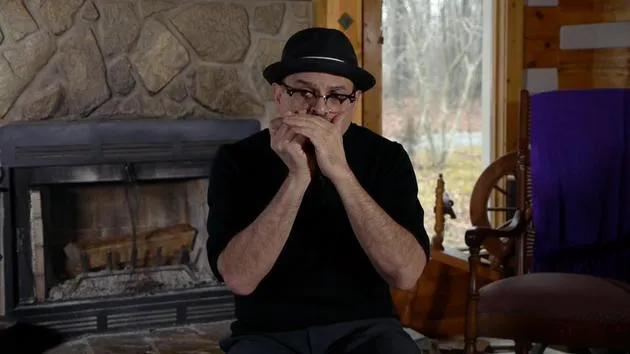
10. Apprendre un solo pour « Sugar » et comment jouer le morceau en entier
4:11
Transcription de la leçon
Lesson Four: Using a Valved Blow Bend in Melody
Welcome back everybody!
Introduction
This is lesson four. In this lesson, we're going to learn how to use a valved blow bend inside a melody. The name of the tune is called My Romance, and you've got a PDF with a tab of the song.
Key Point
- The six blow bend is marked in red so that you remember it's a blow bend.
Demonstration
I'm going to play this very straight. In other words, I'm not going to do any ornamentation, vibrato, or emotional shading. I'm just going to play the melody so that you guys can hear what it sounds like, follow along on your tab, and hear what the six blow bend sounds like used inside a melody.
Importance of the Six Blow Bend
This is important stuff because:
- Once you start to get familiar with the six blow bend and how it sounds, you're going to remember where it is on the harmonica.
- The six blow bend is our major seventh in second position.
- That particular note is really important in so many melodies, especially in songs from this genre.
Note:
- That note is not on a Richter tuned harmonica in that second octave.
- It fits in so many melodies.
So, I thought it would be a great idea to go ahead and do this as an example. Again, I'm going to play this very straight, and then we'll move on from there.
Playing the Melody
Here is My Romance; this is our intro. And here we go.
(Plays melody)
Okay, great! So that was My Romance. As you can see, I played it with no ornamentation.
Syncopation and Execution
- I tried to play everything right on the beat.
- I aimed for a very syncopated feel, just like you're looking at on the tab.
The important thing here was the six blow bend so that you could hear what that sounds like.
"It's this note, guys, that note."
I strive to make my valved bends sound just like my regular notes or conventional bending. That's the whole secret behind a nice, rounded, even sound.
Technique Reminder
When playing on the diatonic harmonica, remember:
- Our valved bending happens more towards the front of the mouth.
- It uses a very compressed, narrow stream of air to hold a single reed on a bend.
Tongue Positioning
- Da oo is a good way to think about it.
- When we make our mouth do that, that's kind of what we're looking for on the stream, whether it's exhaling or inhaling.
Example:
- Ah oo: Notice how narrow my mouth gets and how my lips move forward.
What I mean by this is: make the bend happen further forward in your mouth rather than further back.
Adjusting Sound
We still need to move our tongue, arch our tongue, and lower our jaw a little bit in order to change the curve of air so that the note changes, but the actual bending itself happens more towards the front of the mouth.
Next Lesson
In the next lesson, I'm going to come back and play the same tune again, but this time I'm going to add ornamentation and some emotion, and you'll see the difference.
10 leçons
0h 50m de leçons vidéo structurées
Fonctions vidéo avancées
Ralentissez, bouclez un passage, suivez la partition
Mobile, tablette et ordinateur
Pratiquez où vous voulez
Satisfaction garantie à 100 %
Garantie remboursement 30 jours
Rencontrez votre guru
Rencontrez votre guru
PT Gazell a gagné sa place de maître de l'harmonica diatonique. Après des années comme accompagnateur et musicien de studio très demandé pour certaines des plus grandes pointures de Nashville, PT a découvert le half-valving et sa musique s'est littéralement envolée vers de nouveaux sommets.
Aucun autre instrumentiste ne combine comme lui son phrasé, son style mélodique, ses choix de morceaux et ses capacités d'improvisation : au bout du compte, c'est un style qui n'appartient qu'à lui. À l'aide de son propre instrument signature, l'harmonica diatonique Gazell Method fabriqué par Seydel, PT prouve que l'harmonica est capable de bien plus que ce que la plupart d'entre nous imaginent.
Régale-toi !
Dans ses cours, PT enseigne le half-valving directement à la source, afin que tu puisses débuter avec le Gazell Method, maîtriser les bends valvés et les intégrer à tes propres morceaux.







