



Exploiter l'émotion supplémentaire qu'offre la méthode Gazell
Avec
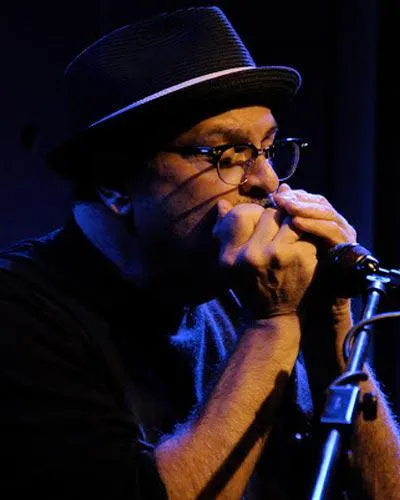
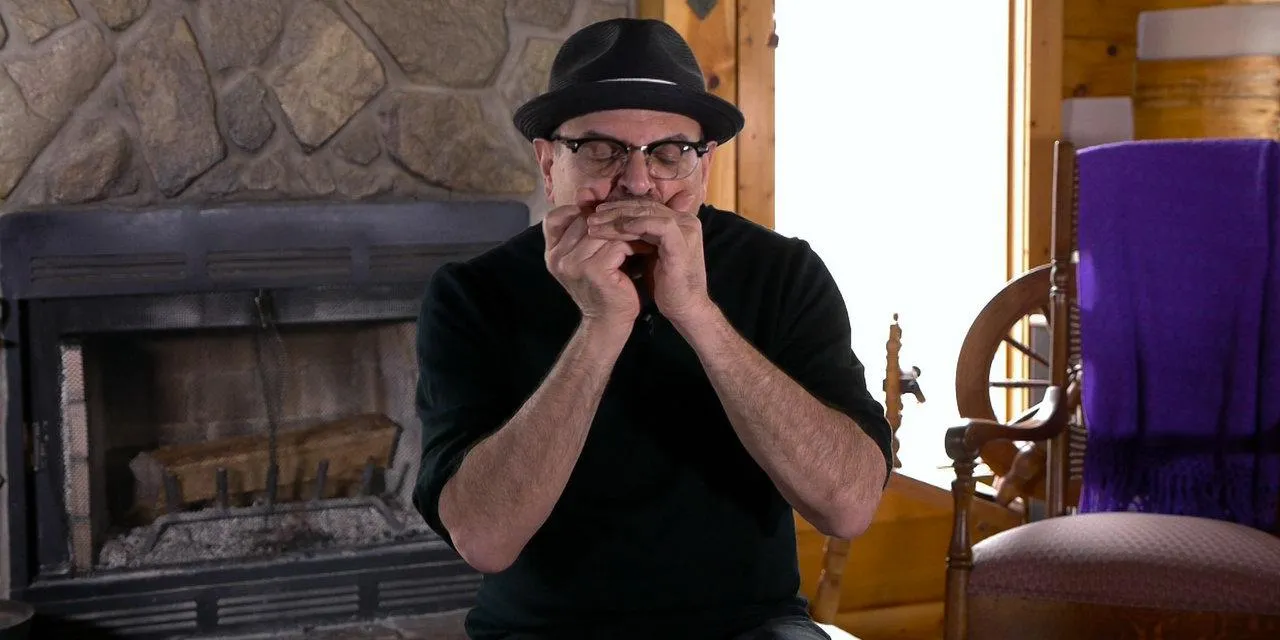
PT GazellPT Gazell joue le standard 'My Romance', en utilisant les bends en aspiration et en soufflant de sa méthode Gazell en demi-valve pour ajouter des nuances émotionnelles.
Le contenu du cours
10 leçons (0h 50min) · 1 gratuites
01. Comment cibler et affiner notre technique de bending
5:35
02. Comprendre les bends avec valve
Leçon gratuite4:59
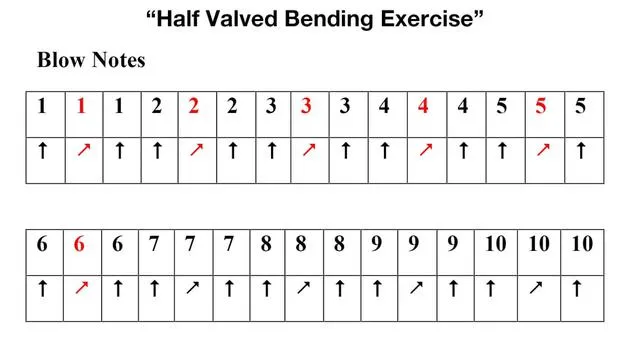
03. Un autre exercice de bend en demi-piston
5:09
04. 3 exercices de bending avec pistons
4:45
05. Utiliser des bends avec et sans pistons pour explorer tout l'instrument
3:54
06. Utiliser un valve blow bend dans une mélodie (My Romance)
6:05
07. Exploiter l'émotion supplémentaire qu'offre la méthode Gazell
Tu es ici6:59
08. Le mineur en 5e position comme alternative au mineur en 3e position
5:07
09. Apprends le thème du morceau « Sugar » en 5e position mineure
3:40
10. Apprendre un solo pour « Sugar » et comment jouer le morceau en entier
4:11
Transcription de la leçon
Lesson Five: My Romance
Welcome back! In this lesson, we're going to revisit the same tune as we did in Lesson Four: My Romance.
Focus of the Lesson
The primary goal of this lesson is to demonstrate the emotional content I can achieve through:
- Draw bends
- Blow bends at the top of the harmonica
To me, this emotional expression is what makes half valving truly effective. It's part of the Gazelle Method, and it creates a distinctive style characterized by the emotional shading derived from half valving.
Listening Exercise
First, listen to My Romance as I would normally play it.
- Check this out: this is our piano intro.
- Follow along on your PDF and compare it with my previous version.
Emotional Content
You'll notice all the extra emotional nuances, especially on the five blow note. Although I'm not executing a full half-step bend on the six or seven draw bends, the emotional content is still there.
Vibrato Technique
This brings me to a good point about vibrato. For the style of music I am most comfortable with, American standards, American Songbook standards, jazz standards, and swing music, I use a jaw vibrato.
- This technique fits the genre much better.
- It's achieved by moving my lower jaw back and forth.
Think of it as mimicking what a saxophonist might do when playing a reed to create vibrato in a ballad.
Practice
This technique may take some practice. Here's how to start:
- Without the harmonica, watch my jaw movement.
- The key to effective vibrato is consistency; it should sound even and steady.
I've found that matching the tempo of the song enhances the vibrato effect.
"Keep your vibrato in time with the song."
Rounding Out Our Sound
As we refine our overall sound, remember that we should focus on:
- Good valved bends
- Conventional bending
- Clean single notes
- Regular notes that are in tune (what I refer to as a neutral position)
Key Notes to Avoid
The most crucial aspect is the five draw note. If we hit that note too hard, it will flat and sound sour. However, when played in a neutral position, it can fit melodically without sounding out of tune.
Tuning Insights
In this day and age, we have access to different tunings:
- Equal temperament
- Compromise tuning
- Just tuning (the traditional option that often resulted in flaws)
Years ago, this was particularly challenging due to the flat notes of certain chords.
Conclusion
I hope you see that the ornamentation and emotional shading in all the notes contribute significantly to this style. The use of half valving really ties everything together.
Thanks for paying attention, and we'll be back with the next lesson shortly!
10 leçons
0h 50m de leçons vidéo structurées
Fonctions vidéo avancées
Ralentissez, bouclez un passage, suivez la partition
Mobile, tablette et ordinateur
Pratiquez où vous voulez
Satisfaction garantie à 100 %
Garantie remboursement 30 jours
Rencontrez votre guru
Rencontrez votre guru
PT Gazell a gagné sa place de maître de l'harmonica diatonique. Après des années comme accompagnateur et musicien de studio très demandé pour certaines des plus grandes pointures de Nashville, PT a découvert le half-valving et sa musique s'est littéralement envolée vers de nouveaux sommets.
Aucun autre instrumentiste ne combine comme lui son phrasé, son style mélodique, ses choix de morceaux et ses capacités d'improvisation : au bout du compte, c'est un style qui n'appartient qu'à lui. À l'aide de son propre instrument signature, l'harmonica diatonique Gazell Method fabriqué par Seydel, PT prouve que l'harmonica est capable de bien plus que ce que la plupart d'entre nous imaginent.
Régale-toi !
Dans ses cours, PT enseigne le half-valving directement à la source, afin que tu puisses débuter avec le Gazell Method, maîtriser les bends valvés et les intégrer à tes propres morceaux.







