



Un autre exercice de bend en demi-piston
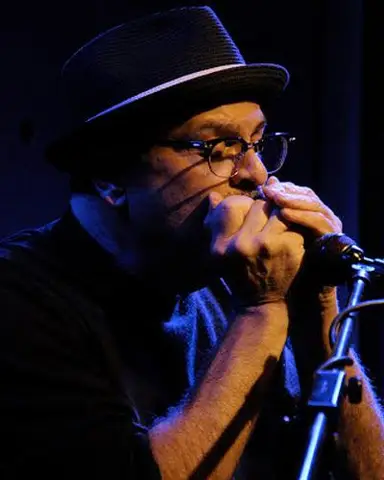
Lesson time: (5min 9sec)
PT Gazell te propose un autre exercice de bend avec valve, en travaillant les bends en aspiration du trou 1 jusqu'au trou 10 pour que les bends conventionnels et ceux avec valve finissent par donner la même sensation.
Course preview
This lesson is part of the course Comment réussir les valved bends et les intégrer à tes morceaux
Watch a preview of the full course below.
Lesson transcript:
Valved Bending Exercise
Okay, guys,
Now that we've talked about how the holes 8 and 9 are mirrored down to holes 5 and 6, and how we can use those same notes on hole 2, I want to give you a valved bending exercise.
This exercise is not very complicated, but it requires that you think about how you're bending notes all the way up and down the harmonica. Some of it will be valved bends, but some of it won't. It all ties into how the pattern changes after hole 6 on the harmonica.
Draw Bends: Holes 1 to 10
Let's start with our draw bends first, beginning on hole 1 and going all the way up through hole 6.
- Holes 1 to 6: Conventional draw bends.
- Holes 7 to 10: Valved draw bends.
The idea here is to get used to making your mouth work, doing valved bends and conventional bends in the same fashion. This way, you won't have to stop and think about it when you know you're coming to a valved bend.
Listen to how I perform my valved and non-valved bends.
- Starting on hole 1, draw:
- From hole 1 to hole 6 → Conventional draw bends.
- From hole 7 to hole 10 → Valved draw bends.
Let's do that again, starting on hole 1.
Valved Draw Bends
- Holes 1 to 6: Conventional draw bends.
- Holes 7 to 10: Valved draw bends.
Here come the valved draw bends.
What's important about what you're hearing is that I've practiced my valved bending to the extent that there's really no sonic difference between my dual reed bends happening on holes 1 through 6 and my single reed bends occurring on holes 7 through 10.
Listen one more time: Here's the single reed valved bends on the draw notes 7 through 10.
Blow Bends: Holes 1 to 10
Now flip that over and we'll do them on the blow bends.
Follow along on the PDF:
- Holes 1 to 6 on the blow notes: Valved bends.
- Holes 7 to 10: Conventional non-valve bends.
Those are valved bends.
Now, we're going to play non-valve bends on holes 7 through 10.
Let's repeat:
- Holes 1 to 6: Valved blow bends.
- Holes 7 to 10: Conventional non-valve blow bends.
Practice Tips
That's a great exercise to do! Try it for a couple of minutes a day.
- It may not seem like a long time, but a couple of minutes of doing this exercise will really pay off in the long run.
- You'll get used to doing this motion repeatedly: Da da da da da da da da da da da da.
This practice will help you understand what it's like to be in a position without thinking about it much. This way, you can quickly start to articulate runs.
In summary, that's me playing not only regular notes but also valved bends. It's a mixed bag of regular notes, conventional bending, and valve bending. All of this comes from the repetitive motion and the practice of doing valved and unvalved bends consecutively.
About the instructor
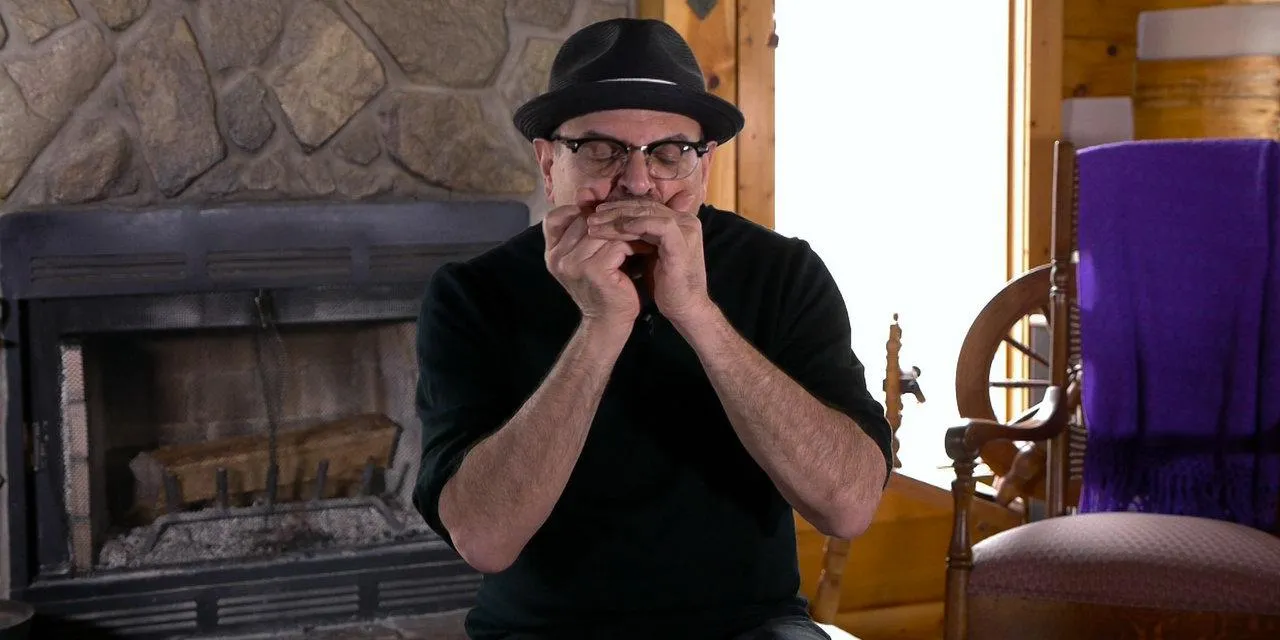
PT Gazell a gagné sa place de maître de l'harmonica diatonique. Après des années comme accompagnateur et musicien de studio très demandé pour certaines des plus grandes pointures de Nashville, PT a découvert le half-valving et sa musique s'est littéralement envolée vers de nouveaux sommets. Aucun autre instrumentiste ne combine comme lui son phrasé, son style mélodique, ses choix de morceaux et ses capacités d'improvisation : au bout du compte, c'est un style qui n'appartient qu'à lui. À l'aide de son propre instrument signature, l'harmonica diatonique Gazell Method fabriqué par Seydel, PT prouve que l'harmonica est capable de bien plus que ce que la plupart d'entre nous imaginent. Régale-toi ! Dans ses cours, PT enseigne le half-valving directement à la source, afin que tu puisses débuter avec le Gazell Method, maîtriser les bends valvés et les intégrer à tes propres morceaux. read more