



Techniques de main gauche - le slide
Avec
Avram Siegel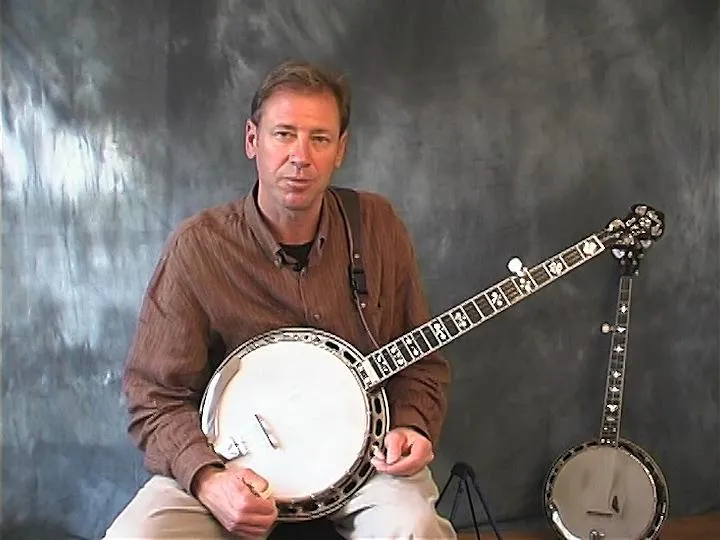
Le contenu du cours
33 leçons (1h 35min) · 1 gratuites
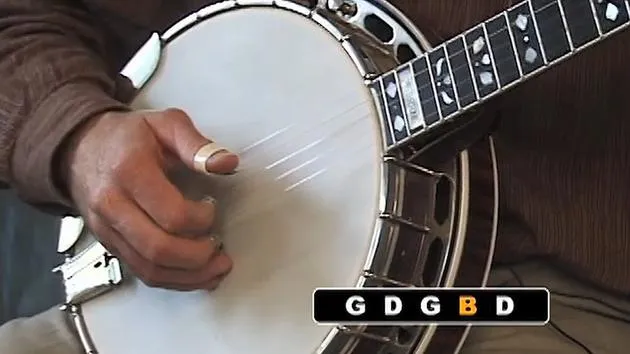
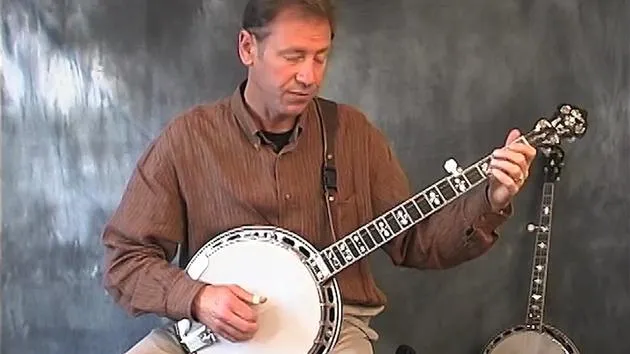
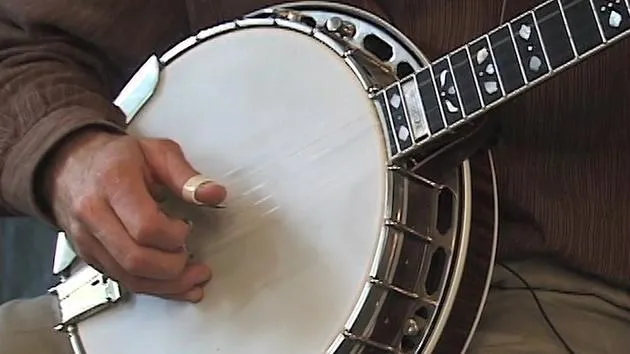
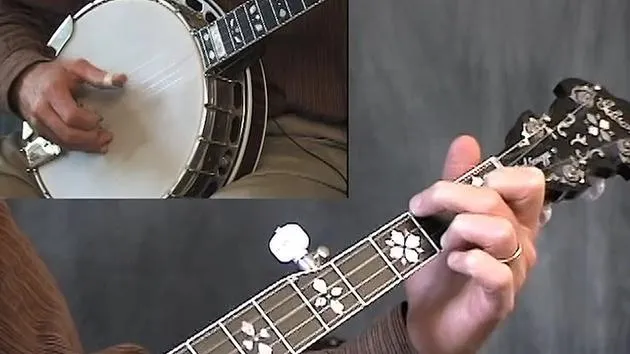
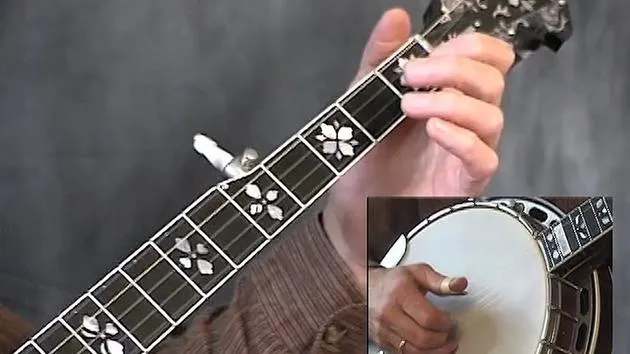
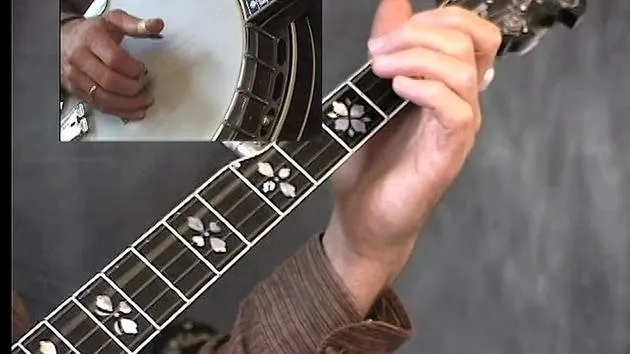
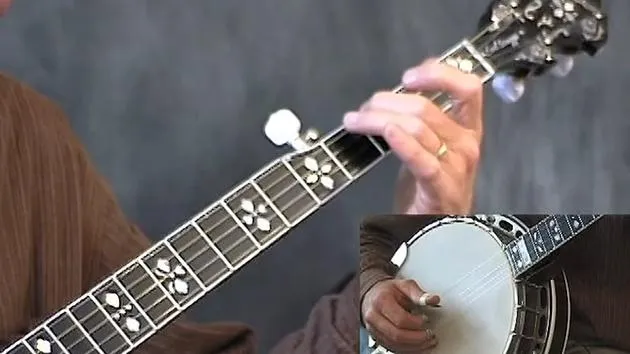
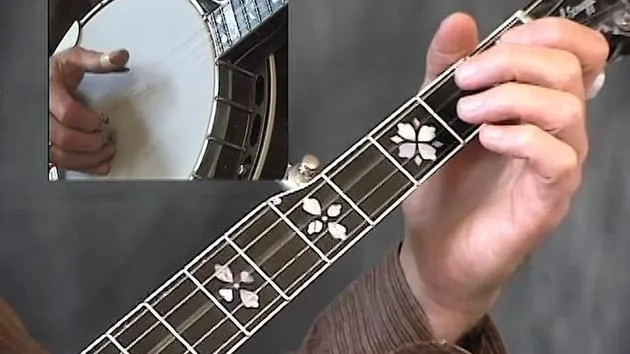
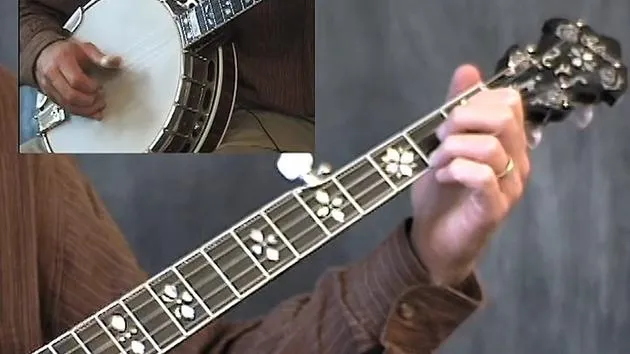
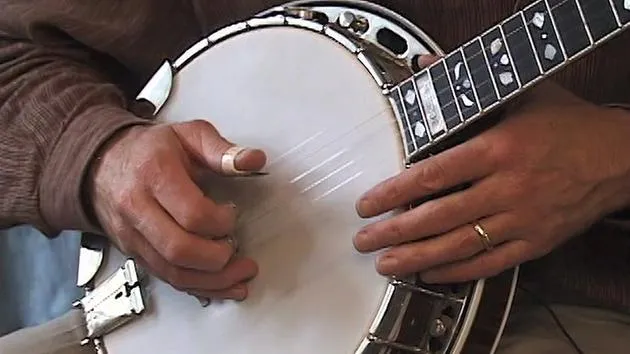
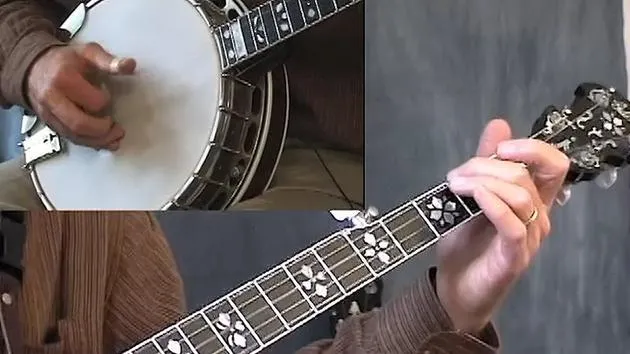
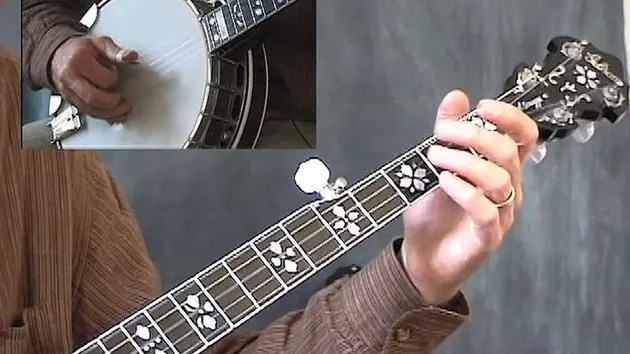
Transcription de la leçon
Learning a New Left Hand Technique: The Slide
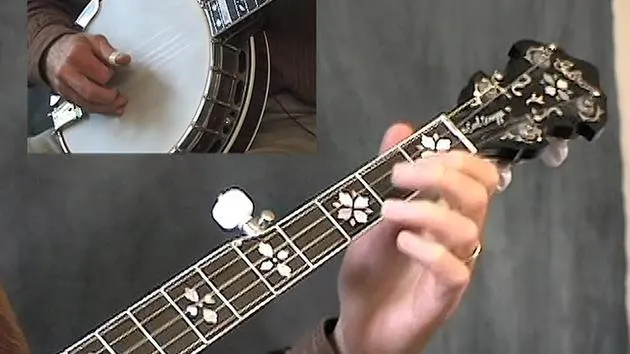
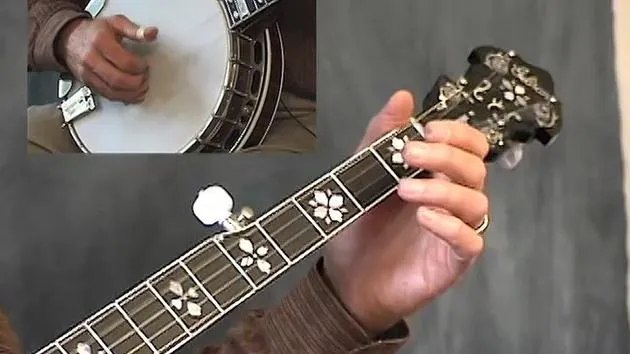
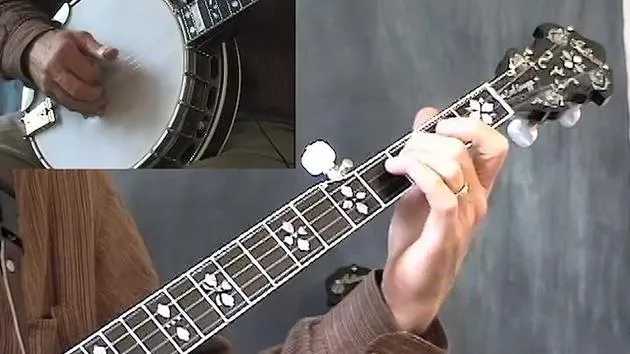
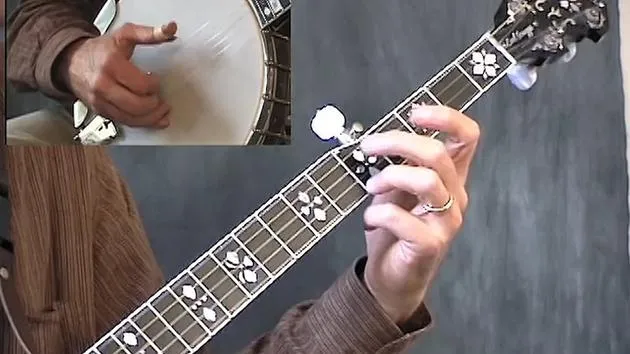
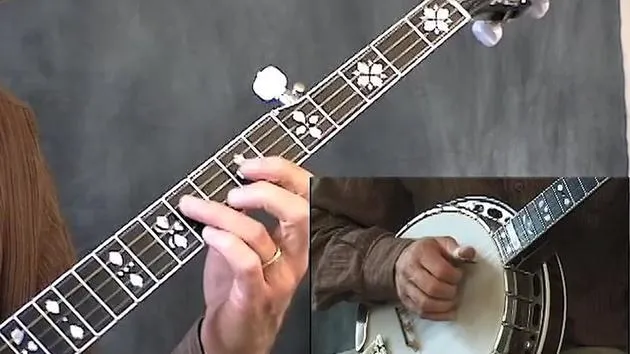
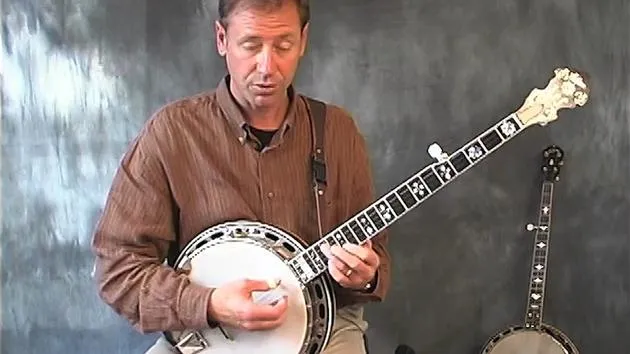
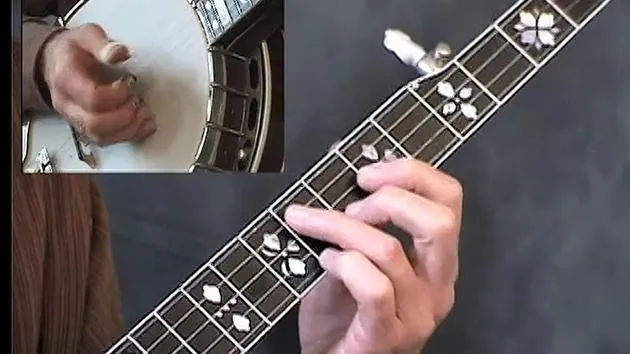
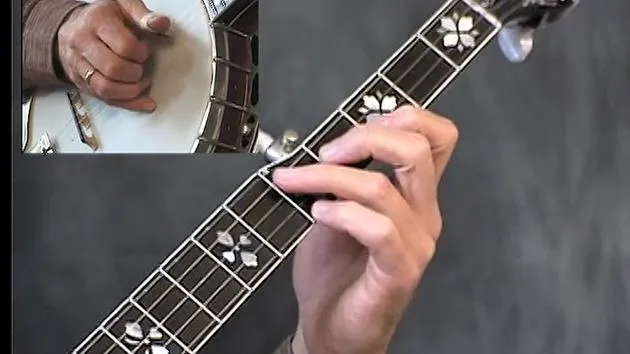
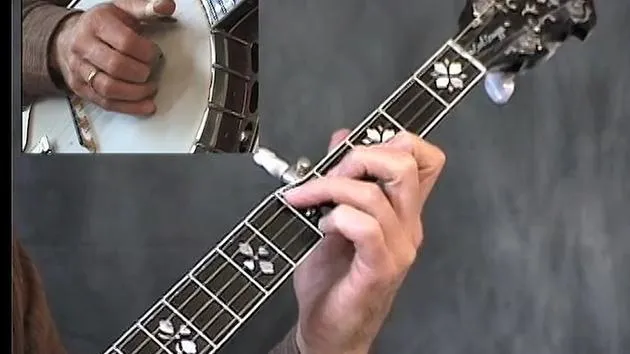
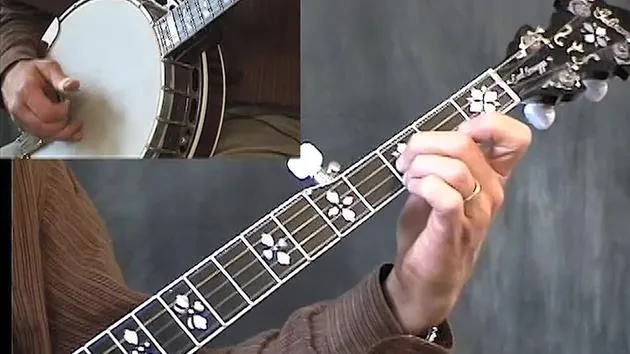
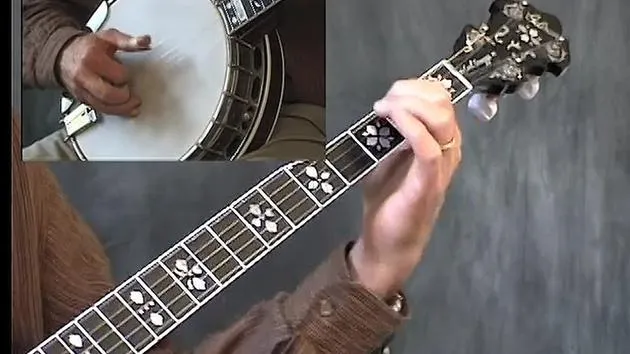
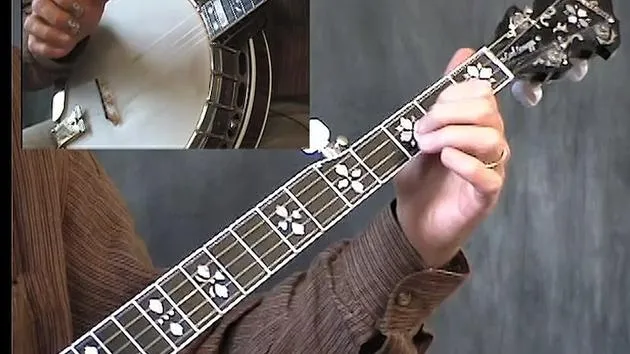
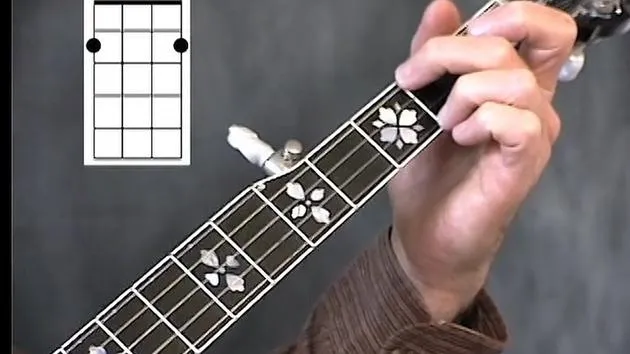
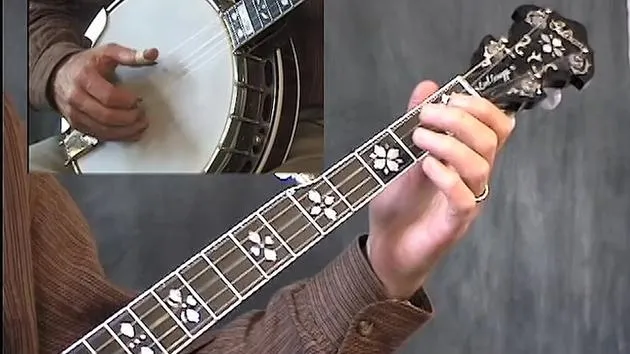
Now we're going to learn a new left hand technique: the slide.
What is a Slide?
A slide is:
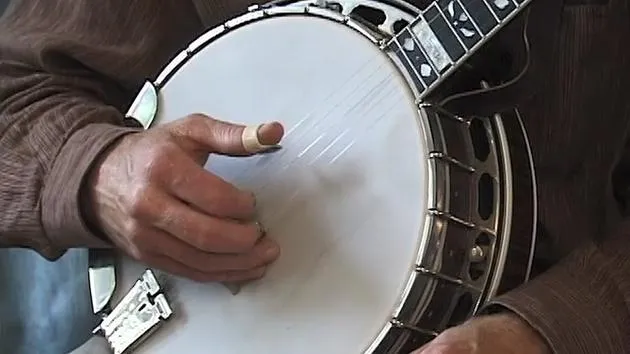
- Plucking a note
- Sliding your left hand to a different fret (usually up in pitch)
Key Points to Remember:
- The main thing about a slide is to ensure you're getting two distinct notes.
- Timing is crucial: Don't slide before you have a chance to hear the first note.
- Slides can vary in speed; sometimes they're quicker, and sometimes they're slower.
Practicing the Slide with Cripple Creek
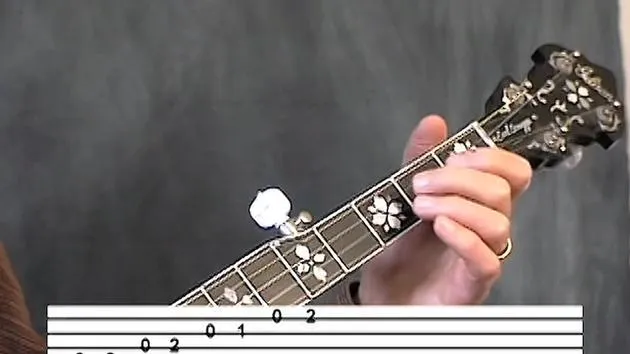
Now, let's try playing a song using a slide in the basic melody: Cripple Creek.
Exercise:
- Second Part: Let's play it like this.
- First Part: Cripple Creek is a fun tune to learn backwards. The first part goes like this.
Rhythm Patterns:
- For the second part, let's try playing a nice simple rhythm to Cripple Creek.
- We'll use a chick-a-boom rhythm with the slide.
Important Connections:
- The slide needs to connect right onto the beginning of the slide.
- The slide itself needs to connect onto the next chick-a-boom.
Putting It All Together
Here's the whole thing:
- I'll play the B part first.
- Then, I'll put in an A part.
- Finally, another B part.
Understanding the Importance of the Slide
Now, let's learn another crucial aspect of the slide. Many of you have probably played some banjo before but wanted to learn more about it. A lot of what we've covered may seem rudimentary, but these details can be valuable.
The Big Secret
This next part is particularly important. Here's the secret about how to make the banjo sound the way it does, this is probably why you want to play the banjo:
- Left hand articulation (like a slide) needs to go along with something you're doing with the right hand.
The Challenge
The problem is:
- Our brains often struggle to do two things at once (slide or pluck).
The Trick
- If you can get your hand to do both, then you'll really be playing the banjo.
- It's just like learning to pat your head and rub your stomach: at first, it's challenging, but with practice, you can make both actions happen simultaneously.
How to Combine the Movements
In this case, we need to:
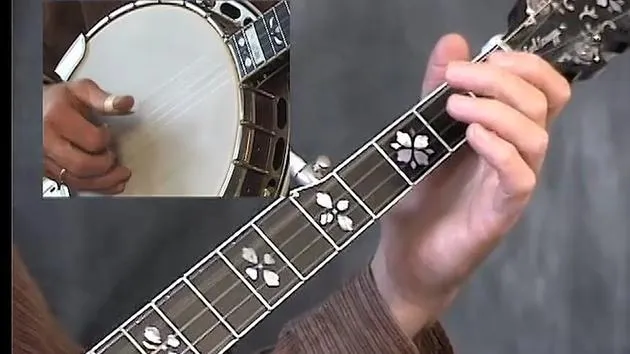
- Slide and pluck the next string at the same time.
It's crucial to:
- Make sure that you have two distinct notes when you do the slide.
- The second note should line up with your right hand striking the next string.
Putting It Into Practice
Now, we're going to try integrating that with our rhythm or our roll.
Key Reminders:
- When you slide, you will notice we're incorporating the slide into a gallop roll.
- Timing is essential: Wait before you slide.
- You don't want to slide and then wait with your right hand until the slide is complete.
Remember, it's vital to have the right hand action occur with the slide, not after. Keep practicing!
33 leçons
1h 35m de leçons vidéo structurées
Fonctions vidéo avancées
Ralentissez, bouclez un passage, suivez la partition
Mobile, tablette et ordinateur
Pratiquez où vous voulez
Satisfaction garantie à 100 %
Garantie remboursement 30 jours
Rencontrez votre guru
Rencontrez votre guru
Avram Siegel est un joueur de banjo et un pilier de la scène bluegrass californienne. Il a joué avec le Kathy Kallick Band et True Blue, entre autres, et enseigne depuis des décennies : sa méthode pas à pas a formé certains des jeunes musiciens les plus respectés de l'État. Dans ses cours, il décompose les rolls à trois doigts façon Scruggs, l'accompagnement et le jeu mélodique pour que tu puisses développer un timing et une sonorité nets à ton propre rythme.







