



No seguir la línea de menor resistencia
Lesson time: (2min 24sec)
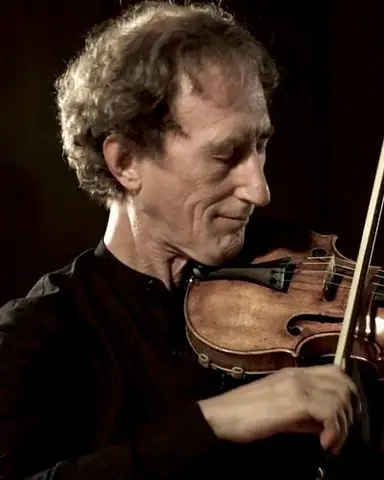
Simon Fischer explica por qué debes resistir la deriva natural del arco hacia el diapasón y mantenerlo más cerca del puente para un tono más pleno.
Course preview
This lesson is part of the course Los secretos de la producción de sonido, Parte 1: conoce tu instrumento
Watch a preview of the full course below.
Lesson transcript:
Common Faults in String Playing: Bowing Technique
One of the most common faults in string playing is that of bowing too far from the bridge all the time. There are four main reasons why this occurs:
1. Line of Least Resistance
- Following the line of least resistance, it's easy to allow the bow to slide over to the fingerboard and stay there.
2. Pressure on Strings
- The nearer the bow is to the bridge, the harder the string feels under the bow.
- Thus, the bow moves away to the fingerboard, where less weight and energy is needed.
3. Springiness of the Bow
- The nearer the bow is to the bridge, the deeper into the string you have to play.
- However, once pushed down towards the string, the wood of the bow wants to spring back up again.
- The bow isn't a dead weight; it naturally prefers a place nearer the fingerboard, where it can play along the surface of the string without engaging the springiness of the stick.
4. Instrument Position
- For violin and viola players, when holding the instrument level with the floor, the neck slopes down from the body, causing the strings to slope down from the bridge.
- If the violin or viola is held at a tilt, there's a severe downhill gradient from the bridge, making it natural for the bow to end up on the fingerboard.
Conclusion
To avoid these issues:
- Cellists need to spend a lot of time pushing in towards the bridge.
- Violinists and violists need to pull in towards the bridge.
By practicing these exercises, you will become more aware of your point of contact. This awareness will help you adapt to the dynamics of your playing, allowing you to navigate these resistances effectively, sometimes going with them and at other times pushing against them.
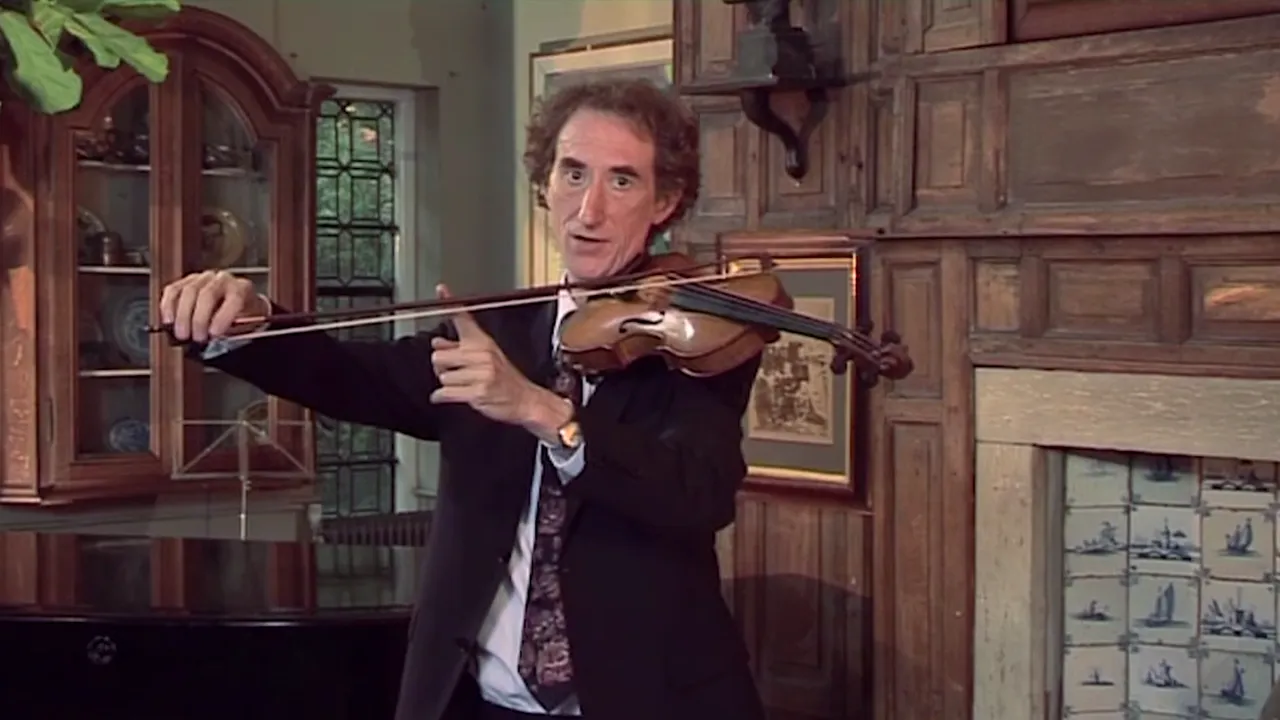
About the instructor
Simon Fischer disfruta de una distinguida y polifacética carrera como intérprete, pedagogo y artista de grabación. Ha actuado por todo el mundo como recitalista y ha grabado tres Sonatas de Brahms, una grabación que recibió grandes elogios en la revista Gramophone. Simon está reconocido como uno de los profesores de élite del mundo. Es profesor en la Guildhall School of Music y ha ocupado cargos en la Yehudi Menuhin School, la Wells Cathedral School y la Purcell School, y durante 15 años fue profesor visitante en la Royal Scottish Academy of Music. Tras estudiar en Londres con Yfrah Neaman y en Nueva York con Dorothy DeLay, el enfoque de Fischer une los mejores elementos de las tradiciones violinísticas francesa, rusa y estadounidense. La obra publicada de Fischer ejerce una gran influencia en la enseñanza del violín. Autor de artículos para la revista The Strad desde 1991, sus columnas mensuales han atraído seguidores en todo el mundo. Publicados por Edition Peters, sus libros de técnica Basics and Practice (traducido al coreano, italiano y alemán), Scales y The Violin Lesson, así como el DVD The Secrets of Tone Production (ahora disponible en streaming a través de MusicGurus), se han convertido en referencias en muchos continentes. Su libro y DVD Warming Up fue descrito por la revista The Strad como "23 páginas de oro técnico puro". En 2014, Simon Fischer recibió el premio de la European String Teachers Association "en reconocimiento a toda una vida de contribución a la enseñanza de instrumentos de cuerda". En su curso de cuatro partes Secrets of Tone Production, Simon te guía para que conozcas tu instrumento y luego trabajes sus ejercicios fundamentales de sonido paso a paso, de modo que puedas producir un sonido más rico, más controlado y más hermoso con el violín. read more