



Vibrato

Qué incluye el curso
42 lecciones (3h 27m) · 1 gratis
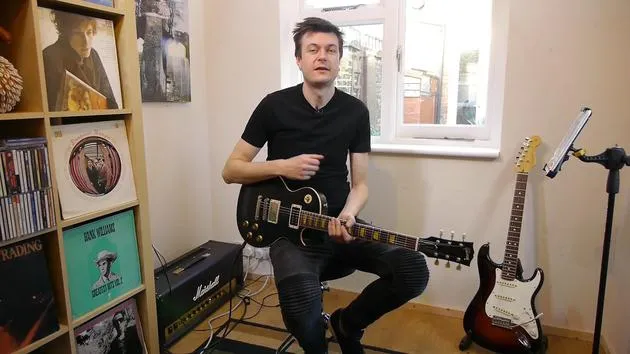
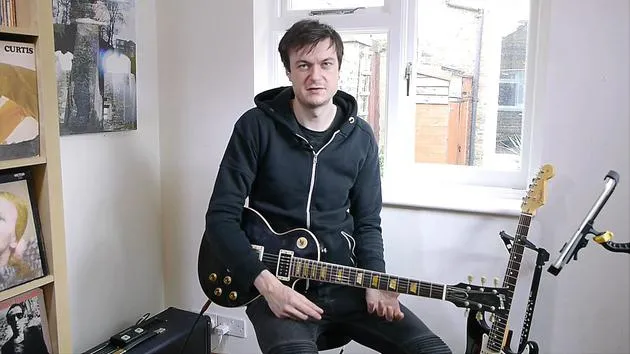
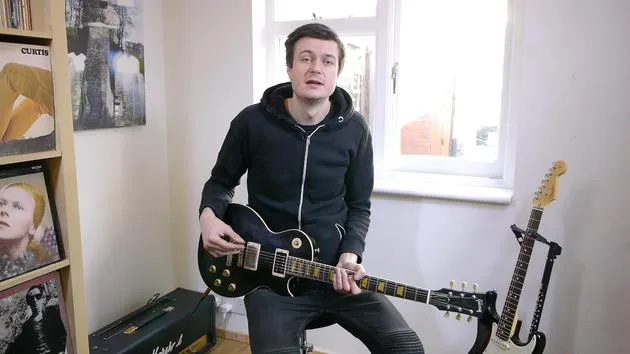
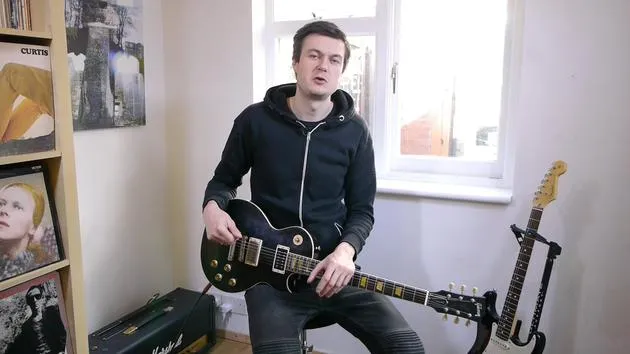
Transcripción de la lección
Exploring the Expressive Technique of Vibrato
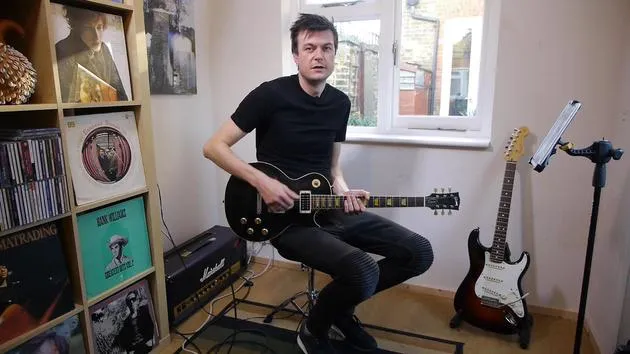
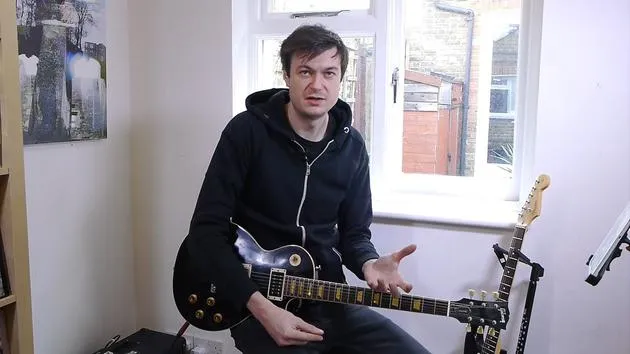
Okay, so I'd like to talk to you now about one of perhaps the most expressive techniques that guitar has to offer, and that's vibrato.
Where to Apply Vibrato
Firstly, I'd just like to discuss where you might apply vibrato within a melody:
- Sustained Notes: It's typically best to apply vibrato over a sustained note in a melody.
- Busy Melodies: If you've got a really busy melody with lots of notes passing by quickly, you don't need to apply vibrato to every single note.
Vibrato truly shines when you allow a note to ring out and breathe for a little bit, and you can finesse it with a touch of vibrato at the end.
Example
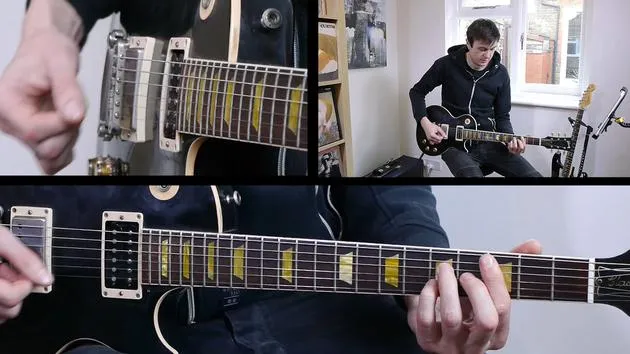
For example, a really simple phrase might be something like this:
(Demonstration)
- I'm not applying vibrato to every one of those notes, as that would sound terrible, and I don't think I can even do it quick enough!
- It just sounds out of tune.
Choosing the Right Moment
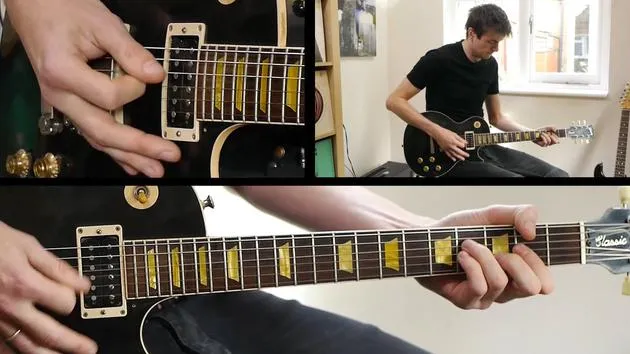
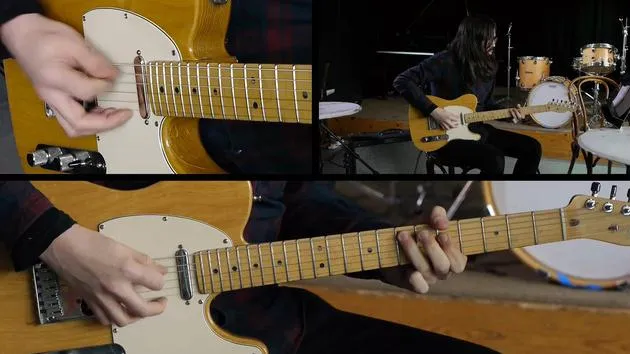
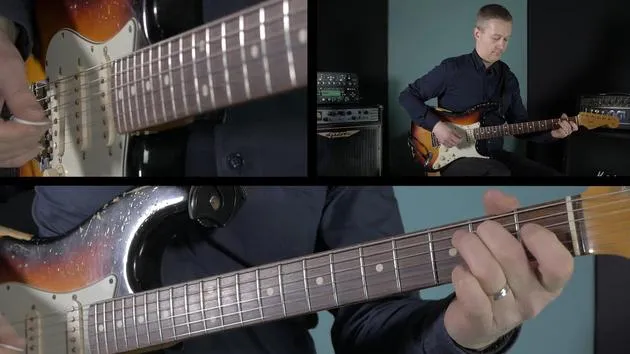
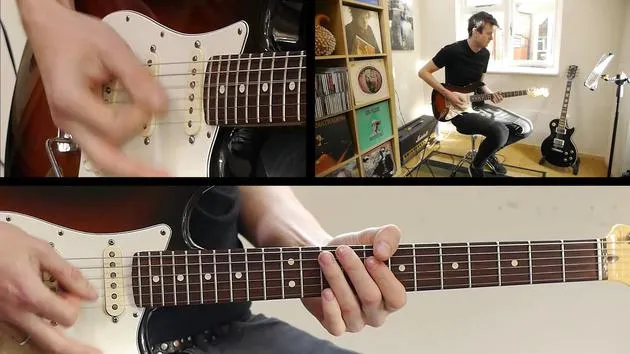
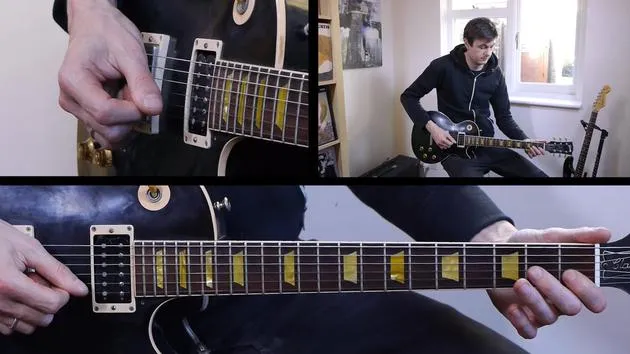
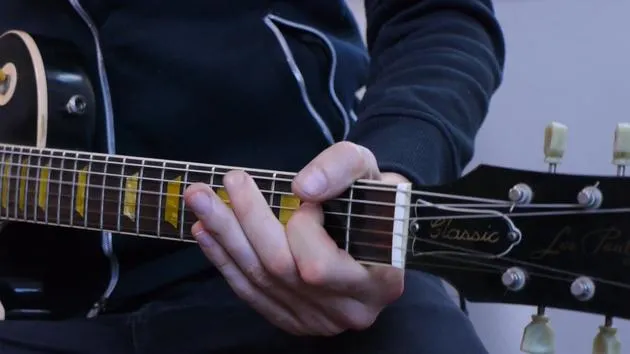
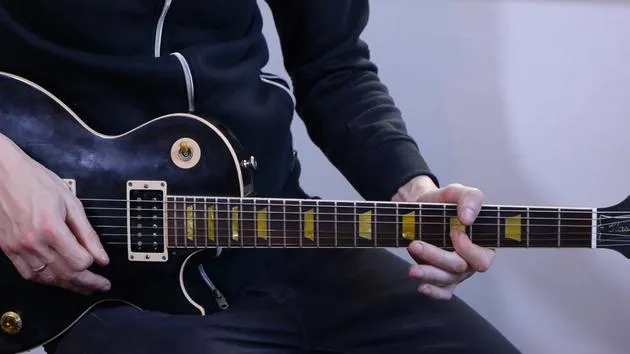
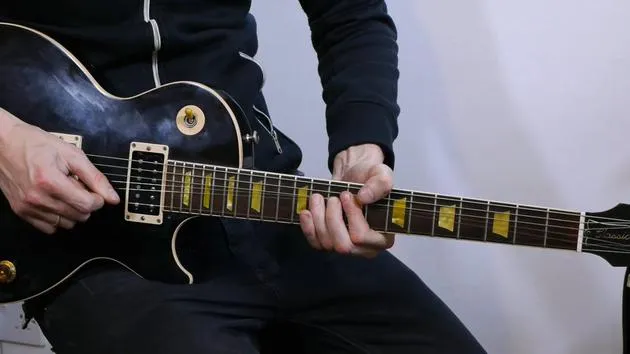
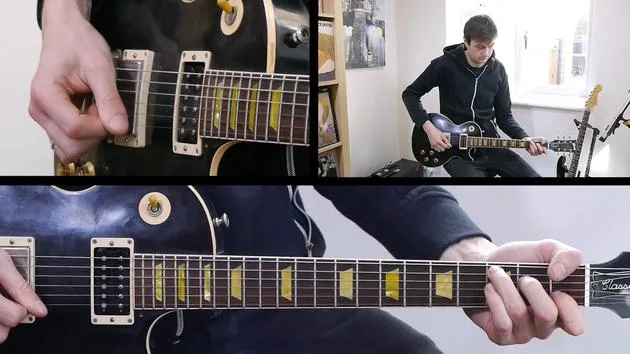
We've picked our moment. Often, it'll be at the end of a phrase. For instance, I'm applying the vibrato there with my first finger only.
Considerations for Adding Vibrato
When you're working on adding vibrato, think about:
- Style of the Piece: Consider whether it's a big, aggressive piece like a Gary Moore number or a more chilled-out blues piece.
- Tempo and Feel: Adapt your vibrato technique to match the overall vibe of the music.
Varying Vibrato
Two things that you can easily vary are:
- Speed: How fast or slow you're vibrating the string.
- Width: How far you're displacing the string.
For example, Zak Wylde has a huge vibrato, while a more subtle approach is often used for bluesy pieces.
Techniques for Vibrato
It's very personal and unique to each guitarist. Here are some approaches to consider:
- Circular Vibrato: Some players utilize a circular motion for a subtle effect.
- Classical Approach: Go with the grain of the string by ebbing your finger from side to side.
Anchoring
If aiming for a wider vibrato, you want to really anchor your finger and generate energy from your wrist.
Common Misconception
One common misconception is that you should go both ways with vibrato. You don't need to do that!
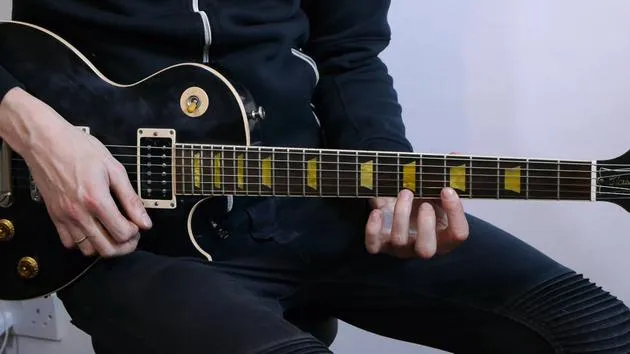
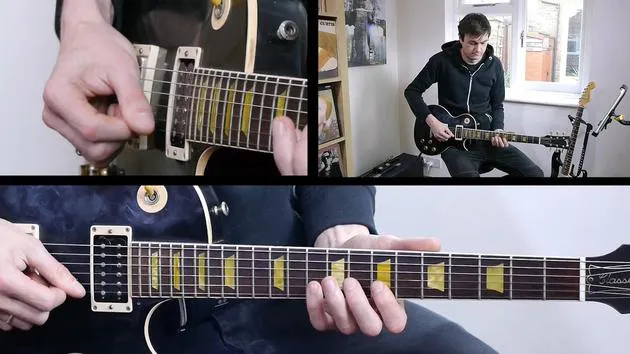
- Demonstration: When I play this note now, my vibrato is going towards the floor and then returning to center, no need to oscillate up and down.
Personal Preference
It's my personal preference that when doing vibrato with my first finger, I usually go towards the floor, as it sounds more controlled for me.
Experimenting with Vibrato
- Speed and Width: Experiment with different speeds and widths. Start with a slow, controlled vibrato, and gradually increase the speed and width.
Timing of Vibrato
It's important to consider how soon you apply vibrato to the note. Let's refer back to that earlier phrase:
-
Early Application: If I start my vibrato immediately after hitting the last note:
- (Demonstration)
-
Delayed Application: If I let the note breathe for half a second before applying vibrato, it often sounds better.
Finger Techniques
You can do vibrato with any finger, not just your first finger!
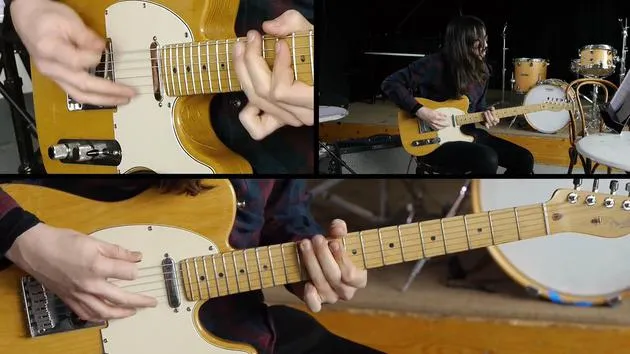
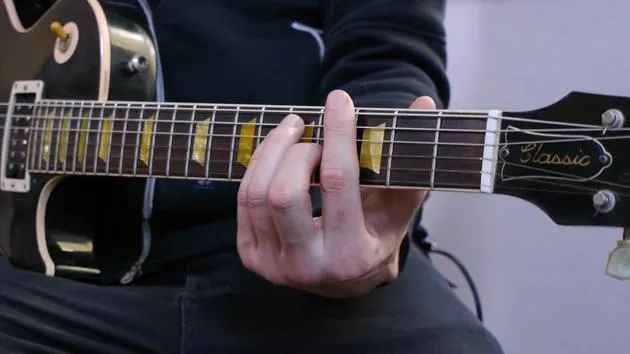
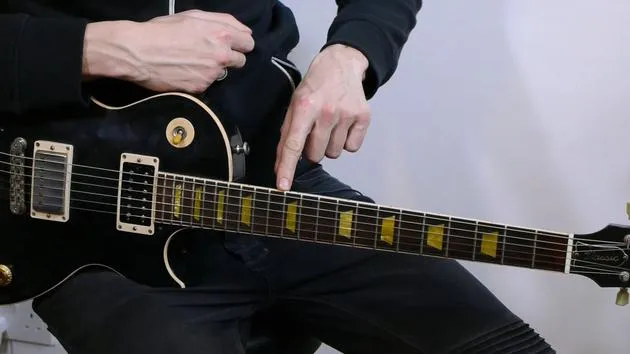
- Using Multiple Fingers: For example, when playing a note with your third finger, support it with another finger behind it on the string for greater control.
Demonstration
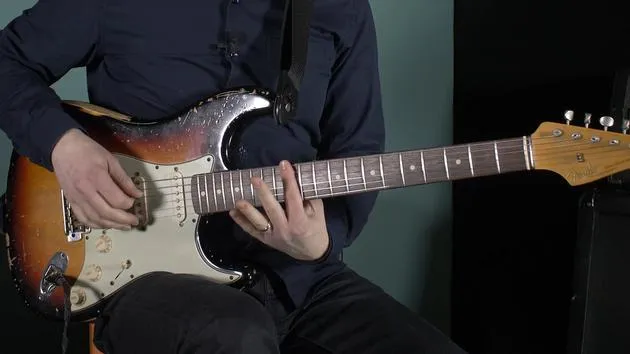
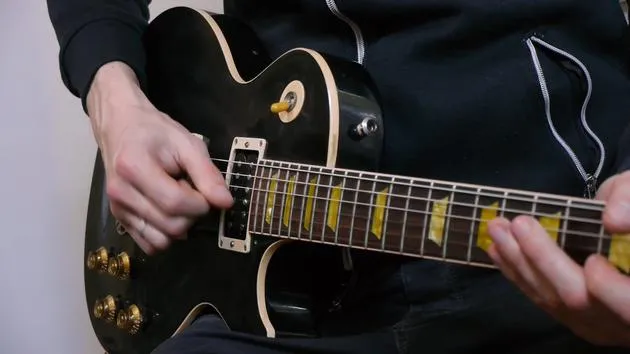
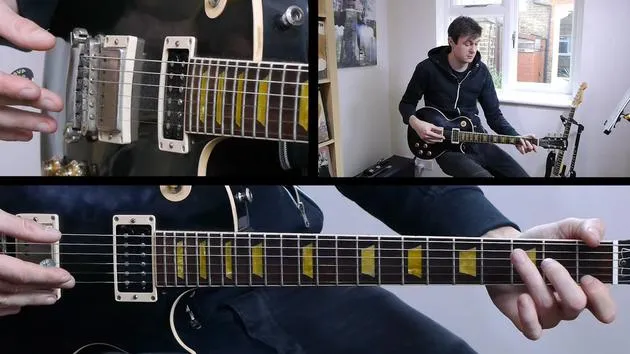
Here's how it looks:
- With just one finger, it sounds a bit weak and uncontrolled.
- Adding a second finger provides much more control and stability.
Conclusion
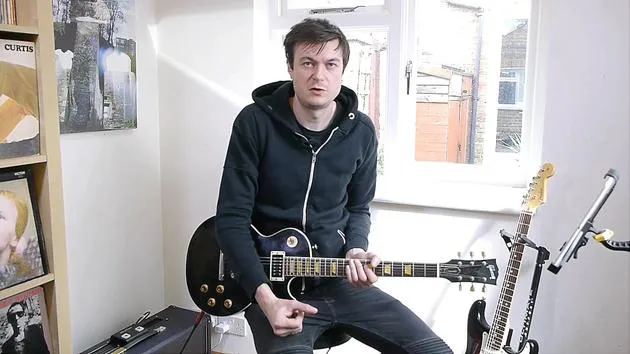
Vibrato is a valuable expressive tool that can elevate your playing, it's definitely worth incorporating as soon as possible. No matter how basic you feel your abilities are, just take the time to explore and develop your unique vibrato style!
42 lecciones
3h 27m de lecciones en vídeo estructuradas
Funciones de vídeo avanzadas
Ralentiza, repite un pasaje, sigue la partitura
Móvil, tablet y ordenador
Practica donde quieras
Garantía de satisfacción 100%
30 días de garantía de devolución







