



Acordes con cejilla
James Barratt desglosa los acordes con cejilla - qué significa hacer cejilla a lo largo de las cuerdas y cómo ganar la confianza para que suenen limpios.

Qué incluye el curso
42 lecciones (3h 27m) · 1 gratis
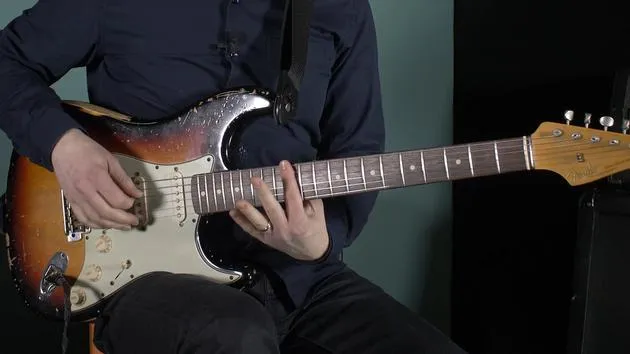
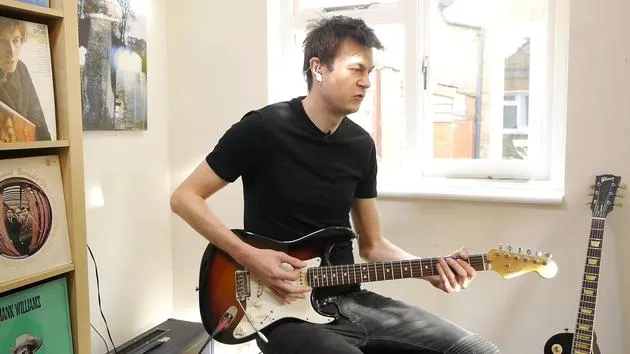
Transcripción de la lección
Understanding Bar Chords
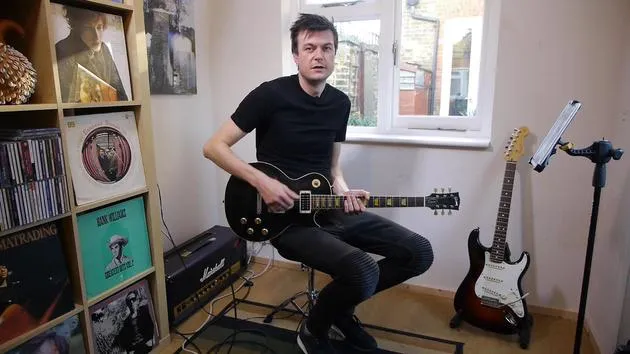
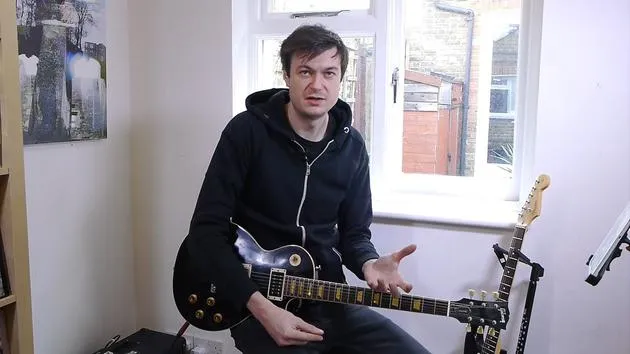
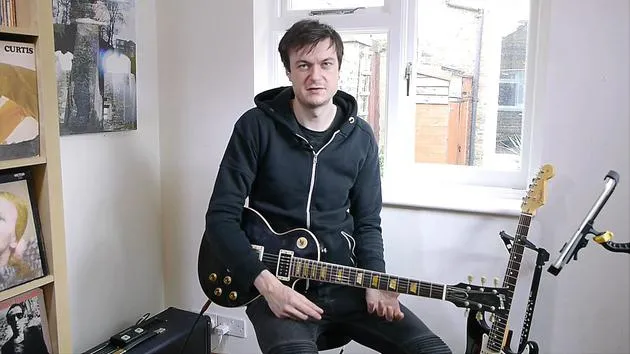
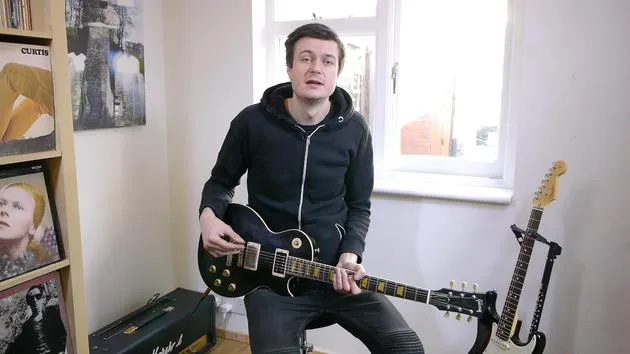
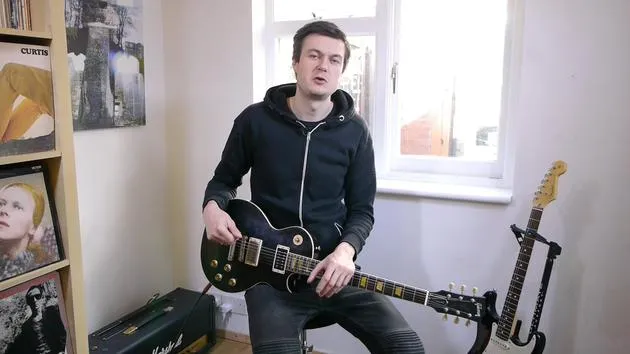
Okay, we're gonna have a little discussion about bar chords now. These can be a real challenge when you first look at them. I know a lot of people struggle, myself included. When I first started and was first presented with a bar chord, it just didn't seem to work for quite a while.
The Basics of Barring
There are a few little things I can help you with that might enable your confidence to grow a bit quicker with this technique.
What is Barring?
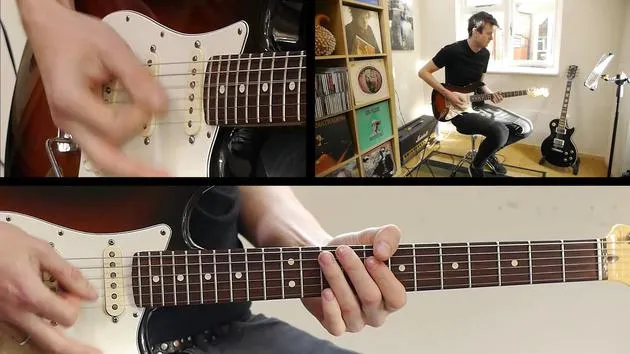
Barring is simply when you cover more than one string with one finger.
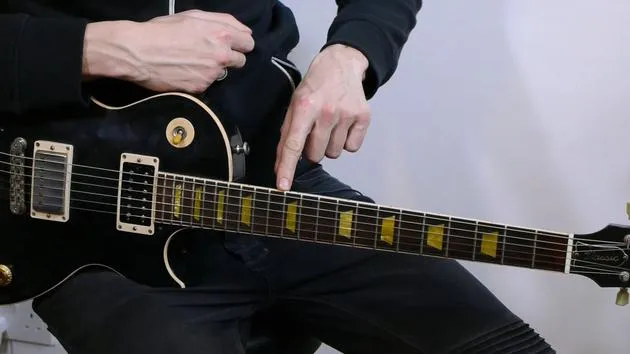
- A really small bar would be if I went on the third fret and just covered the B and the E strings. That's the smallest bar possible: two strings with one finger.
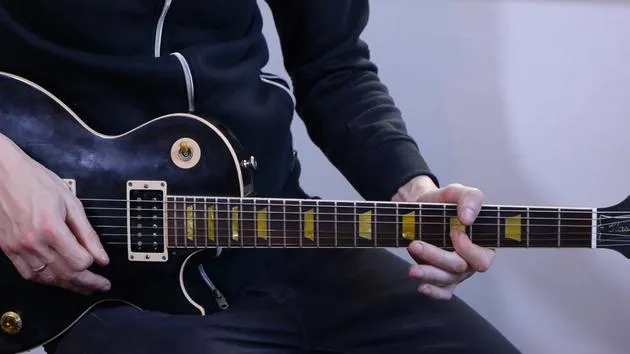
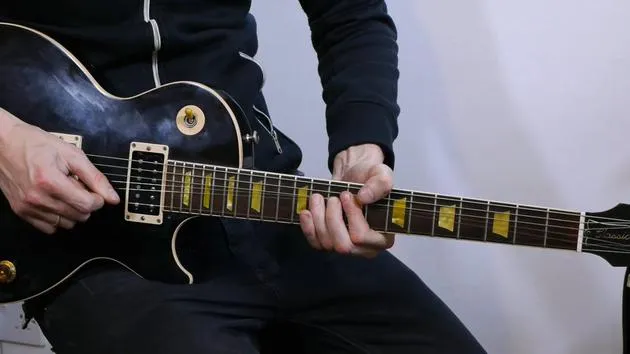
With full-sized barre chords, often what's required is covering all six strings with your first finger and then fretting some of the middle strings with other fingers to produce a chord.
Playing G Major as a Bar Chord
We're going to look at playing a chord you're probably familiar with already, which is G major, but as a bar chord instead.
The Bar
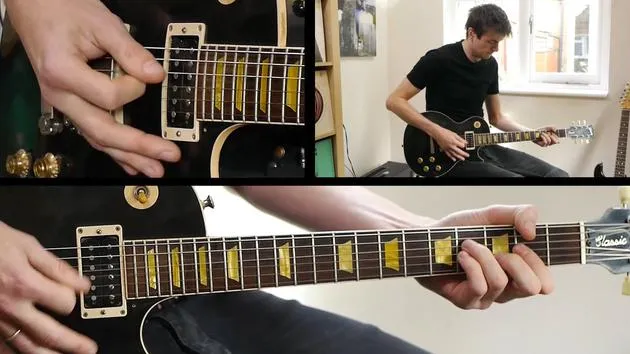
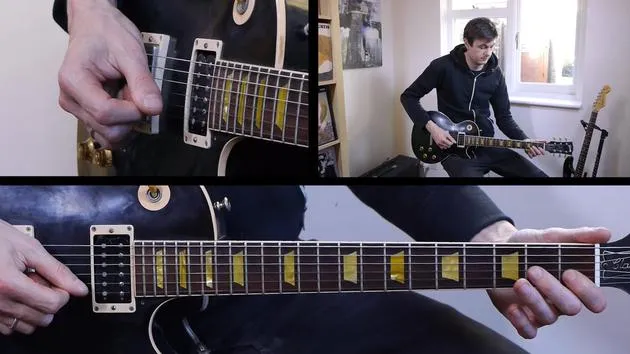
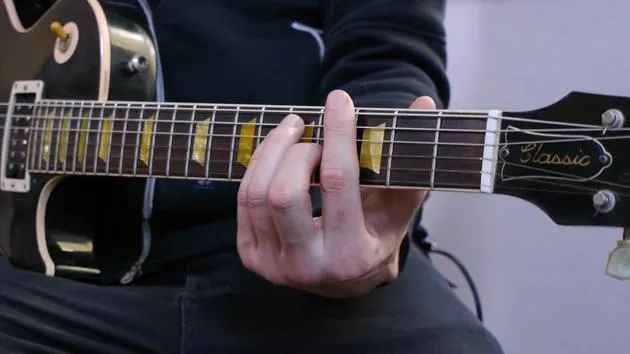
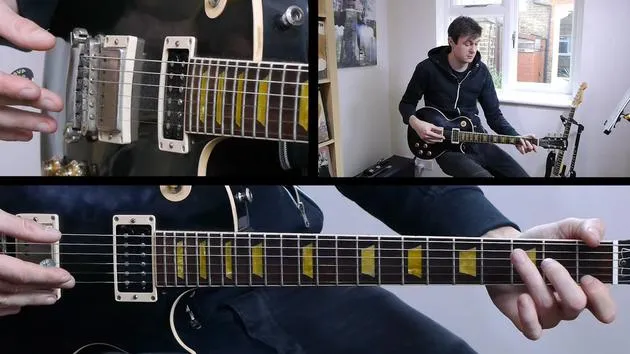
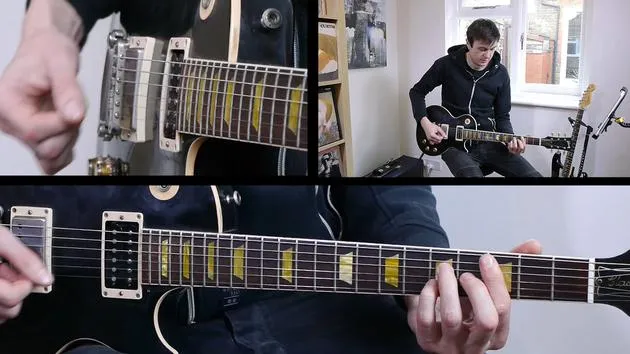
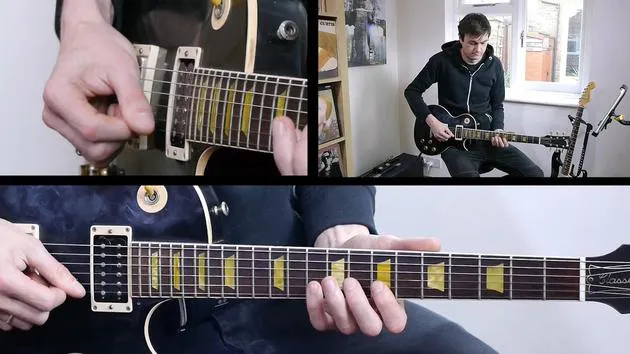
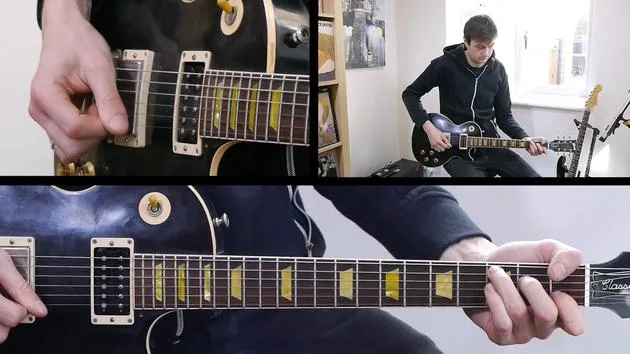
First of all, let's focus on the bar. Place your first finger across all six strings. Before we even add any of the other fingers, it's important to be able to play the bottom string, the E, and then be able to play the G, B, and E strings.
- You want to make sure there are no buzzes and that you're getting a nice, even amount of pressure from your first finger.
It takes a bit of getting used to, but rotating that first finger ever so slightly can help.
- Instead of positioning it straight onto the strings, you might find that angling it slightly produces better results. The ridges in your finger won't fall on the strings, preventing them from being muted.
Maintain that pressure while adding your other fingers to create the full chord.
The E Major Chord
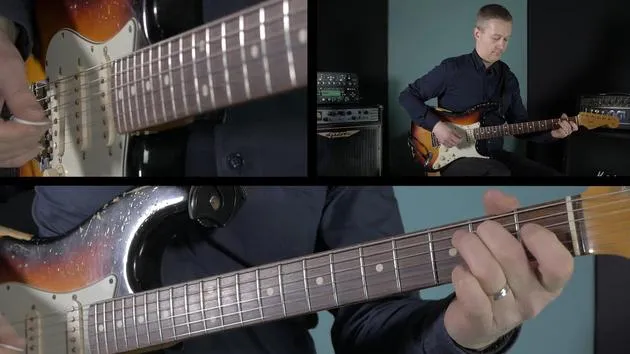
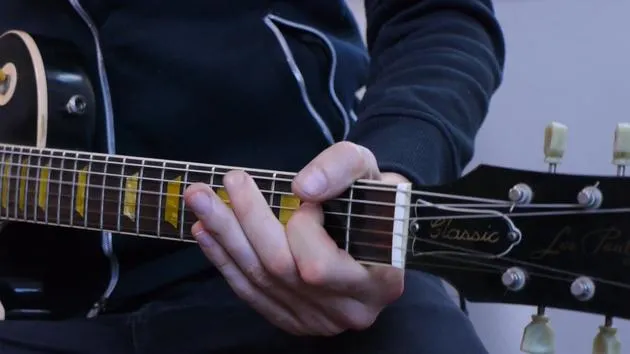
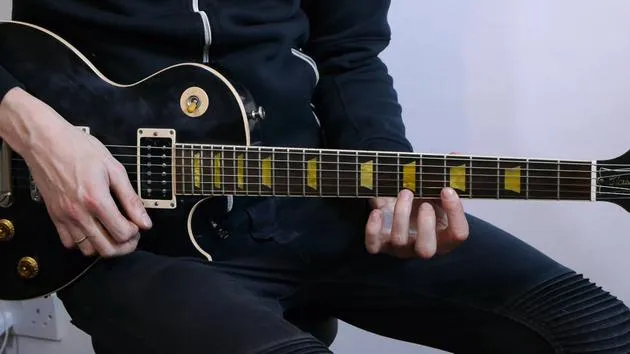
What we've created here with the other fingers is an E major chord. It can be really useful to practice an E major chord with the "wrong" fingers (inverted commas).
- Use your second, third, and fourth fingers to play the E major chord.
- Get used to moving it up three frets while keeping the same shape.
- Add your bar at the end if you like.
Practicing Bar Chords Effectively
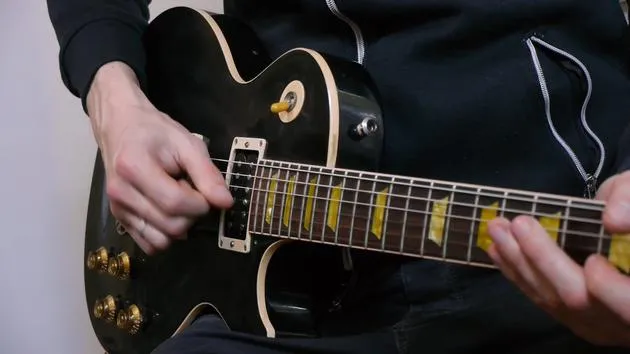
A strong way to practice chords is by arpeggiating them with the right hand.
- Whenever you're learning any new chord, whether it's a bar chord, open chord, or any chord, this method really ensures that you have a pristine, clean chord with all the notes you intend to hear actually ringing out.
Comparison Technique
Let me just demonstrate for you. If I strum this chord and then pick it, I've confirmed that all the notes are there.
- If you're not familiar with the sounds of these chords, you could be forgiven for thinking you have four or five notes there. But upon checking, there might be a few notes that haven't really made the cut and aren't as clean as they should be.
Troubleshooting Common Issues
If you're having issues, consider these factors:
- Position of the barring finger: Ensure it's straight with the frets.
- Pressure of the first finger: Sometimes, it might not be enough, especially on the top strings. Visualize a seesaw of pressure across your barring finger.
- Fingertip placement: Ensure that your other fingers are on their fingertips; if they're flat, they may cut each other off and create a muted chord.
Body Positioning
It can be a bit unnatural at first, but remember:
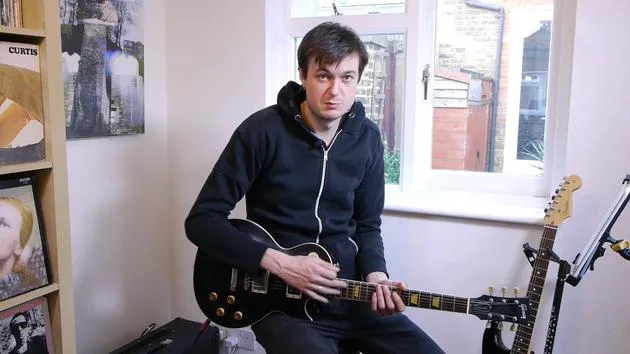
- Position your thumb on the upper third of the neck for better support.
- Keep your wrist and elbow relaxed and maintain a slight gap at the back.
Practicing Responsibly
Lastly, be careful with practicing barre chords for prolonged periods. If you're new to them, it's likely you will apply too much pressure with your barring finger at first, which can lead to discomfort.
- I recommend practicing for just 5 to 10 minutes at a time. Afterward, give yourself a rest and work on something else that doesn't involve barring. Come back to it the next day, and keep revisiting it.
Over time, you'll notice significant improvement!
42 lecciones
3h 27m de lecciones en vídeo estructuradas
Funciones de vídeo avanzadas
Ralentiza, repite un pasaje, sigue la partitura
Móvil, tablet y ordenador
Practica donde quieras
Garantía de satisfacción 100%
30 días de garantía de devolución







