



Introducción al Texas Blues
Con
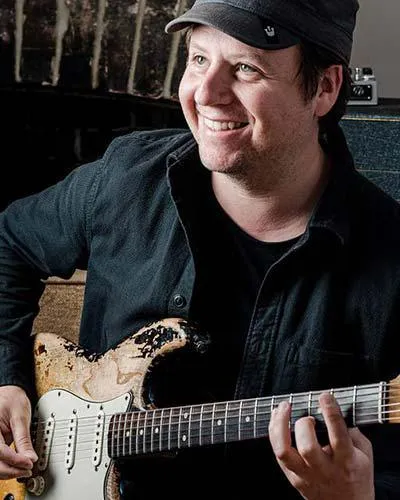
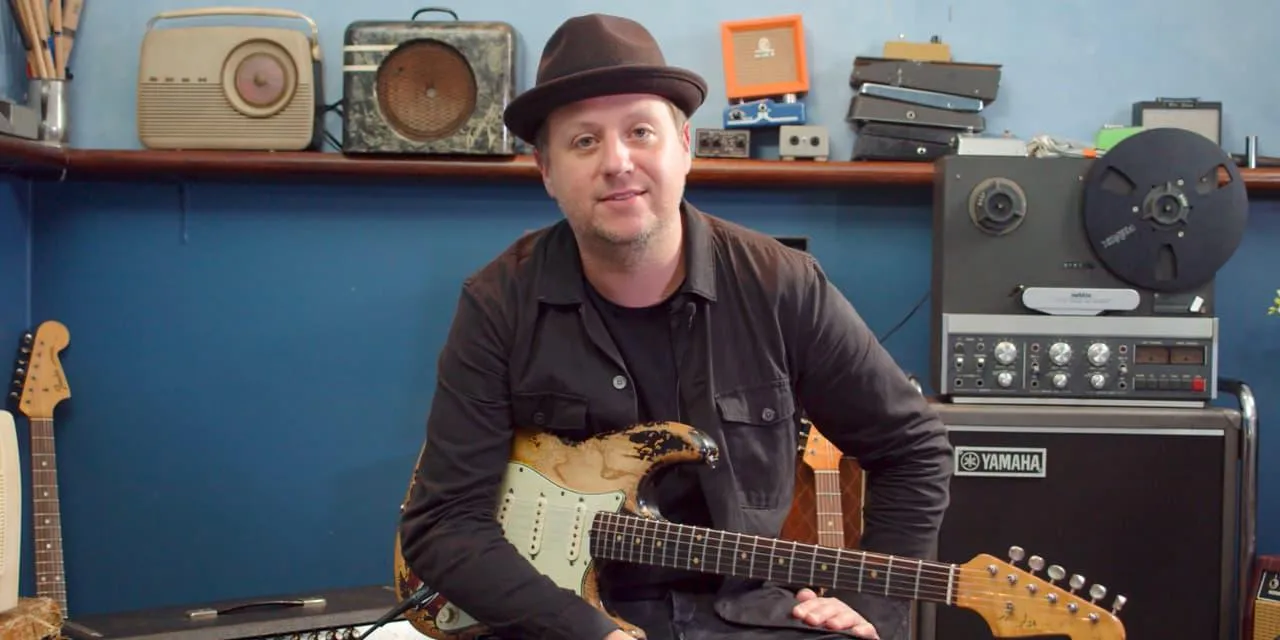
Scott McKeonScott repasa la historia del estilo de blues de Texas y cómo influyó en músicos famosos y en su propia forma de tocar
Qué incluye el curso
34 lecciones (1h 29m) · 2 gratis
01. Introducción al Texas Blues
Estás aquí4:40
01. Solos tradicionales con call and response
2:24
02. Solo de ejemplo 1 - BB King
0:52
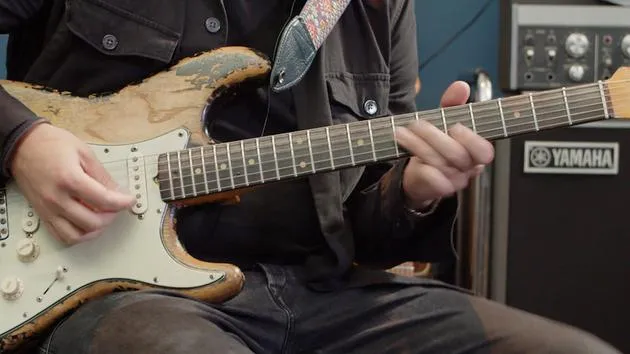
03. Dejar espacio
3:17
04. Solo de ejemplo 2 - Stevie Ray Vaughan (acordes rítmicos)
0:54
05. Solear con los dedos
1:47
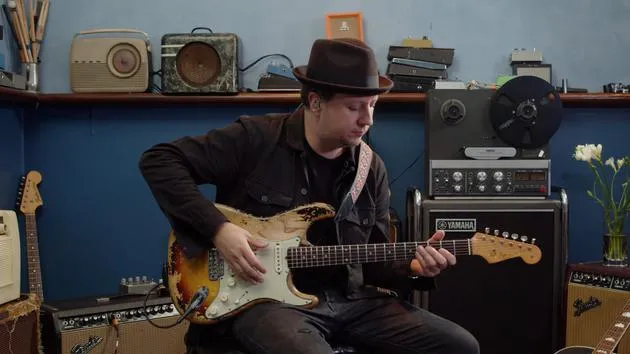
06. Ejemplo de solo 3 - Albert Collins
0:55
07. Combinar técnicas
1:06
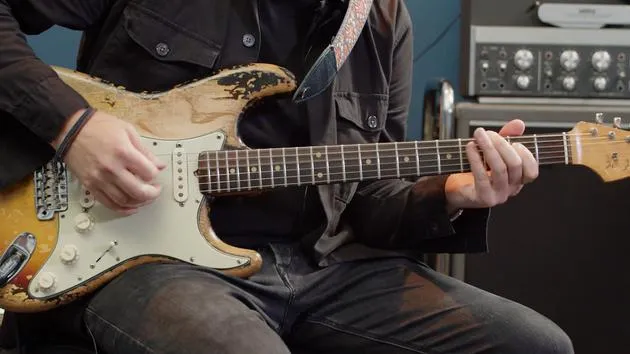
08. Ejemplo de solo 4 - Ponerlo todo junto
0:56
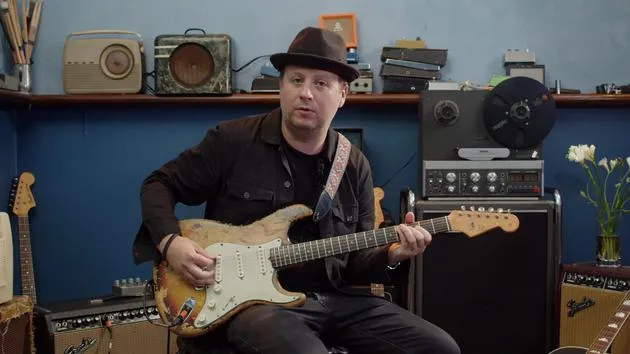
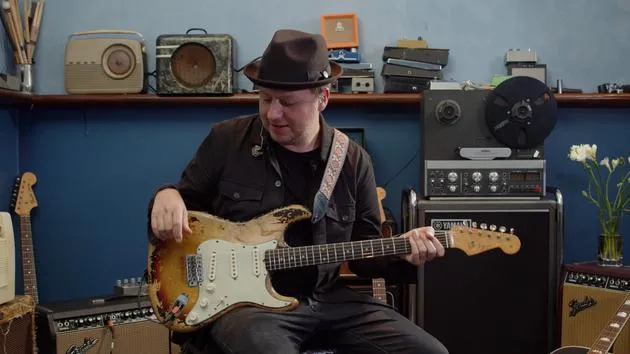
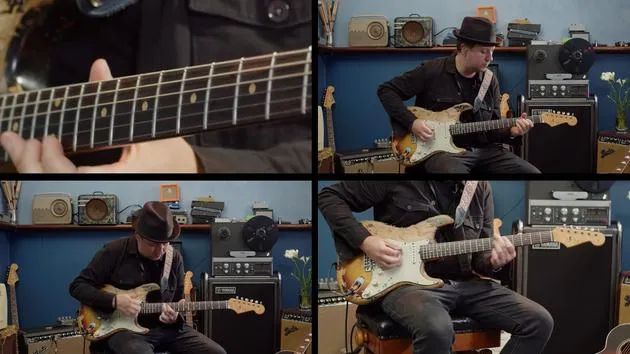
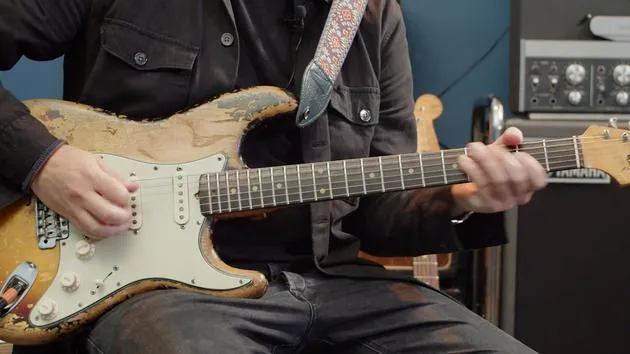
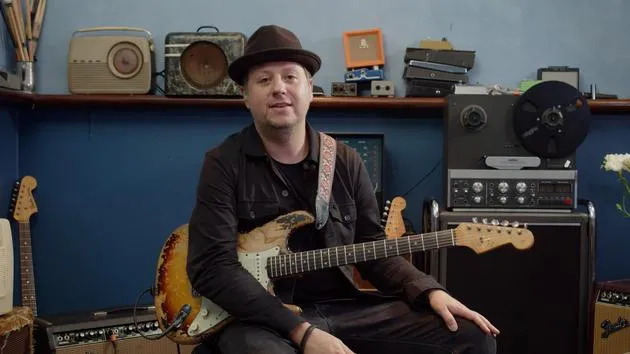
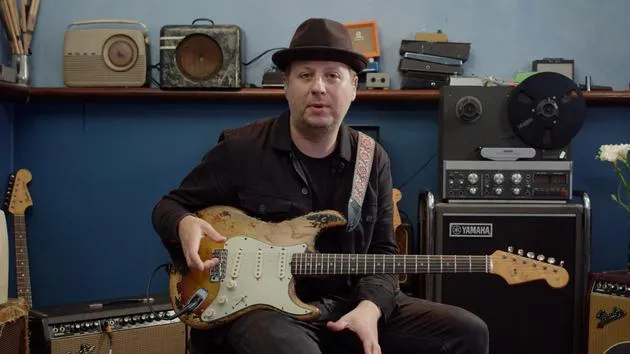
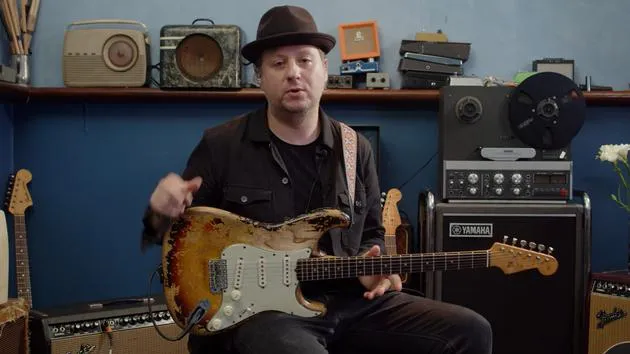
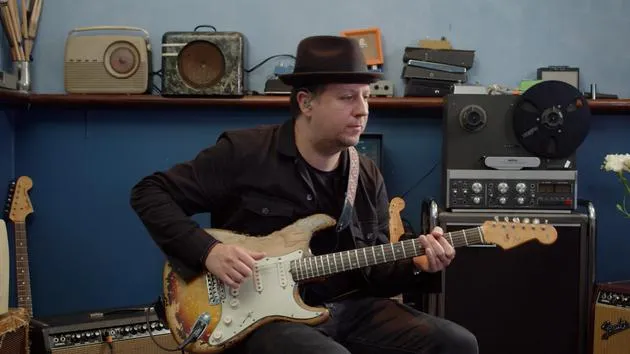
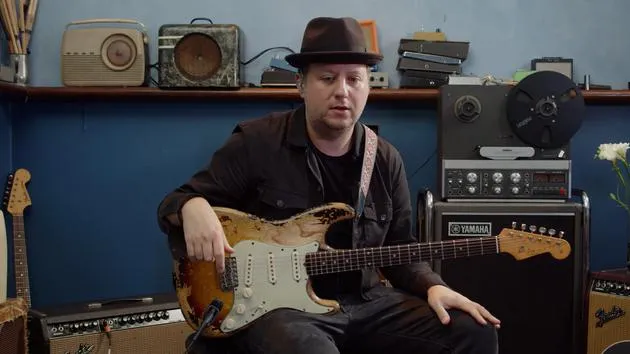
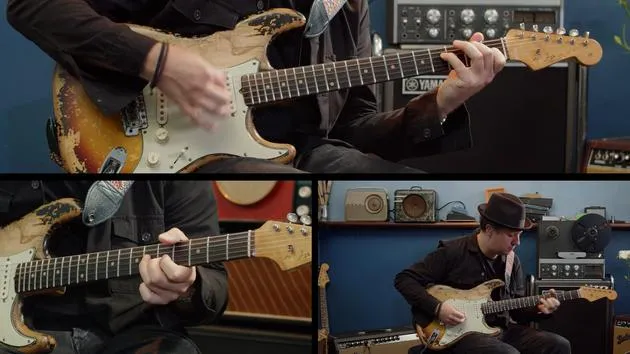
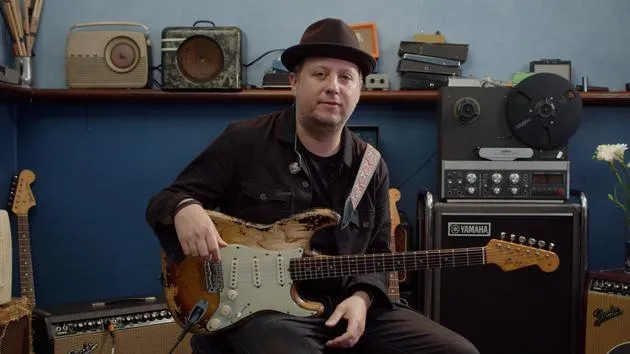
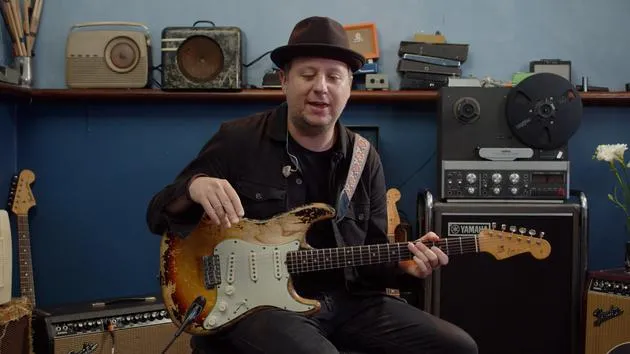
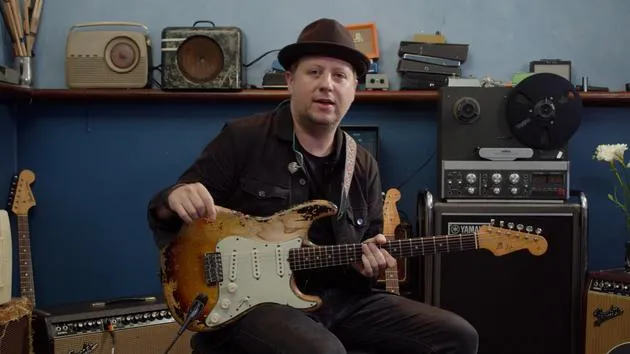
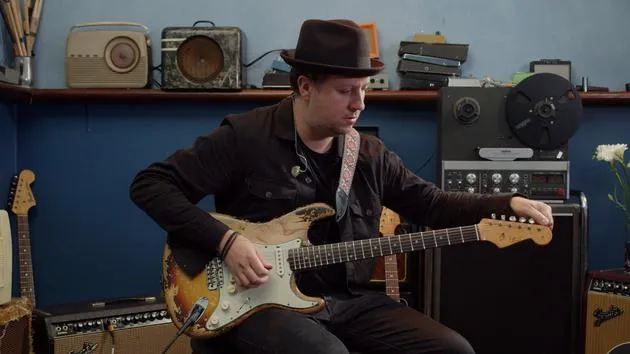
Transcripción de la lección
The Influence of Texas Blues on Music
A big influence on my playing, and a lot of my heroes' playing, was some of the early Texas blues stuff. Key figures include:
- Jimmy Reid
- Lightning Hopkins
- Freddie King
- Albert Collins
- Stevie Ray Vaughan
- Jimmy Vaughan
The Essence of Texas Blues
The Texas blues genre is a really raw form of music. It's hard to pinpoint exactly where it came from, as there are many different influences involved:
- New Orleans
- Louisiana
- Mississippi
However, the Texas blues has a very specific groove and shuffle. There's no messing around; it's quite a raw form of music.
Self-Accompaniment in Blues
One of the starting points for a lot of this music was artists accompanying themselves with just a guitar. For example, Lightning Hopkins mastered the art of being the bass, drums, and rhythm all in one, singing over the top:
- One-Man Band: He was kind of a one-man band.
- Rhythm and Melody: He would play in a way that you could hear him maintaining the rhythm and layering sounds; his right hand would act as the bass, providing a strong, consistent beat.
The Role of Rhythm
- Snare and Licks: He would add snare-like sounds and playful licks on top of his rhythmic foundation.
- Raw Form: This setup is the basis of a lot of that kind of music , just an acoustic guitar and someone singing over it.
Transition to Electric Blues
This self-accompaniment influenced the evolution of blues guitarists as they transitioned to playing electric guitar with bands. Musicians like Jimmy Reid played a style that significantly influenced rock and roll.
Understanding the Roots
It's important to understand these early beginnings of the music before diving into the electric forms. Artists such as:
- John Lee Hooker
- Sun House
These musicians often played solo, creating captivating rhythms that might evoke simple sounds, like someone walking. This directly influenced later musicians like Stevie Ray Vaughan.
The Pocket of Traditional Blues
The original music of John Lee Hooker features a unique pocket that comes from solo performances without a band. When bands were added to this foundation, the result was a powerful and robust rhythm on the guitar.
Conclusion: Amplifying Blues Roots
In conclusion, Steve Ray Vaughan's playing was heavily influenced by that early blues, simply amplified and performed within a band context.
For example, we can consider an old Lightning Hopkins piece to illustrate this transition in style.
34 lecciones
1h 29m de lecciones en vídeo estructuradas
Funciones de vídeo avanzadas
Ralentiza, repite un pasaje, sigue la partitura
Móvil, tablet y ordenador
Practica donde quieras
Garantía de satisfacción 100%
30 días de garantía de devolución
Conoce a tu gurú
Conoce a tu gurú
Scott McKeon ha dedicado toda una vida a su oficio como guitarrista. Inspirado inicialmente por el amor de su padre por el blues, el soul y el rock, cogió la guitarra a los cuatro años y se ha ganado la reputación de ser uno de los guitarristas más solicitados del Reino Unido, tanto en el estudio como en directo.
En 2014, Scott recibió una llamada para tocar en la banda de Sir Tom Jones, junto a Robbie McIntosh y el batería de Pink Floyd Gary Wallis. El repertorio, orientado al blues, el rock 'n' roll y el gospel, permite a Scott recurrir a sus primeras influencias y recorrer el mundo. Las actuaciones hasta la fecha han incluido cinco giras europeas, tres giras por EE. UU. y Sudamérica y giras por Australia y el Lejano Oriente, así como apariciones en televisión como Later... with Jools Holland y TFI Friday, y tocar en el New Orleans Jazz Festival en 2019.
El tercer álbum de Scott, 'New Morning', es un disco terroso, crudo y liderado por la guitarra que muestra su registro y su capacidad como guitarrista. El álbum se grabó en directo en el estudio de RAK en Londres, capturando la energía y la espontaneidad de las sesiones. Fue producido por Paul Stacey (Black Crowes/Oasis), y cuenta con Jeremy Stacey (Sheryl Crow/Tal Wilkenfeld) a la batería, Rocco Palladino (Tom Misch/D'Angelo) al bajo y Gavin Conder (Rufus Black/The Kondoors) como vocalista en varios temas.
Scott también tiene un pedal de fuzz de firma y pastillas de firma, modeladas a partir de su Strat del 62.
En su curso, Scott comparte el tono, el fraseo y el feel que hay detrás de la auténtica guitarra de blues de Texas, mostrándote cómo hincar el diente al estilo y hacer que cada nota cante.







