



Fight No More: interpretación
Con
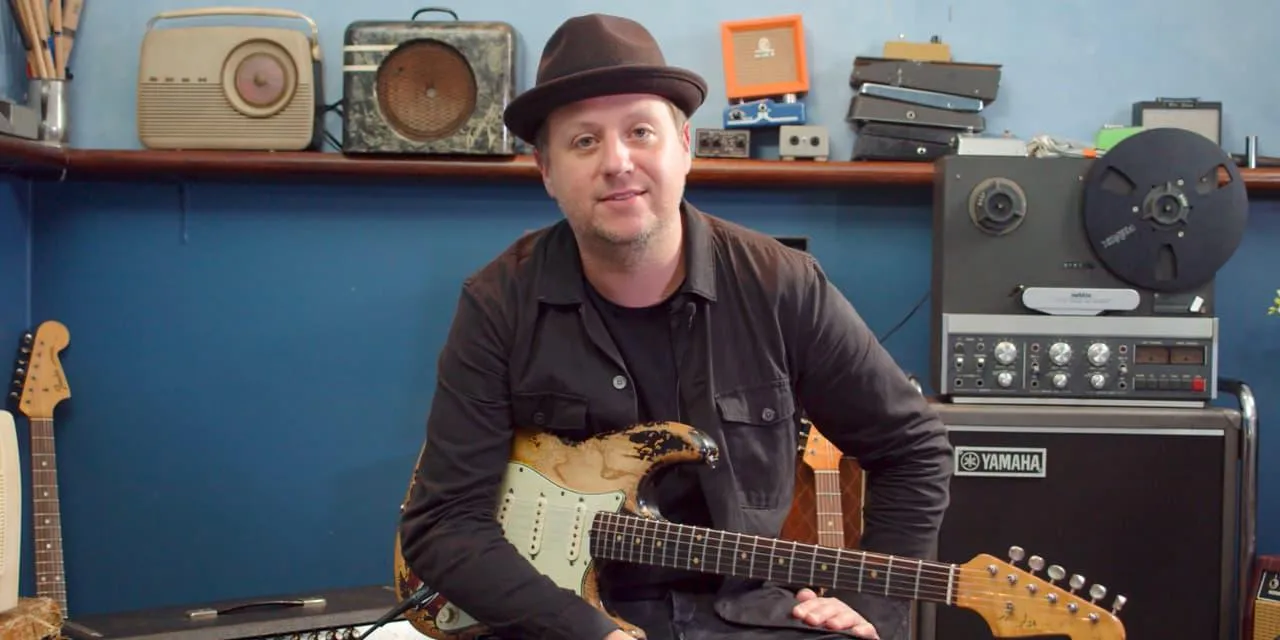
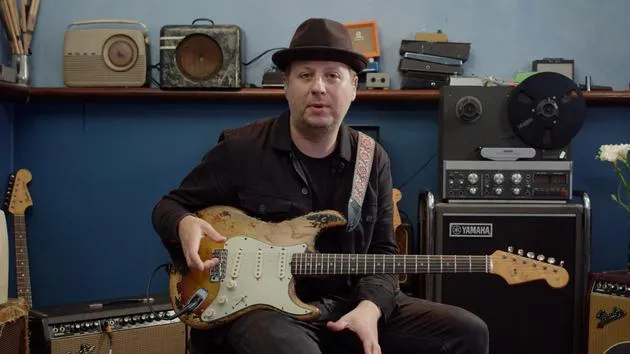
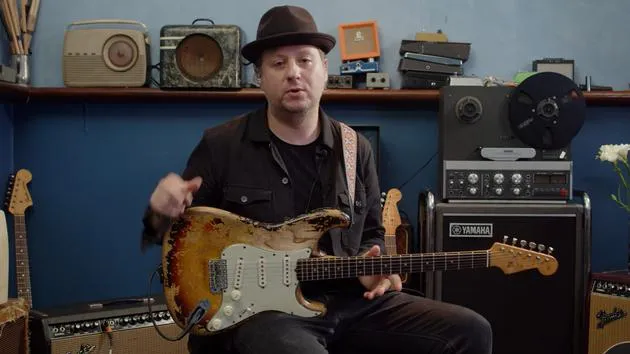
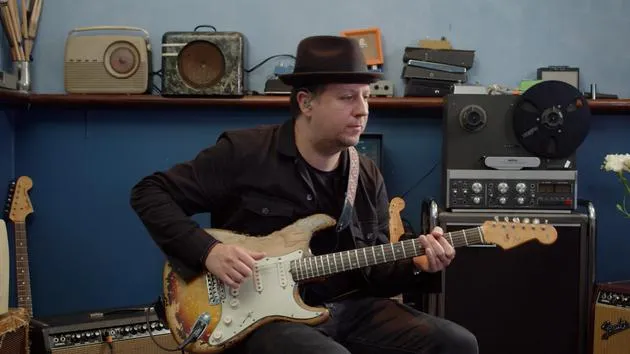
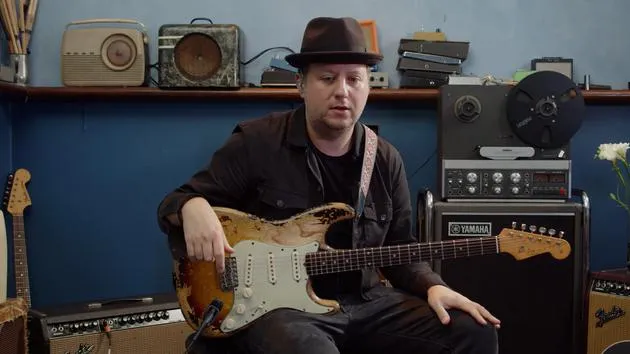
Scott McKeonScott McKeon desglosa su agresivo solo en 'Fight No More', desde apoyarse en el pedal fuzz y los patrones repetitivos hasta manejar la modulación de re bemol bajando a si bemol.
Qué incluye el curso
34 lecciones (1h 29m) · 2 gratis
01. Solos tradicionales con call and response
2:24
02. Solo de ejemplo 1 - BB King
0:52
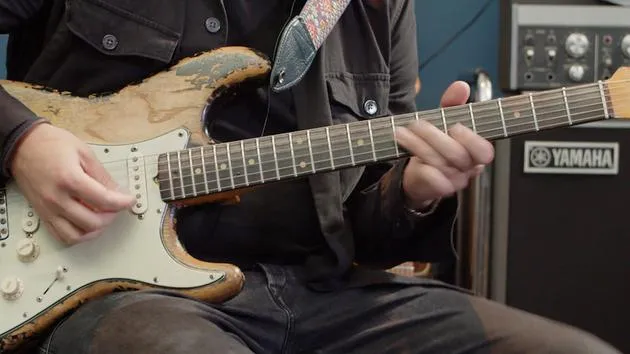
03. Dejar espacio
3:17
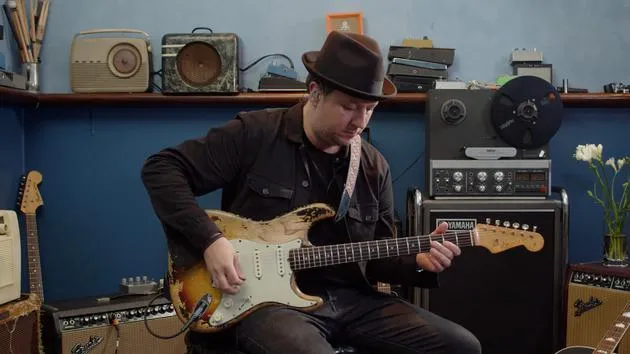
04. Solo de ejemplo 2 - Stevie Ray Vaughan (acordes rítmicos)
0:54
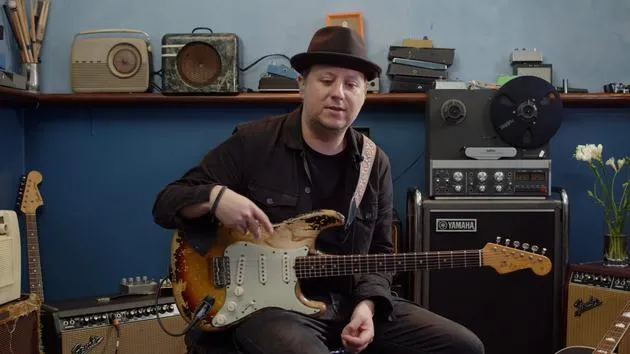
05. Solear con los dedos
1:47
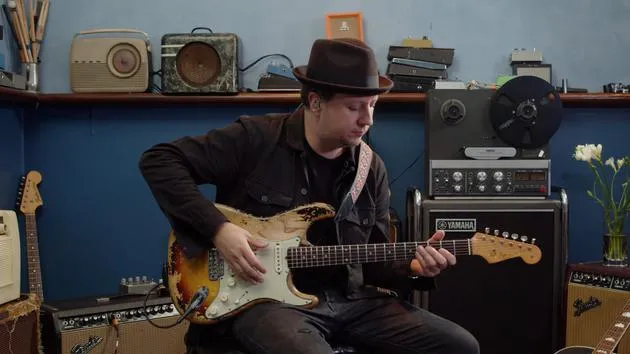
06. Ejemplo de solo 3 - Albert Collins
0:55
07. Combinar técnicas
1:06
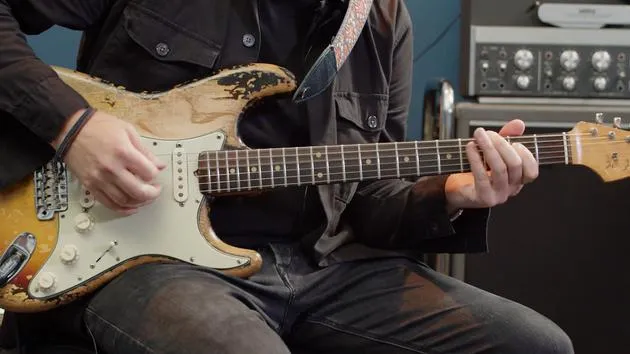
08. Ejemplo de solo 4 - Ponerlo todo junto
0:56
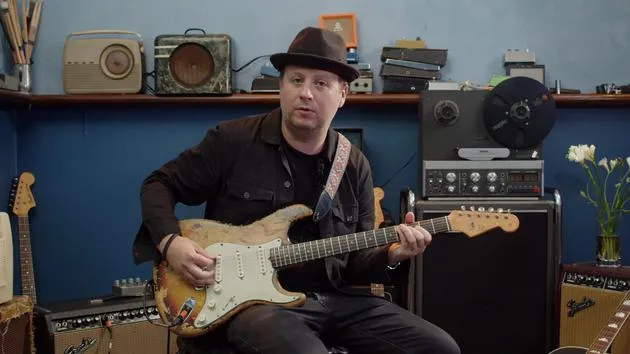
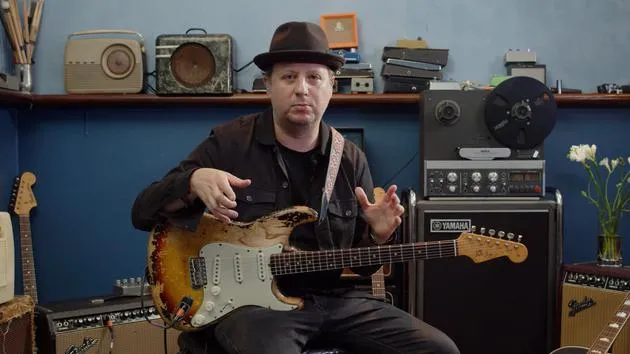
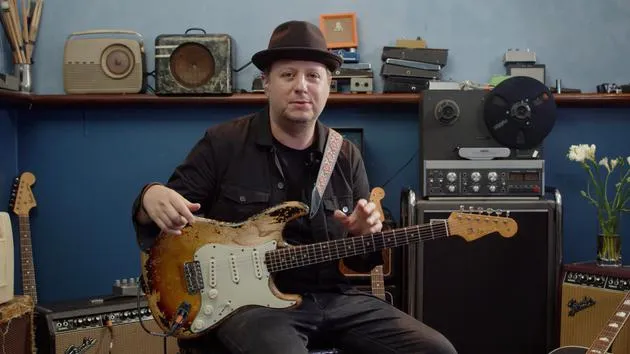
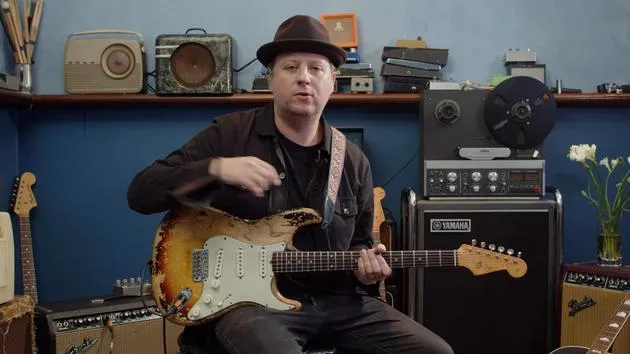
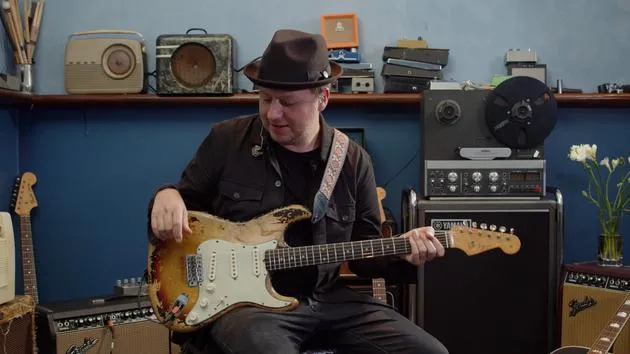
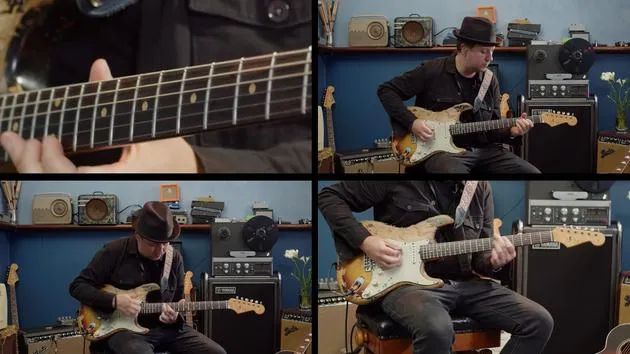
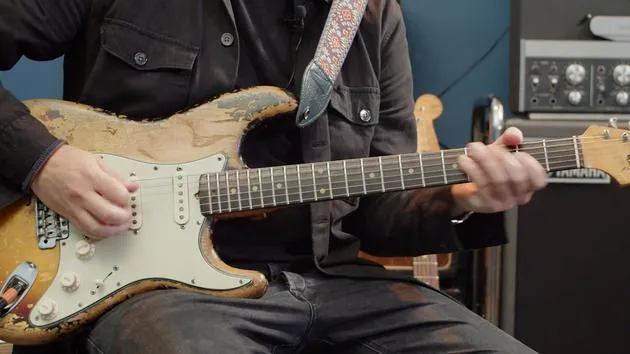
Transcripción de la lección
Enhancing Your Solo for "Fight No More"
Introduction to the Solo
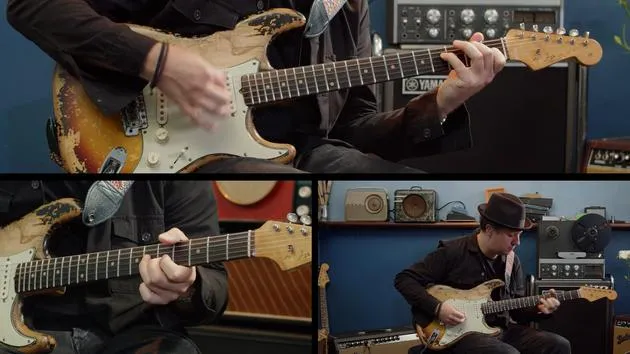
In the solo for "Fight No More," I take an aggressive approach right from the start. Here's how I go about it:
- Fuzz Pedal: I use the fuzz pedal throughout the solo, which contributes to its chaotic energy.
- Entrance: I enter the solo quite forcefully since the build-up is already intense by that point.
Playing Patterns
From there, I focus on playing repetitive patterns, which can be surprisingly effective. Here are some key points to consider:
- Use little patterns that you can stay on for a while.
- For example, I occasionally step back from the fuzz pedal, exploring cleaner sounds.
Modulation and Technique
Let's break down the modulation:
- The solo modulates from D flat down to B flat.
- I might start with a certain motif and then move onto something similar around the 11th fret on the B string.
Influences and Interplay
When I'm performing, certain influences come to mind:
- This style reminds me of Clapton in the early 70s, with two guitars playing similar parts.
- It's essential to play in tandem with the drummer, like Jeremy Stacey, who reacts to my playing, creating a dynamic interaction.
Licks and Bends
Transitioning between licks and bends is crucial:
- I find that certain licks provide a platform to think about where I want to take the solo next.
- Ending on a bend can set up a powerful move into the next section.
Vibrato Techniques
An important consideration in your playing is vibrato:
- Be mindful of when to use vibrato and when to leave it off.
- For instance, when I bend a note, I might add vibrato afterward for a more singing quality.
The Vocal Analogy
Think of your guitar playing as akin to singing:
- Approach notes as if you were vocalizing, allowing yourself to land on the note before adding vibrato.
- Conversely, sometimes leaving a note clean, without vibrato, can be just as effective.
Control and Experimentation
As guitarists, we can easily fall into the habit of adding vibrato to every note, especially once we perfect it:
-
Control is key: Decide when to apply vibrato for maximum impact.
-
Experiment with sustained notes:
- If you let a note die off, it has a different effect than if you sustain it with vibrato.
Conclusion
Have fun exploring these concepts in your solos. The interplay, the dynamics, and the finesse can greatly enhance your performance!
34 lecciones
1h 29m de lecciones en vídeo estructuradas
Funciones de vídeo avanzadas
Ralentiza, repite un pasaje, sigue la partitura
Móvil, tablet y ordenador
Practica donde quieras
Garantía de satisfacción 100%
30 días de garantía de devolución
Conoce a tu gurú
Conoce a tu gurú
Scott McKeon ha dedicado toda una vida a su oficio como guitarrista. Inspirado inicialmente por el amor de su padre por el blues, el soul y el rock, cogió la guitarra a los cuatro años y se ha ganado la reputación de ser uno de los guitarristas más solicitados del Reino Unido, tanto en el estudio como en directo.
En 2014, Scott recibió una llamada para tocar en la banda de Sir Tom Jones, junto a Robbie McIntosh y el batería de Pink Floyd Gary Wallis. El repertorio, orientado al blues, el rock 'n' roll y el gospel, permite a Scott recurrir a sus primeras influencias y recorrer el mundo. Las actuaciones hasta la fecha han incluido cinco giras europeas, tres giras por EE. UU. y Sudamérica y giras por Australia y el Lejano Oriente, así como apariciones en televisión como Later... with Jools Holland y TFI Friday, y tocar en el New Orleans Jazz Festival en 2019.
El tercer álbum de Scott, 'New Morning', es un disco terroso, crudo y liderado por la guitarra que muestra su registro y su capacidad como guitarrista. El álbum se grabó en directo en el estudio de RAK en Londres, capturando la energía y la espontaneidad de las sesiones. Fue producido por Paul Stacey (Black Crowes/Oasis), y cuenta con Jeremy Stacey (Sheryl Crow/Tal Wilkenfeld) a la batería, Rocco Palladino (Tom Misch/D'Angelo) al bajo y Gavin Conder (Rufus Black/The Kondoors) como vocalista en varios temas.
Scott también tiene un pedal de fuzz de firma y pastillas de firma, modeladas a partir de su Strat del 62.
En su curso, Scott comparte el tono, el fraseo y el feel que hay detrás de la auténtica guitarra de blues de Texas, mostrándote cómo hincar el diente al estilo y hacer que cada nota cante.







