



Articulación de la mano derecha
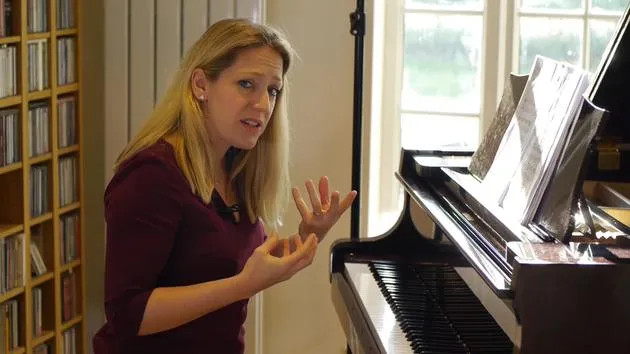
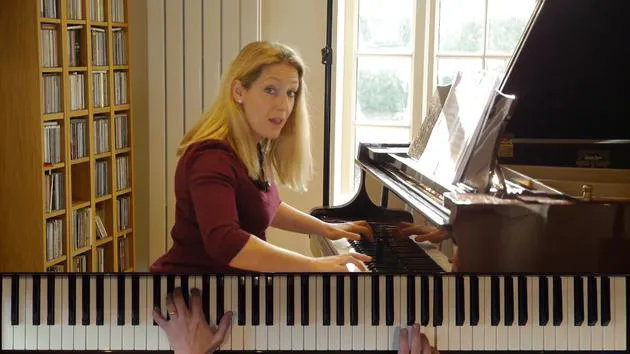
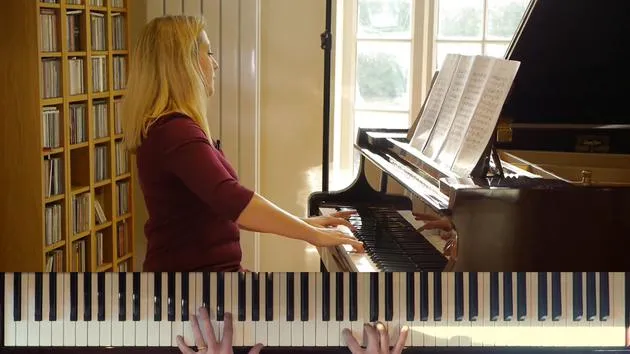
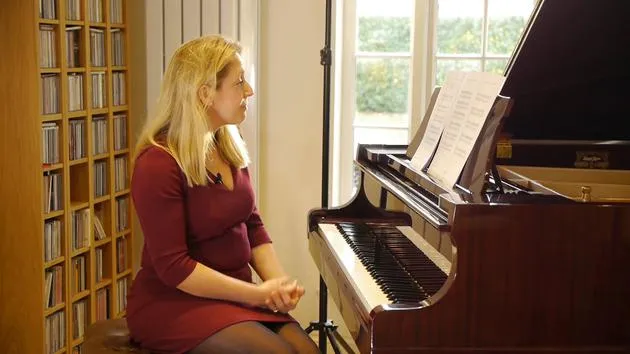
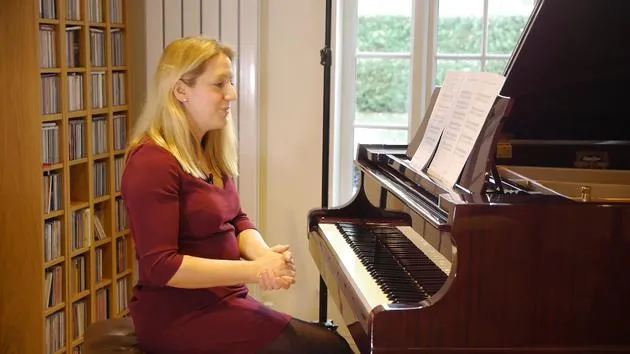
Annabel Thwaite muestra cómo sacar un tono cálido y cantable de la mano derecha en el Air on the G String de Bach, tratando cada nota como una línea de violín tocada con arco.
Qué incluye el curso
21 lecciones (0h 57m) · 1 gratis
Transcripción de la lección
Exploring Tone in Violin and Piano
Introduction to Tone
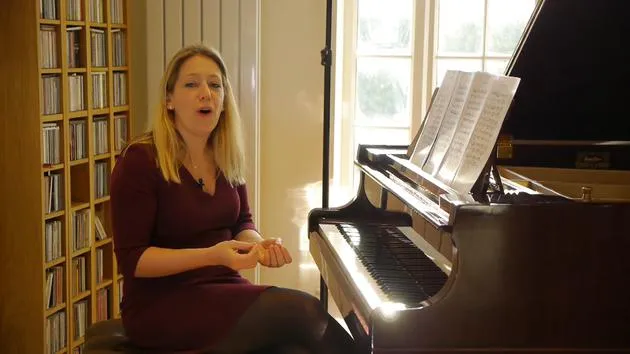
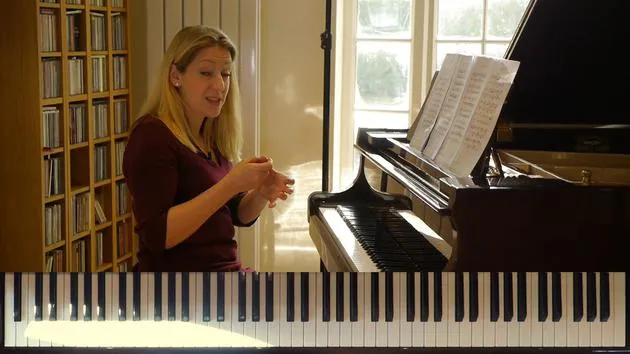
Let's look at tone. Imagine you were playing this on a violin. You would hopefully have a beautiful resonant sound, very cantabile, very ringing.
- Warm and Refined: Like the sweetest dessert rather than a rough mud pie or rocky railroad cake.
We always want to have this beautiful tone. If we make the decision to play on a modern piano, we can truly achieve great tone production.
The Concept of Attack
I believe that tone is produced by how you attack the notes. However, consider the word attack very carefully:
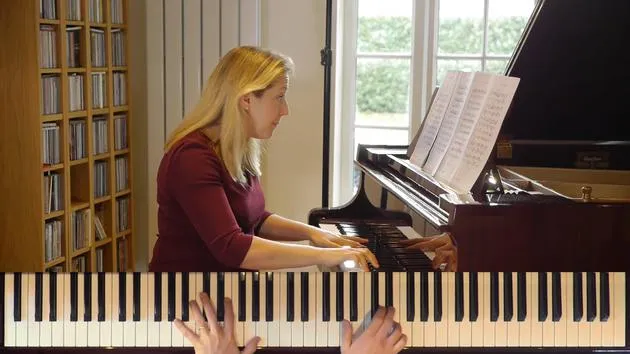
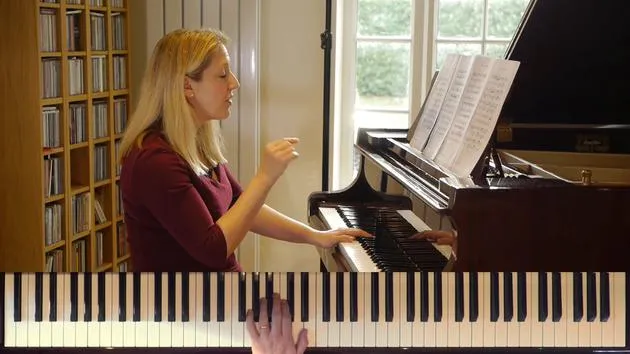
- Gentle Coaxing: Don't attack it just downward aggressively; instead, coax it out. Imagine you're stroking it out.
Visualization Techniques
- Skin on Your Arm: Think about pulling the skin on your arm gently.
- Tarantula Limbs: Picture the many digits of a tarantula's legs and how they interact delicately.
- Ballet Dancer on Points: Imagine the grace with which a ballet dancer draws out sound.
Practical Application
For example, let's have a look at Round Bar 10:
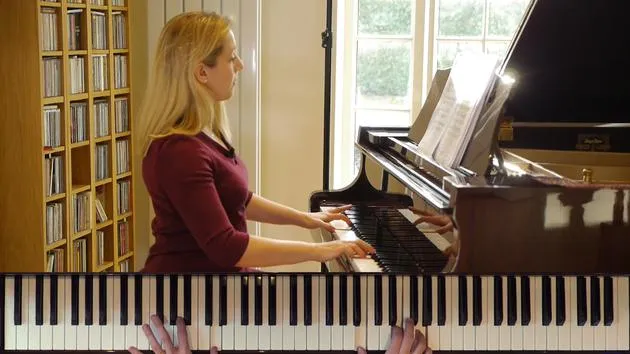
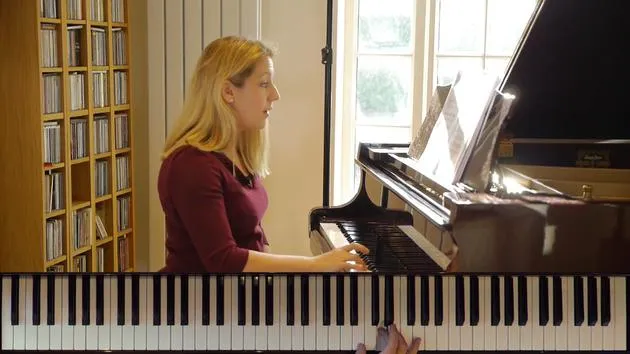
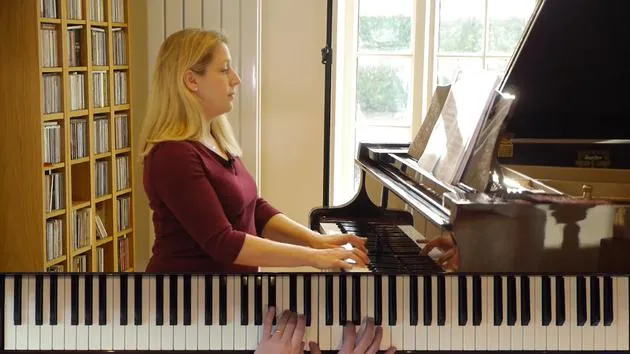
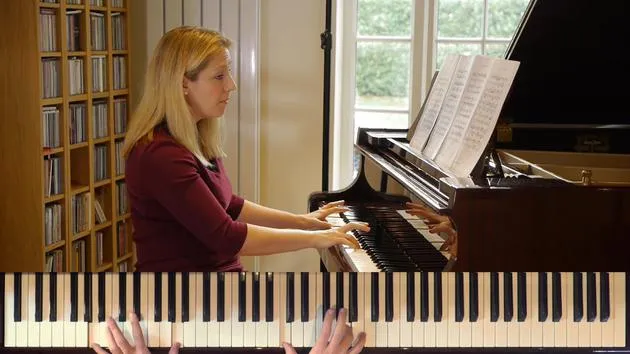
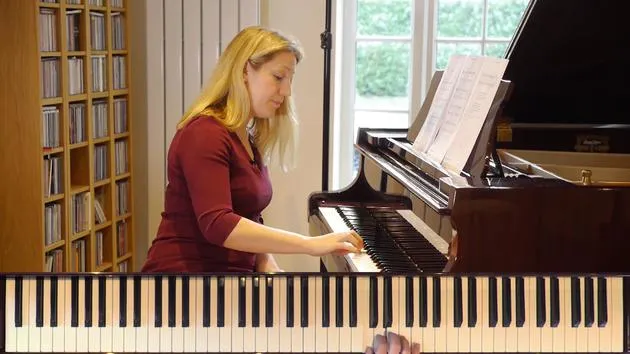
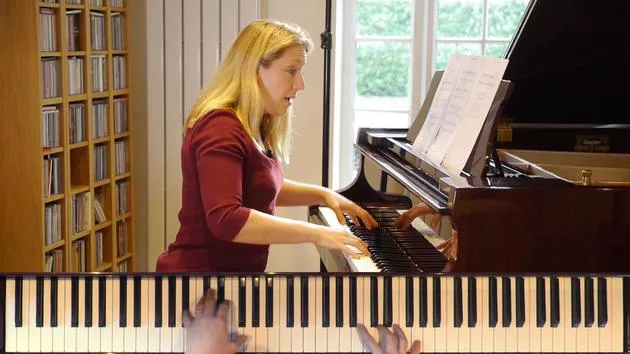
- Legato Playing: I'm playing very legato, linking and overlapping my fingers.
- Sound Production: Focus on drawing the sound out rather than just playing it.
D Major Scale Practice
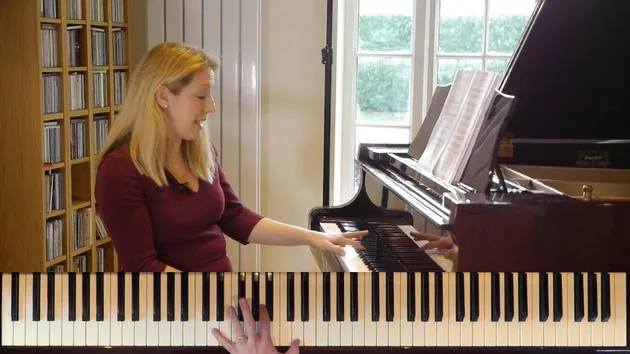
- Legato Focus: When practicing the D major scale, think of it as linked and overlapping notes.
Try to draw the sound out beautifully rather than opting for a more abrupt sound. Remember, with slow music, every single note must have a beautiful quality.
Melodic Interactions
Let's look at some of the melodies:
-
Left Hand Importance: The left hand plays a continuous bass line, which moves the harmonic phrase.
-
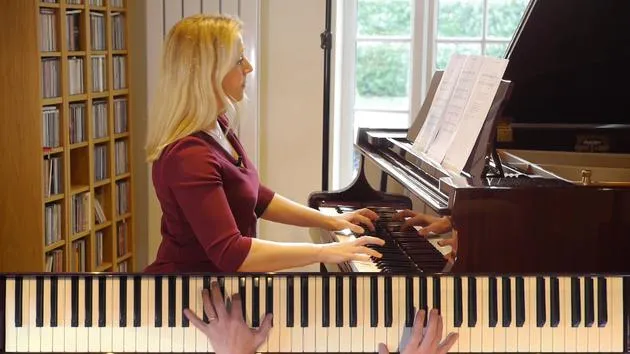
Conversational Dynamics: There are moments when the right hand and left hand can have a conversation.
Example from Bar 10
- Intervallic Tension: Examine the leap of the octave, moving down a tone, then to an octave down, and finally to a semitone up.
- Rising Melodic Line: This contrasts with the rising melodic line in the right hand, which revolves around semitones.
Soprano and Alto Interaction
Later, we have a wonderful conversation between the soprano and alto parts, perhaps reminiscent of the two-violin version in Bar 14.
-
Practice Techniques: You can practice by:
- Focusing on just the top line with the bass
- Working on just the middle line with the bass
This allows you to concentrate on each part individually, giving each its own distinct character.
21 lecciones
0h 57m de lecciones en vídeo estructuradas
Funciones de vídeo avanzadas
Ralentiza, repite un pasaje, sigue la partitura
Móvil, tablet y ordenador
Practica donde quieras
Garantía de satisfacción 100%
30 días de garantía de devolución
Conoce a tu gurú

Conoce a tu gurú
Reconocida como una de las pianistas más versátiles y carismáticas de Gran Bretaña, Annabel Thwaite disfruta de una carrera diversa como solista, música de cámara, artista de grabación, docente y examinadora, y ha ganado todos los principales premios de acompañamiento, incluidos los prestigiosos Kathleen Ferrier, Gold Medal y Richard Tauber Piano Prizes. Ha colaborado con artistas de renombre como Roberto Alagna, Bryn Terfel, David Kempster y "Only Men Aloud!"
Annabel ha grabado para Universal records con el "Scottish Tenor", cuyo álbum fue nominado a un Classical Brit Award y suena con regularidad en Classic FM. Dos veces acompañante del Festival of Welsh Male choirs, sus actuaciones en el Royal Albert Hall fueron grabadas por Sain y emitidas en S4C. También es pianista de sesión de cine, habiendo grabado en Abbey Road la música de la película "Awake", la serie de la BBC sobre Jane Austen "Emma", "The Secret Diaries of Miss Anne Lister" y, más recientemente, ha aparecido tanto en Blue Peter como en "The Rob Brydon Show".
"...sin duda ayudada por los acompañamientos de piano evidentemente brillantes de Annabel Thwaite... sumamente disfrutable."
En sus cursos de MusicGurus —Learn Christmas Classics on Piano, Learn Classical Favourites on Piano y Growing Chamber Groups and Small Ensembles— Annabel comparte la musicalidad que hay detrás de esa carrera versátil. Aprenderás a dar vida al piano a piezas navideñas y clásicas muy queridas, a desarrollar tu toque y tu fraseo y, apoyándote en su experiencia premiada como acompañante, a descubrir cómo escuchar, liderar y tocar en conjunto al hacer música con otros músicos en grupos de cámara y pequeños conjuntos.







