



Introducción al curso
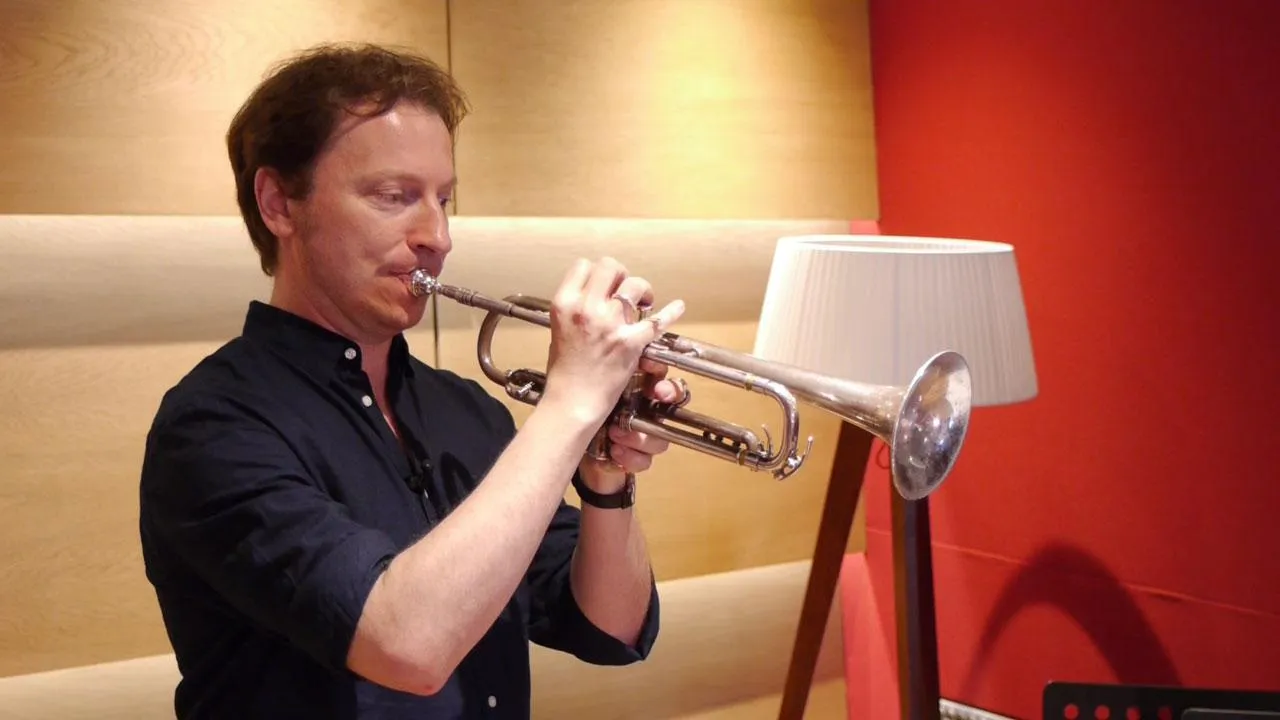
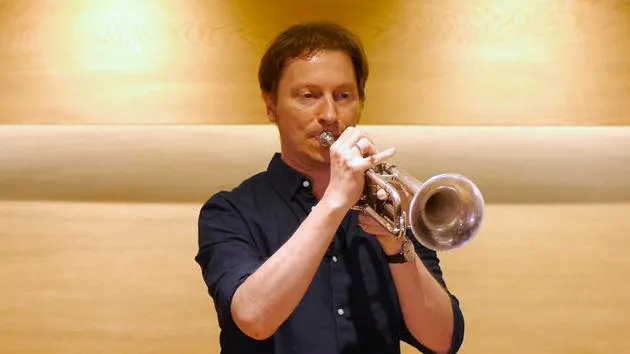
Gerard Presencer presenta su enfoque interno de la trompeta, centrándose en lo que ocurre dentro de la boca para desarrollar resistencia y flexibilidad en todo el registro.
Qué incluye el curso
12 lecciones (1h 49m) · 1 gratis
Transcripción de la lección
Developing a Supportive Technical Approach to Playing the Trumpet
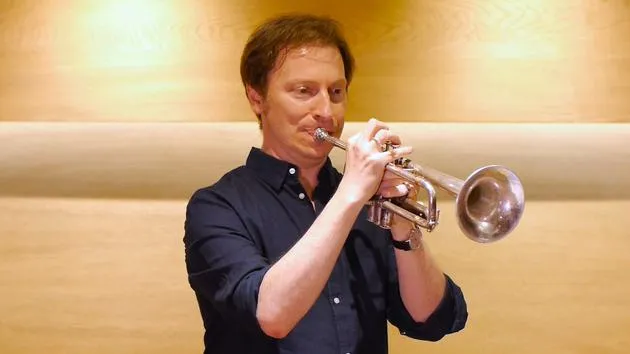
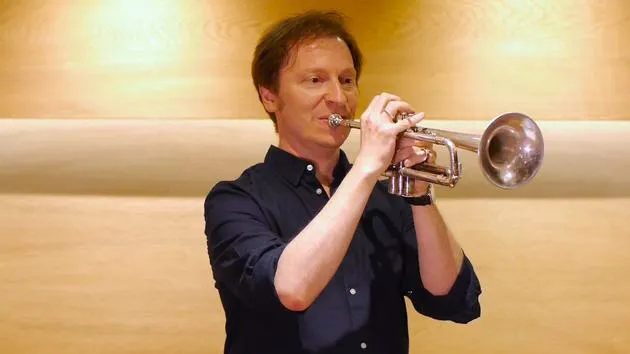
To develop a supportive technical approach to playing the trumpet, there are several strategies we can explore. Over the course of the 10 lessons that we're going to have, I will ask you to try a few physical things that focus on the preparation of playing the trumpet rather than the actual playing itself. This will help us create consistency, so that when you go for a high note, you don't have to change how you play externally compared to how you would for a low note.
Consistent Register Approach
- We will work on creating one register and one approach to playing the trumpet up and down.
- The only difference between a low note, high note, or medium note will be what's happening inside your mouth.
Robot Arms Concept
A key concept I like to work on with students is the idea of robot arms.
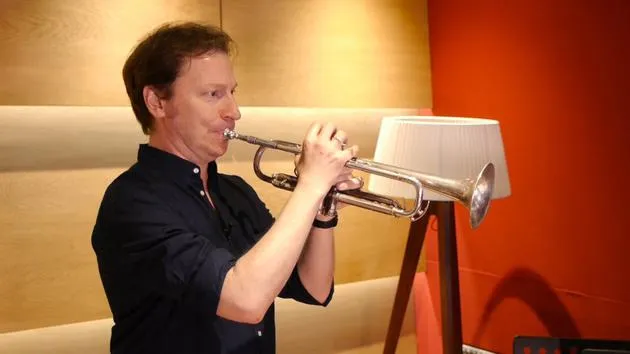
- What this entails: When you go to play, do it without outside manipulation of your face.
- This method minimizes unnecessary movement as you prepare to play.
- When taking the trumpet off your face, keep the same approach, your airstream should be what produces the note, not your embouchure.
1, 2, 3 Placement
We will also discuss the 1, 2, 3 placement:
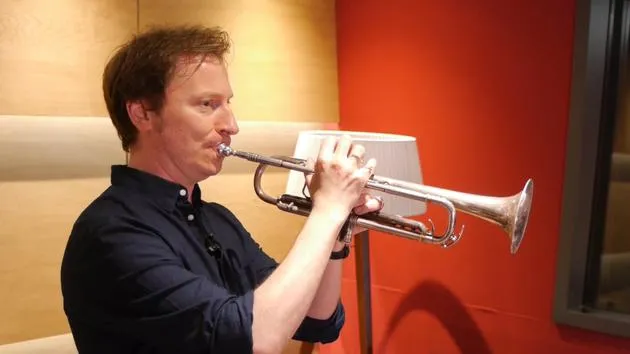
- Put the trumpet on your face.
- Take a breath through your nose.
- Play the note.
Make sure you do not put your finger down for the note until you are playing it. For example, if I'm going to play a bottom A flat, I would do it as follows, and then off. I will also practice this with a top C.
Focusing on the Bell
Another exercise relates to looking at your bell:
- This is particularly important when playing staccato exercises.
- Focusing on the center of your bell keeps the trumpet stable, especially when playing fast staccato passages.
Crescendo on Descent
We will cover how to crescendo when descending an arpeggio:
- Instead of backing off on the descent, we'll get louder.
- This practice prepares you to have more control during a descent, reducing the likelihood of crashing down and losing control.
Internal Approach to Trumpet Playing
Throughout these lessons, we will focus on the internal approach to trumpet playing, discussing:
- The development of strength and control within your mouth.
- Recognizing that each player has a different embouchure; what's happening inside your mouth is crucial, even if it's not visible.
Air Stream Control
- The trumpet is functioning best when it acts as a legato airstream machine.
- Regardless of the music style (e.g., playing short notes in a pop band), maintain a steady stream of air.
The Role of Warm-Up
An important feature of our lessons will be understanding that:
- Warming up isn't about duration; it's about the quality of what you do.
- Some warm-up exercises may not sound like music, but they are essential for getting your technique to work effectively.
Focused Warm-Up
- Be conscious of what you're trying to develop during your warm-up.
- As a professional, knowing how to warm up efficiently in limited time is crucial.
Enhancing Muscle Control
Finally, developing trumpet approach and technique should not be seen as simply "pumping iron".
- It's about developing muscle control and strength through control.
- The more familiar you become with the trumpet and your internal processes, the easier playing will become.
By following this process of development, you will become a more efficient, relaxed version of yourself as a trumpet player. Embrace this journey and enjoy the learning!
12 lecciones
1h 49m de lecciones en vídeo estructuradas
Funciones de vídeo avanzadas
Ralentiza, repite un pasaje, sigue la partitura
Móvil, tablet y ordenador
Practica donde quieras
Garantía de satisfacción 100%
30 días de garantía de devolución
Conoce a tu gurú
Conoce a tu gurú
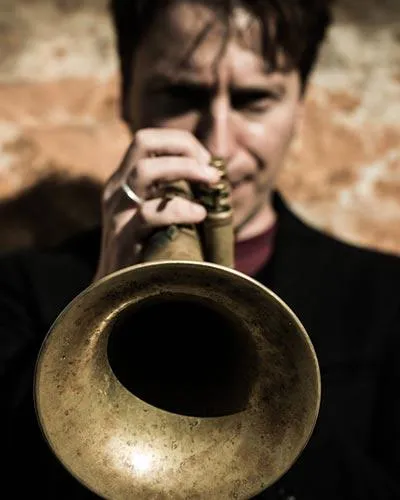
A lo largo de los últimos 25 años, Gerard Presencer se ha labrado una formidable reputación como uno de los trompetistas más respetados de la escena europea. Irrumpió en la escena internacional a los 18 años, cuando US3 le pidió que tocara la parte solista en Cantaloupe Island de Blue Note (reimaginada como Cantaloop Flip-Fantasia), que se convirtió en uno de los discos de jazz más vendidos de los años 90. Desde entonces ha actuado con un quién es quién de los artistas de jazz internacionales, y sigue exigiéndose a sí mismo y a su instrumento, saliendo de su zona de confort para desarrollarse como intérprete y compositor.
En otros géneros, Gerard ha grabado como músico de sesión con artistas como Sting, Jamiroquai, Zero 7, James Brown, Ray Charles, Joni Mitchell y Jonny Greenwood.
Gerard también ha sido un miembro esencial de los diversos grupos de jazz de Charlie Watts durante los últimos 25 años, girando por todo el mundo y publicando varios álbumes con el amante del jazz de los Stones.
Como educador, Gerard fue jefe de Estudios de Jazz en la Royal Academy of Music de Londres de 1999 a 2010, y actualmente es jefe del Departamento de Metales en el Jazz Institut de Berlín. En este curso comparte su enfoque interno para tocar la trompeta -los hábitos mentales y físicos que hay detrás de un gran sonido- para que puedas desarrollar el sonido, el control y la musicalidad desde dentro hacia fuera.







