



Ejercicio de flexibilidad rápida
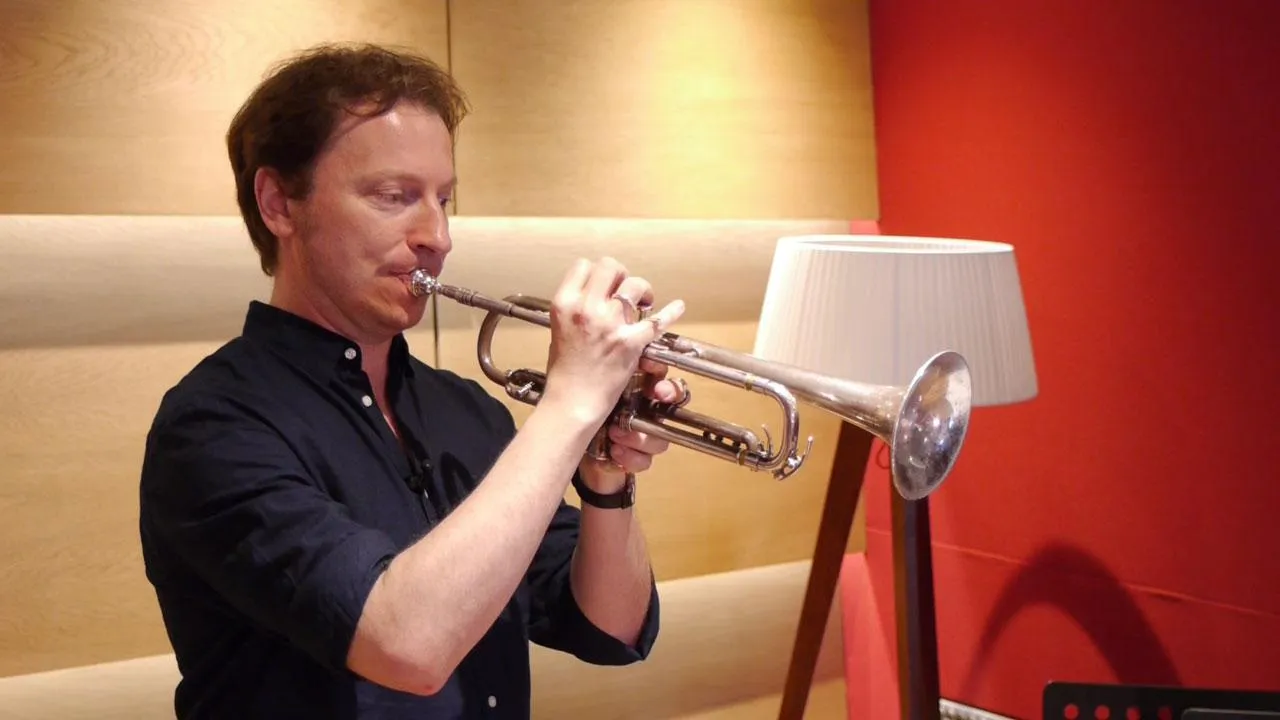
Lo importante para desarrollar y practicar un buen enfoque técnico es variar. Este ejercicio se basa en el multivitamínico y te dará la oportunidad de saltar entre registros, tocando fuerte y suave, usando legato y staccato, todo en el mismo ejercicio.
Qué incluye el curso
12 lecciones (1h 49m) · 1 gratis
Transcripción de la lección
Music Lesson: Technical Approaches
In this next exercise, we're moving on from the multivitamin in a similar vein. We feel it's important to develop a good technical approach, and practicing different techniques is crucial to that.
Mixing Techniques
- Jumping Between Registers
- Playing Loud and Soft
- Using Legato and Staccato
All these elements will be incorporated into the same exercise.
Key Concepts to Remember
-
Staccato Focus:
- When performing staccato, pay attention to the central bell part.
- This applies to legato as well.
-
Exercise Goals:
- Start by playing legato to familiarize yourself with the constant air stream and central tongue position.
- Control pitch in coordination with the speed of the air.
-
Articulation:
- Mix in short staccato.
- Define staccato using your central tongue position instead of the tip.
Remember: Legato is king! Often in pop or big band music, the single tongue is more crucial than the air.
Exercise Demonstration
-
Start playing entirely legato.
- Maintain consistent air speed and a slight crescendo on descents.
- Play at a moderate pace for better comfort.
-
Repeat the exercise.
- This time, play the descending moving arpeggios with short staccato.
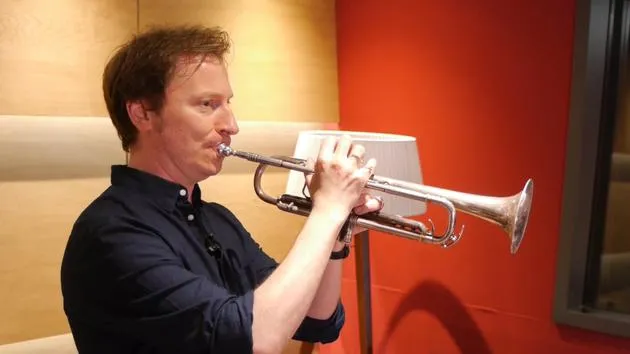
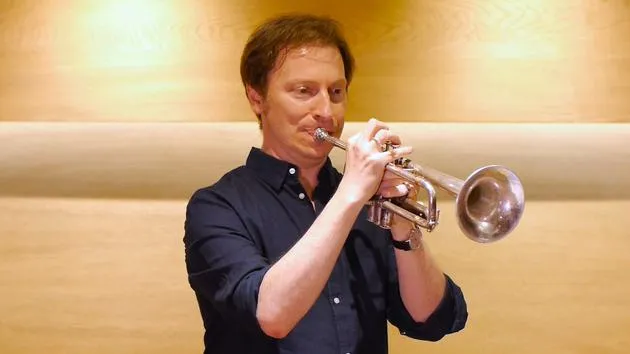
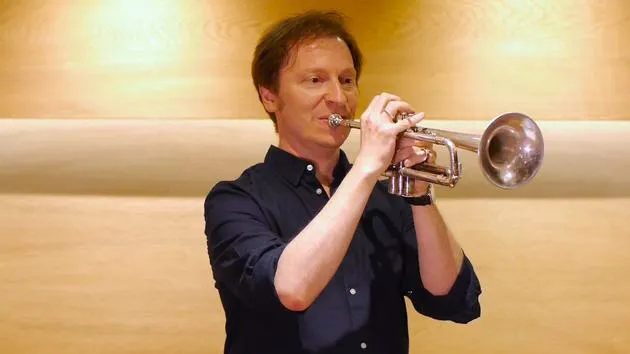
- Notice how focusing on the center of your bell aids in your playing.
-
Keeping It Light:
- If you need to take a breath, do not do so in tempo.
- It might sound in tempo but it's not, so breathe then resume as if starting anew.
Opposite Technique Application
- Play the top static C arpeggio staccato while the moving one becomes legato.
Observation:
- While doing legato on the moving arpeggio, you may need to slow down a bit on the 5:1 and descent to achieve a comfortable crescendo.
Flexibility Exercise
- Add an extra note on the top (up to an E), traveling a tenth in range.
Final Steps
-
Practice Variations:
- Continue with legato on the top and staccato on the bottom.
- Finally, try staccato at the top and legato on the bottom.
-
Troubleshooting:
- If staccatos don't come out, repeat between the C and the bottom F sharp until successful.
- Focus on airflow, keeping it short without over-tensing.
Self-Development
- These exercises are designed for you to troubleshoot your own technical development.
- Each version of the same exercise will present different issues to address.
Takeaway:
- Speed things up or slow things down as needed.
- Always remember to focus on airspeed and a fluid tongue motion.
Good luck, and start listening to yourself as I would if I were in the room with you!
12 lecciones
1h 49m de lecciones en vídeo estructuradas
Funciones de vídeo avanzadas
Ralentiza, repite un pasaje, sigue la partitura
Móvil, tablet y ordenador
Practica donde quieras
Garantía de satisfacción 100%
30 días de garantía de devolución
Conoce a tu gurú
Conoce a tu gurú
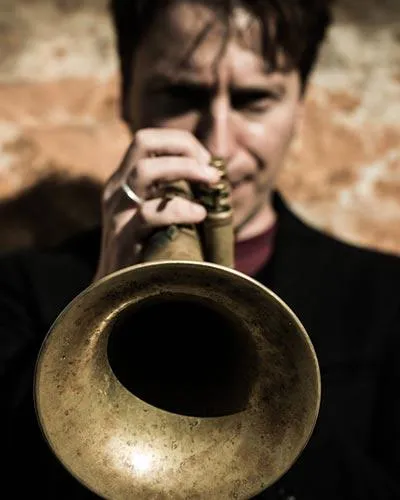
A lo largo de los últimos 25 años, Gerard Presencer se ha labrado una formidable reputación como uno de los trompetistas más respetados de la escena europea. Irrumpió en la escena internacional a los 18 años, cuando US3 le pidió que tocara la parte solista en Cantaloupe Island de Blue Note (reimaginada como Cantaloop Flip-Fantasia), que se convirtió en uno de los discos de jazz más vendidos de los años 90. Desde entonces ha actuado con un quién es quién de los artistas de jazz internacionales, y sigue exigiéndose a sí mismo y a su instrumento, saliendo de su zona de confort para desarrollarse como intérprete y compositor.
En otros géneros, Gerard ha grabado como músico de sesión con artistas como Sting, Jamiroquai, Zero 7, James Brown, Ray Charles, Joni Mitchell y Jonny Greenwood.
Gerard también ha sido un miembro esencial de los diversos grupos de jazz de Charlie Watts durante los últimos 25 años, girando por todo el mundo y publicando varios álbumes con el amante del jazz de los Stones.
Como educador, Gerard fue jefe de Estudios de Jazz en la Royal Academy of Music de Londres de 1999 a 2010, y actualmente es jefe del Departamento de Metales en el Jazz Institut de Berlín. En este curso comparte su enfoque interno para tocar la trompeta -los hábitos mentales y físicos que hay detrás de un gran sonido- para que puedas desarrollar el sonido, el control y la musicalidad desde dentro hacia fuera.







