



Ejercicios extra
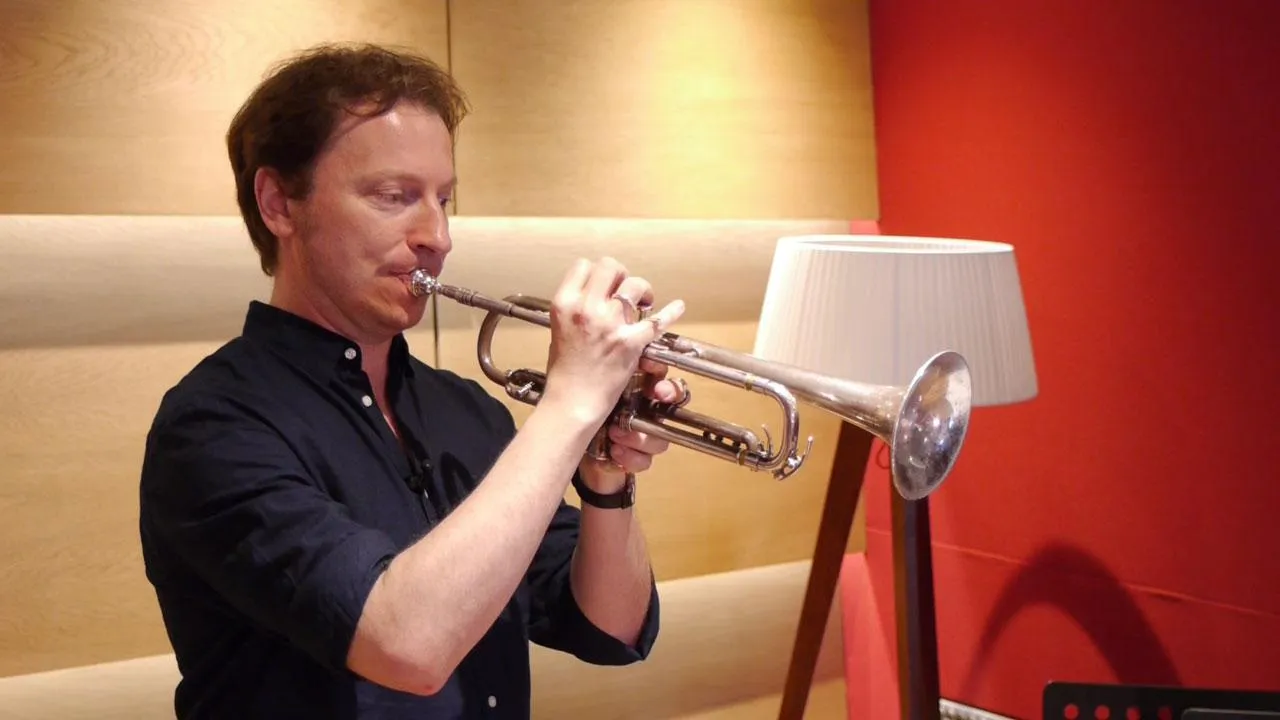
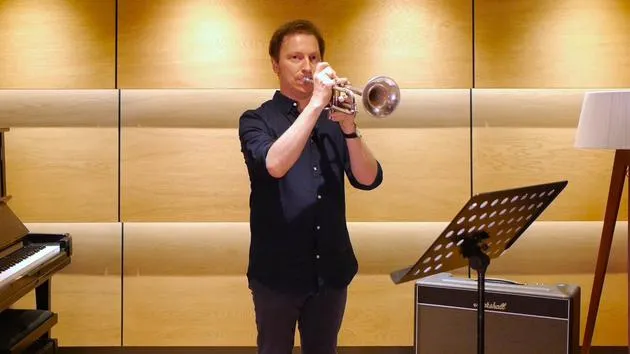
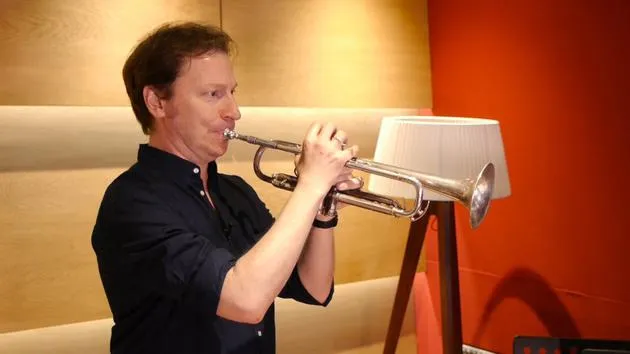
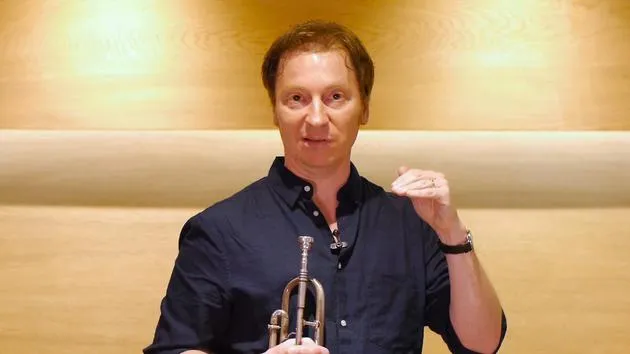
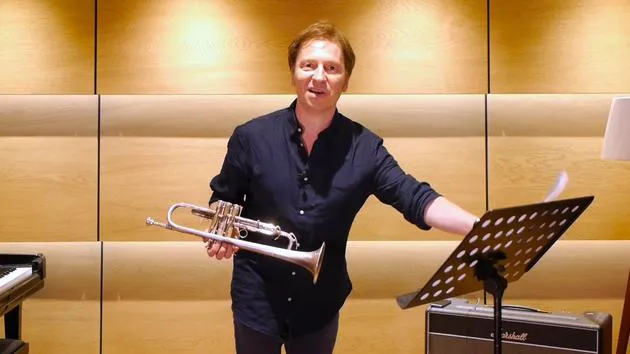
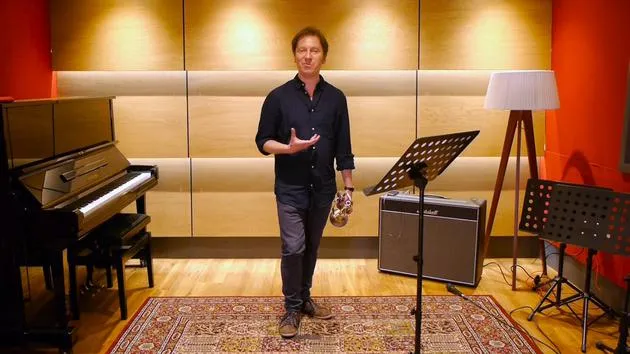
Gerard Presencer comparte dos breves ejercicios de calentamiento para reorientar el flujo de aire, abrir la apertura de la embocadura y encontrar una posición central de la lengua.
Qué incluye el curso
12 lecciones (1h 49m) · 1 gratis
01. Ejercicios extra
Estás aquí4:57
Transcripción de la lección
Airstream and Embouchure Exercises
I now have two small exercises for you. Neither of them are designed to sound particularly nice, but they should help you to:
- Focus again on your Airstream
- Open the aperture of your embouchure
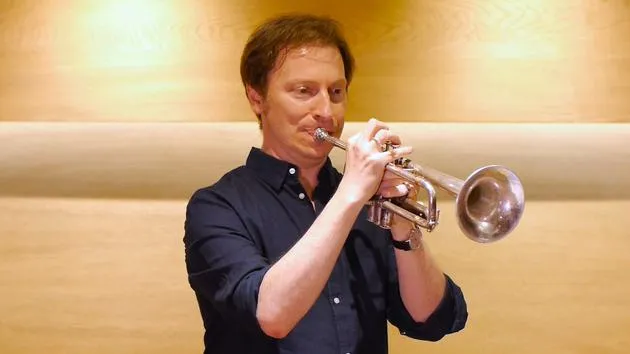
Exercise 1: Central Tongue Position and Airstream Control
These exercises can help create a sense of airflow and also allow you to feel the central tongue position and where it is.
-
Lead Pipe Variation:
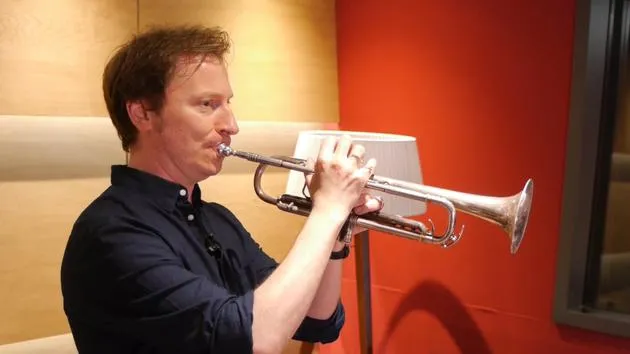
- This exercise is similar to the lead pipe exercise I showed you from Bill Adam, but this time, I don't take my lead pipe out.
- I often use this in between tunes. If I'm rehearsing with a band and want to regain my Airstream control and awareness of my tongue, I do the following:
- Put the 1, 2, and 3 valves halfway down.
- Blow a note.
This helps you feel good about your tone.
-
Feeling Faster Air:
-
To really feel the central tongue position, I play with a bit faster air, especially when thinking about playing higher or louder.
-
Repeat the previous exercise but focus on playing a little faster or even with very fast air.
-
Key Insight: When you push your tongue further forward in the airflow with faster air, it might feel a bit more buzzy around your mouth. It may not sound as nice as when played quieter, but it's important to feel the tongue position moving forward in the central air position.
-
-
Tongue Movement:
-
Additionally, I practice moving my tongue back and forth in the central tongue position within the Airstream.
-
This will produce a sound that is almost like a didgeridoo.
-
Important Note: Your Airstream isn't speeding up; it remains at the same speed, but the tongue movement alters the sound quality. Try to maintain the same pitch throughout.
-
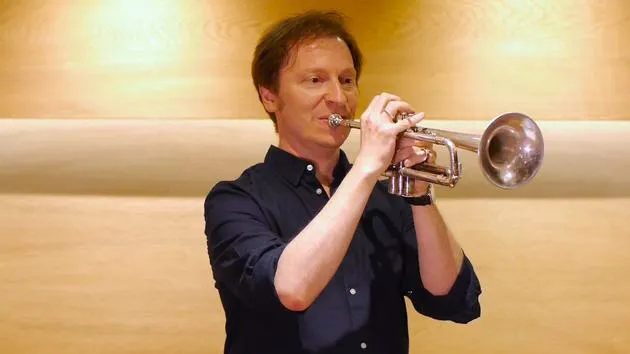
Exercise 2: Chops Relaxer and Aperture Opening
The second exercise is similar to the chops relaxer. I often do it when I want to relax, loosen up, and get my lips vibrating a bit while opening the aperture.
-
Playing Legato:
-
Play from bottom F sharp up to C and back down again, legato, at about mezzo forte.
-
Technique: Stay on the F sharp throughout, which means that for every note I play, I must adjust something in my mouth. This includes:
- The central tongue position
- My Airstream position on my embouchure
-
Perform this nice and slowly. I will be doing it a little faster for the sake of demonstration, as I am more familiar with the positions inside my mouth.
-
-
Crescendo and Decrescendo:
-
On the penultimate note, when I play the fingering for G while maintaining the F sharp, I actually crescendo a little more.
-
Benefit: This technique allows me to hit the note more in the middle than I would if the crescendo wasn't applied. Without it, you might find that the F hits too low.
-
-
Final Note Technique:
- When I hit the F sharp on the correct fingering at the end, I perform a decrescendo and hold the note for as long as I can, challenging myself to play it as quietly as possible.
- If the note cuts out, I suggest:
- If there's some air left, try to get back to the F sharp and start decrescendoing again.
Good luck with those!
12 lecciones
1h 49m de lecciones en vídeo estructuradas
Funciones de vídeo avanzadas
Ralentiza, repite un pasaje, sigue la partitura
Móvil, tablet y ordenador
Practica donde quieras
Garantía de satisfacción 100%
30 días de garantía de devolución
Conoce a tu gurú
Conoce a tu gurú
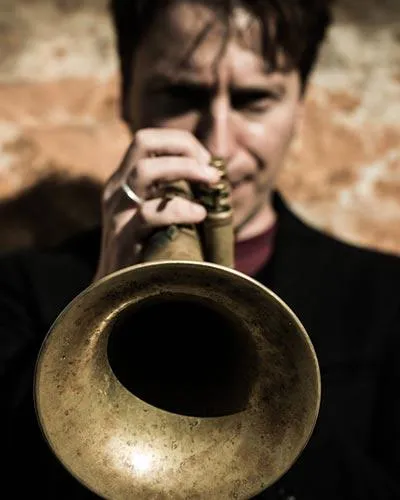
A lo largo de los últimos 25 años, Gerard Presencer se ha labrado una formidable reputación como uno de los trompetistas más respetados de la escena europea. Irrumpió en la escena internacional a los 18 años, cuando US3 le pidió que tocara la parte solista en Cantaloupe Island de Blue Note (reimaginada como Cantaloop Flip-Fantasia), que se convirtió en uno de los discos de jazz más vendidos de los años 90. Desde entonces ha actuado con un quién es quién de los artistas de jazz internacionales, y sigue exigiéndose a sí mismo y a su instrumento, saliendo de su zona de confort para desarrollarse como intérprete y compositor.
En otros géneros, Gerard ha grabado como músico de sesión con artistas como Sting, Jamiroquai, Zero 7, James Brown, Ray Charles, Joni Mitchell y Jonny Greenwood.
Gerard también ha sido un miembro esencial de los diversos grupos de jazz de Charlie Watts durante los últimos 25 años, girando por todo el mundo y publicando varios álbumes con el amante del jazz de los Stones.
Como educador, Gerard fue jefe de Estudios de Jazz en la Royal Academy of Music de Londres de 1999 a 2010, y actualmente es jefe del Departamento de Metales en el Jazz Institut de Berlín. En este curso comparte su enfoque interno para tocar la trompeta -los hábitos mentales y físicos que hay detrás de un gran sonido- para que puedas desarrollar el sonido, el control y la musicalidad desde dentro hacia fuera.







