



Dinámica y rides de fader
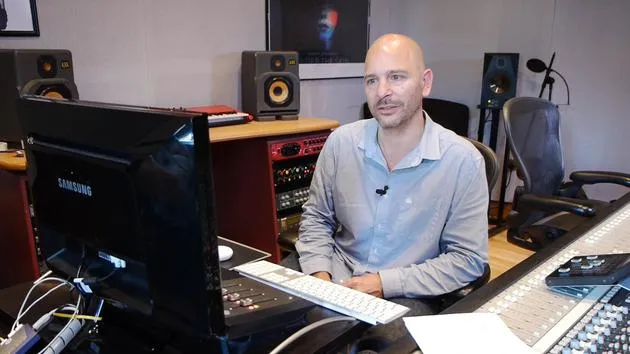
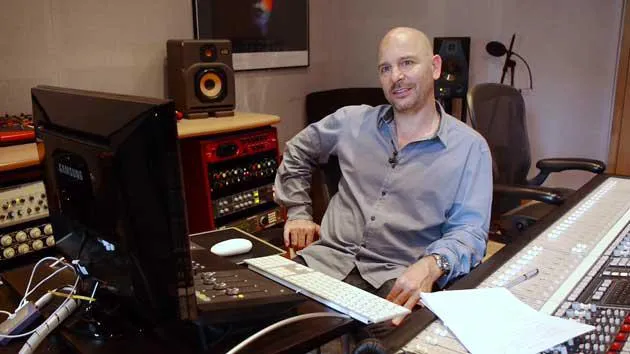
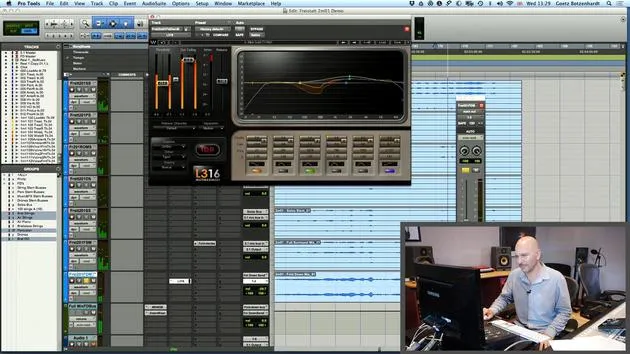
Goetz Botzenhardt moldea la dinámica de una escena de película con rides de fader, creando el contraste entre los momentos tranquilos y los grandes crescendos orquestales.
Qué incluye el curso
16 lecciones (1h 36m) · 1 gratis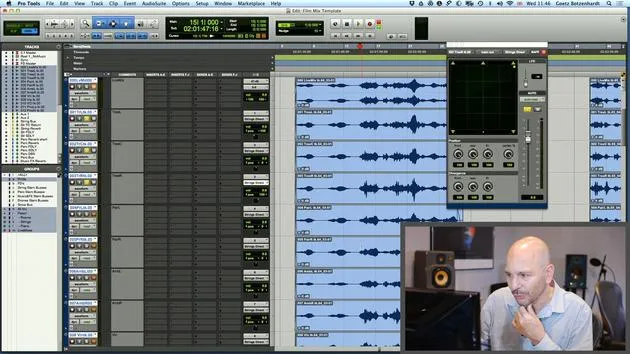
01. Cómo usar a la vez imágenes de película y audio en Pro Tools
19:52
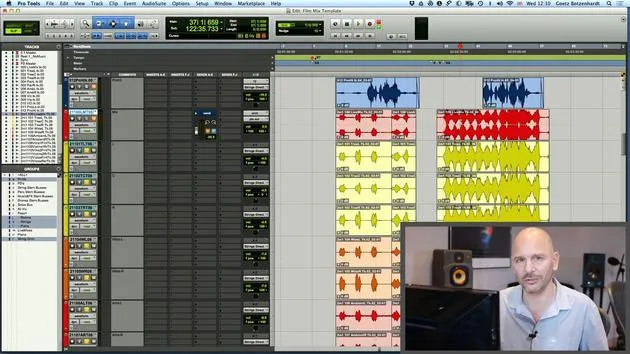
02. Importar una grabación orquestal - conceptos clave
8:10
03. Stems y reverb
8:51
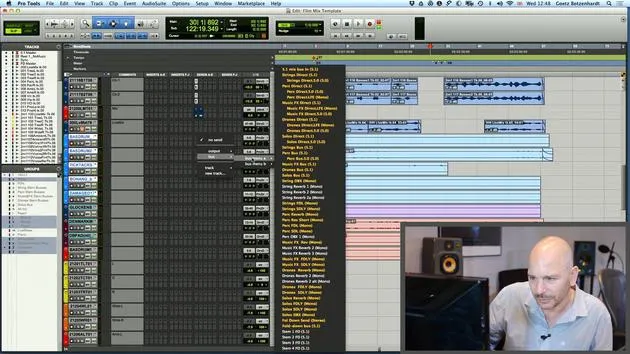
04. Añadir más partes a la mezcla: elementos percusivos
4:33
05. El proceso de mezcla
6:35
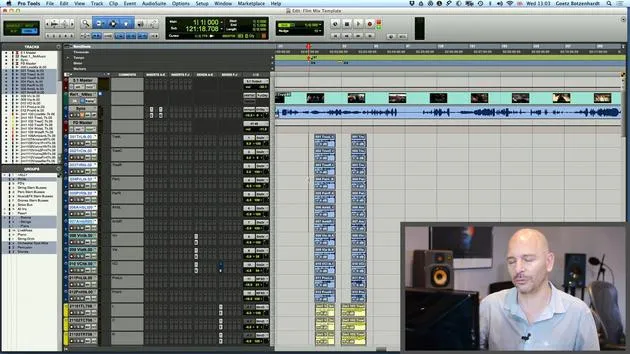
06. Dinámica y rides de fader
Estás aquí3:08
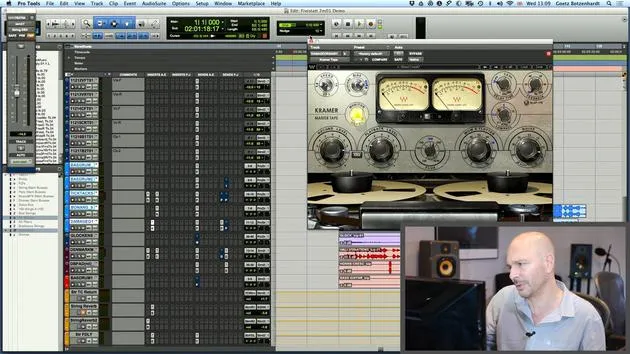
07. Repaso de todo el trabajo de mezcla de Goetz en esta banda sonora
5:02
08. TAREA #2: CREA UNA MEZCLA
0:40
09. DESAFÍO #1: MEZCLA PARA CINE
0:55
Transcripción de la lección
Understanding Dynamics in Film Music
Okay, so our next chapter, or the next thing I want to look at, is the dynamics of each piece. Because in film, dynamics are massively important.
The Importance of Dynamics
There are two primary reasons for this:
- Contrast in Sound: In film music, you can have something that's really quiet, like just one violin, and then all of a sudden, the whole orchestra comes crashing in, or there's a big bang.
- Emotional Impact: You really need a lot of light and shade in your mixes. Unlike mixing a pop record, which is basically all at the same level and always playing pretty much as loud as possible, film music requires dynamics.
The music plays a crucial role for the director to:
- Shake things up
- Stir certain emotions
- Take you on the roller coaster ride that is watching a film
You can do a lot of riding and really work the dynamics to shape them till they rise. While the players will do them to an extent, there's only so much they can do.
Tips for Mixing Dynamics
-
Spend Time on Dynamics: It's essential to spend time getting the dynamics right and riding the faders. You have to listen to what goes on and adjust accordingly.
-
Play the Cue While Mixing: When it comes to dynamics, always play the cue while you mix it. Not all the time, of course; get it sounding good, but also make sure to play it with the sync.
-
Avoid Conflicts: Ensure that when somebody's speaking or when there's something happening on the soundtrack, the music doesn't clash with it.
Incorporate Music Thoughtfully
- Bring in elements of music when there's space for them.
- When there's no space, just fade them back, shaping it around the sync track, dialogue, and sound effects.
This is quite important because otherwise, they're just going to turn everything down in the dub. They will likely reduce the music volume if it doesn't fit around the other elements.
Final Note
From our perspective, we always want the music to be as loud as possible in the film. So, we need to help the dubbing engineer by shaping our mix around everything else that goes on.
Very, very important, this is a key aspect of mixing for film, so get your head around it!
16 lecciones
1h 36m de lecciones en vídeo estructuradas
Funciones de vídeo avanzadas
Ralentiza, repite un pasaje, sigue la partitura
Móvil, tablet y ordenador
Practica donde quieras
Garantía de satisfacción 100%
30 días de garantía de devolución
Conoce a tu gurú
Conoce a tu gurú
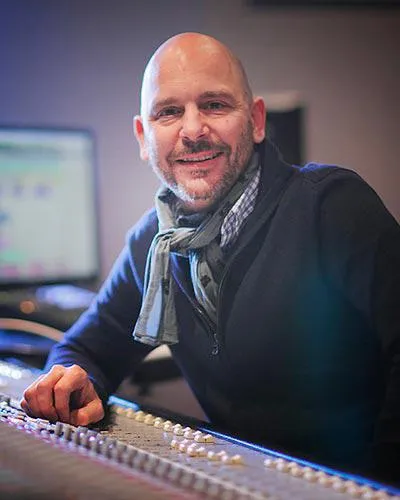
A principios de los años noventa, Goetz Botzenhardt se formó en los Swanyard Recording Studios, asistiendo a productores de primer nivel como Flood, Alan Moulder y Tom Lord-Alge, y se curtió grabando y mezclando a las bandas de dance y acid jazz de los 90: Incognito, Galliano, Soul II Soul y muchas otras.
En Swanyard conoció a Rollo Armstrong y ambos formaron rápidamente una asociación creativa que dio lugar a muchos grandes discos de dance y remezclas y, poco después, a la grabación y mezcla de los dos primeros y aclamados álbumes de Faithless y del multiplatino 'No Angel' de Dido.
Moviéndose entre géneros, grabó y mezcló el álbum debut de las Sugababes, 'One Touch', incluido su primer éxito 'Overload', y ha mezclado para The Cardigans, Bjork, The Cinematic Orchestra, Craig David, los Pet Shop Boys e Hikaru Utada, una de las artistas de más éxito de Japón.
Más recientemente ha ampliado su trabajo al cine y la televisión, colaborando ampliamente con los compositores Christian Henson, Martin Phipps y Anne Nikitin, y mezclando la banda sonora de Daniel Pemberton, nominada a los Globos de Oro, para 'Steve Jobs', dirigida por Danny Boyle. Al margen del cine, produjo 'Closer to the People' de Tanita Tikaram, mezcló temas para Sigala, Ella Eyre, Breton, Planet Funk y Tito Jackson, y en 2016 mezcló el álbum de Peabo Bryson con Jimmy Jam y Terry Lewis. Una lista completa de su trabajo está en sus páginas de discografía y filmografía en goetz-botzenhardt.com.
Goetz trabaja desde su propio estudio y sala de mezcla, construidos en torno a una consola SSL E4044, monitorización surround Adam 5.1, un sistema Pro Tools HDX de 48 canales y equipo outboard selecto. En sus cursos te lleva al interior de esa sala para mostrar cómo mezcla en dos mundos muy distintos: en Mixing for Film & TV Score, cómo equilibra y da forma a bandas sonoras orquestales e híbridas al servicio de la imagen; y en Mixing Commercial Pop Music, cómo construye mezclas de pop contundentes y listas para la radio desde la multipista.







