



Forma e introducción - Octavas de Professor Longhair
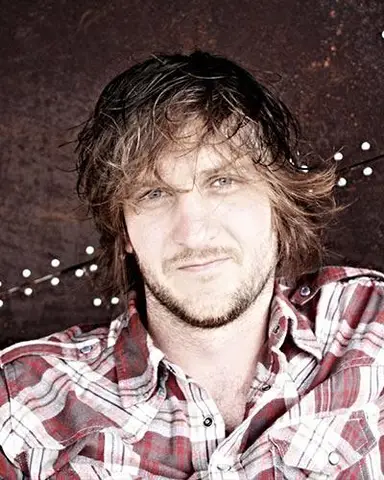
Lesson time: (4min 45sec)
Paddy Milner recorre la forma de ocho compases de Tipitina y la figura de introducción con octavas rodadas que hizo famosa Professor Longhair.
Course preview
This lesson is part of the course Toca auténtico piano de Nueva Orleans
Watch a preview of the full course below.
Lesson transcript:
Breakdown of Tipertina Lesson
So let's break down what I was doing there.
Form of the Song
First of all, Tipertina is an eight-bar form. It's not a kind of 12-bar form, which you might be more familiar with in classic blues repertoire.
- You can hear the chords as follows:
- Two bars of F
- Two bars of Bb
- One bar of F
- One bar of C
- Turnaround over two bars, normally F to C
So, you know, it's a very simple form. But there's a lot that can be done with it, especially in terms of feel and groove.
Introduction Techniques
Let's take it back to the start and look at the introduction that I played there, which is very much a Professor Longhair kind of thing.
I used to do this thing with octaves, it's a very nice little technique to get down. Essentially, it involves playing those in octaves.
He used to kind of do a chromatic thing, outlining the chords.
Analyzing the Intro
For the intro, the first chord in the sequence is F:
- It's kind of outlining that seventh with a passing tone of the E, which you might remember from our look at Junco Partner as something James Booker did.
- There's a New Orleans vibe to going down to that seventh via the major seven.
Rather than just that kind of sound, you could go via the chord we looked at in Junco Partner.
In the intro to Tipertina, Professor lands on the third bar, which is the Bb, landing on the third with a little arpeggio. You could do that however you like.
Horn Call Line
Then there's this line, which is very central to the tune, a kind of horn call.
- You could definitely hear that on trumpet; you might even hear Louis Armstrong playing that.
- There's more outlining of the chords to the five, followed by a little line that Professor Longhair uses in Mess Around.
I think that goes back to some old piano styles and concept to lead you back to the chord one, to begin the tune.
Wrapping Up the Intro
So essentially, the whole intro uses those octaves as the main idea, outlining the chords of the sequence.
- The intro leads into the tune, it's a very distinctive thing.
I'm sliding off the Bb to the B, which is a classic Professor Longhair idea. I guess he got this from people like Jelly Roll Morton, who also used those runs in that context.
It's more of a stridey thing, but still very much in the New Orleans way.
So there's that little intro, which I'll look at later because he uses it a lot in the turnarounds.
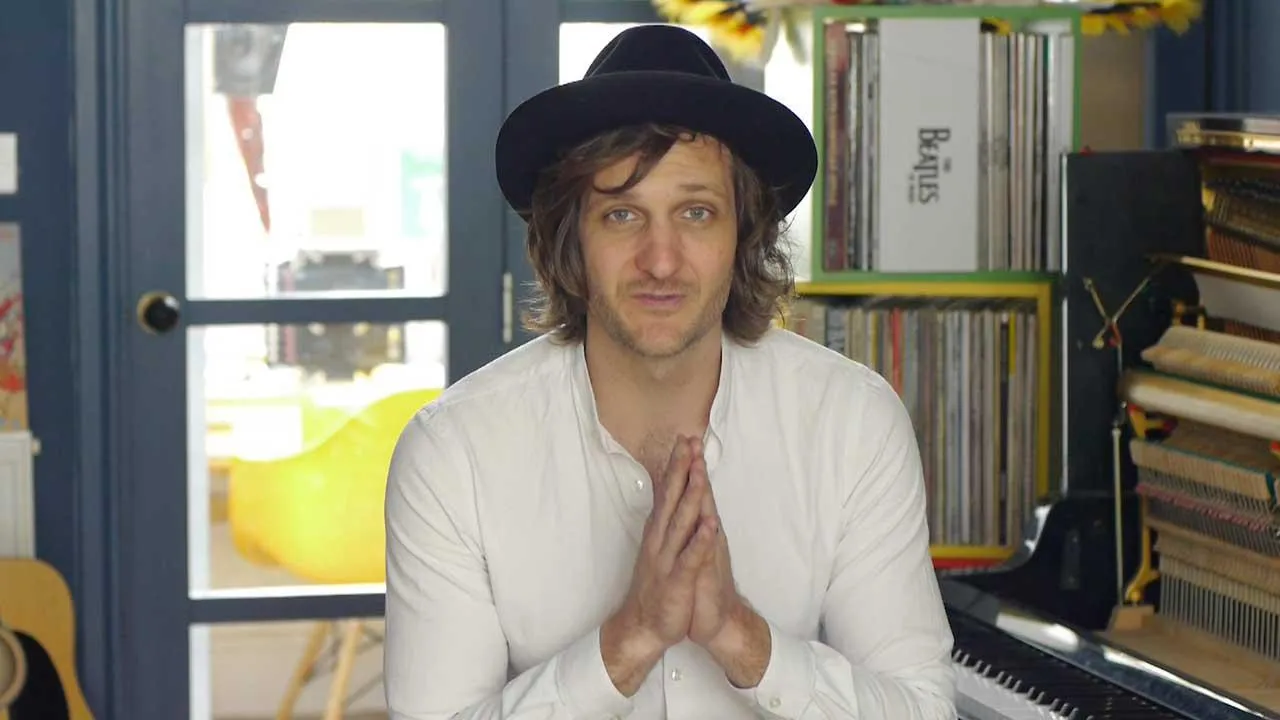
About the instructor
Paddy Milner está reconocido como uno de los mejores pianistas de blues del mundo: actualmente es el teclista de confianza de Sir Tom Jones, tras varios años con el gran y ya desaparecido Jack Bruce, pero también es un magnífico compositor original y un cantante con personalidad propia. ¡Basta con leer los elogios de figuras como Dave Brubeck que aparecen más abajo! Su forma de tocar apareció en la banda sonora de la exitosa película de 2019 'Rocketman'. Ha ganado dos veces el premio al Mejor teclista en los British Blues Awards, y mantiene una residencia de larga trayectoria como miembro fundador de la Ronnie Scott's Blues Explosion en el mundialmente famoso club Ronnie Scott's. Su grupo actual LONDONOLA toca música británica de cosecha propia con una buena dosis de espíritu de Nueva Orleans, y su grupo colaborativo JAWBONE va de fuerza en fuerza tras la publicación de su álbum de debut homónimo. "Me encanta... hay un tipo que sabe tocar de verdad el piano" - Dave Brubeck "Lo recomiendo encarecidamente. ¡De algún modo las cosas empiezan a sentirse mucho mejor!" - Jack Bruce "El mejor pianista de blues de Europa..." - Blues Access, EE. UU. "Impresionante y original" - The Times "Deslumbrante" - The Independent A lo largo de sus cursos, Paddy desglosa el auténtico shuffle de blues, el slow blues, el boogie-woogie, el rock 'n' roll y el piano de Nueva Orleans -incluidas tres canciones clásicas de boogie-woogie- para que aprendas estos estilos de uno de los mejores del oficio. read more