



Mano izquierda
Lesson time: (11min 46sec)
La mano izquierda de Junco Partner se basa en un típico patrón de fundamental y quinta, que se aproxima a la línea de un sousafón en una banda de marcha. Paddy explica cómo pianistas como Jelly Roll Morton y James Booker la animaban con anticipaciones que provienen de influencias caribeñas. La mano izquierda acaba haciendo las veces de toda la sección rítmica de una banda de marcha, con el sousafón combinado con el bombo y la caja.
Course preview
This lesson is part of the course Toca auténtico piano de Nueva Orleans
Watch a preview of the full course below.
Lesson transcript:
Exploring the Left Hand Techniques
Let's start by looking at the left hand. What was I doing there? Essentially, I was outlining what is a kind of standard New Orleans thing to do:
- The root and fifth, maybe with some accents.
- We're talking about Caribbean influences and those anticipations.
This technique serves as a traditional kind of bass line that you might imagine a sousaphone playing in a marching band.
James Booker Influence
What I've done there, which is kind of based on a James Booker left hand, is:
- Filled that out with a left hand that functions almost like a combination of:
- Bass drum
- Kick drum
- Snare drum
The pattern resembles:
- Bass drum, snare drum, bass drum, snare drum.
Along with that, I've included a little left-hand line. So it could sound like this:
"Anticipations, which for me, directly come from the Jelly Roll Morton left hand patterns."
You can hear throughout Booker's music a significant Jelly Roll influence.
Chord Progressions
Moving up to the IV chord, the same pattern with the leading note remains:
- Back up to the G stays on G.
- Leading up to that D: 3, 4, 1, 2, 3, 4.
Again, we have those broken octaves anticipating the beats, which is very much a Jelly Roll technique:
- "3, 4, 1, 2."
The same thing applies to the V chord:
- This creates a heavy left hand with three things happening at once:
- Bass drum pattern
- Snare drum
- A little sousaphone part, a bass line.
Complex Bass Lines
Another technique used by Booker in Junko Partner involves a similar concept with a slightly different bass line:
- The bass line is quite complex here.
Practice Tips
When you're practicing, start slowly:
- Get it to a point where you're comfortable, even at a very slow tempo.
- Work out note by note what that is, then gradually increase the tempo until you reach full speed.
- Practice on the different chords.
Chord Transitions
There are ways to transition from Chord I to Chord IV:
- You could approach it with a leading line, something like this: 3, 4.
The bass line is doing something similar while maintaining that pattern.
- When returning to Chord I, consider doing something creative:
- Instead of going straight to Chord V, you can use a second inversion in the bass.
This makes the left hand interesting:
- It combines harmonic and rhythmic elements, driving the piece forward.
Jelly Roll Morton's Influence
This style resonates with what Jelly Roll Morton said about his piano playing. He wanted it to sound like a whole band, fulfilling the roles of the rhythm section by:
- Playing both bass lines and rhythmic parts.
- Adding little lines that could represent other instruments, like a trombone.
In the right hand, you'll have different elements:
- Imagine polyphonic lines, like a clarinet and a trumpet, playing together.
Summary of Left Hand Techniques
Throughout all of Morton's work, there's a complexity in the left hand. In Booker's style, you'll notice:
- Anticipatory runs leading up to different chords.
- Those unique accented runs which are a hallmark of New Orleans music.
"3, 4, 1" again emphasizes those anticipations in the left hand.
Additionally, pay attention to the rolls in the left hand that mimic a snare drum roll, something distinctly characteristic of New Orleans music.
This left-hand technique is valuable! If you can stretch to play those tones, it can sound quite nice.
Next, let's look at some other things I was doing with the right hand.
About the instructor
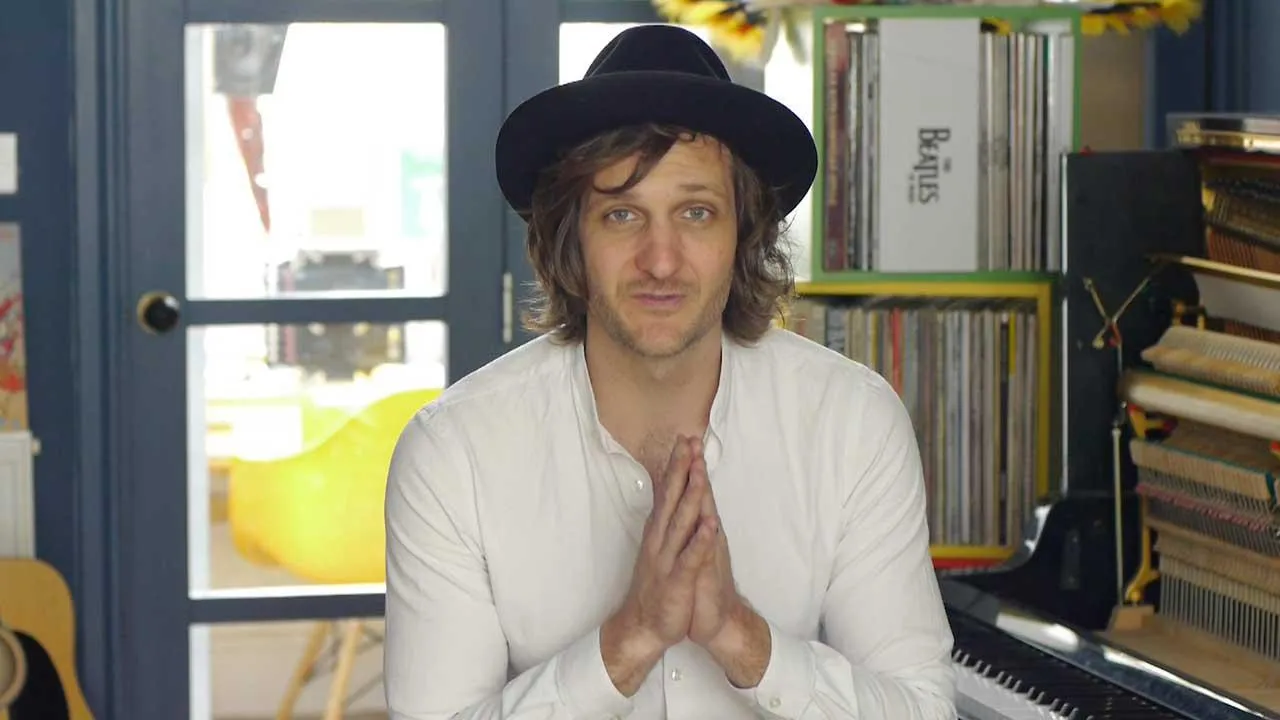
Paddy Milner está reconocido como uno de los mejores pianistas de blues del mundo: actualmente es el teclista de confianza de Sir Tom Jones, tras varios años con el gran y ya desaparecido Jack Bruce, pero también es un magnífico compositor original y un cantante con personalidad propia. ¡Basta con leer los elogios de figuras como Dave Brubeck que aparecen más abajo! Su forma de tocar apareció en la banda sonora de la exitosa película de 2019 'Rocketman'. Ha ganado dos veces el premio al Mejor teclista en los British Blues Awards, y mantiene una residencia de larga trayectoria como miembro fundador de la Ronnie Scott's Blues Explosion en el mundialmente famoso club Ronnie Scott's. Su grupo actual LONDONOLA toca música británica de cosecha propia con una buena dosis de espíritu de Nueva Orleans, y su grupo colaborativo JAWBONE va de fuerza en fuerza tras la publicación de su álbum de debut homónimo. "Me encanta... hay un tipo que sabe tocar de verdad el piano" - Dave Brubeck "Lo recomiendo encarecidamente. ¡De algún modo las cosas empiezan a sentirse mucho mejor!" - Jack Bruce "El mejor pianista de blues de Europa..." - Blues Access, EE. UU. "Impresionante y original" - The Times "Deslumbrante" - The Independent A lo largo de sus cursos, Paddy desglosa el auténtico shuffle de blues, el slow blues, el boogie-woogie, el rock 'n' roll y el piano de Nueva Orleans -incluidas tres canciones clásicas de boogie-woogie- para que aprendas estos estilos de uno de los mejores del oficio. read more