



Raíces rítmicas de Nueva Orleans
Lesson time: (3min 59sec)
Paddy demuestra algunos de los ritmos que sustentan la música de Nueva Orleans, explicando su origen y su feel.
Course preview
This lesson is part of the course Toca auténtico piano de Nueva Orleans
Watch a preview of the full course below.
Lesson transcript:
Understanding the Tango Rhythm
There was this kind of particular rhythm that was called tango at the time, which is kind of related to the modern tango you hear in Argentina, but not a direct link.
It had this kind of rhythm rather than a straight kind of pulse. The rhythm can be described as:
- Dunk, dung, dunk, dunk, dunk, dun, dun, dun, dun.
So you hear this kind of stress on the two and a continuation of dun, dun, dun, dun, dun. This rhythm proliferated throughout the Caribbean and certainly made its way to New Orleans. From that, a beautifully rich tapestry of rhythmic styles developed.
Rhythmic Variations
You've got:
- The straight-up tango rhythm.
- The very Cuban sound, the son montuno, which might sound something like this:
This style has that one, two count with:
- A stress on the two.
- An accent that also crosses the bar line, landing on beat four of the second bar with the bass.
New Orleans Influence
This accent on beat four of the second bar is extremely prevalent in New Orleans music. If you imagine a street beat going on, you hear this stress:
- One, two.
The stress on beat four of the second bar is very common in New Orleans music too.
Example: The Meters
If you look at the song "I Just Kissed My Baby" by The Meters, the riff is based on this very idea. It has a:
- Three, four meter with a very distinctive riff.
If you're not familiar with that tune, do check it out!
Characteristics of the Riff
-
It pushes beat four of the second bar.
-
There's also a downbeat as well, which adds:
-
One, two.
-
There is a strong accent on beat four, along with the downbeat.
This combination is definitely influenced by Afro-Cuban and Caribbean rhythms, showcasing how these styles interplay in music.
About the instructor
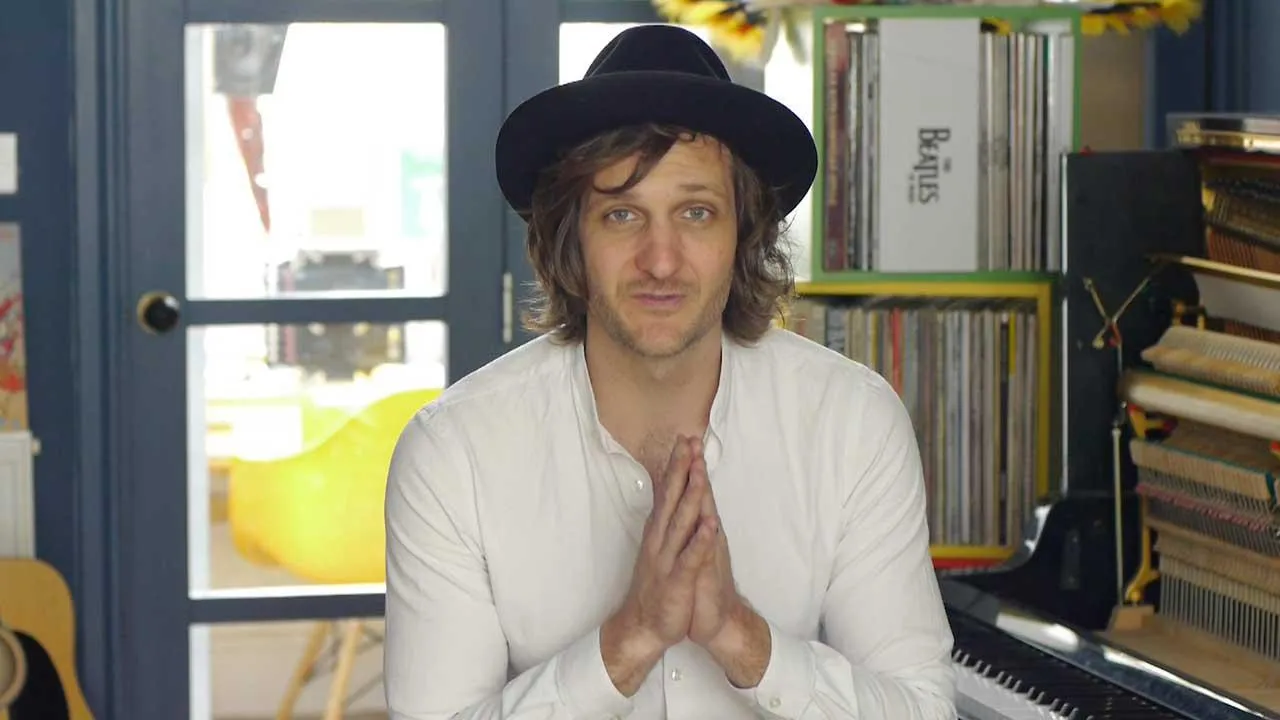
Paddy Milner está reconocido como uno de los mejores pianistas de blues del mundo: actualmente es el teclista de confianza de Sir Tom Jones, tras varios años con el gran y ya desaparecido Jack Bruce, pero también es un magnífico compositor original y un cantante con personalidad propia. ¡Basta con leer los elogios de figuras como Dave Brubeck que aparecen más abajo! Su forma de tocar apareció en la banda sonora de la exitosa película de 2019 'Rocketman'. Ha ganado dos veces el premio al Mejor teclista en los British Blues Awards, y mantiene una residencia de larga trayectoria como miembro fundador de la Ronnie Scott's Blues Explosion en el mundialmente famoso club Ronnie Scott's. Su grupo actual LONDONOLA toca música británica de cosecha propia con una buena dosis de espíritu de Nueva Orleans, y su grupo colaborativo JAWBONE va de fuerza en fuerza tras la publicación de su álbum de debut homónimo. "Me encanta... hay un tipo que sabe tocar de verdad el piano" - Dave Brubeck "Lo recomiendo encarecidamente. ¡De algún modo las cosas empiezan a sentirse mucho mejor!" - Jack Bruce "El mejor pianista de blues de Europa..." - Blues Access, EE. UU. "Impresionante y original" - The Times "Deslumbrante" - The Independent A lo largo de sus cursos, Paddy desglosa el auténtico shuffle de blues, el slow blues, el boogie-woogie, el rock 'n' roll y el piano de Nueva Orleans -incluidas tres canciones clásicas de boogie-woogie- para que aprendas estos estilos de uno de los mejores del oficio. read more