



Forma y feel
Con
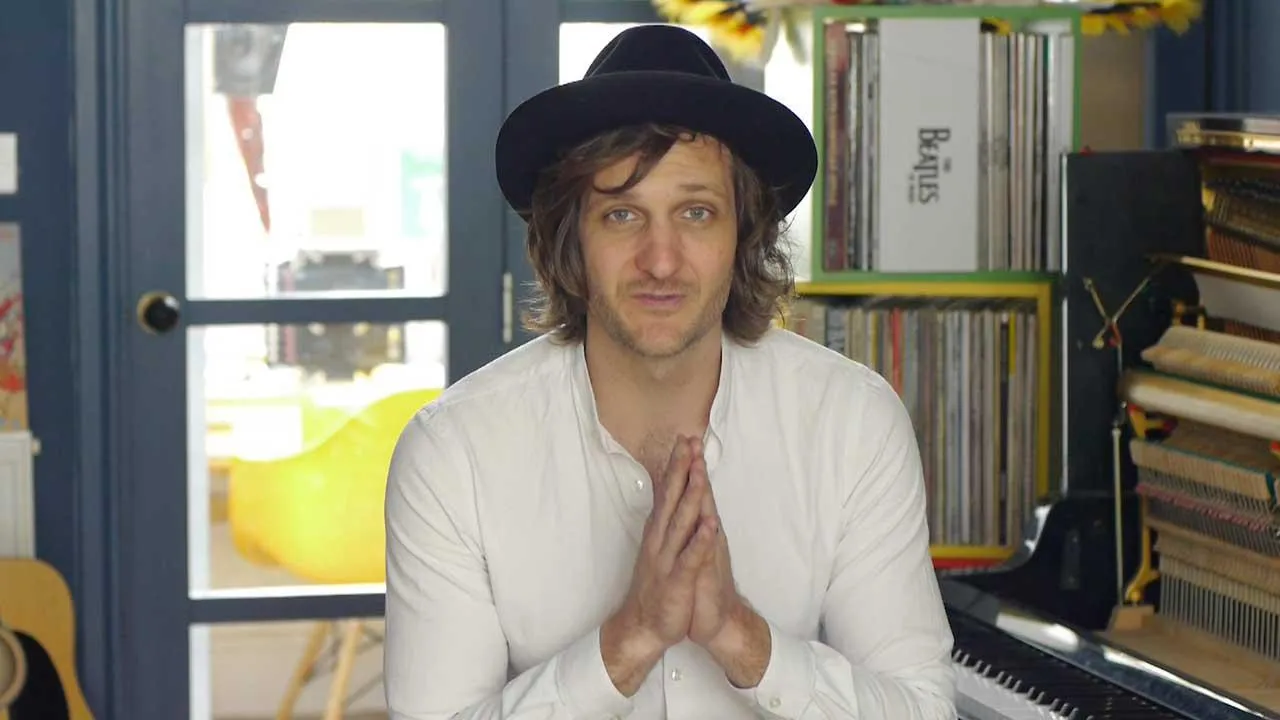
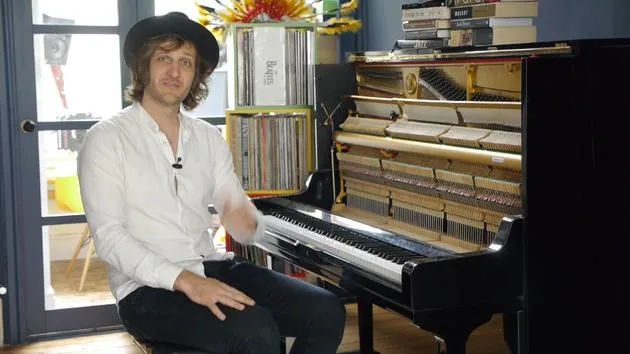
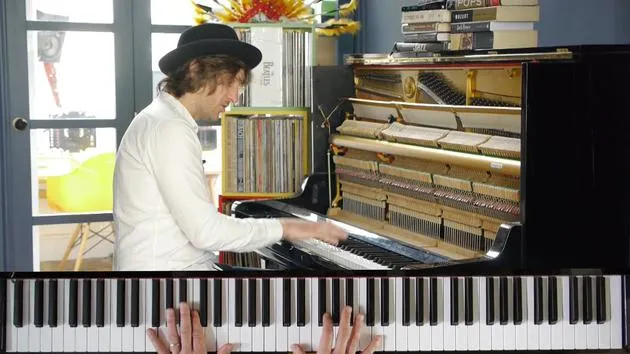
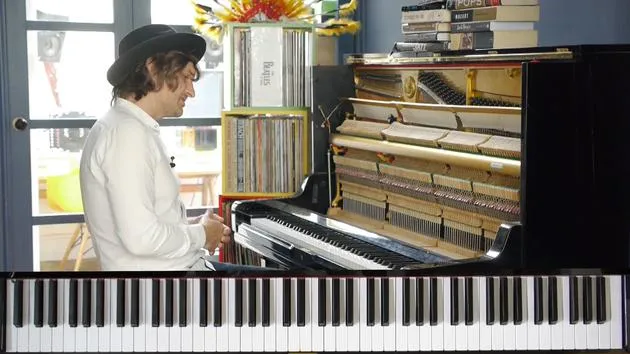
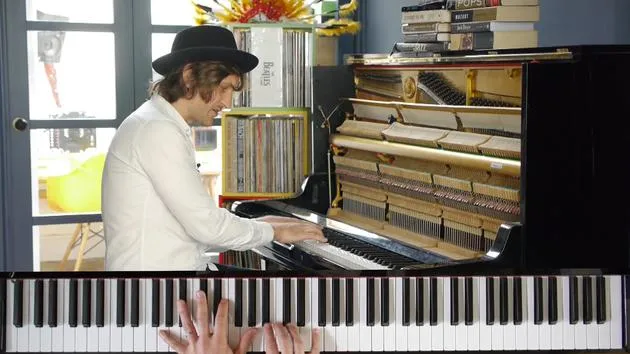
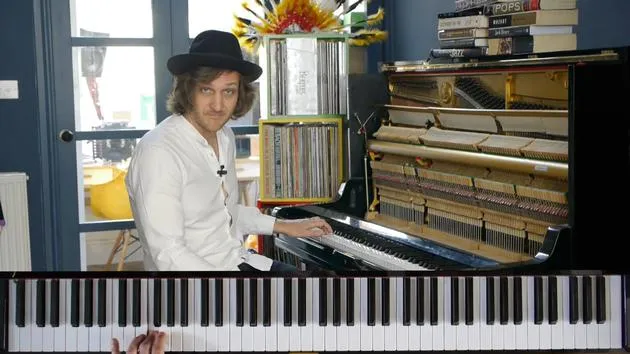
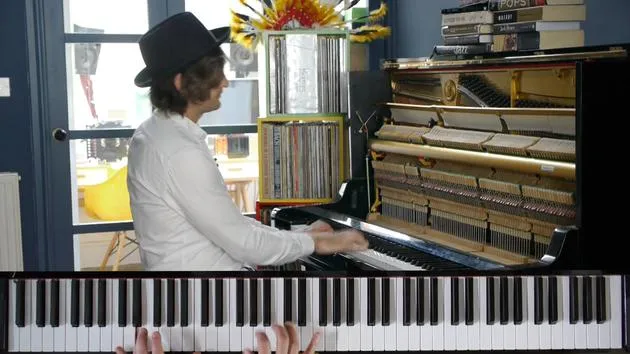
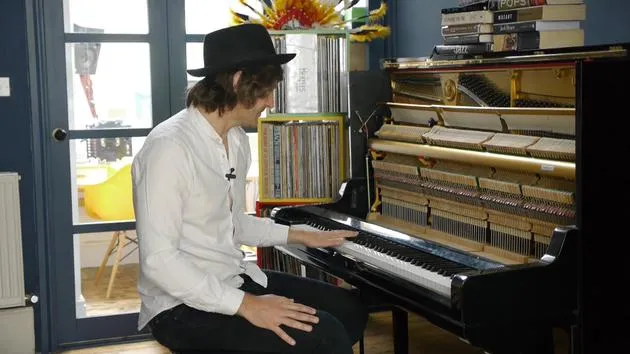
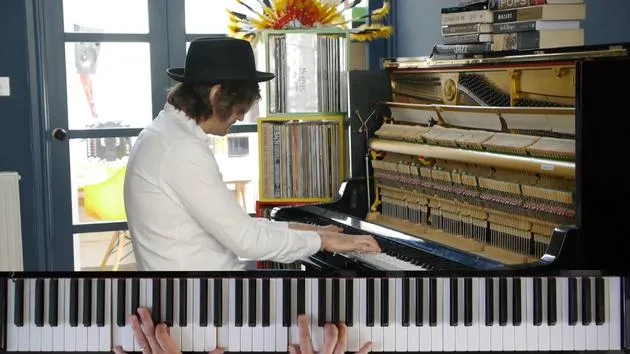
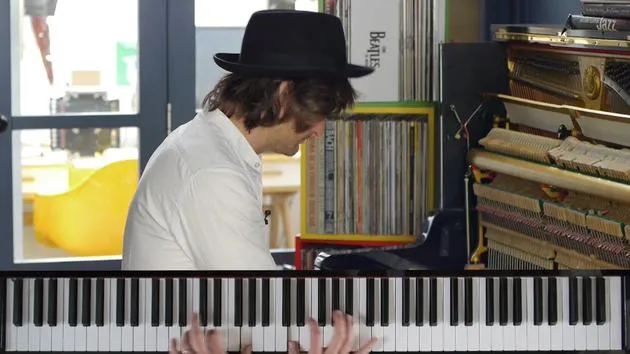
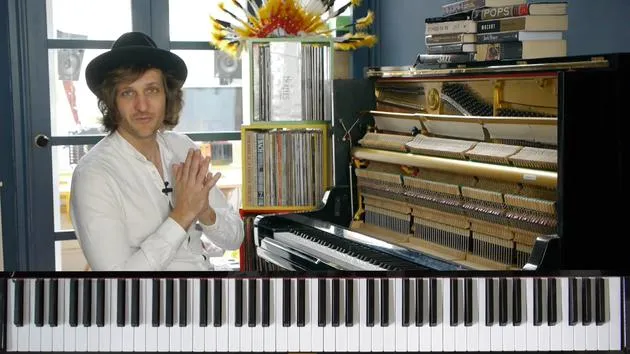
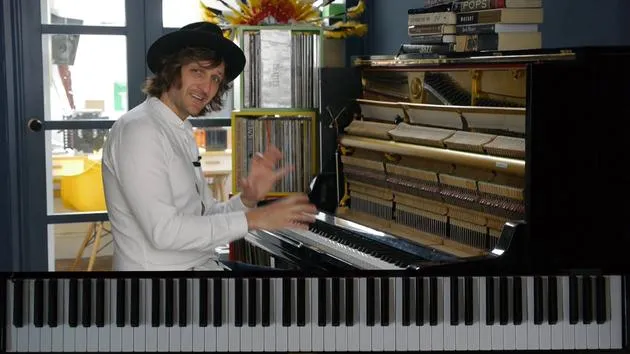
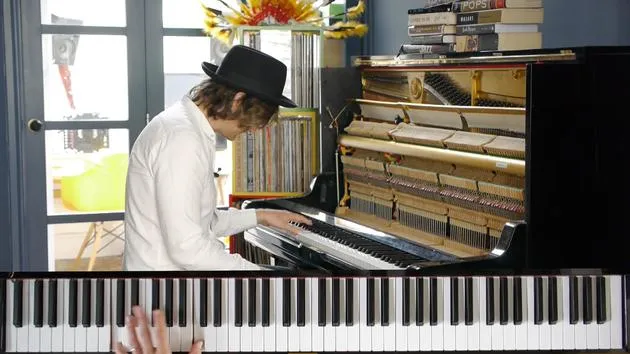
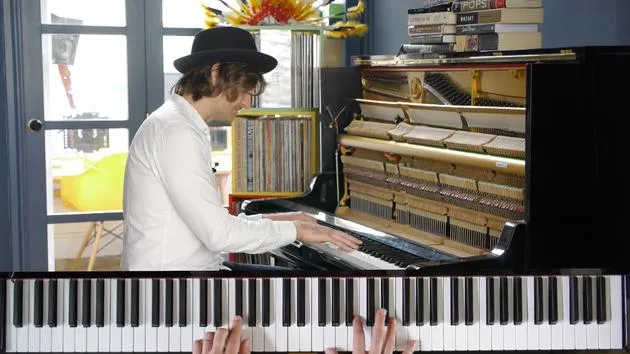
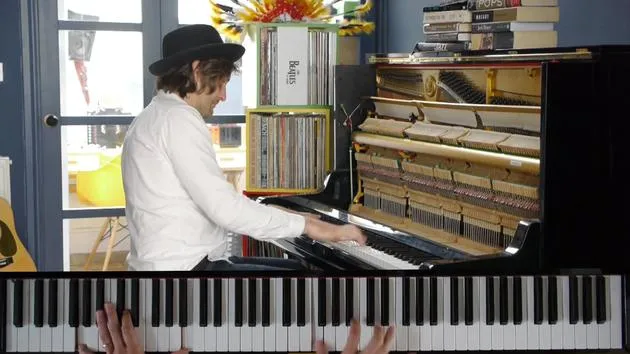
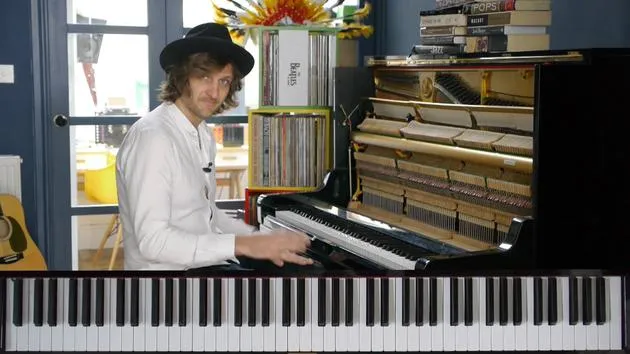
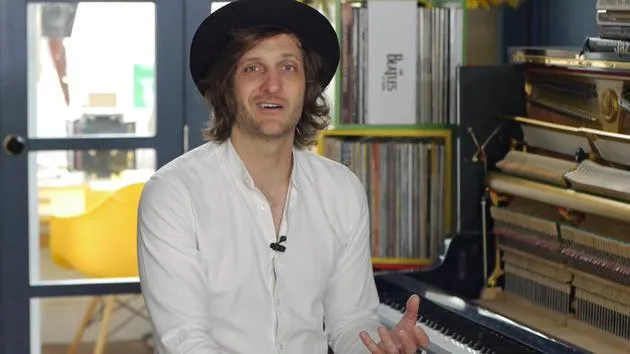
Paddy MilnerPaddy desglosa el feel de Tipitina. El groove debe sus orígenes a un estilo rumba/afrocubano. A diferencia del blues tradicional, que tiene una separación clara entre mano izquierda y derecha, el groove de Tipitina fusiona las dos manos, de nuevo procedente más bien de un estilo latino.
Qué incluye el curso
40 lecciones (2h 57m) · 1 gratis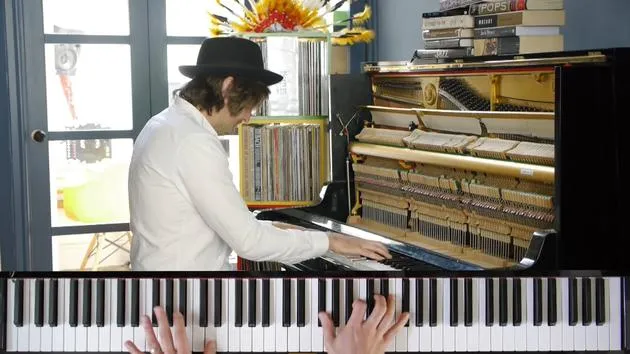
01. Vista general e interpretación
2:26
02. La forma del tema
1:56
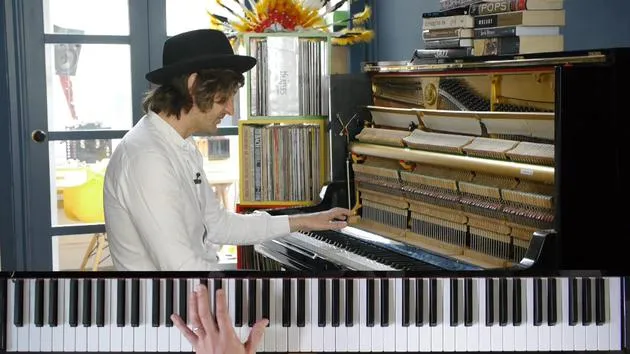
03. Sección A de la mano izquierda
7:01
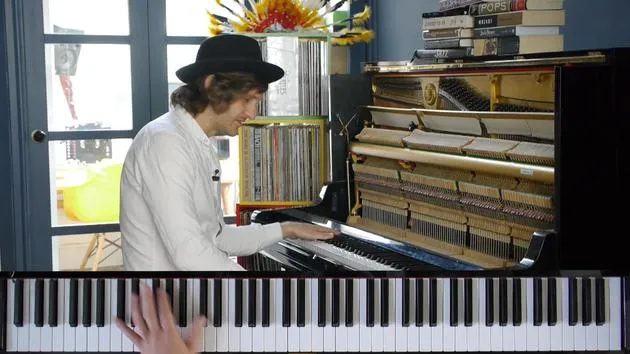
04. Sección B de la mano izquierda
5:06
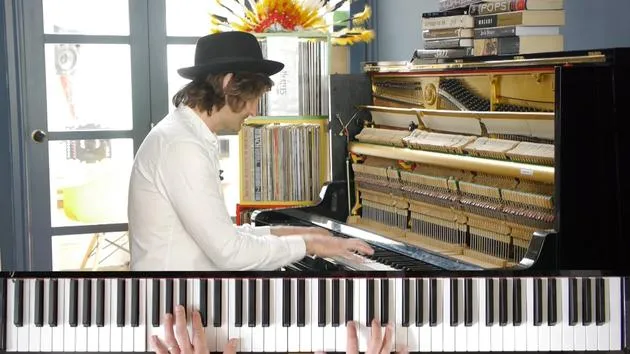
05. El lenguaje de la mano derecha
5:05
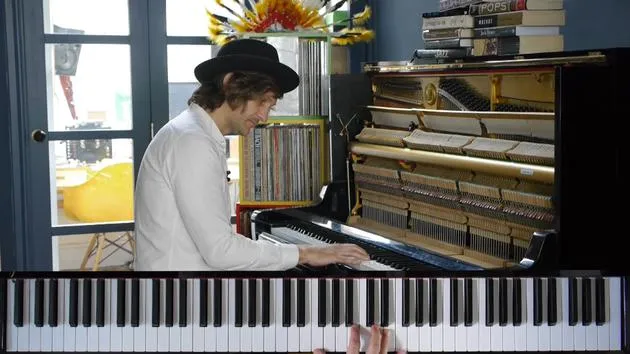
06. Turnaround estilo Dr John
2:11
07. Más lenguaje de la mano derecha
5:37
08. Turnaround influenciado por Jelly Roll
1:43
09. Riff de rag time
2:08
01. Visión general
1:08
02. Interpretación
3:02
03. Forma e introducción - Octavas de Professor Longhair
4:45
04. Forma y feel
Estás aquí5:22
05. Mano derecha
2:30
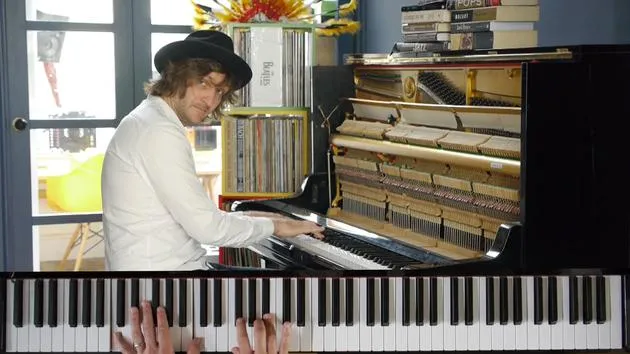
06. Ideas de turnaround
2:59
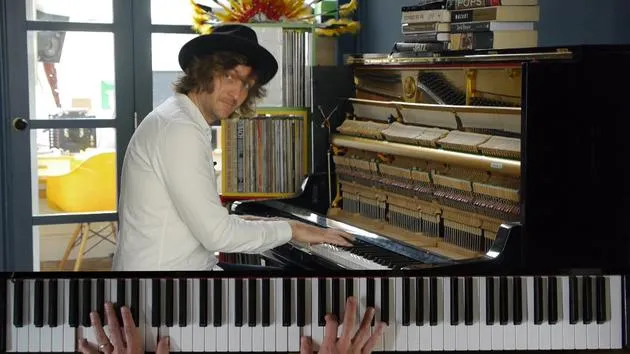
07. Ideas para la sección de solo
4:16
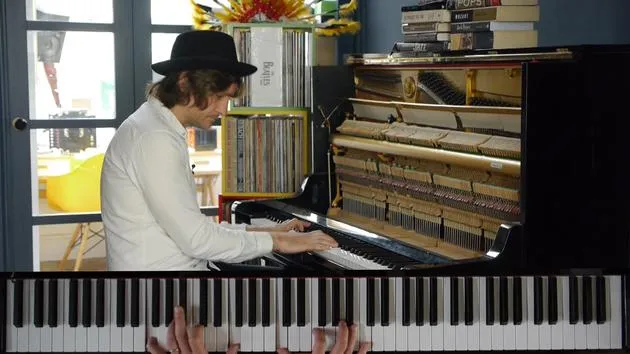
08. Clavar el groove
4:00
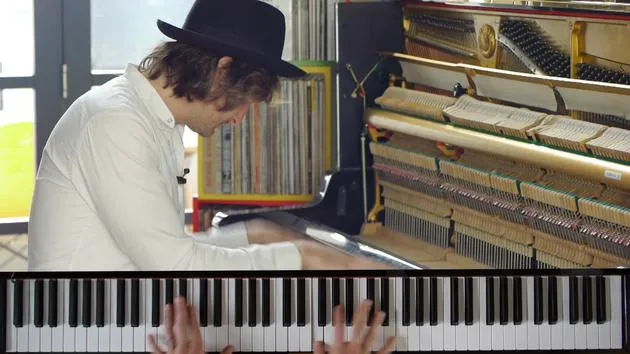
09. Hacerlo más funky
Lección gratis7:56
10. Hacia un feel latino
1:42
11. Recto contra swing y variaciones armónicas
5:46
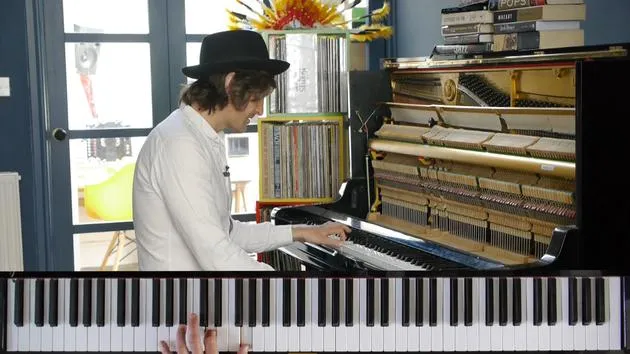
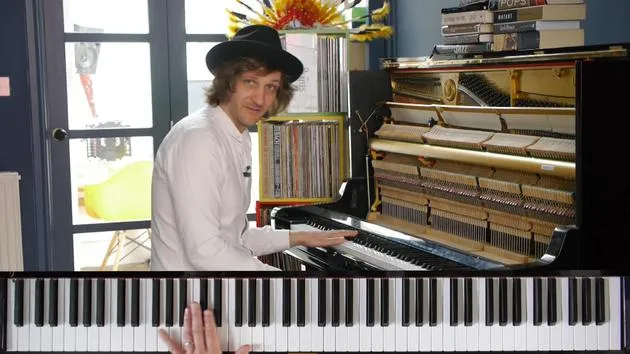
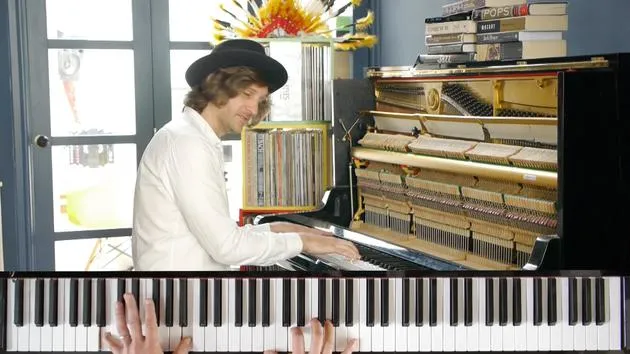
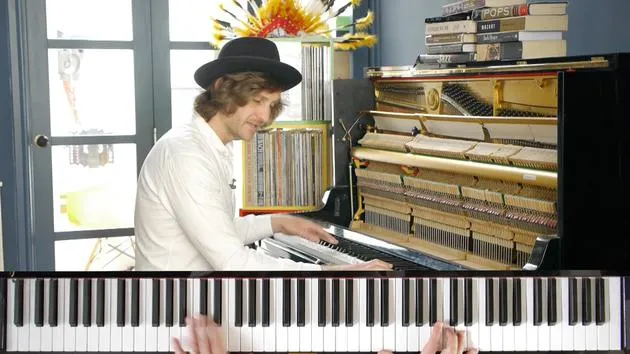
Transcripción de la lección
Understanding the Feel of the Tune
But let's look at the central thing about this tune, which is the feel. The feel is so important on this. It's very much that kind of rumba feel derived from the sort of Afro-Caribbean influence.
The Basic Underlying Feel
Essentially, that is the basic underlying feel for it. You could play something like that, which obviously works fine, but pressing along here really kind of brings it home with some anticipations.
New Orleans Influence
The stuff we looked at in Junco Partner, which I think is a typically New Orleans thing, informs this approach. So, his introduction, you can see it's leading with that 3/4 time signature. It's always leading with that note.
- This is something that really goes well in Afro-Cuban music.
- It can go across the bar line, but in this case, it's still anchored with that downbeat at the bottom.
- Still, it's a note that's stressed in the feel.
Two-Handed Groove
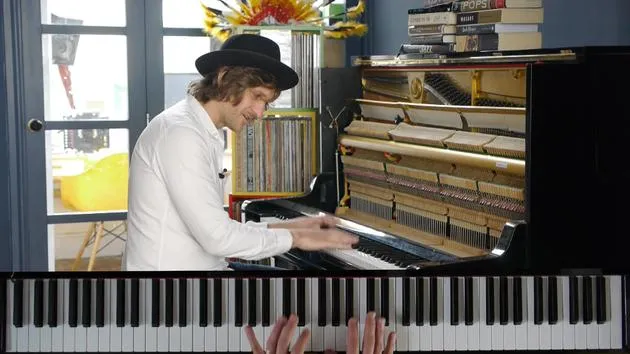
He also incorporates these little skips in between the right-hand notes. So, it's very much a two-handed feel. It's not just a left hand with a right-hand accompaniment kind of thing, which would be more of a ragtime approach or a blues approach, you know, that features a very independent left hand.
- In this kind of feel, it's very much from that sort of Caribbean/Afro-Cuban vibe where the two hands create the groove together.
Creating a Rolling Effect
So really, it creates this rolling effect, characterized by a very distinctive run going up to the four chords:
3, 4. One, two, three, four.
It's all kind of syncopated; it's all off the beat:
3, 4, 1, 2, 3, 4.
Then it anchors back down on beat one of the four, leaving you suspended while that's happening. I think that's what makes it funky and what makes it hip.
Echoing the Left Hand
In the right hand, you're essentially echoing what the left hand is doing. Although what Professor Longhair does, and what you can do, is add some octaves or change the direction of the octave.
- The choice is yours! You can play it however you want, but as long as this central feel is underneath, it doesn't really matter.
- That anticipation at the end of the bar is always there.
Keeping the Feel in Mind
So, think of it as "walking down the street":
1, 2, 3, 4 and 2, 3, 4.
That feel is very much present throughout the piece.
So remember, when you're playing, that feel should always be there, regardless of whether you're actually playing notes or not.
40 lecciones
2h 57m de lecciones en vídeo estructuradas
Funciones de vídeo avanzadas
Ralentiza, repite un pasaje, sigue la partitura
Móvil, tablet y ordenador
Practica donde quieras
Garantía de satisfacción 100%
30 días de garantía de devolución
Conoce a tu gurú
Conoce a tu gurú
Paddy Milner está reconocido como uno de los mejores pianistas de blues del mundo: actualmente es el teclista de confianza de Sir Tom Jones, tras varios años con el gran y ya desaparecido Jack Bruce, pero también es un magnífico compositor original y un cantante con personalidad propia. ¡Basta con leer los elogios de figuras como Dave Brubeck que aparecen más abajo! Su forma de tocar apareció en la banda sonora de la exitosa película de 2019 'Rocketman'.
Ha ganado dos veces el premio al Mejor teclista en los British Blues Awards, y mantiene una residencia de larga trayectoria como miembro fundador de la Ronnie Scott's Blues Explosion en el mundialmente famoso club Ronnie Scott's.
Su grupo actual LONDONOLA toca música británica de cosecha propia con una buena dosis de espíritu de Nueva Orleans, y su grupo colaborativo JAWBONE va de fuerza en fuerza tras la publicación de su álbum de debut homónimo.
- "Me encanta... hay un tipo que sabe tocar de verdad el piano" - Dave Brubeck
- "Lo recomiendo encarecidamente. ¡De algún modo las cosas empiezan a sentirse mucho mejor!" - Jack Bruce
- "El mejor pianista de blues de Europa..." - Blues Access, EE. UU.
- "Impresionante y original" - The Times
- "Deslumbrante" - The Independent
A lo largo de sus cursos, Paddy desglosa el auténtico shuffle de blues, el slow blues, el boogie-woogie, el rock 'n' roll y el piano de Nueva Orleans -incluidas tres canciones clásicas de boogie-woogie- para que aprendas estos estilos de uno de los mejores del oficio.







