



La evolución del piano de Nueva Orleans
Con
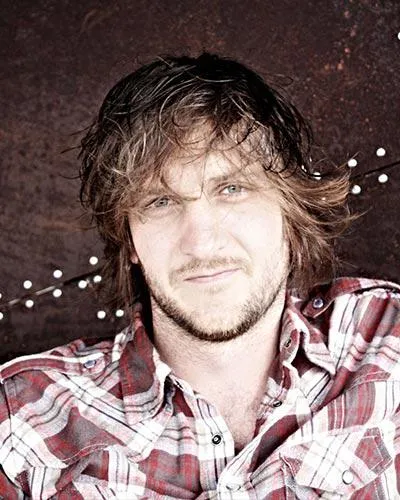
Paddy MilnerPaddy ofrece una visión general de cómo los 'padres fundadores' del piano de Nueva Orleans, músicos como Jelly Roll Morton y Professor Longhair, desarrollaron el estilo absorbiendo las influencias latinas en la tradición del blues y el ragtime estadounidenses.
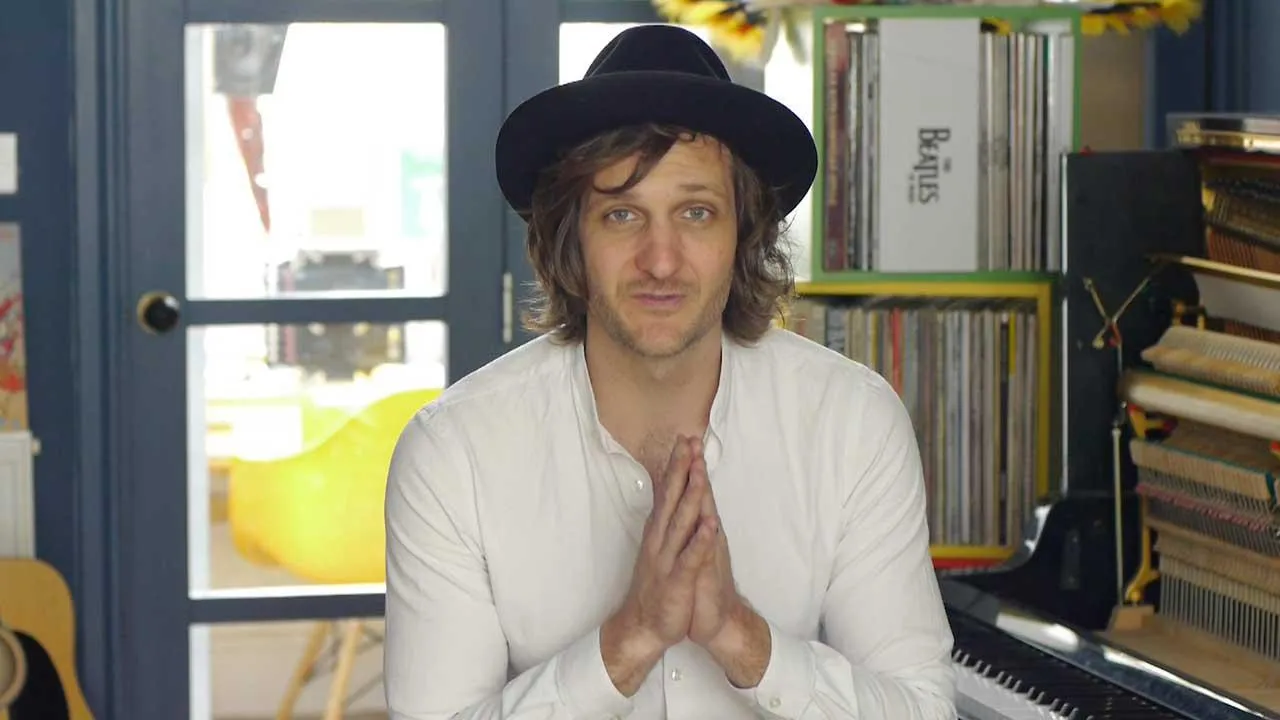
Qué incluye el curso
40 lecciones (2h 57m) · 1 gratis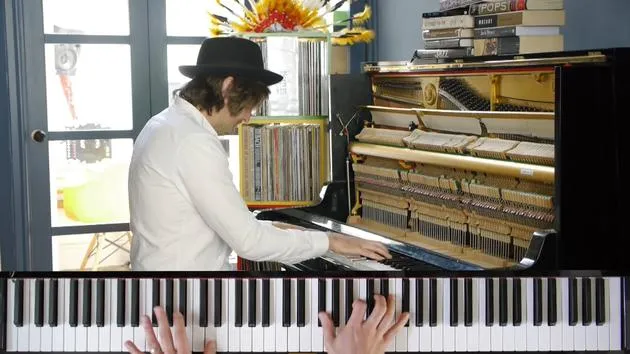
01. Vista general e interpretación
2:26
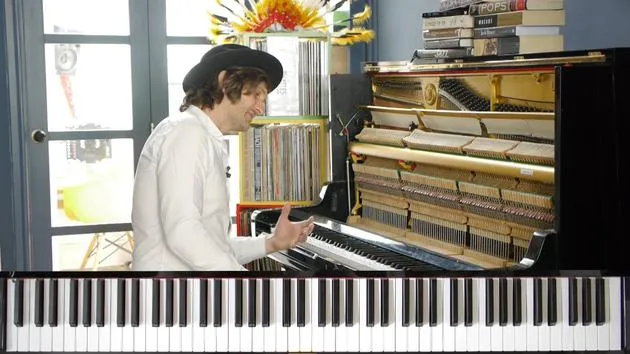
02. La forma del tema
1:56
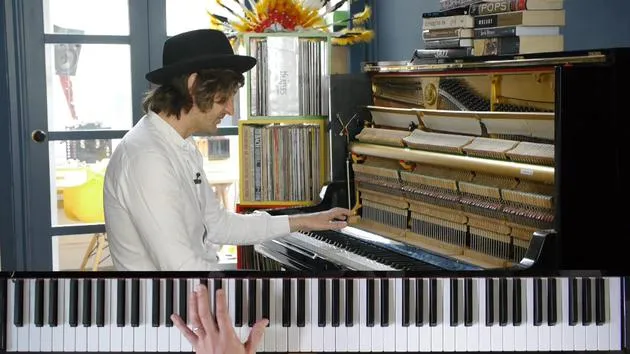
03. Sección A de la mano izquierda
7:01
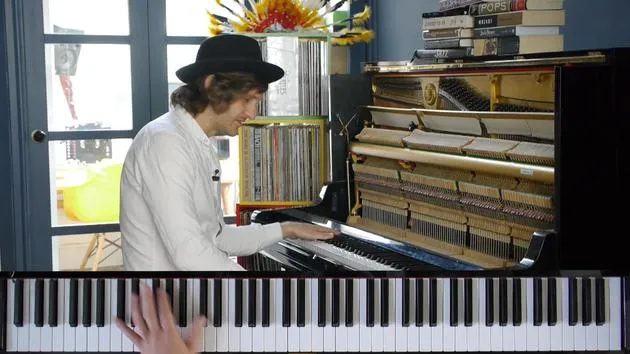
04. Sección B de la mano izquierda
5:06
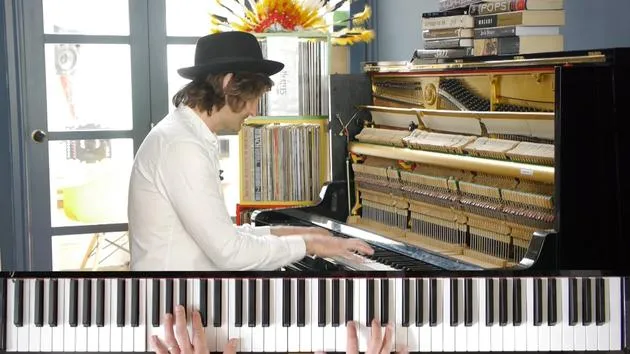
05. El lenguaje de la mano derecha
5:05
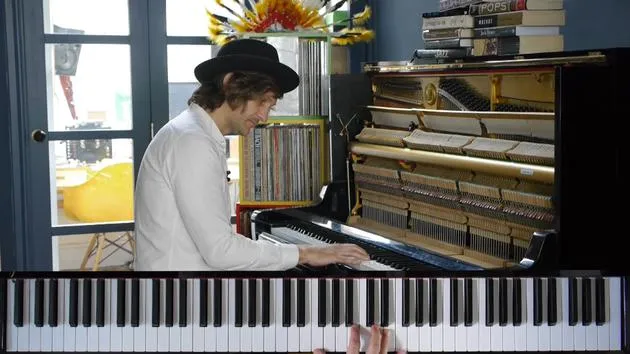
06. Turnaround estilo Dr John
2:11
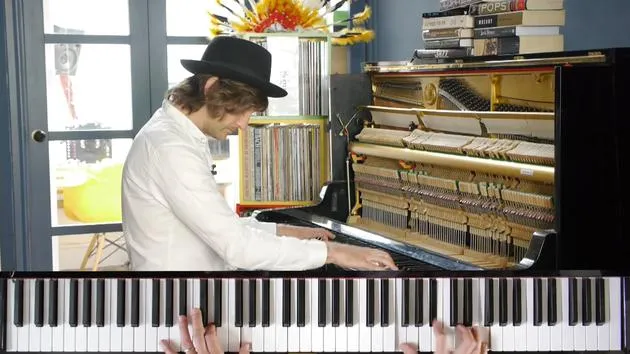
07. Más lenguaje de la mano derecha
5:37
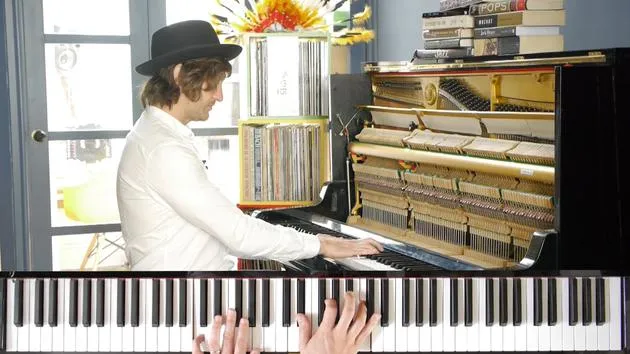
08. Turnaround influenciado por Jelly Roll
1:43
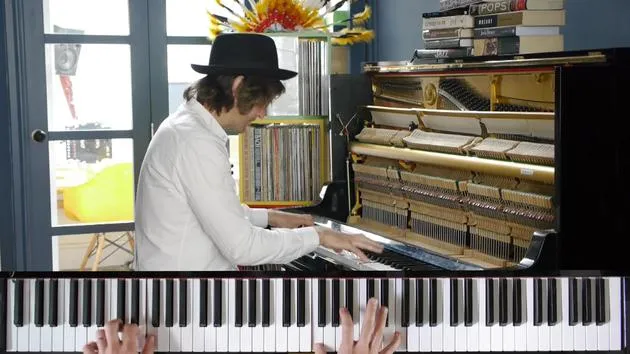
09. Riff de rag time
2:08
01. Visión general
1:08
02. Interpretación
3:02
03. Forma e introducción - Octavas de Professor Longhair
4:45
04. Forma y feel
5:22
05. Mano derecha
2:30
06. Ideas de turnaround
2:59
07. Ideas para la sección de solo
4:16
08. Clavar el groove
4:00
09. Hacerlo más funky
Lección gratis7:56
10. Hacia un feel latino
1:42
11. Recto contra swing y variaciones armónicas
5:46
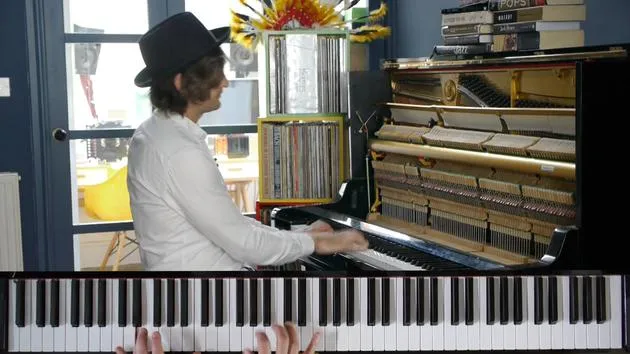
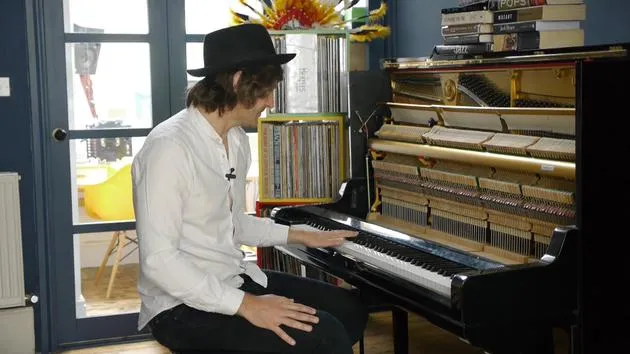
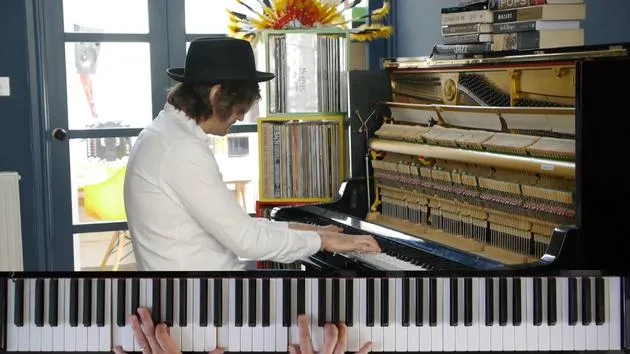
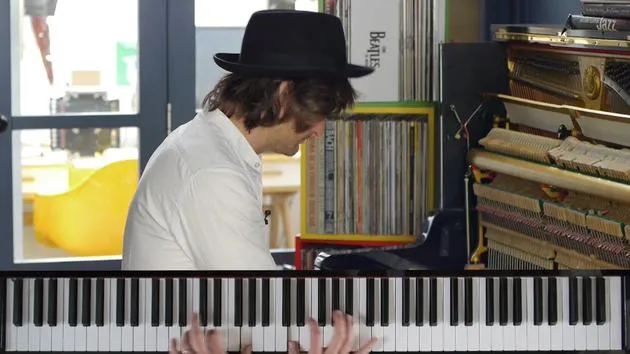
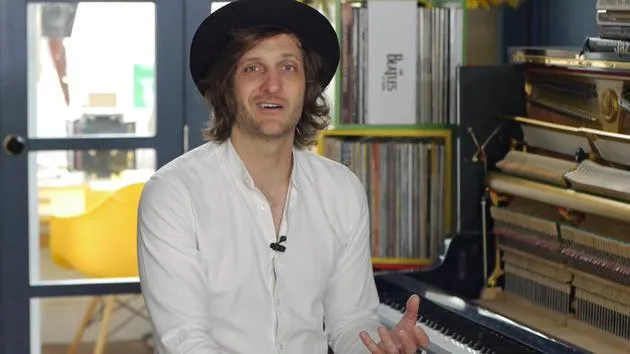
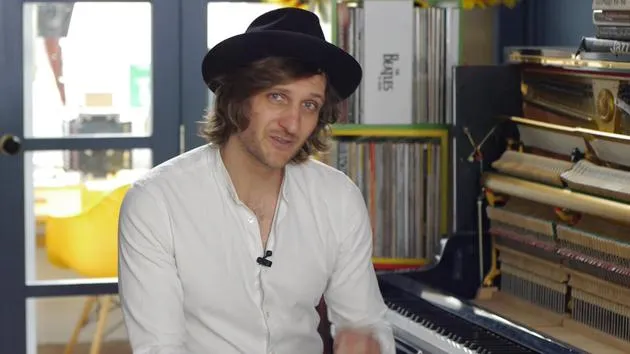
Transcripción de la lección
Exploring New Orleans Piano: The Influence of Jelly Roll Morton
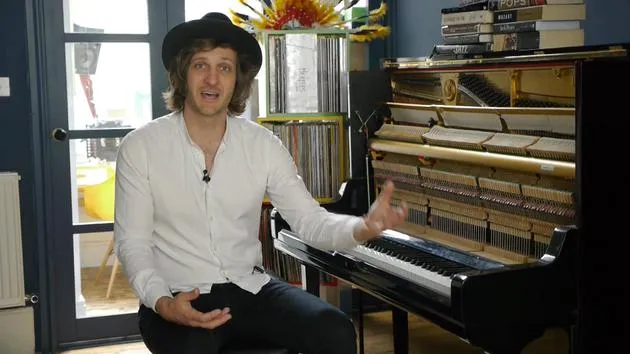
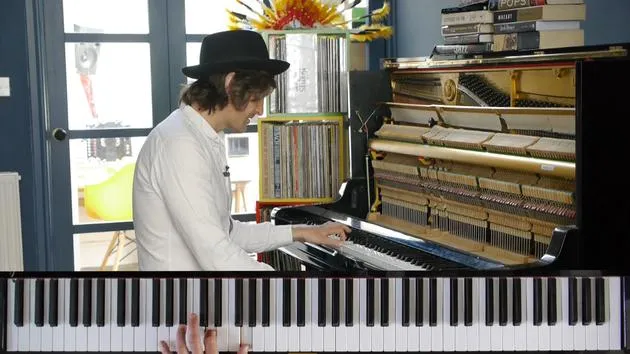
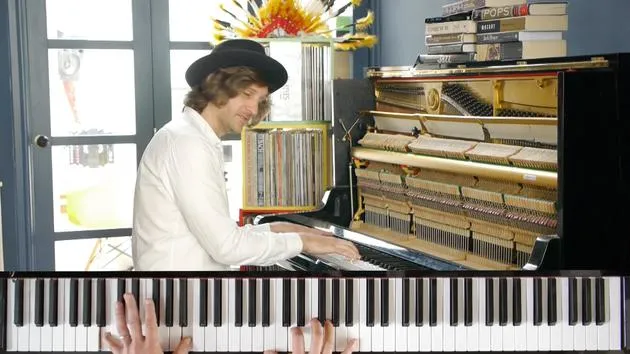
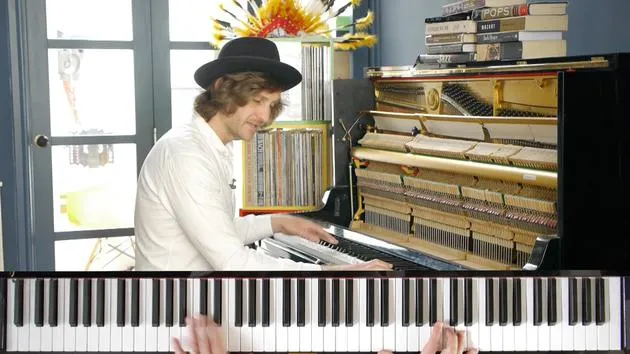
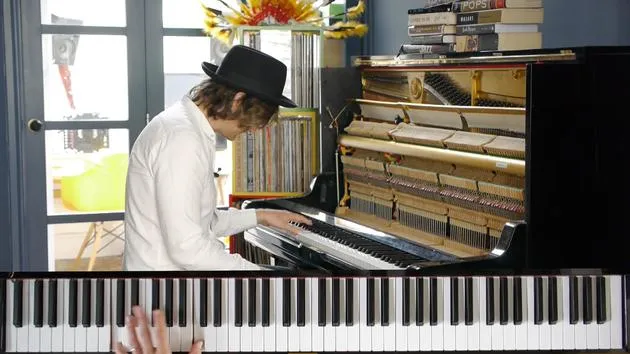
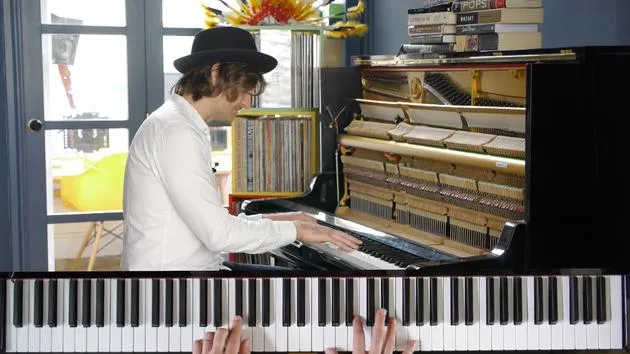
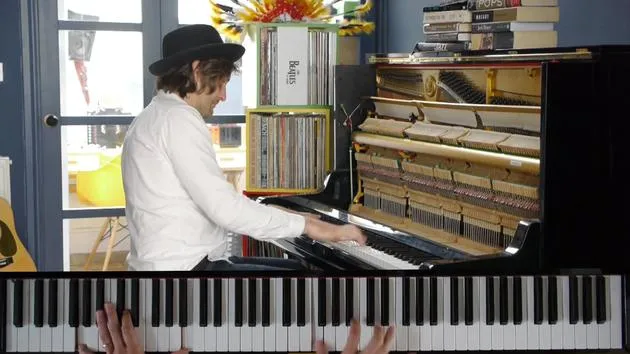
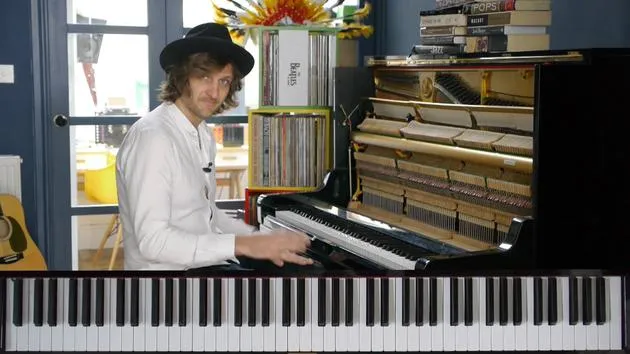
So if you look at Jelly Roll Morton, who was one of the first musicians to really develop the New Orleans style of piano playing, we can hear these kind of anticipations of the bar happening all the time. This is definitely an influence of Afro-Hispanic music.
Anticipations in Jelly Roll Morton's Music
We get something like this, which he does at the end of "King Port Ostomp."
- In the left hand, he's really anticipating these beats:
- Not necessarily just the bar line, but other beats too.
So, let's slow it down a bit. This kind of anticipation is very much a step on from the ragtime of Scott Joplin, who was definitely paving the way in this direction. Joplin was ragging those melodies by adding syncopations, something they were doing in New Orleans as well.
-
Whereas Scott Joplin might do something like this (kind of straight), it feels like a left-right sequence:
"left, right, left, right, um, cha umcha." -
Jelly Roll would do something different in the left hand. For example:
"etc."
He's adding these anticipations which keep the music edgy and moving forward, which I find incredibly exciting.
Professor Longhair's Influence
We can see similar elements in the works of Professor Longhair. For example, in "Tipitina," he's really got this accented, pushing feel in the left hand:
1, 2, 3, 4.
- It has a strong sense of anticipation into the one, which is something that runs through much of the New Orleans musical output.
A lot of Professor Longhair's stuff is based on the rumba rhythm:
1, 2 (which has that very strong 2 and T).
You might get something like this, which is very strongly rooted in that kind of Caribbean spirit.
Similarities with Cuban Music
There are many things you can do with this rhythm that Professor Longhair uses.
- Looking at New Orleans piano, we identify all these similarities with Cuban music:
- Rhythmically
- Voicings
There's a common usage of voicings based on octaves and fifths in both musical traditions.
Dr. John's Gumbo
Another example of similarities between Cuban music and New Orleans piano can be found in Dr. John's Gumbo album.
- Listen to his version of "Junko Partner."
- There's a little break, a sax break after the first few verses, and behind it, Dr. John is playing these octave patterns that would sound perfectly at home on a Cuban record:
- These kinds of sounds and rhythms.
Conclusion
So, we see these similarities popping up all over the world of New Orleans piano.
Having briefly looked at this melting pot of New Orleans, particularly the marriage of African, European, and Hispanic culture, I think we can move on and look at some tunes to get you playing New Orleans piano!
40 lecciones
2h 57m de lecciones en vídeo estructuradas
Funciones de vídeo avanzadas
Ralentiza, repite un pasaje, sigue la partitura
Móvil, tablet y ordenador
Practica donde quieras
Garantía de satisfacción 100%
30 días de garantía de devolución
Conoce a tu gurú
Conoce a tu gurú
Paddy Milner está reconocido como uno de los mejores pianistas de blues del mundo: actualmente es el teclista de confianza de Sir Tom Jones, tras varios años con el gran y ya desaparecido Jack Bruce, pero también es un magnífico compositor original y un cantante con personalidad propia. ¡Basta con leer los elogios de figuras como Dave Brubeck que aparecen más abajo! Su forma de tocar apareció en la banda sonora de la exitosa película de 2019 'Rocketman'.
Ha ganado dos veces el premio al Mejor teclista en los British Blues Awards, y mantiene una residencia de larga trayectoria como miembro fundador de la Ronnie Scott's Blues Explosion en el mundialmente famoso club Ronnie Scott's.
Su grupo actual LONDONOLA toca música británica de cosecha propia con una buena dosis de espíritu de Nueva Orleans, y su grupo colaborativo JAWBONE va de fuerza en fuerza tras la publicación de su álbum de debut homónimo.
- "Me encanta... hay un tipo que sabe tocar de verdad el piano" - Dave Brubeck
- "Lo recomiendo encarecidamente. ¡De algún modo las cosas empiezan a sentirse mucho mejor!" - Jack Bruce
- "El mejor pianista de blues de Europa..." - Blues Access, EE. UU.
- "Impresionante y original" - The Times
- "Deslumbrante" - The Independent
A lo largo de sus cursos, Paddy desglosa el auténtico shuffle de blues, el slow blues, el boogie-woogie, el rock 'n' roll y el piano de Nueva Orleans -incluidas tres canciones clásicas de boogie-woogie- para que aprendas estos estilos de uno de los mejores del oficio.







