



Deslizamientos con mejillas infladas y giro de hombros
Lesson time: (2min 1sec)
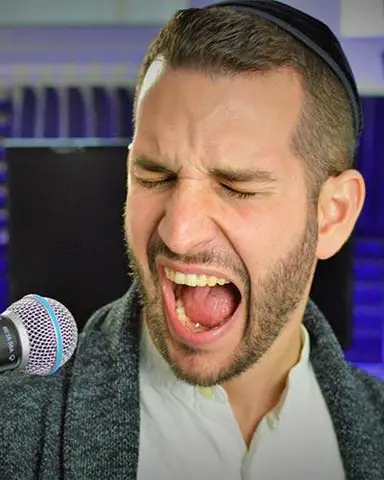
Un calentamiento vocal con Adam Mishan que usa el ejercicio de mejillas infladas para activar las cuerdas sin pajita, combinado con un giro de hombros hacia atrás para liberar la tensión en hombros y pecho.
Course preview
This lesson is part of the course 30 días para una mejor voz al cantar
Watch a preview of the full course below.
Lesson transcript:
Attention to Shoulders and Chest
Next, we're going to bring our attention to our shoulders and chest, which can potentially be another source of strain for the singer.
Puffy Cheek Exercise
Instead of the straw exercise, we will do the puffy cheek exercise. This exercise serves a similar purpose, but you won't need a straw.
- How to perform the exercise:
- Puff your cheeks out and blow sound through them.
- Pause the video right now and give that a try.
Key Points to Remember
While you're doing this, keep the following in mind:
-
Engage the vocal cords:
- Don't just blow air; ensure that your vocal cords are engaging.
- You need to produce tone. You'll be able to hear the difference.
-
Sound above the nose:
- We don't want any sound coming above the nose.
- Plug and unplug your nose as you do it to ensure that the sound doesn't change.
- This is a good way to know that you're not sending air through the nose.
Shoulder Roll
Now, let's focus on doing a shoulder roll backwards.
- Key to the shoulder roll:
- Try to keep your shoulders moving smoothly up and around.
- Many students make slight movements, lifting and lowering, but we want to achieve a nice, full roll.
Can you give that a try right now? Pause the video and practice the shoulder roll.
Combining Techniques
Once you have the shoulder roll going, we will combine it with the puffy cheek exercise.
- How it looks:
- This will look similar to the straw exercise.
For the full exercise routine, refer to the MP3s as this demonstration is just a part of it.
About the instructor
Adam Mishan es un profesor de canto que aprendió a cantar por sí mismo. Sus vídeos documentan el recorrido desde no ser capaz de mantener una nota hasta cantar con verdadero control, y ese camino es ahora el que da forma a su manera de enseñar: más de 200.000 personas lo siguen en YouTube. En sus cursos trabajarás la afinación, el apoyo respiratorio, el tono y el registro en pasos pequeños y repetibles, del mismo modo en que él construyó su propia voz. read more