



Ejercicio de 'ah' y detectar puntos de tensión

Lesson time: (4min 33sec)
Adam Mishan usa un sencillo ejercicio de 'ah' para ayudarte a detectar dónde se cuela la tensión, como levantar la barbilla o estirarte hacia las notas más agudas.
Course preview
This lesson is part of the course 30 días para una mejor voz al cantar
Watch a preview of the full course below.
Lesson transcript:
Basic Vocal Technique: Finding Tension in Your Voice
In today's lesson, we're going to start with a very basic "ah" exercise. As we progress, we'll focus on identifying any spots where tension begins to manifest in your voice.
Starting from Your Lower Range
- Begin by keeping it super simple and follow along with me.
- Right about here is where many people experience their first feelings of straining.
Common Tension Indicators
- Eye and Chin Position:
- Often, you'll see a tendency to look upward with the eyes while tilting the chin up.
- This creates a feeling of reaching for the notes.
Important Note:
Whenever you think about reaching for a note, your body will respond physiologically.
Maintain a Neutral Posture
- Ensure your gaze is directed straight across or downwards.
- Your chin shouldn't lift too high; it can stay neutral.
"You can hear what happens to my voice when I do that. It's not very good for your voice."
Jaw Position
Another common issue is maintaining a tight jaw:
- A tight jaw prevents the sound from vibrating properly and restricts the larynx's ability to relax.
- Keeping your mouth open fully is crucial for proper vowel production.
Tips for Jaw Relaxation
- Allow the jaw to open vertically rather than tightly.
- Avoid the habit of clenching your mouth horizontally higher with each note.
"Keeping the mouth horizontally open is going to make the sound splat, ruin the vowel, and actually cause strain in the voice."
Finding the Right Approach
Aim to keep your mouth opened more vertically:
- Think about opening downwards, rather than just horizontally.
- Focus on a softer sound and lean towards a head tone.
"We want to try to find that more release right now. That's the key factor here."
Facial Relaxation
It's common to tense the face when singing higher notes:
- Watch for brow furrowing and facial clenching.
- These are clear indicators of strain in the throat.
"Whenever there's an involuntary action of the muscles of the face, it tells us that there's tension going on in the throat."
Keeping Your Face Relaxed
- During the exercise, try to maintain a deadpan expression.
"Aside from a squint because of the glare of the sun, I'm keeping my face as relaxed as possible."
Reflection Exercise
To conclude our lesson:
- Identify your tension spots.
- Make a note of:
- Face clenching
- Mouth positions (horizontal vs. vertical)
- Jaw and tongue tension
- Write these down for future reference.
Stay aware of these tension areas to improve your vocal technique!
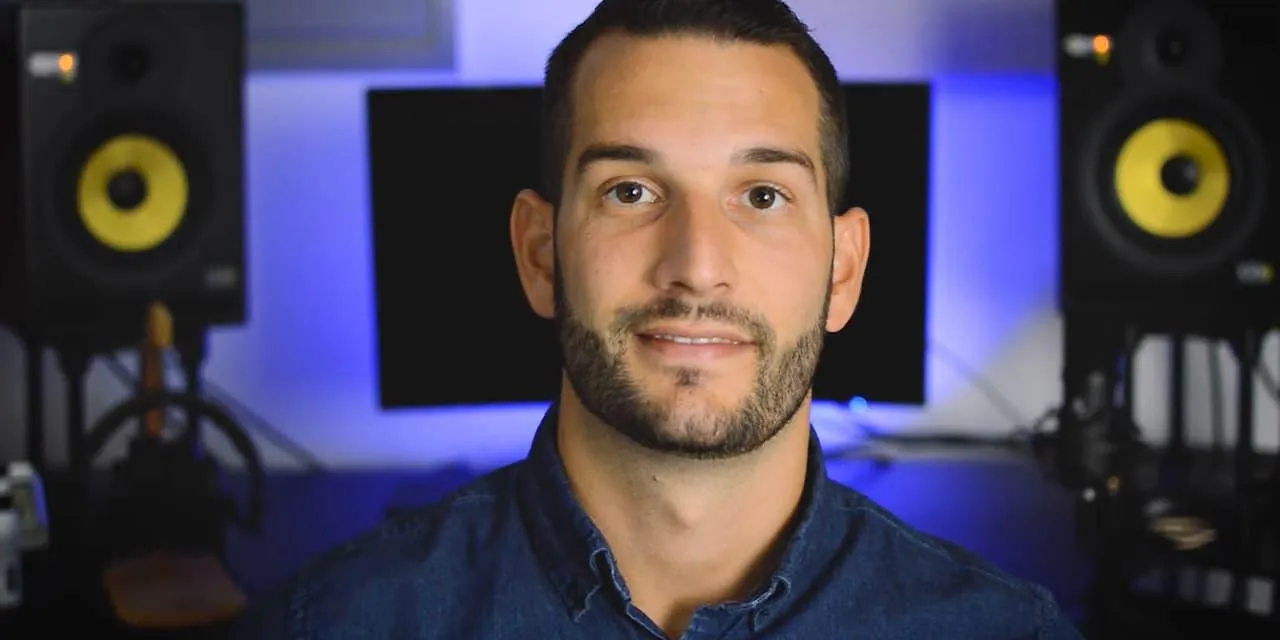
About the instructor
Adam Mishan es un profesor de canto que aprendió a cantar por sí mismo. Sus vídeos documentan el recorrido desde no ser capaz de mantener una nota hasta cantar con verdadero control, y ese camino es ahora el que da forma a su manera de enseñar: más de 200.000 personas lo siguen en YouTube. En sus cursos trabajarás la afinación, el apoyo respiratorio, el tono y el registro en pasos pequeños y repetibles, del mismo modo en que él construyó su propia voz. read more